
Pruning
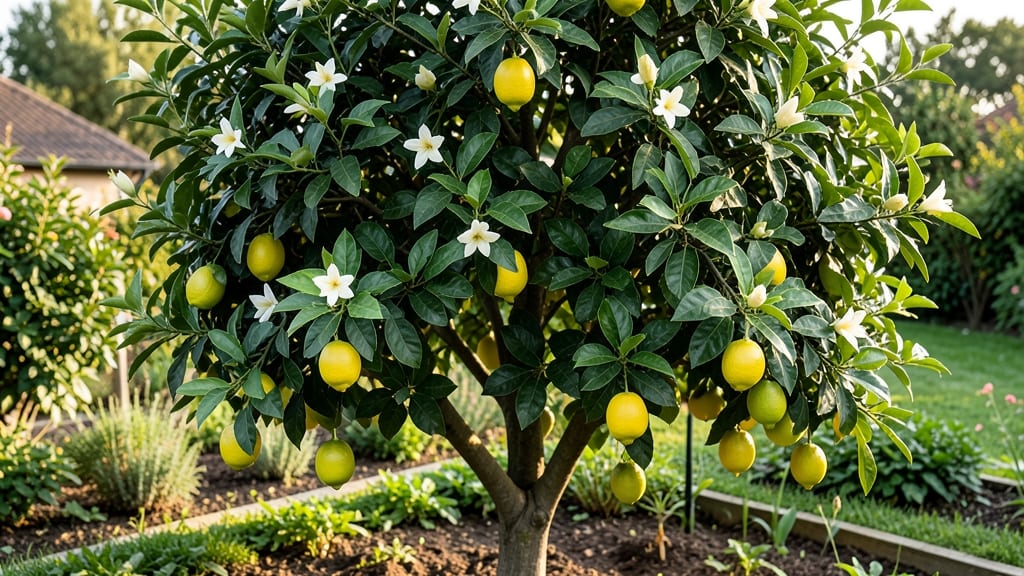
Growing an indoor lemon tree that actually bears fruit feels like magic—until you know the secret: three strategic trims turn a leggy houseplant into a fragrant, fruit-producing powerhouse. 🌿 I’ve watched my own citrus tree go from sad sapling to lush, lemon-scented beauty by focusing on light, pruning, and patience, and you can too.
The key isn’t complicated: bright, indirect light (south-facing windows or grow lights), well-draining soil, and three pruning sessions a year to shape growth and encourage blooms. Most people overwater or under-prune, but once you nail these basics, your tree will reward you with glossy leaves and—eventually—tiny, tart lemons.
Even in low-light apartments, this method works.
By summer, you’ll smell that fresh citrus aroma every time you walk by, and within a few years, those first lemons will appear. The trick is consistency: trim in early spring, mid-summer, and winter, and your tree will stay compact, healthy, and productive.
No more sad, bare branches—just a thriving centerpiece that doubles as a kitchen staple.
Whether you start from seed or a nursery sapling, the same rules apply. The payoff? A tree that lives for decades, keeps air clean, and gives you homegrown lemons year after year. Let’s get your citrus tree thriving indoors.
📚 In This Guide
- What you need
- Instructions
- Tips and common mistakes
- Wrapping up and next steps
What you need
- ● Indoor lemon tree (Citrus × limon) – Choose a healthy, mature plant (3+ years old) with a sturdy trunk. Pro tip: Dwarf varieties (like ‘Meyer’ or ‘Improved Meyer’) are perfect for containers!
- ● Well-draining potting mix – 5–10 gallons of citrus-specific soil (or a blend of 60% potting soil, 30% perlite, and 10% sand). 💡 Avoid garden soil—it compacts and rots roots!
- ● 12–24" pot with drainage holes – Terracotta or fabric pots work best. ✨ Upgrade every 2–3 years for root health!
- ● Pruning shears – Sharp, bypass-pruners (avoid dull tools—they crush stems!). 🔪 Sterilize with rubbing alcohol between cuts!
- ● Glove – A pair of nitrile or leather gloves to protect from sap (which can irritate skin).
- ● Ruler or measuring tape – For precision trims (aim for 1/4" above a leaf node).
- ● Spray bottle with water – To clean tools and hydrate cut stems post-prune.
- ○ Rooting hormone (optional) – If propagating cuttings, use a fast-acting gel for higher success rates.
- ○ Pruning sealant (optional) – A tree wound sealant to prevent disease on larger cuts (1" diameter+).
- ○ Grow lights (optional but helpful) – A full-spectrum LED (12–16 hrs/day) if your tree lacks sunlight (<10 hrs/day).
- ● Knowledge of tree anatomy – Identify main branches, suckers, and water sprouts (we’ll cover this in the trimming guide!).
- ● Patience – Lemon trees don’t bloom overnight—prune in late winter/early spring (just before new growth).
- ● Sunlight access – Place your tree in a south-facing window (or under grow lights) for 6+ hours of light daily.
- ● Watering routine – Keep soil consistently moist but not soggy (check top inch weekly).
Step-by-step guide to pruning your indoor lemon tree
Here's how to keep your citrus thriving with precise, seasonal trims.
✂️ Step 1: Perform the Structural Trim in Late Winter
The first cut shapes your tree's framework. Wait until late February or early March when your lemon tree finishes its winter dormancy but before new growth begins. You'll see bare branches with no fresh leaves—this is your cue. Use sterilized pruning shears to remove any dead, crossing, or inward-growing branches first. These compete for energy and create weak entry points for pests.
Next, target branches growing toward the center of the tree. I like to step back and visualize the tree's natural shape—imagine a vase form with an open center. Cut back one-third of the longest branches to encourage bushier growth. Always make cuts just above a leaf node (the bump where leaves attach) at a 45-degree angle to prevent water pooling. This ensures cleaner wounds that heal faster.
If your tree has leggy growth from insufficient light, trim the topmost 6-8 inches of the tallest stems. This redirects energy to lower branches, creating a fuller canopy. Here's the thing—lemon trees respond dramatically to this first trim. Within 4-6 weeks, you'll see new shoots emerging from the cut points, signaling vigorous regrowth.
🌿 Step 2: Light Pruning During Spring Growth
Now comes the maintenance phase. Throughout spring and early summer, remove any suckers—those small, thin shoots growing from the base of the trunk or along branches. These saplings drain energy from fruit production. Pinch them off with your fingers or clean shears as soon as you spot them. I check weekly during this period because suckers grow fast when temperatures hit 70°F+.
Next, thin out overcrowded foliage to improve air circulation. Focus on the inner canopy where branches rub together. Lemon trees with poor airflow develop fungal issues like citrus greasy spot. Cut back one-third of the leaves in congested areas, always keeping the outer leaves to maintain photosynthesis. You'll know you've done enough when light filters through to the center of the tree.
This is also when you shape the tree's silhouette. Lemon trees grow best with a rounded top and open center. Use your shears to gently guide branches into place—never force them. If a branch bends but doesn't break, it's strong enough to hold its new position. The goal is to create a balanced silhouette where sunlight reaches all leaves, not just the outer ones.
✂️ Step 3: Post-Harvest Pruning in Late Fall
After your tree bears fruit, it's time for the final trim of the year. Wait until October or November, when you've harvested all lemons and the tree shows signs of slower growth. Remove any spent fruit clusters—those withered stems left after picking. These can harbor pests and diseases over winter. Cut them off at the base where they attach to the branch, using the same 45-degree angle technique.
Next, assess the tree's overall health. Lemon trees often drop older leaves in fall, revealing branches that may need thinning. Remove any weak, thin branches that haven't produced fruit. These branches compete with stronger growth for nutrients. I look for branches with a pencil-thickness or less—these rarely contribute to the tree's structure or fruit production. Cut them back to a healthy lateral branch or leaf node.
This final trim prepares your tree for dormancy. Lemon trees enter a light growth phase in winter, and pruning now prevents overgrowth that could stress the tree when temperatures drop. After trimming, give your tree a balanced citrus fertilizer to support new growth in spring. You'll notice fewer fallen leaves next winter—a sign your tree is healthier and better prepared for fruit production.
Tips & tricks for perfect indoor lemon tree trimming
These seasoned strategies will help you avoid common pruning pitfalls and keep your citrus tree thriving year after year.
Tool Preparation: Before you begin any trimming, sterilize your pruning shears with rubbing alcohol or a 10% bleach solution. I learned this the hard way after noticing fungal growth on my tree—always clean tools between cuts to prevent disease transmission. For larger branches, use bypass pruners instead of anvil pruners, which can crush stems and damage the tree's vascular system.
Seasonal Timing Secret: The late February/early March window for structural trimming is critical because it coincides with your tree's natural growth cycle. If you miss this timing, you risk encouraging new growth that won't harden off before winter, making your tree vulnerable to cold damage. Mark your calendar now—this is the single most important factor for successful pruning.
Visual Cue for Proper Cuts: When making your 45-degree angle cuts above leaf nodes, imagine you're cutting just above where a leaf would grow. The cut should be about 1/4 inch above the node. This technique creates a natural barrier that prevents water from pooling and causing rot. I always test my angle by holding the shears at that precise position before making the cut—it's a small detail that makes a huge difference in wound healing.
Sucker Management Strategy: During spring growth, I've found that removing suckers weekly prevents them from becoming established. These shoots grow aggressively when temperatures hit 70°F+, so I make it a habit to check my tree every Monday morning. If you notice suckers developing along branches rather than just at the base, these are called "water sprouts" and should be removed immediately—they're even more energy-draining than regular suckers.
Pro Tips for Indoor Lemon Tree
- These seasoned strategies will help you avoid common pruning pitfalls and keep your citrus tree thriving year after year.
- Tool Preparation: Before you begin any trimming, sterilize your pruning shears with rubbing alcohol or a 10% bleach solution.
- Seasonal Timing Secret: The late February/early March window for structural trimming is critical because it coincides with your tree's natural growth cycle.
Frequently asked questions
Got questions about keeping your indoor lemon tree thriving?
Here are answers to the most common concerns—from pruning to placement—so you can enjoy fresh lemons (and lush foliage) all year long!
How often should I trim my indoor lemon tree?
Trim your indoor lemon tree 2–3 times a year, focusing on shaping, removing dead branches, and encouraging airflow. The best times are early spring (before new growth) and late summer (after harvest). Light maintenance trims in between keep it tidy! Avoid heavy pruning in winter—it stresses the tree.
Why are my lemon tree’s leaves turning yellow?
Yellow leaves usually signal overwatering or nutrient deficiencies. Check the soil—it should be slightly moist but not soggy. Adjust watering and fertilize with a citrus-specific feed every 4–6 weeks. Yellowing on older leaves? Normal! But new leaves turning yellow? Act fast—it could mean root rot or too much salt from tap water.
Where’s the best spot for my indoor lemon tree?
Place your tree near a south- or west-facing window for 6–8 hours of sunlight daily. If natural light is lacking, supplement with a grow light 12 inches away for 14–16 hours/day. Avoid drafts (like AC vents) or extreme heat—60–75°F is ideal. Rotate the pot monthly for even growth!
Can I propagate my lemon tree from cuttings?
Yes! Take 4–6 inch cuttings from healthy, non-flowering branches in spring or summer. Dip the cut end in rooting hormone, plant in moist perlite or sand, and cover with a plastic bag to retain humidity. Keep in bright, indirect light and mist daily. Roots should form in 4–8 weeks—then transplant!
How do I encourage my lemon tree to bear fruit?
For fruit production, ensure your tree gets full sun, consistent water, and balanced fertilizer (high in nitrogen for leaves, then switch to phosphorus/potassium for blooms). Thin out crowded branches during pruning to improve airflow and light penetration. Patience is key—indoor lemon trees may take 2–5 years to bear fruit, but healthy care pays off!
What pests should I watch for on my lemon tree?
Common pests include spider mites, aphids, and scale insects. Check undersides of leaves for sticky residue or tiny webs. Treat early with neem oil or insecticidal soap. For severe infestations, isolate the tree and repeat treatments every 5–7 days. Prevention tip: Wipe leaves with a damp cloth monthly to deter pests!
Wrapping up and next steps
Growing an indoor lemon tree is a rewarding journey that brings fresh citrus vibes into your home year-round! With the right pruning techniques—like shaping, harvesting, and rejuvenating trims—you’ll keep your tree healthy, productive, and full of life. 🌿
Ready to take the next step? Start by observing your tree’s growth and applying these trims seasonally. Before you know it, you’ll be enjoying homegrown lemons and the joy of nurturing your green thumb! Happy pruning! 🍋✨