
Pruning
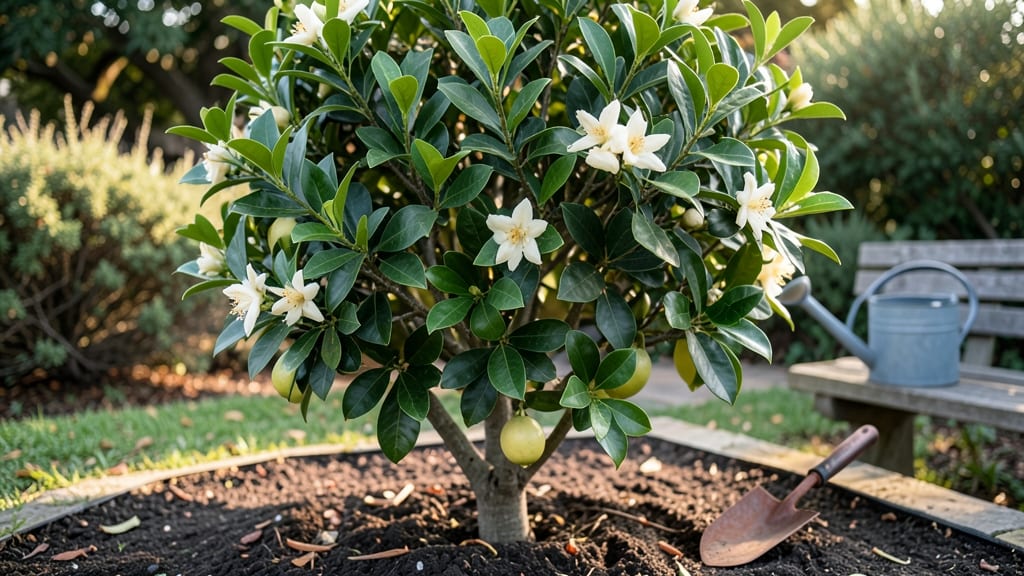
Growing an Oro Blanco grapefruit tree means sweet, fragrant fruit year-round—but only if you master the pruning. I learned this the hard way when my first tree produced bitter fruit because I ignored the four strategic cuts that keep it productive.
The secret isn’t just cutting branches; it’s shaping the tree to maximize sunlight and airflow while preventing disease. 🌱
This variety thrives in USDA zones 9-11, but with proper care, container-grown trees can survive cooler climates indoors. Well-draining soil mixed with sand or perlite is a must—citrus roots hate soggy feet. Water deeply once a week in summer, but cut back in winter when growth slows.
The right pruning schedule (spring and late winter) transforms a scraggly mess into a neat, high-yielding tree with fewer pests.
When you nail the four key cuts—removing dead wood, thinning crowded branches, heading back overgrown limbs, and opening the center for airflow—you’ll harvest juicy, snow-white flesh from late fall through winter.
The tree becomes a fragrant, productive centerpiece that outshines store-bought fruit. Ready to transform your backyard into a citrus orchard?
Works equally well in ground or containers, making it perfect for small spaces or urban gardens. The only catch? Patience—it takes 3-5 years for a young tree to bear fruit, but the wait is worth it for that first sweet, tangy bite. Let’s get those pruners sharp!
📚 In This Guide
- What you need
- Instructions
- Tips and common mistakes
- Wrapping up and next steps
What you need
- ● Oro Blanco grapefruit tree: A healthy, disease-free sapling (2–3 years old) from a reputable nursery. Pro tip: Look for trees grafted onto Swingle citrumelo rootstock for better cold tolerance!
- ○ Well-draining soil: Mix 50% native soil with 50% organic matter (compost, coconut coir, or aged manure). Optional: Add perlite or sand (10–20%) for extra drainage.
- ● Pruning tools: Sharp bypass pruners (for cuts up to ½ inch)
- ● Pruning saw (for thicker branches)
- ● Disinfectant (70% isopropyl alcohol or bleach solution) to sterilize tools between cuts.
- ○ Fertilizer: Balanced citrus fertilizer (e.g., 6-6-6 or 8-3-9 NPK ratio). Optional: Slow-release osmocote for convenience.
- ● Mulch: Wood chips or straw (2–3 inches deep) to retain moisture and regulate soil temp.
- ● Support stake: A 5–6 ft bamboo or metal stake (for young trees) + soft tree tie.
- ● USDA Hardiness Zones: 9–11 (Oro Blanco thrives in tropical/subtropical climates). Pro tip: Use a greenhouse or container for zones 8 or below!
- ● Sunlight: Full sun (6+ hours/day). Partial shade (3–4 hours) is okay in extreme heat.
- ● Water access: Drip irrigation or a 5-gallon watering can for deep, infrequent watering.
- ● Container: Large 15–20 gallon pot with drainage holes (for urban growers).
- ● Pest control: Neem oil or horticultural oil (for aphids/mites).
- ● Citrus-specific soil: Pre-mixed bags (e.g., Espoma Citrus-Tone).
- ● Tree guard: Plastic or metal collar to protect trunk from sunburn.
Step-by-Step instructions for pruning your Oro Blanco grapefruit tree
Here's my foolproof method for keeping your citrus tree productive and healthy year-round.
🌿 Step 1: Identify the Four Critical Pruning Zones
Start by examining your tree for these four key areas that need attention. First, look for dead or diseased branches—these are your top priority. They'll appear brown, brittle, or covered in black spots. Next, find crossing branches where limbs rub against each other, creating wounds that invite pests. You'll also spot overcrowded growth where branches grow too close together, competing for sunlight and nutrients. Finally, locate suckers—those small, fast-growing shoots sprouting from the trunk or main branches.
Here's the thing—don't rush this step. Walk around your tree slowly, turning it from different angles to catch every branch. I like to use a small mirror on a stick to check hard-to-see spots. Mark each type of branch with a piece of colored tape (red for dead wood, green for crossing branches, etc.) so you won't miss anything during the actual pruning.
✂️ Step 2: Make Clean Cuts at the Right Angles
Grab your sharp bypass pruners—dull blades crush wood, inviting disease. For branches up to ½ inch thick, these will work perfectly. For thicker branches, switch to your loppers. Always cut at a 45-degree angle, just outside the branch collar (that swollen area where the branch meets the trunk). This ensures proper healing and prevents water from pooling on the wound.
I can't stress this enough—sterilize your tools between cuts. Wipe them with rubbing alcohol after each branch to prevent spreading any hidden pathogens. When pruning, cut just beyond the outward-facing bud. You'll see it as a small bump on the underside of the branch. This encourages new growth to sprout in the right direction, away from the center of the tree.
☀️ Step 3: Shape for Sunlight and Airflow
Now it's time to open up the canopy. Step back and visualize how sunlight moves across your tree throughout the day. Your goal is to create an open vase shape—this lets air circulate freely and sunlight reach all parts of the tree. Start by removing any branches growing inward. These are the ones pointing toward the center of the tree. Then, thin out branches that are growing too close together, keeping only the healthiest, most vigorous ones.
For the Oro Blanco specifically, I like to maintain a slightly wider spread than you might with other citrus trees. This variety produces larger fruit, and they need room to develop properly. After each cut, hold the branch up to check your progress. You should be able to see light filtering through to the inner branches. If you're still struggling to see through, keep thinning until you can.
⏰ Step 4: Time Your Pruning for Maximum Fruit Production
The best time to prune your Oro Blanco is late winter to early spring, just before new growth begins. This gives the tree plenty of time to heal before the growing season kicks in. Avoid pruning during hot summer months—your tree will struggle to recover from the stress. If you must remove dead wood during other times of year, do it immediately, but keep the cuts minimal.
Here's my schedule: I do a light maintenance prune in late summer to remove any suckers that have sprouted and any branches that are growing too vigorously. Then, in February, I do the major structural pruning. This two-step approach keeps your tree healthy without overwhelming it. After pruning, give your tree a balanced citrus fertilizer to support new growth. You'll notice fresh, green leaves emerging within 4-6 weeks—that's your sign everything is working.
Tips & tricks for pruning your Oro Blanco grapefruit tree
A few strategic techniques will help you transform pruning from a daunting task into a rewarding citrus care ritual. The Oro Blanco thrives when you pay attention to these details that make all the difference between a stressed tree and one that produces abundant fruit year after year.
Visual Inspection Tools: I've found that using a small handheld mirror on a stick is a game-changer for Step 1. It helps you spot hidden dead branches or crossing limbs in the dense canopy that you'd otherwise miss. For the Oro Blanco's wider spread, I also recommend bringing a friend to help you walk around the tree from multiple angles—fresh eyes catch what you might overlook. This thorough inspection during Step 1 prevents you from accidentally cutting healthy branches later.
Cutting Technique for Oro Blanco: When you reach Step 2, remember that the Oro Blanco's thicker branches (especially those producing larger fruit) need extra care. For branches between ½ inch and 1 inch thick, use your loppers but make the cut just outside the branch collar as directed. The key here is to avoid tearing the bark—gently pry the branch back and forth slightly before cutting to create a clean break line. This prevents the rough edges that can trap moisture and invite fungal infections, which is particularly important for this variety that's prone to citrus canker.
Light Testing Method: In Step 3, when shaping your tree's canopy, I developed a simple light test to verify you've achieved proper airflow. On a sunny day, stand back and look through the center of your tree. You should see sunlight filtering through to the inner branches—almost like looking through a window screen. If you can't see light, keep thinning until you can. For the Oro Blanco, aim for about 30% more openness than you would with other citrus varieties, as their larger fruit needs maximum sunlight exposure to develop properly.
Seasonal Pruning Calendar: The timing in Step 4 is crucial, but I've learned to create a visual calendar to track the two-step process. Mark your late summer maintenance (around August) with a red dot and your February structural pruning with a blue dot. This visual reminder prevents you from missing either critical window. After your February pruning, set a reminder for 4-6 weeks later to check for new leaf growth—a sure sign your tree is recovering well. For Oro Blanco owners in colder climates, consider adding a third dot for a light winter inspection to remove any frost-damaged branches.
Pro Tips for Oro Blanco Grapefruit Tree
- A few strategic techniques will help you transform pruning from a daunting task into a rewarding citrus care ritual.
- Visual Inspection Tools: I've found that using a small handheld mirror on a stick is a game-changer for Step 1.
- Cutting Technique for Oro Blanco: When you reach Step 2, remember that the Oro Blanco's thicker branches (especially those producing larger fruit) need extra care.
Frequently asked questions
How often should I prune my Oro Blanco grapefruit tree?
Prune your Oro Blanco grapefruit tree 2-3 times a year for optimal health and fruit production. Focus on:
- Spring (late Feb–March): Remove dead/diseased branches and shape the tree.
- Summer (June–July): Light pruning to improve airflow after harvest.
- Winter (Dec–Jan): Minimal pruning—avoid heavy cuts when the tree is dormant.
When will my Oro Blanco grapefruit tree start producing fruit?
With proper care, your tree may produce small, edible fruit in 3–5 years, but full harvests typically take 5–7 years. Patience pays off—healthy trees reward you with year-round fruit (peaks in winter/spring) once established. Boost production: Fertilize with citrus-specific nutrients in early spring and avoid overwatering.
What pests should I watch for, and how do I treat them?
Common pests include:
- Aphids/Scale: Spray with neem oil or insecticidal soap.
- Citrus Leaf Miner: Remove infested leaves and use kaolin clay as a barrier.
- Root Weevils: Apply systemic granules (like imidacloprid) to the soil.
Can I grow Oro Blanco grapefruit indoors, or does it need outdoor conditions?
While Oro Blanco grapefruit trees thrive outdoors in USDA Zones 9–11, you can grow them indoors in large containers (15+ gallons) with:
- Full sun (south-facing window or grow lights).
- Well-draining soil (cactus/succulent mix works).
- Winter temps above 50°F (10°C)—keep away from drafts!
What’s the best way to prune for bigger, sweeter grapefruits?
Focus on structural pruning to maximize fruit size and sugar content:
- Remove suckers (shoots growing from the trunk) to direct energy to fruit.
- Thin out overcrowded branches—aim for 6–8 inches between limbs for airflow.
- Cut water sprouts (vertical, fast-growing shoots) to reduce competition.
Bonus: Quick Troubleshooting Table
| Issue | Likely Cause | Fix |
|---|---|---|
| Yellow leaves | Overwatering or nutrient deficiency | Check soil moisture; fertilize with citrus blend |
| No fruit | Young tree, poor pollination, or heavy pruning | Hand-pollinate (brush flowers with a soft brush); reduce pruning |
| Dropping buds | Temperature shock or low humidity | Move to a sheltered spot; mist leaves in dry climates |
Wrapping up and next steps
Growing an Oro Blanco grapefruit tree is a rewarding journey that brings sweet, fragrant fruit to your table year-round—with just a little pruning know-how!
By mastering the 4 key cuts (structural, thinning, heading, and renewal), you’ll ensure a healthy, productive tree that thrives for decades. Your next step? Grab your pruners, schedule that first trim, and watch your citrus paradise flourish! 🌱✂️
💡 Pro Tip:
Start small—even a single cut can make a big difference. Consistency is key! Prune at the right time (late winter/early spring) and observe your tree’s response to refine your technique over time.