
Pruning
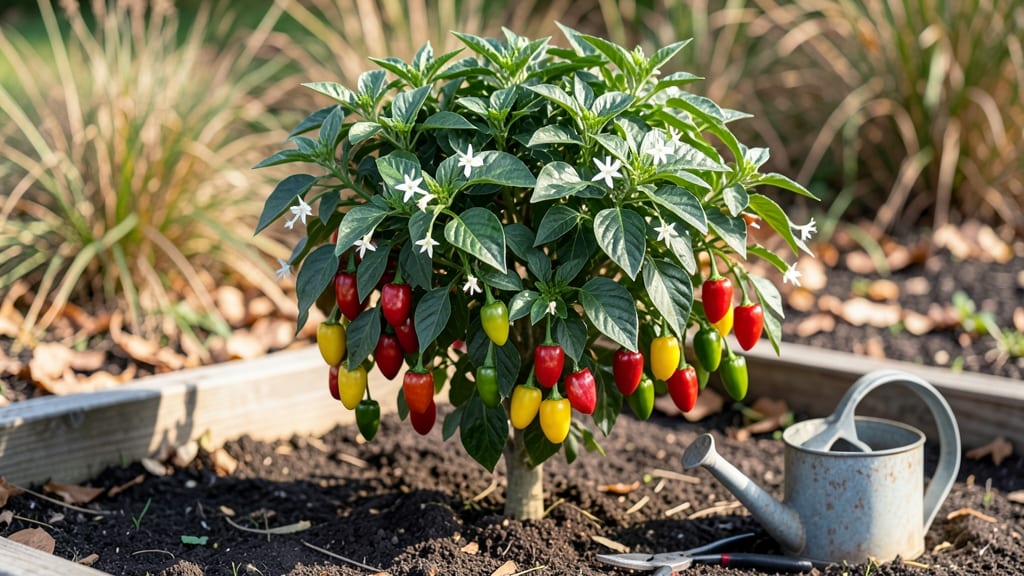
The Christmas tree pepper’s lush, cascading branches make it a standout in any garden, but its real magic happens when you prune it right. ✨ I’ve turned my sprawling bush into a year-round producer by mastering just three strategic trims—each designed to boost fruit, shape growth, and keep pests at bay.
The first cut in early spring sets the tone for the whole season.
Here’s the thing—most gardeners skip pruning because they think it’s complicated. But Christmas tree peppers thrive when you guide their growth, not fight it. You’ll need sharp pruners, a clean cloth for wiping tools, and about 20 minutes per trim.
The key is timing: late winter, mid-summer, and early fall, each serving a different purpose to keep your plant productive and compact.
What you’ll end up with is a bush so lush it looks like a miniature Christmas tree—deep green, densely packed, and dripping with peppers from spring through winter.
The first harvest after pruning is always the sweetest, and the plant’s ornamental value skyrockets when you shape it into a living centerpiece. Plus, those trims make it easier to spot pests before they become a problem.
This method works for container gardens, raised beds, or in-ground plantings, and adapts to both warm climates and cooler zones with a little extra winter care. Let’s get those pruners ready—your pepper harvest is about to get a serious upgrade.
📚 In This Guide
- What you need
- Instructions
- Tips and common mistakes
- Wrapping up and next steps
What you need
- ● Pruning shears: Sharp, sterilized bypass pruners (avoid dull tools—they crush stems). Size: 5–7 inches for precision.
- ● Gloves: Heavy-duty gardening gloves (peppers can be spicy or irritating to skin!). Bonus: Nitrile gloves if handling hot varieties.
- ● Disinfectant: 70% isopropyl alcohol or a 10% bleach-water solution (1 part bleach to 9 parts water) to sterilize tools between cuts.
- ○ Pruning sealant (optional but helpful): Tree wound paint or beeswax to protect larger cuts (e.g., if removing major branches).
- ● Trash bag or compost bin: For clippings (avoid composting diseased plant parts).
- ● Notebook & pen: To track pruning dates, notes on plant health, or harvest yields.
- ● Ladder or step stool: If your pepper plant is tall (e.g., 4–6 feet) or in a hanging basket.
- ● Plant support ties: Soft garden twine or Velcro straps to secure branches post-pruning.
- ● Spray bottle with water: To mist leaves and reduce stress on the plant during trimming.
- ● Grow lights or LED bulb: If pruning indoors and your plant needs extra light afterward.
How to prune Christmas tree peppers for continuous harvests
Mastering these three strategic cuts keeps your pepper plant lush and productive all season.
🌿 Step 1: Early Season Pruning to Shape the Plant
Start when your pepper plant reaches 12-18 inches tall—usually 4-6 weeks after transplanting. This is the moment that matters: removing the first few lower leaves and any weak side shoots. Use sterilized pruning shears to make clean cuts just above leaf nodes, never tearing the stems.
Here's the thing—you're not just tidying up. You're encouraging the plant to develop a strong, bushy structure with multiple branches. Each cut should remove no more than 25% of the plant's foliage at this stage. Focus on leaves that shade the lower stems, as sunlight here prevents fruit rot and encourages new growth.
Watch for new growth emerging from the nodes below your cuts. Within 7-10 days, you should see 1-2 new leaves sprouting from each pruned area. This confirms the plant is responding well to the stress of pruning and redirecting energy upward.
✂️ Step 2: Mid-Season Trimming for Fruit Production
About 8-10 weeks after planting, when your pepper plant is flowering heavily, shift focus to fruit-bearing branches. Remove any flowers or small peppers growing on the lower 6-8 inches of the plant—these won't ripen fully and steal energy from upper fruits. Use your fingers to gently twist off small growths or make precise cuts for larger ones.
I always prune just above a leaf node with at least two leaves—this ensures the plant has energy reserves to support new growth. Avoid cutting into woody stems; your goal is to maintain a balanced canopy where sunlight reaches all branches. You'll know you're doing it right when the plant's center stays open and air can circulate freely.
After this trim, expect to see new flower clusters forming within 2-3 weeks on the remaining branches. The plant redirects its energy to these higher-up flowers, resulting in more peppers that will ripen in time for harvest. Water deeply after pruning to help the plant recover quickly.
🌱 Step 3: Late-Season Maintenance for Winter Productivity
As temperatures drop below 55°F in fall, reduce pruning to light maintenance only. Remove only yellowing leaves and any peppers that have stopped ripening. Use your fingers to pluck these gently—no need for shears at this stage. The goal now is to keep the plant healthy through cooler months without shocking it with major cuts.
Here's where it gets fun—if your pepper plant is in a protected indoor environment (like a greenhouse or sunny windowsill), you can encourage one final flush of growth. Prune back any overly leggy stems by one-third in early winter, then provide supplemental grow lights for 12-14 hours daily. Within 4-6 weeks, you'll see new growth and even winter peppers forming.
Watch the soil closely during winter pruning. Peppers in containers dry out faster in heated indoor spaces, so check moisture every 5-7 days by sticking your finger 1 inch deep. Water only when the soil feels completely dry—overwatering in winter leads to root rot and weakens the plant before spring.
Tips & tricks for perfect Christmas tree pepper pruning
These strategic insights will help you maximize your pepper plant's productivity without stressing the plant.
Pruning Timing Precision: The 4-6 week window for early season pruning is crucial—this is when your plant has developed enough structure to handle shaping without being too young or too mature. I've found that pruning too early (before 4 weeks) can stunt growth, while waiting too long (after 6 weeks) means the plant has already developed uneven branching patterns that are harder to correct later.
Visual Growth Cues: After your initial cuts in Step 1, watch for the telltale sign of successful pruning: within 7-10 days, you should see 1-2 new leaves sprouting from each pruned node. If you don't see this growth within 2 weeks, your cuts may have been too severe or the plant wasn't healthy enough to respond. This visual confirmation is more reliable than just following a time schedule.
Mid-Season Energy Redirection: When you're removing lower flowers in Step 2, focus on creating an open center that allows sunlight to reach all branches. The plant will naturally redirect its energy to the remaining upper flowers, which is why you'll see new flower clusters forming within 2-3 weeks. This is the plant's way of telling you it's happy with the changes you've made!
Winter Light Strategy: If you're extending your pepper plant's season indoors, the 12-14 hours of supplemental grow lights is non-negotiable for winter productivity. Position the lights just above the plant's canopy (about 6-12 inches away) to prevent heat buildup, and use full-spectrum bulbs that mimic natural sunlight. This light schedule mimics the natural day length and triggers the plant's growth hormones.
Pro Tips for Christmas Tree Pepper
- These strategic insights will help you maximize your pepper plant's productivity without stressing the plant.
- Pruning Timing Precision: The 4-6 week window for early season pruning is crucial—this is when your plant has developed enough structure to handle shaping without being too young or too mature.
- Visual Growth Cues: After your initial cuts in Step 1, watch for the telltale sign of successful pruning: within 7-10 days, you should see 1-2 new leaves sprouting from each pruned node.
Frequently asked questions
Got questions about keeping your Christmas tree pepper productive and healthy? You’re not alone! Here are answers to the most common queries from gardeners—whether you’re a first-timer or a seasoned grower.
When is the best time to prune my Christmas tree pepper for maximum yield?
The three key trims work best at these stages:
- Early spring (before blooms): Remove dead or weak growth to encourage bushier, stronger plants.
- Mid-summer (after first harvest): Prune to shape and boost airflow, reducing disease risk.
- Late fall (post-first frost): Light pruning to clean up and prep for winter storage.
How long does it take for Christmas tree peppers to recover after pruning?
Recovery time varies:
- Minor trims (like deadheading): 1–2 weeks for new growth.
- Moderate pruning (removing 1/3 of foliage): 3–4 weeks for full regrowth.
- Heavy pruning (e.g., winter cleanup): 6+ weeks—patience pays off with a stronger plant next season!
Can I still harvest peppers after pruning? Will it affect flavor?
Yes! Pruning stimulates more peppers—just avoid cutting into active fruit clusters. Flavor stays consistent, but:
- Pruned plants may produce smaller but more abundant peppers.
- Stress from heavy pruning can delay harvest by 2–4 weeks.
What if I missed the pruning window? Can I still do it?
Better late than never:
- Spring/Summer: Prune anytime except during flowering—focus on shaping.
- Fall/Winter: Light pruning (remove dead branches) to prevent pests/disease.
Are there alternatives to pruning for smaller spaces or containers?
If pruning feels overwhelming, try these low-maintenance hacks:
- Topping: Cut the main stem to encourage bushier growth (great for pots!).
- Succession planting: Replace old plants with new seedlings mid-season for continuous harvests.
- Dwarf varieties: Choose compact Christmas tree peppers (like ‘Mini Christmas’) to reduce pruning needs.
Wrapping up and next steps
Mastering the art of Christmas tree pepper pruning unlocks a bountiful harvest year-round—whether you're trimming for shape, health, or productivity! 🌿 With just three key trims (spring, summer, and post-harvest), you’ll keep your plant thriving and packed with flavor.
Remember, patience and precision pay off in vibrant peppers and a thriving garden.
Ready to level up your pepper game? Grab your shears, review the steps, and start pruning with confidence. Happy gardening—your future harvests will thank you! 🌱✨