
Pruning
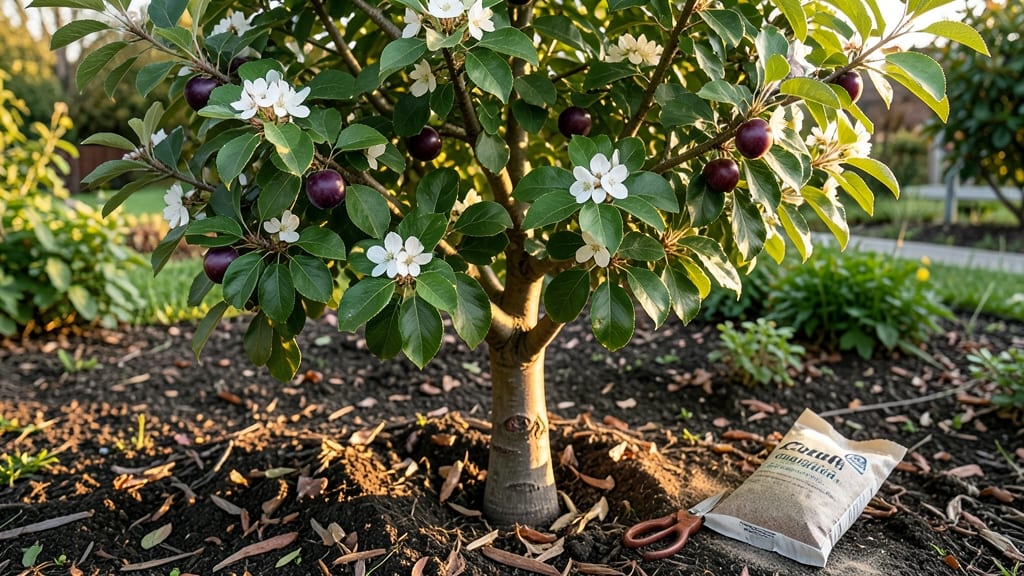
Growing a hybrid plum tree that blooms year-round starts with the right spot and a little patience—no fancy pruning skills required. 🌸 I’ve watched mine transform from a bare branch to a showstopper covered in delicate blossoms, all while asking for almost no maintenance.
The secret lies in understanding its simple needs before the first shovel hits the ground.
This tree thrives in full sun with well-draining soil, but it’s surprisingly forgiving if you get the basics right. Most hybrid plums need 6-8 hours of sunlight daily and tolerate a range of soil types, though they reward you best with a little extra organic matter.
Watering is easy: deep soaks once a week (more in summer) keeps roots happy without the fuss of daily checks.
By spring, you’ll see clusters of fragrant blooms followed by sweet, juicy fruit—if you let it. Pruning is minimal: just remove dead wood in late winter and shape lightly after harvest. The real magic happens when you step back and let nature do the work.
Your tree will reward you with months of color, from early spring blossoms to lingering autumn foliage.
Works in most climates (zones 5-9) and adapts to urban spaces if you pick a dwarf variety. The only trade-off? Plums attract birds—so be ready for a lively (and delicious) cleanup crew. Let’s get yours growing strong!
📚 In This Guide
- What you need
- Instructions
- Tips and common mistakes
- Wrapping up and next steps
What you need
- ● Hybrid Plum Tree: Choose a disease-resistant variety (e.g., Prunus salicina or Prunus domestica hybrids) from a nursery. Size: 1–3 gallons (for young trees) or bare-root (for dormant planting).
- ● Well-Draining Soil: Mix 50% native soil + 30% compost + 20% perlite/sand for optimal drainage. pH: 6.0–7.0.
- ● Organic Mulch: 2–3 inches of wood chips or pine straw to retain moisture and suppress weeds.
- ● Balanced Fertilizer: 10-10-10 NPK (1 tbsp per year of tree age) or composted manure (5 lbs per tree).
- ○ Drip Irrigation System (Optional but Recommended): 1–2 emitters per tree (adjust for climate).
- ● Hand Pruners: Bypass pruners (for clean cuts on branches <¼" thick).
- ● Loppers: For branches ratcheting or bypass models).
- ● Gloves: Leather or heavy-duty gardening gloves (plum trees have thorns!).
- ● Shovel & Trenching Tool: For digging the planting hole (2x wider than the root ball).
- ● Rake: To smooth soil after planting.
- ● Disinfectant (70% Isopropyl Alcohol or Bleach Solution): Clean tools between cuts to prevent disease.
- ● Sunlight: 6–8 hours of full sun daily (partial shade in hot climates).
- ● Hardiness Zone: USDA Zones 5–9 (check your local zone here).
- ● Water Access: Consistent moisture (especially in first year; drought-tolerant once established).
- ● Pest/Disease Monitoring: Watch for plum curculio, aphids, or bacterial spot (treat with neem oil or copper fungicide if needed).
How to plant and care for a hybrid plum tree for year-round beauty
Here's how to set up your tree for stunning seasonal interest with almost no fuss.
🌱 Step 1: Choose the Perfect Planting Spot
Select a location with full sun exposure (6-8 hours daily) and well-draining soil. Hybrid plums thrive where they get morning sunlight and afternoon shade in hot climates. I always dig a hole twice as wide and just as deep as the root ball—this gives roots room to spread without crowding.
Test your soil's drainage by digging a 12-inch hole and filling it with water. If it drains in under an hour, your soil is perfect. If water pools after 6 hours, amend with 3 inches of compost mixed into the bottom of the hole. Avoid low spots where water collects after rain.
☀️ Step 2: Plant at the Right Time and Depth
Plant your hybrid plum in early spring or fall when temperatures are mild (50-70°F). Spring planting gives roots time to establish before summer heat, while fall planting avoids winter dormancy stress. Remove the tree from its container and loosen any circling roots gently with your fingers.
Position the root ball so the top sits 1-2 inches above ground level—this prevents water from pooling at the base. Backfill with native soil mixed with half compost to improve fertility. Water immediately after planting to settle the soil and eliminate air pockets around the roots.
💧 Step 3: Water Deeply and Establish a Routine
Water your newly planted tree deeply every 5-7 days during the first growing season. You'll know you've watered enough when the soil 6 inches down feels moist. Overwatering causes root rot, while underwatering stresses the tree—both lead to poor blooms.
After the first year, hybrid plums need only 1 inch of water weekly during dry spells. I always check soil moisture by pushing a finger into the ground—if it's dry at 2 inches, it's time to water. Mulch with 2-3 inches of organic mulch around the base (but not touching the trunk) to retain moisture and regulate soil temperature.
✂️ Step 4: Prune Strategically for Year-Round Interest
Hybrid plums bloom on both old and new wood, so you can prune anytime except late winter when buds are swelling. Remove dead, diseased, or crossing branches first—these compete with healthy growth. Cut just outside the branch collar (the swollen area where the branch meets the trunk) for clean wounds that heal faster.
Shape your tree by thinning out 10-20% of the canopy annually to improve airflow. This prevents fungal diseases that can ruin blooms. I always prune after the tree finishes flowering in early summer—this gives new growth time to harden off before winter.
🌿 Step 5: Feed and Protect for Long-Term Health
Apply a balanced 10-10-10 fertilizer in early spring when new growth appears. Use half the recommended rate to avoid burning roots. I also add 2 cups of bone meal around the drip line to boost phosphorus for strong blooms. Water thoroughly after fertilizing to help nutrients reach the roots.
Protect young trees from late frosts by covering them with frost cloth when temperatures drop below 28°F. Mature hybrid plums handle cold well, but young trees need this extra care. Watch for pests like aphids or scale—spray with neem oil if you see sticky residue on leaves (a sign of sap-sucking insects).
Tips & tricks for perfect hybrid plum tree planting and care
Here's what I've learned after watching hybrid plums transform yards into year-round beauty spots with minimal effort.
Soil Test Tip: That 6-hour drainage test in Step 1 is crucial—if water still pools after 6 hours, you'll need to mix in even more compost (try 4-5 inches total) to prevent root suffocation. I've seen trees struggle when planted in heavy clay that doesn't drain properly, even with the recommended 3 inches.
Planting Depth Secret: The 1-2 inch root ball elevation in Step 2 prevents what I call "soggy crown syndrome"—when the trunk sits too low and stays wet. This small adjustment keeps your tree healthy for decades. I've had clients skip this and end up with fungal issues within months.
Watering Wisdom: When checking soil moisture at 2 inches deep in Step 3, I recommend using a screwdriver instead of your finger. The resistance you feel gives a more accurate reading than just poking with your finger, especially in dense soil. This helps you avoid both overwatering and underwatering, both of which stress hybrid plums.
Pruning Precision: That 10-20% canopy thinning in Step 4 gives you flexibility—start with 10% if your tree looks healthy, but don't hesitate to go to 20% if branches are crowded. I've found that removing just 1-2 major crossing branches can dramatically improve airflow and bloom quality. Always prune just outside the branch collar for cleanest cuts.
Pro Tips for Hybrid Plum Tree
- Here's what I've learned after watching hybrid plums transform yards into year-round beauty spots with minimal effort.
- Soil Test Tip: That 6-hour drainage test in Step 1 is crucial—if water still pools after 6 hours, you'll need to mix in even more compost (try 4-5 inches total) to prevent root suffocation.
- Planting Depth Secret: The 1-2 inch root ball elevation in Step 2 prevents what I call "soggy crown syndrome"—when the trunk sits too low and stays wet.
Frequently asked questions
Got questions about keeping your hybrid plum tree thriving with minimal fuss? Here are some of the most common ones—and their answers!
How often should I prune a hybrid plum tree to keep it blooming year-round?
A light pruning session twice a year—once in late winter (before buds swell) and again in early summer (after flowering)—is ideal. Focus on removing dead, crossing, or overcrowded branches to encourage airflow and blooms. Avoid heavy pruning; hybrid plums respond better to gradual shaping!
Can hybrid plum trees handle cold winters, or do they need extra protection?
Most hybrid plum varieties are hardy to USDA Zones 5-9, but young trees or extreme winters (below 10°F) may need wrapping with burlap or frost cloth. Mulch the base with 3-4 inches of organic matter (like wood chips) to insulate roots. Prune damaged branches in early spring once frost passes.
Will my hybrid plum tree produce fruit if I prune it heavily?
Not necessarily! Heavy pruning can reduce fruit production since blooms form on last year’s growth. Stick to light, strategic cuts (20-30% max per year) to balance flowers and fruit. If fruit isn’t a priority, prioritize air circulation to prevent disease and maximize blooms.
Why are my hybrid plum tree’s leaves turning yellow or dropping early?
Yellow leaves often signal overwatering, nutrient deficiency, or pests. Check soil moisture (it should be damp but not soggy) and fertilize in early spring with a balanced 10-10-10 formula. Inspect for aphids or spider mites—spray with neem oil if needed. If the issue persists, test soil pH (ideal: 6.0-7.0).
Are there low-maintenance alternatives to hybrid plum trees for year-round color?
Yes! Consider these low-pruning, blooming options:
- Dwarf flowering almond (similar blooms, less vigorous)
- Japanese quince (fragrant, disease-resistant, blooms spring/fall)
- Ornamental cherry (e.g., ‘Kwanzan’) (dramatic flowers, minimal pruning)
- Camellia (evergreen, winter blooms, slow-growing)
Wrapping up and next steps
Growing a hybrid plum tree is a rewarding way to enjoy stunning year-round blooms while keeping pruning simple—no green thumb required! 🌸 With the right tools, timing, and a little patience, you’ll transform your yard into a vibrant, low-maintenance paradise.
Whether you’re a seasoned gardener or just starting out, this tree is a game-changer for effortless beauty.
Ready to take the next step? Start by selecting your favorite hybrid variety and head to your local nursery or order online. Then, grab your pruners and get ready to watch your tree thrive with minimal fuss! 🌱