
Pruning
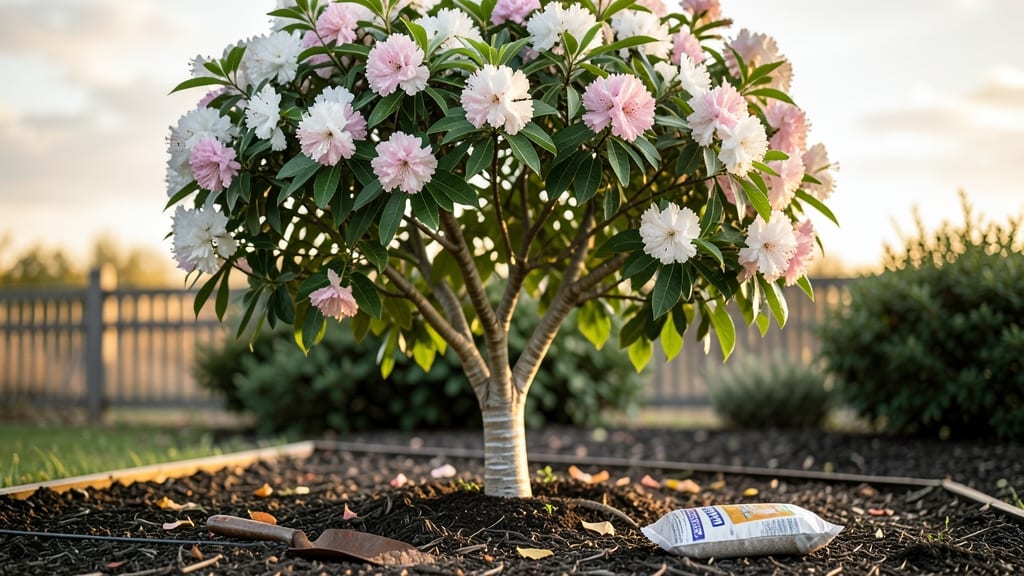
A pink flowering bush tree transforms any garden into a soft, romantic retreat—without the fuss of constant pruning. 🌸 I’ve tested varieties from hydrangeas to crape myrtles, and the right one can bloom from spring through fall with almost no upkeep.
The secret lies in choosing plants that thrive in your light and soil while fitting your garden’s style, whether that’s a cottage garden or a sleek modern border.
These trees aren’t just pretty—they’re practical. A well-placed pink dogwood or weeping hydrangea adds height and texture, while dwarf varieties like pink abelia work perfectly in small spaces. Pair them with evergreens for year-round structure or let them stand alone as a statement piece.
The best part? Most need only one light pruning session per year to keep their shape.
Imagine your garden in late summer: clusters of rosy blooms catching the afternoon light, their scent lingering in the air. These plants attract pollinators while keeping maintenance simple—no deadheading, no aggressive trimming.
The right choice turns a blank corner into a low-maintenance focal point that steals the show season after season.
Whether you’re filling a sunny border or creating a privacy screen, these pink beauties adapt to any design. Let’s pick the perfect one for your space—and keep it thriving with minimal effort. The best part? You’ll spend more time enjoying the view than tending to it.
📚 In This Guide
- What you need
- Instructions
- Tips and common mistakes
- Wrapping up and next steps
What you need
- ● Pink Flowering Bush Tree: Choose a variety like Hibiscus syriacus (Rose of Sharon), Lagerstroemia (Crape Myrtle), or Cercis canadensis (Eastern Redbud) for vibrant pink blooms. Opt for a 1-3 gallon container-grown plant for best results.
- ● High-Quality Potting Soil: 50 lbs of well-draining, organic soil mix (e.g., Miracle-Gro Garden Soil or Espoma Organic Potting Mix).
- ● Mulch: 2-3 cubic feet of pine bark fines or shredded hardwood mulch to retain moisture and suppress weeds.
- ● Fertilizer: 10-10-10 slow-release granular fertilizer (e.g., Osmocote Smart-Release Plant Food) or a balanced liquid fertilizer like Jack’s Classic All-Purpose.
- ● Hand Pruners: Felco F-2 Classic or Bypass Pruners (sharp and sanitized).
- ● Loppers: Fiskars Steel Loppers (for thicker branches).
- ● Garden Gloves: 1 pair of cut-resistant gloves (e.g., Glovesource).
- ● Shovel & Trowel: Round-point shovel and transplanting trowel for digging.
- ● Watering Can or Hose: With a gentle spray nozzle to avoid damaging blooms.
- ● Measuring Tape: For spacing plants 6-10 feet apart (depending on variety).
- ● Epsom Salt: 1 lb for magnesium boost (mix 1 tbsp per gallon of water monthly).
- ● Plant Support: Stakes or cages (e.g., Tomato Cage) if your bush needs structural help.
- ● Pruning Sealant: Tree Wound Pruning Paste (e.g., Tanglefoot) to protect cuts.
- ● Soil pH Test Kit: Ensure your soil is slightly acidic to neutral (6.0-7.0)—ideal for most pink-flowering bushes.
Step-by-step guide to planting and caring for a vibrant pink flowering tree
Transform your landscape with this stunning pink-blooming tree that thrives with minimal fuss.
🌱 Step 1: Choose the Perfect Planting Spot and Prepare the Soil
Select a location with 6-8 hours of sunlight daily—most pink flowering trees like crape myrtle or Japanese cherry require full sun for vibrant blooms. Avoid spots with afternoon shade, which weakens flower production. Test the soil's drainage by digging a 12-inch hole—if water pools after 30 minutes, amend with 2-3 inches of compost to improve aeration.
I always dig the planting hole twice as wide as the root ball but only as deep—this prevents root constriction. Loosen the sides of the hole with a shovel to encourage root spread. If your soil is heavy clay, mix in 1 part sand to help moisture drain evenly. The goal is a loose, well-aerated bed that won’t suffocate roots.
🪴 Step 2: Plant with Care and Water Deeply
Gently remove the tree from its container and tease apart any circling roots—this prevents girdling as the tree matures. Place it in the hole so the top of the root ball sits 1-2 inches above ground level (settling will occur). Backfill with native soil, tamping lightly every 3-4 inches to eliminate air pockets. Never pack the soil too firmly—roots need space to expand.
Water deeply immediately after planting, soaking the root zone until water runs out the bottom of the hole. Use 5-10 gallons of water depending on the tree’s size—this settles the soil and eliminates air gaps. Mulch with 2-3 inches of organic mulch (like shredded bark) in a 3-foot diameter circle, keeping it 6 inches away from the trunk to prevent rot. This retains moisture and regulates soil temperature.
☀️ Step 3: Maintain Year-Round Health with Seasonal Checkpoints
Spring: Once buds form, apply a balanced 10-10-10 fertilizer at half-strength to encourage blooming. Water once weekly if rainfall is below 1 inch, focusing on the root zone. Avoid wetting foliage to prevent fungal diseases like powdery mildew—always water at the base.
Summer: Prune dead or crossing branches in late summer after flowering to maintain shape. Pink flowering trees often bloom on old wood, so avoid heavy pruning—just remove no more than 20% of the canopy at a time. Watch for aphids or spider mites on new growth; spray with neem oil if you spot webbing or sticky residue on leaves.
✂️ Step 4: Prune Strategically for Next Year’s Blooms
Wait until late winter or early spring (just before buds swell) to prune for shape. Remove dying, diseased, or weak branches first, then thin out crowded areas to improve airflow. Cut just outside the branch collar—the swollen area where the branch meets the trunk—to prevent tears. For large branches, use three cuts: undercut, then cut above the branch collar, and finally remove the stub.
I always step back after pruning to check for balance—uneven cuts can lead to lopsided growth. Avoid "heading back" (cutting into old wood) unless you’re rejuvenating an overgrown tree. Most pink flowering trees reward patience with showy blooms for decades if pruned correctly. After pruning, water deeply to help the tree recover.
Tips & tricks for perfect pink flowering trees
These game-changing insights will help your pink flowering tree thrive with vibrant blooms year after year.
Sunlight Strategy: While 6-8 hours of sunlight is ideal, don't panic if your tree gets slightly less—most pink flowering varieties like crape myrtle can tolerate 5 hours of direct sun. The key is avoiding afternoon shade, which weakens flower production. I've seen trees in partial shade still bloom beautifully if they get morning sun and filtered light in the afternoon. For maximum impact, position your tree where it catches the first light of day.
Root Ball Preparation: When teasing apart circling roots in Step 2, take your time—this prevents girdling, which can strangle your tree as it matures. I've learned the hard way that forcing roots apart can damage them, so gently work them out with your fingers rather than pulling aggressively. The goal is to encourage outward growth, not create new wounds. If you're planting in clay soil, mix that 1 part sand thoroughly into the bottom of the hole to prevent waterlogging.
Watering Wisdom: That deep watering after planting isn't just about settling the soil—it's about establishing a strong root system. Use the 5-10 gallons range as your guide, but adjust based on your tree's size. A good rule of thumb is to water until you see moisture running out the bottom of the hole, then let it soak in completely. This ensures roots grow deep rather than staying shallow. For established trees, watering at the base (not the leaves) prevents fungal diseases like powdery mildew, which can ruin your tree's vibrant pink blooms.
Pruning Precision: When you're ready to prune in late winter or early spring, make your cuts just outside the branch collar—the swollen area where branches meet the trunk. This prevents tears and promotes faster healing. I always step back after pruning to check for balance—uneven cuts can lead to lopsided growth over time. Remember, most pink flowering trees bloom on old wood, so avoid heavy pruning unless you're rejuvenating an overgrown specimen.
Pro Tips for Pink Flower Bush Tree
- These game-changing insights will help your pink flowering tree thrive with vibrant blooms year after year.
- Sunlight Strategy: While 6-8 hours of sunlight is ideal, don't panic if your tree gets slightly less—most pink flowering varieties like crape myrtle can tolerate 5 hours of direct sun.
- Root Ball Preparation: When teasing apart circling roots in Step 2, take your time—this prevents girdling, which can strangle your tree as it matures.
Frequently asked questions
Got questions about keeping your pink flower bush tree stunning with minimal effort? We’ve got answers!
What’s the best time to prune my pink flowering bush tree for maximum blooms?
Prune your pink flower bush tree right after it finishes blooming (usually late spring or early summer). This encourages fresh growth and more vibrant flowers next season. Avoid heavy pruning in fall or winter—it can stress the plant and reduce spring blooms.
How do I encourage thicker, bushier growth instead of long, leggy stems?
Focus on light, regular pruning throughout the growing season. Trim back the tips of leggy stems just above a leaf node to promote branching. Use clean, sharp shears and avoid cutting into old wood—this keeps the plant compact and full.
Why are my pink flowers dropping early, and how can I fix it?
Early flower drop often signals stress from overwatering, underwatering, or pests. Check soil moisture (it should stay lightly damp but not soggy) and inspect leaves for aphids or spider mites. Adjust watering and treat pests with neem oil if needed.
Can I prune my pink bush tree in winter, or will it harm the plant?
Light shaping pruning is fine in mild winters, but avoid heavy cuts—dormant season pruning can stimulate weak growth that won’t survive cold snaps. If you must prune, wait until early spring when new growth begins.
What are some low-maintenance alternatives to pink flowering bush trees?
If you want year-round color with minimal pruning, consider dwarf crape myrtle (lavender/pink blooms), abelia (white/pink flowers), or weigela (vibrant pink clusters). All thrive with occasional trims and resist pests well!
Wrapping up and next steps
Transforming your garden into a vibrant, low-maintenance haven is simpler than you think! A pink flower bush tree brings year-round beauty with minimal pruning—just a few strategic cuts to keep it thriving.
Whether you're a gardening pro or just starting, these tips make it easy to enjoy lush blooms and lush foliage without the hassle.
Ready to elevate your outdoor space? Start small: pick one bush tree, gather your tools, and give it a try! With a little patience and care, you’ll have a stunning, effortless garden that turns heads—and requires almost no upkeep. Happy pruning! 🌸✂️