
Pruning
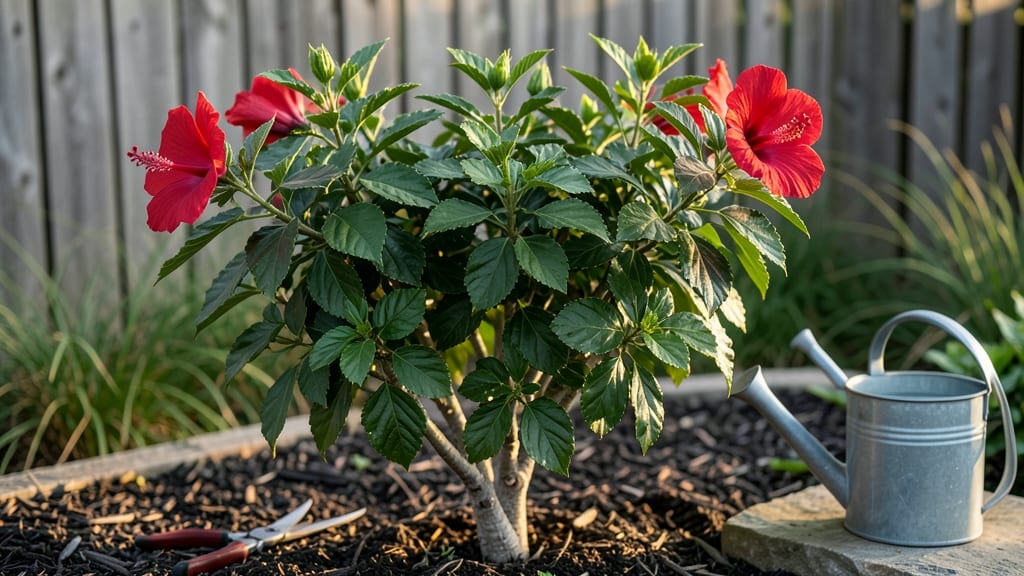
The Red Tree Rose of Sharon transforms from a scraggly shrub into a burst of vibrant red blooms with just three strategic cuts each year. I’ve watched mine go from sad and sparse to a showstopper in my front yard—all because I learned when and how to prune it.
The secret isn’t complicated: timing matters most, and a little annual maintenance keeps it blooming like crazy.
This hardy hibiscus thrives in full sun and tolerates poor soil, but it does need those three simple cuts to stay compact and flower-heavy. Start by removing dead or crossing branches in late winter, then shape it after blooming season.
The key is to cut back one-third of the oldest stems each year—no need for fancy tools, just sharp pruners and a clear vision of the shape you want.
What you’ll end up with is a lush, bushy shrub covered in red flowers from midsummer through fall. Neighbors will ask how you did it—it’s that foolproof. Plus, the more you prune, the more it rewards you with bigger blooms and stronger growth.
Even my first attempt (which looked a little messy) still produced flowers by July.
Works in zones 5-9, handles drought once established, and even attracts hummingbirds. The only real mistake? Waiting too long to prune. Start now, and you’ll have a year-round blooming star before you know it.
📚 In This Guide
- What you need
- Instructions
- Tips and common mistakes
- Wrapping up and next steps
What you need
Ready to give your Red Tree Rose of Sharon (Hibiscus syriacus) the pruning TLC it deserves? Here’s everything you’ll need to tackle the job like a pro—whether you’re trimming for shape, health, or those stunning blooms! 🌸✂️
📋 Required Materials & Tools
- Pruning shears – Bypass pruners (sharp, clean, and bypass-style for clean cuts; avoid anvil pruners).
- Loppers – For thicker branches (1–2 inches in diameter); ratchet-style for extra leverage.
- Hand pruners – For smaller stems and deadheading (optional but handy).
- Gloves – Garden gloves (cut-resistant if your shrub has thorns).
- Disinfectant – Rubbing alcohol (70%+) or bleach solution (1:9 water ratio) to sterilize tools between cuts.
- Rake or tarp – To collect debris and clear the work area.
- Marking twine or spray paint – For labeling branches to prune (if needed for complex shaping).
🌿 Optional (But Helpful!) Extras
- Pruning saw – For stubborn, thick branches (3+ inches).
- Hose or water spray bottle – To clean tools mid-pruning and rinse sap off cuts.
- Pruning sealant – Only for large wounds (e.g., 2+ inches); use sparingly if at all.
- Notebook & pen – To sketch your shrub’s shape or track pruning progress.
- Safety glasses – If working with thorny varieties or overhead branches.
Pro tip: 💡 Timing matters! Prune your Red Tree Rose of Sharon right after blooming (late summer/early fall) for next year’s flowers. Avoid heavy pruning in late fall/winter—it stresses the plant! ❄️✨
How to prune Red Tree Rose of Sharon for continuous blooms
Three clean cuts will keep your shrub lush and flowering all season long.
Prune Immediately After Spring Blooms
Wait until 2-3 weeks after the last spring bloom has faded—this is your first critical window. Use clean, sharp pruning shears to remove about one-third of the oldest stems at the base. These are the thickest, woody branches that bloomed last year. Cut just above a healthy bud or lateral branch, making the cut at a 45-degree angle to prevent water pooling.
Here's the thing—you're not just cutting back for shape. Removing these old stems forces new growth from the base, which produces next year's flowers. I like to work on a dry morning when the plant is fully hydrated; the stems are easier to see and less likely to split. If you notice any dead or diseased stems, remove those first—they'll sap energy from the healthy growth.
Light Summer Trim to Encourage New Growth
About 6-8 weeks after the first cut, give your shrub a second light trim. This time, focus on shaping and thinning the center. Remove any crossing branches that rub together or grow inward—they'll create weak spots and invite pests. Cut back any leggy growth by one-third, always cutting just above an outward-facing bud.
You'll see new shoots emerging from the base within 2-3 weeks of this trim. These are your future blooms. If your shrub looks crowded, thin out the center by 20-30% to improve airflow. Good airflow means fewer fungal diseases and happier flowers. I always prune on a cloudy day to reduce stress on the plant—sunlight can be harsh right after cutting.
Final Fall Cleanup for Winter Readiness
After the last flush of fall blooms, do one final cleanup. Remove any dead, damaged, or weak stems completely. For the remaining branches, cut back by another one-third to encourage compact growth next spring. This is also the time to remove any suckers growing at the base—these are vigorous but weak stems that won't produce quality blooms.
Don't skip this step, even if your shrub looks fine. Pruning now prevents a buildup of old wood that can harbor pests and diseases over winter. I like to sterilize my shears with rubbing alcohol between cuts to prevent spreading any potential infections. Once done, give the base a light mulch layer to protect the roots from winter temperature swings.
Tips & tricks for perfect Red Tree Rose of Sharon pruning
These simple strategies will help you maintain your shrub's health and beauty with minimal effort.
Timing is Everything: The 2-3 week window after spring blooms is crucial—don't rush it. If you prune too early, you might cut off next year's flower buds that are already forming. I've learned this the hard way after accidentally pruning too soon and seeing fewer blooms the following year. Mark your calendar right after the last spring bloom fades to remember this important deadline.
Tool Prep Matters: Sterilizing your pruning shears between cuts is more important than you might think. I keep a small bottle of rubbing alcohol handy and wipe down my shears after every 3-4 cuts, especially when dealing with diseased stems. This simple step prevents spreading fungal infections throughout your shrub. Also, make sure your shears are sharp—dull blades crush stems instead of making clean cuts, which can damage the plant.
Visual Cues for Pruning: When cutting back leggy growth in Step 2, look for outward-facing buds—they'll grow away from the center, creating a fuller shrub. I like to imagine the plant as a tree with a natural, open canopy. If you're unsure which buds are facing outward, gently bend the branch—the bud on the outside of the bend is your target. This technique helps create that beautiful, rounded shape that's so characteristic of healthy Rose of Sharon shrubs.
Seasonal Maintenance: The fall cleanup is often overlooked, but it's vital for winter readiness. After removing dead stems, give your shrub's base a 2-3 inch layer of mulch. This protects the roots from temperature fluctuations and retains moisture. I've noticed my pruned shrubs recover faster from winter with this simple protective layer—it's like giving your plant a cozy blanket for the cold months.
Pro Tips for Red Tree Rose Of Sharon
- These simple strategies will help you maintain your shrub's health and beauty with minimal effort.
- Timing is Everything: The 2-3 week window after spring blooms is crucial—don't rush it. If you prune too early, you m...
- Tool Prep Matters: Sterilizing your pruning shears between cuts is more important than you might think. I keep a smal...
Frequently asked questions
Got questions about keeping your Red Tree Rose of Sharon (Hibiscus syriacus) blooming beautifully year after year? Here are answers to the most common ones—plus a few pruning pro tips!
When is the best time to prune my Red Tree Rose of Sharon?
The ideal time is late winter or early spring (before new growth starts), but you can also prune lightly after blooming to encourage more flowers. Avoid heavy pruning in fall—it can stunt growth before winter. Pro tip: If you missed the spring window, a light shape-up in summer won’t hurt!
Should I prune in winter? What about after a freeze?
Pruning in winter is not recommended unless you’re in a mild climate (Zone 7+). Cold stress weakens the plant. After a freeze, wait until consistent daytime temps above 50°F (10°C) before pruning. Focus on removing dead or damaged branches first—this helps the plant recover faster.
How much can I cut back? Will it die if I prune too hard?
Red Tree Rose of Sharon is tough—you can cut back up to one-third of the plant’s height without harm. For dramatic blooms, aim for 20-30% reduction in late winter. If you prune too aggressively (e.g., cutting back to the ground), it’ll take longer to recover but won’t die. Just be patient!
Why isn’t my Red Tree Rose of Sharon blooming after pruning?
Lack of blooms often means old wood isn’t being stimulated or the plant needs more sunlight. Ensure you’re pruning just above a leaf node (where new growth starts) and that it gets 6+ hours of sun daily. Over-fertilizing with nitrogen (which promotes leaves, not flowers) can also be the culprit. Try a balanced bloom booster fertilizer in spring.
Can I prune for shape instead of strict blooming cuts?
While heading back (cutting just above a leaf) encourages blooms, you can also thin out crowded branches to improve airflow and sunlight penetration. For a tree-like shape, remove lower branches to create a trunk. Just avoid cutting into old, woody stems—focus on younger growth for best results.
What if pests or diseases appear after pruning?
Pruning opens the plant to aphids, spider mites, or fungal issues like powdery mildew. If you spot problems, sterilize tools with rubbing alcohol before pruning. Treat pests with neem oil or insecticidal soap, and improve airflow by thinning dense areas. For mildew, apply a fungicide and avoid overhead watering.
Wrapping up and next steps
The Red Tree Rose of Sharon is a stunning, low-maintenance plant that rewards you with vibrant blooms when you give it just a little attention. With the right pruning techniques—like the three simple cuts we’ve shared—you can keep your shrub lush, healthy, and bursting with color year after year. 🌸
Ready to transform your garden? Grab your pruners, pick a sunny day, and get started! Your future blooms will thank you.