Pruning
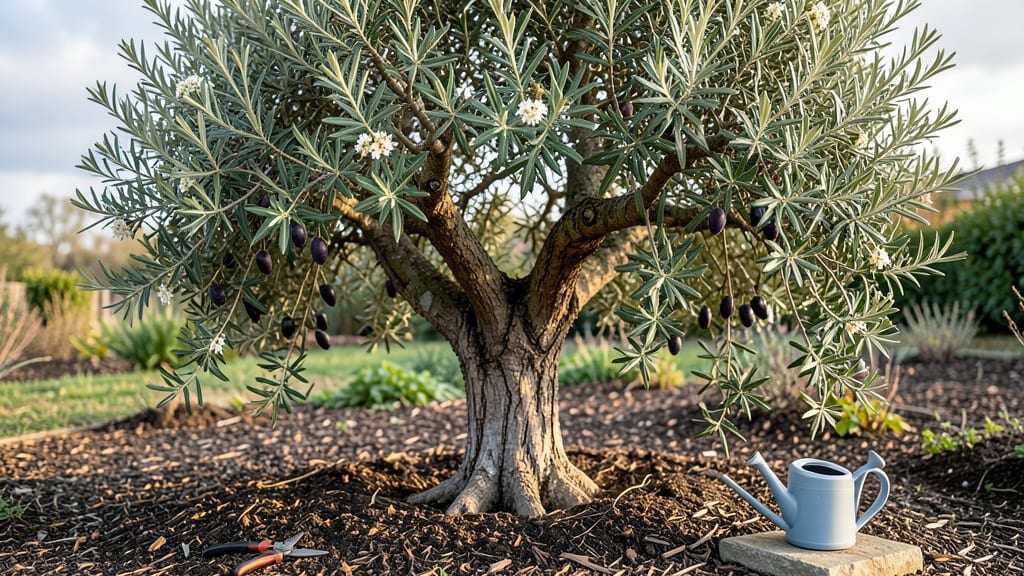
An olive tree in your front yard isn’t just a statement—it’s a year-round privacy screen that stays lush when so many plants go dormant. I planted mine along the driveway edge, and now neighbors get a glimpse of silvery-green elegance instead of my laundry line.
The key? Choosing a variety that thrives in your zone (like Arbequina for cooler climates or Manzanillo for heat) and giving it room to spread its graceful branches.
This isn’t a high-maintenance diva plant—just three seasonal tasks: a light prune in late winter to shape growth, watering only when the top inch of soil dries (once established), and an occasional spray for scale if you notice sticky leaves.
The real magic is how it transforms curb appeal: silvery foliage in summer, golden fruit in fall, and bare branches with character in winter. Plus, it attracts birds and butterflies year-round.
Pair it with drought-tolerant ground covers like lavender or ice plants to soften the base, and you’ve got a Mediterranean-inspired look that works in zones 7-10 (with winter protection in colder areas).
The tree’s natural shape means less pruning than manicured hedges, and its height (15-25 feet) blocks views without blocking sunlight for your lawn. Think of it as a living sculpture that pays dividends in privacy and beauty.
Here’s the secret weapon: plant it near a south-facing wall or fence to maximize sunlight (olives need at least 6-8 hours daily). In colder zones, choose a dwarf variety like Little Ollie and group it with other evergreens like boxwood or holly for extra winter interest.
The result? A front yard that looks intentional all year, with almost no upkeep. Ready to make that curb envy-worthy?
📚 In This Guide
- What you need
- Instructions
- Tips and common mistakes
- Wrapping up and next steps
What you need
- ● Olive trees: 3–5 mature Olea europaea trees (6–10 ft tall, spaced 6–10 ft apart for dense growth). Choose dwarf varieties (like ‘Arbequina’ or ‘Frantoio’) for smaller yards.
- ● Soil amendments: 50 lbs compost or well-rotted manure per tree
- ● 10 lbs slow-release fertilizer (10-10-10 or olive-specific blend)
- ● Mulch: 2–3 inches of wood chips or straw (cover the root zone, not the trunk)
- ○ Drip irrigation system: Optional but highly recommended for drought-prone areas (olives hate soggy roots!).
- ● Pruning tools: 1 pair bypass pruners (for small branches)
- ● 1 pruning saw (for thick limbs)
- ● 1 ladder (extendable, 10–12 ft for mature trees)
- ● Safety gear: Work gloves (cut-resistant)
- ● Safety glasses
- ● Ear protection (if using a chainsaw for large branches)
- ● Planting supplies: Shovel or tree spade
- ● Wheelbarrow (for soil/amendments)
- ● Location: Full sun (6+ hours daily) and well-draining soil. Test soil pH (ideal: 6.0–8.0).
- ● Timing: Planting: Early spring or fall (avoid summer heat).
- ● Pruning: Late winter/early spring (before new growth).
- ○ Optional upgrades: Tree stakes (for young trees in windy areas)
- ● Soil moisture meter (olives tolerate drought but hate overwatering!)
- ● Decorative rocks (for a polished Mediterranean look)
How to plant and maintain olive trees for a stunning front yard privacy screen
Here's my foolproof approach to creating a lush, evergreen screen that thrives with minimal effort.
🌱 Step 1: Choose the Right Variety and Planting Location
For front yard privacy, select a dwarf olive tree variety like 'Arbequina' or 'Little Ollie' that stays under 12 feet tall but still provides dense foliage. These varieties are cold-hardy down to 15°F, making them perfect for most climates. Plant in full sun—at least 6-8 hours daily—for best growth and fruit production if you choose a fruiting variety.
Olives thrive in well-draining soil with a pH between 6.0 and 8.0. If your soil is heavy clay, amend it with 3 cubic yards of compost mixed into the top 12 inches of soil before planting. This improves drainage and provides essential nutrients for the first few years. Test your soil first—olives hate soggy roots, and poor drainage is their #1 killer.
🪴 Step 2: Dig Holes and Plant at the Correct Depth
Dig a hole twice as wide as the root ball but only as deep as the container the tree came in. Olive trees have shallow roots, so planting too deep suffocates them. Gently remove the tree from its container and loosen any circling roots with your fingers—this encourages outward growth instead of a tangled root ball.
Place the tree in the hole so the top of the root ball sits 1-2 inches above ground level. This prevents water from pooling around the trunk. Backfill with native soil mixed with 1 gallon of slow-release fertilizer (10-10-10 ratio works well). Water deeply right after planting to settle the soil and eliminate air pockets. You'll know it's done correctly when water drains through the hole within 15-20 minutes.
☀️ Step 3: Water and Mulch for Long-Term Health
Water newly planted olive trees deeply 2-3 times per week for the first month, then taper to once a week once established. Olive trees are drought-tolerant once mature, but young trees need consistent moisture. Water at the drip line (the edge of the tree's canopy) to encourage deep root growth. Avoid wetting the leaves to prevent fungal diseases like peacock spot.
Apply 3 inches of mulch (wood chips or gravel) around the base, keeping it 6 inches away from the trunk to prevent rot. Mulch conserves moisture, regulates soil temperature, and reduces weed competition. Refresh the mulch layer annually in late winter before new growth begins. This simple step cuts watering needs in half once the tree matures.
✂️ Step 4: Prune for Shape and Airflow
Prune olive trees once a year in late winter or early spring before new growth starts. Remove any dead, diseased, or crossing branches first—these are easy to spot as they stand out from the healthy green foliage. Then, shape the tree by cutting back 1/3 of the new growth from the previous year to encourage bushier growth and better airflow.
Olives grow slowly, so you won't need heavy pruning often. Focus on opening the center of the tree to let sunlight reach the inner branches. This prevents fungal issues and ensures even growth throughout the canopy. Avoid heavy pruning in summer—it stresses the tree and makes it more susceptible to heat damage.
⏰ Step 5: Fertilize and Monitor for Pests
Fertilize olive trees twice a year: once in early spring and again in mid-summer. Use a balanced fertilizer (like 10-10-10) at half the recommended rate—olives are sensitive to over-fertilizing, which can lead to leaf burn. Scratch the fertilizer into the soil around the drip line, then water deeply to help it dissolve and reach the roots.
Watch for common pests like olive fruit fly or scale insects, which thrive in dry conditions. A strong tree with proper watering and mulching rarely has issues, but if you spot pests, treat with neem oil or insecticidal soap as needed. Healthy olive trees are naturally resistant, so focus on prevention through good cultural practices.
Tips & tricks for perfect olive tree front yard privacy
Creating a stunning olive tree privacy screen takes thoughtful planning—and these simple tricks will help you avoid common pitfalls while maximizing your trees' potential.
Variety Selection: When choosing between 'Arbequina' and 'Little Ollie', consider your climate. 'Arbequina' handles cooler temperatures better, while 'Little Ollie' grows slightly faster. For maximum privacy, plant trees 6-8 feet apart—their mature width of 12 feet will create an unbroken screen. I always opt for multiple varieties to ensure consistent foliage year-round, as some varieties may drop leaves in winter.
Soil Preparation: The 3 cubic yards of compost mixed into the top 12 inches of soil isn't just about drainage—it's about creating the perfect environment for those shallow olive roots. If you're unsure about your soil's pH, pick up a simple test kit from your local garden center. Olives tolerate a wide pH range, but that 6.0-8.0 sweet spot ensures optimal nutrient uptake. For clay-heavy soils, I recommend adding a layer of coarse sand to the bottom of the planting hole before adding your amended soil.
Watering Strategy: Those first 30 days are critical—the 2-3 times per week watering schedule prevents transplant shock. Here's a pro tip: Use a soaker hose at the drip line to deliver water directly to the roots without wetting the leaves. This prevents fungal diseases while ensuring even moisture distribution. Once established, you'll notice the trees' drought tolerance kicks in, but maintaining that weekly watering routine for the first year makes all the difference in long-term health.
Pruning Timing: The late winter/early spring pruning window is non-negotiable for olive trees. This timing allows you to shape the tree before new growth begins, while avoiding summer stress. I always prune just before the first signs of bud swell—you'll know it's the right time when you see tiny green buds forming at the branch tips. This precise timing ensures your pruning cuts heal quickly and encourages vigorous new growth.
Pro Tips for Olive Tree Front Yard
- Creating a stunning olive tree privacy screen takes thoughtful planning—and these simple tricks will help you avoid common pitfalls while maximizing your trees' potential.
- Variety Selection: When choosing between 'Arbequina' and 'Little Ollie', consider your climate.
- Soil Preparation: The 3 cubic yards of compost mixed into the top 12 inches of soil isn't just about drainage—it's about creating the perfect environment for those shallow olive roots.
Frequently asked questions
Got questions about creating a stunning olive tree front yard privacy screen?
You’re not alone! Here are answers to the most common queries—from planting tips to long-term care.
How long does it take for an olive tree to grow into a privacy screen?
Olive trees grow slowly but steadily—expect about 3–5 feet of height per year under ideal conditions. For a 6–8-foot privacy screen, plan for 5–10 years of growth. Dwarf varieties may reach maturity faster (3–5 years), but they’ll stay smaller. Patience pays off with their durable, lush foliage!
Can olive trees survive cold winters in my yard?
Most olive trees (Olea europaea) thrive in USDA Zones 8–11. If you’re in Zone 7 or colder, opt for cold-hardy varieties like ‘Arbequina’ or ‘Frantoio’, which tolerate brief dips to 15–20°F. Mulch heavily and water deeply before winter to protect roots. For harsher climates, consider container-growing or a greenhouse!
How often should I prune my olive tree for a neat privacy screen?
Prune once a year in late winter or early spring (before new growth starts) to shape your tree. Focus on removing dead, crossing, or overcrowded branches. Avoid heavy pruning—olive trees bloom on old wood, so limit cuts to 25% of the canopy per year. Use sterilized tools to prevent disease, and seal larger cuts with pruning sealant.
Do olive trees need a lot of water, or are they drought-tolerant?
Once established (2–3 years old), olive trees are drought-tolerant but prefer well-draining soil. Water deeply 1–2 times per week during the first year, then reduce to every 2–3 weeks (more in extreme heat). Overwatering causes root rot—let the soil dry out between waterings. Mulch around the base to retain moisture and regulate temperature.
What are some low-maintenance alternatives to olive trees for privacy?
If olive trees don’t suit your climate or space, try these low-maintenance options:
- Lavender bushes – Fragrant, drought-resistant, and thrive in full sun.
- Rosemary hedges – Evergreen, aromatic, and great for culinary use.
- Boxwood shrubs – Classic, dense, and easy to trim into shapes.
- Russian olive (Elaeagnus angustifolia) – Hardy, fast-growing, and tolerates poor soil.
- Privet hedges – Budget-friendly and quick to establish.
Each offers privacy, beauty, and minimal upkeep—choose based on your zone and sunlight!
Wrapping up and next steps
Transforming your front yard with an olive tree privacy screen isn’t just about aesthetics—it’s a low-maintenance, year-round investment in beauty and tranquility. 🌿 From selecting the right variety to mastering pruning techniques, you now have the tools to cultivate a lush, thriving screen that stands the test of seasons.
Ready to roll up your sleeves? Start by marking your calendar for your first pruning session—spring is the perfect time to shape your trees and set them up for success!
Pro tip: Snap a photo of your progress to track growth and celebrate how far you’ve come! 📸✨