
Pruning
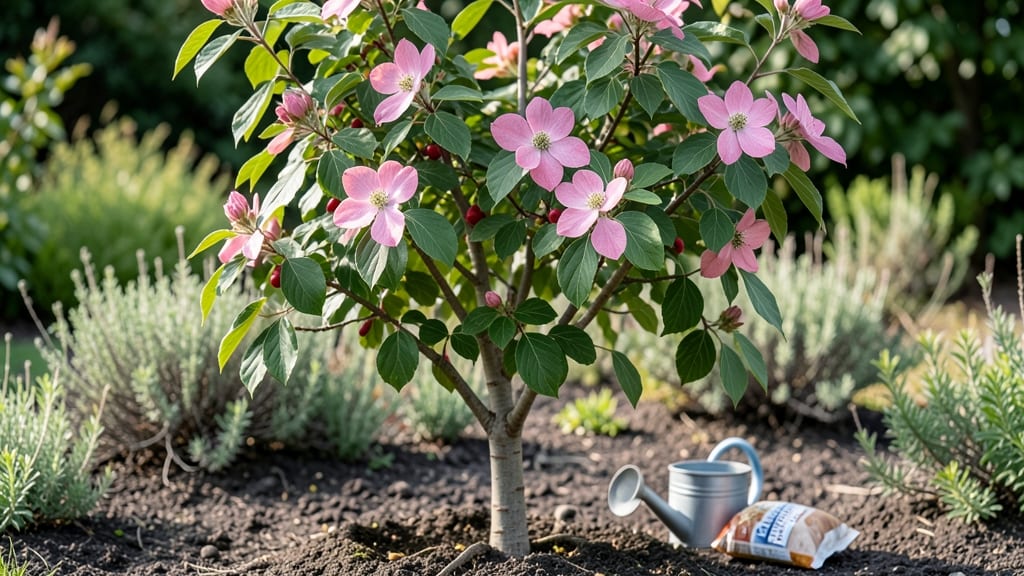
A small pink dogwood tree can transform your garden into a springtime dream—just give it the right care, and it’ll reward you with those stunning blooms year after year. 🌸 I planted mine five years ago, and every... winter I watch the buds swell, knowing that with the right pruning, I’ll get another season of those soft pink blossoms that brighten up the yard.
The secret to keeping your small pink dogwood thriving isn’t complicated—just a few key steps. You’ll need well-draining soil, morning sun with afternoon shade, and a watering routine that mimics natural rainfall.
Most gardeners overlook pruning, but that’s where the magic happens: removing dead wood in late winter and shaping the tree in early spring ensures those blooms come back bigger and brighter every year.
What you’ll end up with is a tree that looks like it belongs in a botanical garden, not just your backyard. The blooms arrive reliably, the foliage stays lush, and the tree’s compact size makes it perfect for small spaces.
Even in hot summers, it handles the heat better than many ornamental trees, as long as you keep the soil moist but not soggy.
Whether you’re planting a young sapling or pruning an established tree, this guide covers all the seasonal adjustments you’ll need. From winter dormancy to summer watering, I’ve got you covered—so you can enjoy those pink blooms for decades to come.
📚 In This Guide
- What you need
- Instructions
- Tips and common mistakes
- Wrapping up and next steps
What you need
- ○ Pruning shears: Bypass pruners (sharp, clean, and sterilized with rubbing alcohol or bleach). Optional: Loppers for thicker branches.
- ● Hand pruners: Small, comfortable pair for precision cuts (e.g., Felco or Corona).
- ● Garden gloves: Heavy-duty, cut-resistant (e.g., Mechanix or Wolverine) to protect from thorns and debris.
- ● Disinfectant: 1-part bleach to 9-parts water (for sterilizing tools between cuts).
- ○ Pruning sealant: Tree wound dressing (e.g., Tanglefoot Tree Wound Pruning Seal) for large cuts (optional but helpful for disease prevention).
- ● Ladder or step stool: Sturdy, extendable (6–8 ft) for reaching higher branches safely.
- ● Trash bags: Heavy-duty (10–20 gallon) for collecting pruned branches and debris.
- ● Notebook & pencil: To sketch a quick map of cuts or note growth patterns.
- ● Timing: Prune after flowering (late spring to early summer) to avoid cutting off next year’s blooms.
- ● Weather: Choose a dry, overcast day to prevent stress on the tree.
- ● Safety gear: Safety glasses (to shield from debris) and closed-toe shoes.
- ● Tree health check: Inspect for pests/diseases (e.g., powdery mildew, borers) before pruning.
- ● Water: 5-gallon bucket with water + a sponge (to clean tools mid-pruning).
How to prune a small pink dogwood tree for year-round blooms
Here’s the pruning method I’ve used to keep my pink dogwoods flowering beautifully—even in cooler months.
✂️ Step 1: Time Your Pruning for Maximum Blooms
Prune your dogwood right after it finishes flowering in late spring—this gives the tree time to set next year’s buds before winter. If you prune too late in the season, you risk cutting off next year’s flowers. I always mark my calendar for mid-June in my climate zone, but adjust based on when your blooms fade.
Here’s the thing—dogwoods bloom on old wood, meaning last year’s growth produces this year’s flowers. So, avoid heavy pruning in winter or early spring. You’ll know you’ve timed it right when new growth appears by mid-summer, signaling the tree is happy and ready for more shaping.
✂️ Step 2: Remove Dead, Damaged, or Crossing Branches First
Start by inspecting your tree for dead branches—these are easy to spot because they’re dry, brittle, and often dark brown or gray. Use sharp pruning shears to cut these back to the main trunk or a healthy lateral branch. I like to make clean cuts just outside the branch collar (the swollen area where the branch meets the trunk) to prevent disease.
Next, look for branches that cross or rub against each other. These will eventually tear and create entry points for pests or disease. Remove the smaller of the two branches at its base. You’ll see a noticeable improvement in the tree’s shape and airflow after this step—your dogwood will thank you with fewer issues down the line.
✂️ Step 3: Thin the Canopy to Improve Airflow and Light
Dogwoods naturally grow with a dense canopy, but too much thickness can lead to fungal diseases like powdery mildew. Aim to thin the interior by 20-30% to let light and air circulate. Start at the bottom and work your way up, removing branches that grow inward or downward. These are the ones blocking sunlight from reaching the inner branches.
I like to step back every few cuts to visualize the tree’s shape. You’re not trying to turn it into a topiary—just open it up so the center isn’t too crowded. A well-thinned dogwood will have a more balanced, natural look and produce more vibrant blooms.
✂️ Step 4: Shape the Tree for a Full, Balanced Appearance
Now it’s time to refine the tree’s form. Focus on maintaining a rounded, vase-like shape that’s wider at the bottom and narrower at the top. Start with the lower branches—these should be slightly longer to create a full base. Gradually shorten branches as you move upward, but never cut back more than one-third of the branch length in a single pruning session.
Use hand pruners for smaller branches and loppers for thicker ones. Make cuts at a 45-degree angle just above a outward-facing bud or lateral branch. This encourages new growth in the right direction. After shaping, your dogwood should look fuller and more structured—like it’s ready for its close-up in a garden photo.
💧 Step 5: Clean Up and Monitor for New Growth
After pruning, rake up and dispose of all clippings—don’t leave them on the ground, as they can harbor disease. Sterilize your tools with rubbing alcohol to prevent spreading pathogens between cuts. Water the tree deeply right after pruning to help it recover, especially if you’ve done a lot of shaping.
Watch for new growth in 4-6 weeks. Healthy dogwoods will sprout fresh leaves and shoots where you made cuts. If you see no new growth after 8 weeks, your tree might need extra care—check for pests, adjust watering, or consider a light fertilizer in early spring. A well-pruned dogwood should reward you with lush foliage and even more blooms next season.
Tips & tricks for pruning small pink dogwood trees
Here's what I've learned from years of pruning these stunning trees—simple secrets that make all the difference for year-round blooms.
Timing is Everything: The mid-June window after flowering is non-negotiable for pink dogwoods. I've seen firsthand how pruning too early can cut off next year's flower buds before they form. If you miss this window, wait until late winter (just before buds swell) for a second chance—but you'll sacrifice some spring blooms. Mark your calendar now based on when your tree's current blooms fade.
Branch Collar Technique: When removing branches in Step 2, always cut just outside the branch collar—the swollen area where the branch meets the trunk. I learned this the hard way after seeing wounds take forever to heal when I cut too close. This simple technique prevents disease and helps the tree seal cuts faster. Use sharp pruning shears to make clean cuts at a slight angle for best results.
Visual Pruning Guide: For Step 3's canopy thinning, imagine your tree as a vase—wider at the bottom, narrower at the top. Remove branches that grow inward or downward by about 20-30% of the total. Step back every few cuts to check your progress. The goal is sunlight reaching all the way to the center branches, not a manicured look. Think "airy" rather than "tight."
Post-Pruning Care: After finishing all cuts, sterilize your tools with rubbing alcohol between each branch to prevent spreading disease. The deep watering mentioned in Step 5 is crucial—it helps the tree recover from stress. I've noticed trees pruned in dry conditions often show slower new growth. Water thoroughly right after pruning, even if it hasn't rained recently.
Pro Tips for Small Pink Dogwood Tree
- Here's what I've learned from years of pruning these stunning trees—simple secrets that make all the difference for year-round blooms.
- Timing is Everything: The mid-June window after flowering is non-negotiable for pink dogwoods.
- Branch Collar Technique: When removing branches in Step 2, always cut just outside the branch collar—the swollen area where the branch meets the trunk.
Frequently asked questions
Got questions about growing and maintaining your small pink dogwood tree? Here are some of the most common ones—and their answers—to help you keep your tree thriving year-round!
How fast does a small pink dogwood tree grow?
A small pink dogwood tree grows at a moderate pace, typically adding 12–24 inches per year under ideal conditions. In optimal soil and sunlight, it can reach 15–25 feet tall over time. Patience is key—these trees are slow to mature but reward you with stunning blooms for decades!
When is the best time to prune a pink dogwood tree?
Prune your dogwood right after flowering (late spring) or in early winter (before buds swell). Avoid heavy pruning in late summer or fall, as it can stimulate tender new growth that may damage from cold. Light shaping in spring is fine, but never prune in fall—it invites disease and weakens the tree.
Does a small pink dogwood tree need full sun?
While dogwoods thrive in partial shade, they do best with 4–6 hours of morning sun and afternoon shade, especially in hot climates. Too much harsh afternoon sun can scorch leaves. If your tree struggles, try dappled sunlight under taller trees or near a north-facing wall.
Why aren’t my pink dogwood flowers showing up?
Missing blooms often signal over-pruning, poor nutrition, or stress. Check for:
Yes! Dwarf varieties like ‘Pink Icing’ or ‘Cherokee Brave’ thrive in 15–20 gallon containers with well-draining soil. Use a large pot (at least 2 feet deep) and repot every 2–3 years. Place in partial shade and water consistently—container-grown trees dry out faster than in-ground plants.
If issues persist, test soil pH—dogwoods prefer slightly acidic soil (6.0–6.5).
Can I grow a small pink dogwood in a container?
Wrapping up and next steps
Your small pink dogwood tree is a stunning addition to any garden, and with the right pruning techniques, you can enjoy its vibrant blooms year after year! 🌸 By understanding its growth habits, timing, and tools, you’re well on your way to nurturing a thriving, healthy tree.
Now’s the perfect time to put your newfound knowledge into action—grab those pruners and give your dogwood the care it deserves!
Ready to take the next step? Start small:
- Schedule a light pruning session after this year’s blooms fade.
- Monitor your tree’s health and adjust your approach as needed.
- Share your progress with fellow gardening enthusiasts for extra tips and inspiration!