Trees
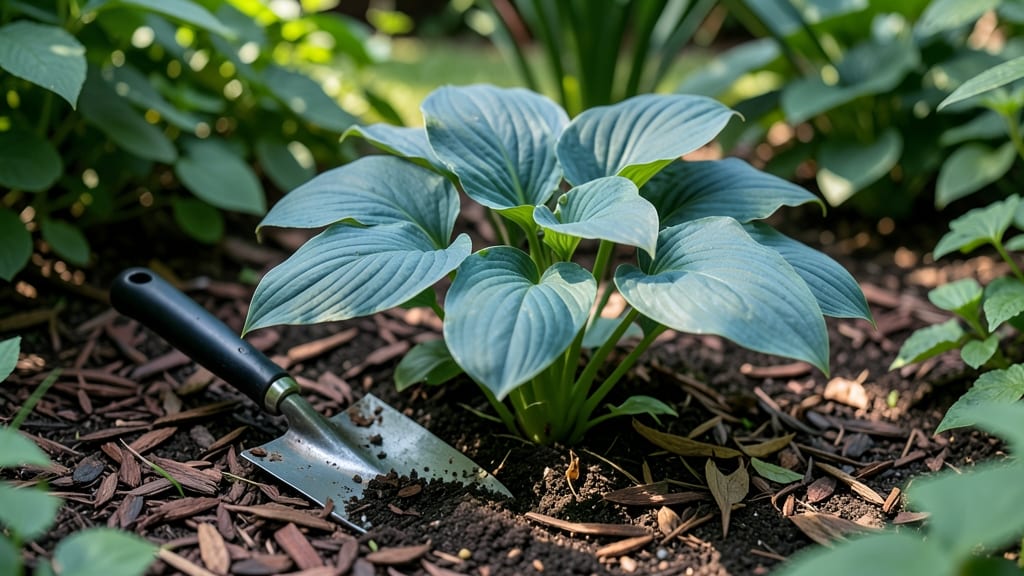
Planting hostas under pine trees turns what seems like a losing battle into a thriving understory garden. 🌿 The key is working with the pines—not against them—by choosing the right hosta varieties, prepping the soil for acidity, and managing that relentless pine needle drop.
I’ve turned my own shady yard into a lush, low-maintenance oasis where hostas outperform anything planted in full sun.
The secret starts with acid-loving hosta varieties like ‘Blue Angel’ or ‘Halcyon’—they handle the shade and acidic soil pines create. You’ll need 3–4 inches of mulch (pine bark works best) to block needles from smothering roots, plus a light layer of compost to offset the pines’ nutrient competition.
Spacing plants 18–24 inches apart gives them room to grow without fighting for water.
What you end up with is a velvety-green carpet under the trees that stays vibrant all season. Hostas under pines actually thrive in this environment—their broad leaves soak up dappled light while avoiding the harsh midday sun.
Just avoid letting the pine needles pile up, and you’ll have fewer pests and healthier plants than in open garden beds.
This method works for any mature pine—white, red, or even pitch pine—because hostas adapt to the exact conditions created by their shade. The first year is about establishing roots; by year two, you’ll have bold foliage and surprise blooms that make neighbors ask how you do it.
Let’s get those hostas planted!
📚 In This Guide
- What you need
- Instructions
- Tips and common mistakes
- Wrapping up and next steps
What you need
- ● Hostas: 3–5 mature hosta plants (size depends on your space; 1-gallon pots work well for starters). Choose varieties with tolerant roots (e.g., ‘Blue Angel’, ‘Halcyon’, or ‘Francee’).
- ○ Pine needle mulch: 2–3 inches (5–7.5 cm) of fresh or aged pine needles (optional but highly recommended—it mimics the natural forest floor!).
- ● Compost or organic matter: 1–2 gallons (3.8–7.6 L) of well-aged compost or leaf mold to enrich the acidic soil.
- ○ Lime (optional): A handful of pelletized garden lime (if your soil test shows a pH below 5.5—hostas prefer slightly acidic to neutral soil).
- ● Slow-release fertilizer: A balanced 10-10-10 or acid-loving plant fertilizer (1–2 tbsp per plant).
- ● Garden trowel or hand shovel (for digging small holes).
- ● Pruners or shears (to trim pine needles or hosta foliage if needed).
- ● Garden fork (for loosening compacted soil under pine trees).
- ● Gloves (to protect your hands from pine needles and soil).
- ● Watering can or hose with a gentle nozzle (for deep, even watering).
- ○ Soil pH test kit (optional but helpful—pine trees acidify soil over time!).
- ○ Mulch spreader (optional, for even coverage).
- ● 💡 Timing: Plant hostas in early spring or fall when temperatures are mild.
- ● 🌡️ Soil Prep: If your pine tree’s roots are shallow, gently loosen the soil 12+ inches deep to improve drainage.
- ● ✨ Sunlight Check: Ensure the spot gets 3–6 hours of dappled shade (hostas hate harsh sun!).
Step-by-Step instructions for planting hostas under pine trees
Here's how to create a thriving shade garden where hostas and pine trees coexist beautifully.
🌱 Step 1: Prepare the Planting Site
Start by examining the pine tree's canopy. Hostas need dappled shade—they'll tolerate 3-6 hours of morning sun but will scorch in hot afternoon rays. Look for spots where branches filter light rather than block it completely. Clear away any fallen pine needles within a 12-inch radius of where you'll plant, as they'll mat down and prevent proper root contact with the soil.
Use a garden fork to loosen the soil to a depth of 10-12 inches. Pine trees often create a shallow, compacted root zone. Amend the soil with 2-3 inches of compost (work it in thoroughly) to improve drainage and fertility. Hostas hate soggy feet, and pine roots can make the soil naturally dense. If your soil feels heavy when damp, mix in 1 part perlite to 3 parts soil to create air pockets.
🪴 Step 2: Dig and Position Hostas Correctly
Dig holes that are twice as wide as the hosta's root ball but only as deep as the root ball itself. Hostas have shallow roots that spread horizontally, so deep planting will suffocate them. Gently remove the plant from its container and tease apart any circling roots—this encourages outward growth rather than girdling. Place the hosta in the hole so the top of the root ball sits just below soil level (never buried deeper than it was in the container).
Space hostas 18-24 inches apart for medium-sized varieties or 30 inches apart for large clumping types. This gives them room to spread without competing for nutrients. If planting near pine roots, keep hostas at least 3 feet away from the tree's trunk to avoid root competition. Water each hole deeply before adding soil—this helps settle the roots into place and removes air pockets.
☀️ Step 3: Mulch and Protect New Plantings
Spread 2-3 inches of shredded bark or pine needle mulch (the latter is ideal since you're under pines) over the soil surface, keeping it 2 inches away from the plant stems to prevent rot. Mulch helps retain moisture, suppress weeds, and gradually improve soil structure as it breaks down. For the first 2-3 weeks, check the soil moisture daily—hostas under pine trees dry out faster than you'd expect because the tree canopy reduces rainfall reaching the ground.
Water deeply every 2-3 days until new growth appears, then taper to once a week in established beds (adjust based on rainfall). The key is keeping the soil evenly moist but never soggy. You'll know you're doing it right when the mulch stays slightly damp at the surface but doesn't look waterlogged. Avoid overhead watering, which can spread pine needle mold—water at the base instead.
🌿 Step 4: Monitor and Maintain for Long-Term Success
After 4-6 weeks, you should see new leaves emerging from the center of the plant. This is your signal that the hostas have established roots. If you notice yellowing leaves, it's usually a sign of too much shade (hostas need at least some light to photosynthesize properly) or nutrient deficiency from pine needle acidity. In that case, apply a balanced 10-10-10 fertilizer in early spring at half strength—hostas are light feeders and prefer gentle nutrition.
Once established, hostas under pine trees will thrive with minimal care. Remove spent leaves in early spring before new growth starts, and divide clumps every 3-5 years to maintain vigor. The pine tree will provide natural protection from wind and wildlife, while the hostas will brighten the shady forest floor with their vibrant foliage. With proper spacing and soil prep, these two plants create a perfect shade garden duo.
Tips & tricks for perfect hostas under pine trees
These insider tricks will help you create a thriving shade garden where hostas and pine trees coexist beautifully.
Lighting Strategy: The 3-6 hours of morning sun is crucial—hostas need enough light to photosynthesize but can't handle intense afternoon rays. I recommend planting on the north or east side of pine trees where branches filter light. If you're unsure, test the spot by placing a white plate where you plan to plant and observing how much light hits it during peak morning hours.
Soil Prep Secret: In Step 1, don't just loosen the soil—test its moisture level first. Stick your finger in the soil after loosening to a 10-12 inch depth. If it feels compacted and stays damp for more than a few hours, you absolutely need that 1 part perlite to 3 parts soil mix. This creates the perfect balance of aeration and moisture retention that hostas crave under pine trees.
Root Positioning: When placing hostas in Step 2, the top of the root ball should sit just below soil level—this prevents rot while allowing roots to spread outward. I've seen gardeners bury them too deep, which suffocates the plant. Pro tip: Use a small stick to mark the original soil level on the container before planting, then match that line when positioning in the hole.
Mulching Hack: For Step 3, use only pine needle mulch if possible—it matches the natural environment and slowly releases nutrients. Spread it 2-3 inches thick but keep it 2 inches away from stems to prevent rot. I like to rake it into a slight mound around each plant to help channel water directly to the roots during those critical first 2-3 weeks.
Pro Tips for Planting Hostas Under Pine Trees
- These insider tricks will help you create a thriving shade garden where hostas and pine trees coexist beautifully.
- Lighting Strategy: The 3-6 hours of morning sun is crucial—hostas need enough light to photosynthesize but can't handle intense afternoon rays.
- Soil Prep Secret: In Step 1, don't just loosen the soil—test its moisture level first.
Frequently asked questions
Got questions about growing hostas under pine trees? You’re not alone! Here are some of the most common concerns—and their solutions—to help you nail this shady (but thriving) garden combo.
Can hostas really grow well under pine trees?
Hostas thrive in partial to full shade, and pine trees provide both. Just ensure the area gets at least 3–4 hours of dappled light daily—too deep a shade can lead to leggy growth. The key is balancing moisture (pines drop needles) and airflow to prevent fungal issues.
What’s the best time to plant hostas under pine trees?
Plant in early spring or early fall when soil temps are cool (50–70°F). This gives roots time to establish before summer heat or winter dormancy. Avoid planting in peak summer—the dry, hot conditions stress young hostas, especially under dense pine canopies.
Will pine needles hurt my hostas?
Pine needles are acidic and can lower soil pH over time, which hostas tolerate (they prefer 6.0–7.0 pH). However, a thick layer of needles can smother plants or block light. Mulch lightly (1–2 inches) with shredded bark or compost to balance moisture and prevent matting.
What if my hostas look sad under the pines?
Yellowing leaves? Overwatering or poor drainage are likely culprits—pines create soggy spots. Amend soil with organic matter (compost or peat moss) to improve aeration. Leggy growth? Move hostas to a slightly sunnier spot (but still shaded) or fertilize lightly in spring with balanced 10-10-10.
Are there better shade-loving plants for under pines?
If hostas struggle, try these pine-friendly alternatives:
- Ferns (e.g., maidenhair or ostrich) – Love humidity and acidic soil.
- Hellebores – Drought-tolerant and bloom in winter.
- Japanese painted ferns – Thrives in dry shade.
- Lungwort (Pulmonaria) – Handles root competition well.
Wrapping up and next steps
Planting hostas under pine trees can be a rewarding way to create a thriving, low-maintenance garden—just remember to choose the right varieties, prepare the soil, and provide proper care.
With a little patience and the right conditions, your hostas will flourish even in the dappled shade of pine needles. Now that you’re armed with the know-how, roll up your sleeves and give it a try!
🌱 Next Steps:
- Pick your favorite hosta varieties and order them online or visit a local nursery.
- Mark your planting spots under those pine trees and test the soil for acidity.
- Start small—even a single hosta can make a statement in your shady garden!