
Pruning
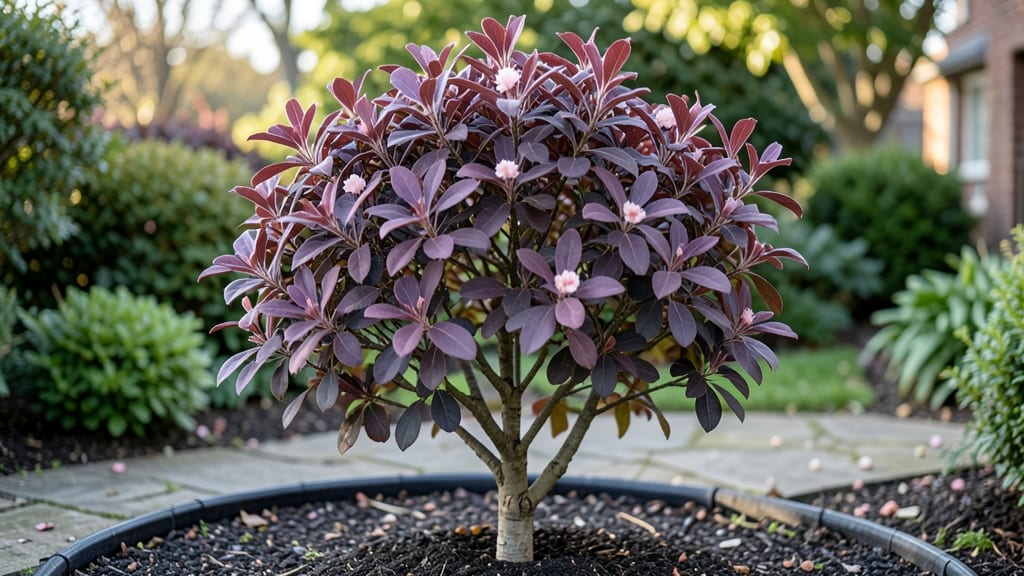
A small purple plum tree transforms any yard into a four-season showstopper—its dark foliage, delicate blossoms, and edible fruit keep things interesting year-round. I planted mine last spring, and now it’s the centerpiece of my backyard, requiring almost no pruning once established.
The key lies in choosing the right variety and giving it the right conditions from day one.
Start with a compact cultivar like 'Santa Rosa' or 'Methley,' both known for their manageable size and stunning purple-red fruit. These trees thrive in full sun and well-draining soil—just avoid heavy clay unless you amend it.
Plant in early spring or fall, spacing them 10-15 feet apart to allow airflow and prevent disease. The first year is all about establishing roots, so water deeply once a week unless rain does the work for you.
By summer, you’ll be rewarded with fragrant white blossoms followed by sweet, deep-purple plums that ripen in late summer. The fruit attracts birds, but a simple bird netting keeps most of the harvest for you.
Minimal pruning keeps the tree healthy—just remove dead wood in late winter and thin out crowded branches to improve airflow. With the right care, your tree will produce fruit for decades with almost no effort.
Watch for common pests like plum curculio or brown rot, but a preventative spray of neem oil in early spring keeps most issues at bay. These trees are surprisingly low-maintenance once established, making them perfect for small yards or urban gardens.
Ready to grow one that works as hard as it looks?
📚 In This Guide
- What you need
- Instructions
- Tips and common mistakes
- Wrapping up and next steps
What you need
- ● Small purple plum tree: Choose a dwarf variety (e.g., Prunus cerasifera 'Nigra') or a young sapling (3–5 feet tall) from a nursery. Pro tip: Look for healthy, disease-free plants with vibrant purple foliage! 🌱
- ● Well-draining soil: 5–10 bags of garden loam or a mix of topsoil + compost (equal parts). Test soil pH (ideal: 6.0–7.0).
- ● Fertilizer: 1–2 lbs of balanced fertilizer (10-10-10 or 20-20-20 NPK ratio) for planting.
- ● Slow-release granular fertilizer (e.g., 12-4-8) for spring/fall feedings.
- ● Mulch: 2–3 cubic feet of organic mulch (wood chips or straw) to retain moisture and suppress weeds.
- ● Pruning tools: 1 pair of bypass pruners (for small branches, ¼"–½" thick).
- ● 1 loppers (for thicker branches, up to 1.5" diameter).
- ● 1 sharp pruning saw (for stubborn branches).
- ● 1 disinfectant (rubbing alcohol or 10% bleach solution) to clean tools between cuts.
- ● Support stake: 1–2 5–6 ft bamboo stakes + soft tree tie (if planting in windy areas).
- ● Soil amendments: 1–2 lbs of lime (if soil is acidic) or sulfur (if soil is alkaline).
- ● Drip irrigation system: For consistent watering (especially in hot climates).
- ● Tree guard: 1–2 metal or plastic tree wraps to protect young bark from pests/sunburn.
- ● Fungicide: Copper-based spray (e.g., Copper Fungicide) for preventive care against fungal diseases.
- ● Gloves + long sleeves: For safety while pruning (some varieties have thorns!).
Instructions for planting and caring for your small purple plum tree
Here's the straightforward approach I use to keep these stunning trees thriving with minimal fuss.
Choose the Perfect Planting Location
Purple plum trees love full sun, so pick a spot that gets at least 6-8 hours of direct sunlight daily. I always check the area for at least 4 hours of afternoon sun first—this is when the tree needs the most light to develop those gorgeous purple fruits. Avoid low spots where cold air collects, as these trees are only moderately cold-hardy.
Dig a hole twice as wide as the root ball but no deeper. The top of the root ball should sit just above ground level when planted. Loosen the sides of the hole with a shovel to help roots spread easily into the surrounding soil. You'll know you've got the right spot when the tree stands upright naturally without leaning.
Plant with Proper Soil Preparation
Mix the native soil with 2-3 inches of compost in the planting hole to improve drainage and fertility. Purple plum trees hate soggy roots, so avoid heavy clay soils unless you amend them thoroughly. I like to add a handful of bone meal to the bottom of the hole for extra phosphorus—this encourages strong root development right from the start.
Place the tree in the hole and backfill with the amended soil, tamping gently as you go to eliminate air pockets. Water deeply right after planting to settle the soil and help roots make contact with the surrounding earth. You'll see the soil settle about an inch—this is normal and means the roots have room to expand.
Water and Mulch for First-Year Establishment
Water your new purple plum tree deeply once a week during the first growing season, providing about 1-2 gallons per watering. The goal is to encourage deep root growth rather than shallow, thirsty roots. Check moisture by sticking your finger 2 inches into the soil—if it feels dry, it's time to water again.
Apply 2-3 inches of mulch around the base, keeping it 3 inches away from the trunk to prevent rot. I use wood chips because they break down slowly and improve soil structure over time. Replenish mulch annually as it decomposes—this helps maintain consistent moisture and temperature around the roots.
Minimal Pruning for Shape and Health
Prune your purple plum tree in late winter or early spring, just before new growth begins. Remove any dead, diseased, or crossing branches first—they compete for energy and can spread problems. I always sterilize my pruning shears with rubbing alcohol between cuts to prevent bacterial infections.
For shaping, focus on opening the center of the tree to allow sunlight and air circulation. Cut back any branches that grow inward or rub against each other. Limit pruning to no more than 25% of the tree's canopy at a time—this prevents stress and ensures the tree can recover quickly. You'll notice new growth emerging within a few weeks of proper pruning.
Year-Round Care for Consistent Beauty
Fertilize your purple plum tree in early spring with a balanced 10-10-10 fertilizer applied according to package instructions. I avoid heavy nitrogen fertilizers—they promote leafy growth at the expense of fruit production. Water deeply after fertilizing to help nutrients reach the roots.
Watch for pests like aphids or scale insects, which can appear on new growth. A strong spray of water usually removes them, but for persistent infestations, use an organic insecticidal soap. Purple plum trees are generally low-maintenance, but consistent care like this keeps them looking their best year after year.
Tips & tricks for perfect small purple plum tree care
Here's what nobody tells you about keeping your purple plum tree thriving with minimal fuss—these are the details that make all the difference.
Sunlight Strategy: While the instructions mention 6-8 hours of sunlight, focus especially on those afternoon hours between 12 PM and 4 PM. This is when the sun's intensity is strongest, and your tree needs this peak energy to develop those vibrant purple fruits. If your yard gets less than 4 hours of afternoon sun, consider supplementing with a portable grow light during the growing season—just 4-6 hours of additional light can make a dramatic difference in fruit production.
Soil Science: The 2-3 inches of compost recommendation is perfect, but here's the secret: mix in a handful of perlite or coarse sand if your native soil is heavy clay. This improves drainage without changing the soil's structure too dramatically. I've seen trees struggle in clay because water pools around roots—this simple amendment prevents that. For extra insurance, add a layer of gravel at the bottom of the planting hole before adding amended soil to create a drainage layer.
Watering Wisdom: Those 1-2 gallons per week might seem like a lot, but think about it this way: you're watering deeply once rather than lightly several times. This encourages roots to grow downward where moisture is available, rather than staying shallow. A good test is to dig down 2 inches after watering—if the soil is damp, you're doing it right. In hotter months, you might need to water twice weekly, but always check that 2-inch depth before deciding.
Pruning Precision: When you're limiting pruning to no more than 25% of the canopy, think of it this way: you're not just shaping the tree, you're creating an open center that lets sunlight reach all the branches. This prevents the "Christmas tree" effect where the lower branches get shaded out. I like to prune in stages—remove the dead/diseased branches first, then shape, then do any fine-tuning. This keeps the tree from getting stressed all at once.
Pro Tips for Small Purple Plum Tree
- Here's what nobody tells you about keeping your purple plum tree thriving with minimal fuss—these are the details that make all the difference.
- Sunlight Strategy: While the instructions mention 6-8 hours of sunlight, focus especially on those afternoon hours between 12 PM and 4 PM.
- Soil Science: The 2-3 inches of compost recommendation is perfect, but here's the secret: mix in a handful of perlite or coarse sand if your native soil is heavy clay.
Frequently asked questions
Got questions about keeping your small purple plum tree thriving with minimal pruning? You’re in the right place! Here are answers to the most common queries—from planting tips to troubleshooting—so you can enjoy year-round beauty without the hassle.
How much space does a small purple plum tree need to grow?
A dwarf or semi-dwarf variety typically thrives in 6–10 feet of space, making it perfect for small yards or containers. Ensure it gets 6+ hours of sunlight daily and well-draining soil. If planting near structures, leave at least 3–5 feet of clearance for airflow and future growth.
When is the best time to prune a purple plum tree?
Prune late winter or early spring (before buds swell) to remove dead wood and shape the tree. Avoid heavy pruning in fall, as it can stimulate new growth vulnerable to frost. Light trimming to maintain shape can happen anytime, but never prune during fruit-bearing season to protect yield.
Will my small purple plum tree produce fruit, or is it purely ornamental?
Most dwarf varieties do produce fruit, though yields are smaller than standard trees. The plums are edible but tart—great for jams, sauces, or fresh eating if you enjoy a bold flavor. If fruit isn’t your goal, focus on pruning for aesthetic shape and dense foliage instead.
How do I prevent pests or diseases in my purple plum tree?
Keep your tree healthy with regular pruning to improve airflow, and remove fallen leaves/debris. Watch for aphids, scale, or plum borers—treat early with neem oil or insecticidal soap. Fungal issues like brown rot? Prune infected branches immediately and avoid overhead watering.
Can I grow a small purple plum tree in a pot?
Yes! Choose a dwarf variety and a large container (15+ gallons) with drainage holes. Use well-draining potting mix and repot every 2–3 years. Place the pot in full sun and water deeply when the top inch of soil dries out. Just remember: container-grown trees may need more frequent pruning to control size.
Wrapping up and next steps
Growing a small purple plum tree is a rewarding way to add vibrant color and low-maintenance beauty to your garden. With its stunning blooms and minimal pruning needs, this tree is perfect for both beginners and seasoned gardeners alike—plus, it delivers delicious fruit as a bonus! 🌸
Ready to transform your outdoor space? Start by gathering your tools, then follow the simple steps outlined above to keep your tree thriving. Happy pruning—and enjoy the show! 🌿
- Next step: Mark your calendar for seasonal pruning sessions to maintain its shape and health.