
Trees
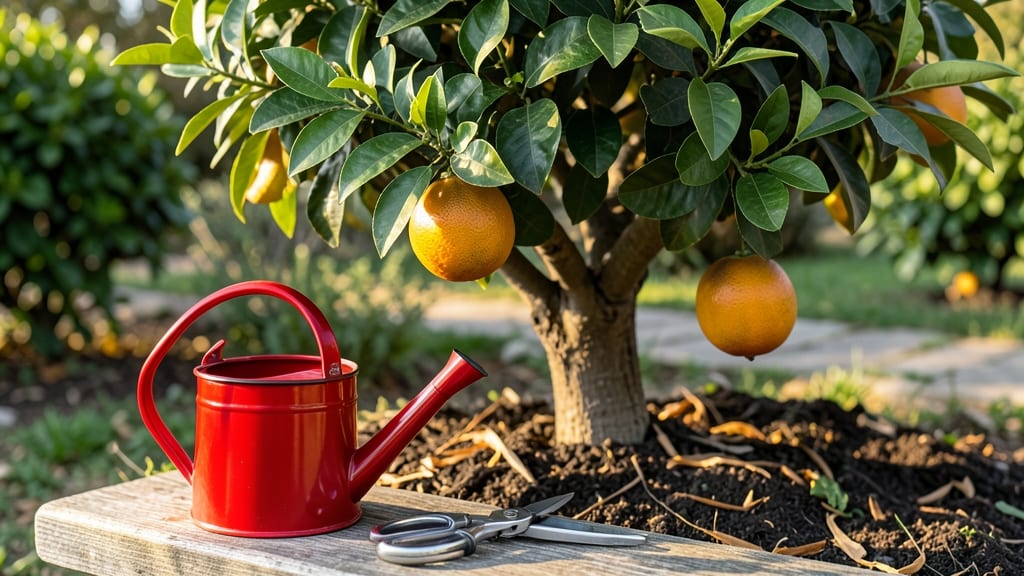
Learn how to take care of fruit trees by mastering three strategic seasons—spring’s burst of growth, summer’s fruit development, and winter’s dormant prep. 🌳 I learned the hard way that skipping one season leads to stunted trees, fewer harvests, and pests moving in.
The payoff? Trees that thrive for decades with minimal effort after the first few years.
Start with the right soil—your tree’s foundation. Most fruit trees need well-draining, slightly acidic soil (6.0–7.0 pH) mixed with compost before planting. Water deeply once a week in the first year, then taper to every 10–14 days once established.
Prune in late winter to remove dead wood and shape the tree, focusing on open centers for airflow. This keeps fruit quality high and diseases at bay.
You’ll see the difference in just one season: glossy leaves, abundant blossoms, and juicy fruit that ripens evenly. The key is consistency—no dramatic changes in water or fertilizer. Even in drought years, deep watering beats frequent shallow soaks.
By summer’s end, your tree will be laden with fruit, and winter prep (mulching, pruning) sets it up for next year’s success.
This works for apples, peaches, and citrus alike—just adjust watering for your climate. Whether you’re a first-timer or refining your skills, these three seasons keep your trees healthy, productive, and trouble-free for years to come.
📚 In This Guide
- What you need
- Instructions
- Tips and common mistakes
- Wrapping up and next steps
What you need
- ● Pruning shears: Bypass pruners (sharp, 6-8 inch blades) – 1 pair
- ● Pruning saw: Curved-tooth saw for thicker branches – 1
- ● Gloves: Heavy-duty, cut-resistant (e.g., leather or Kevlar) – 1-2 pairs
- ● Watering can or hose: Adjustable nozzle for gentle watering – 1
- ● Mulch: Organic (wood chips, straw) or inorganic (gravel) – 2-3 cubic feet per tree
- ● Fertilizer: Slow-release, balanced (10-10-10 NPK) or organic (compost, manure) – 1 bag (20-50 lbs)
- ● Soil test kit: pH and nutrient analyzer – 1 kit
- ● Tree ties or soft cloth strips: For supporting young trees – 5-10 pieces
- ● Pest control: Neem oil, horticultural oil, or insecticidal soap – 1-2 bottles
- ● Disease treatment: Copper fungicide or sulfur spray – 1 bottle
- ● Drip irrigation system: For efficient watering (especially in dry climates)
- ● Tree stake: For extra support during storms or wind
- ● Reflective mulch: To deter pests like voles
- ● Grafting tools: If you plan to propagate or graft trees
- ● Tree growth regulator: For controlling excessive growth in young trees
- ● Weather-resistant paint: To protect trunk from sun/snow damage
Step-by-Step instructions for seasonal fruit tree maintenance
Here's how I keep my fruit trees thriving through every season—no guesswork, just proven care.
🌱 Step 1: Spring Setup for Active Growth
Start by pruning before buds break—this is the golden window for shaping your tree. Remove any dead, crossing, or diseased branches first; these are easy to spot against bare wood. I look for 30-40% of last year's growth to cut back, focusing on opening the center to sunlight and air.
Apply a 2-3 inch layer of organic mulch around the base, keeping it 6 inches away from the trunk to prevent rot. Water deeply every 7-10 days until new leaves appear—that's your cue the roots are active. Fertilize with a balanced 10-10-10 formula when flowers bloom, but avoid overdoing it—too much nitrogen now delays fruiting.
☀️ Step 2: Summer Care for Fruit Development
Watch for thinning fruit when they're the size of a dime—this prevents overcrowding and ensures larger, sweeter harvests. Remove 25-50% of fruit, focusing on those with poor shape or position. I use sharp pruners to avoid damaging the stem, and I always sterilize them with rubbing alcohol between cuts to prevent disease spread.
Water deeply once a week during dry spells, aiming for 1-1.5 inches of moisture per session. You'll know it's enough when the soil 12 inches down feels damp but not soggy. Avoid wetting leaves to reduce fungal risks—direct the hose at the base instead. Monitor for pests like aphids or mites; a strong spray of water can knock them off early in the season.
✂️ Step 3: Fall Preparation for Winter Dormancy
Prune again in late fall to remove any suckers or water sprouts that appeared during summer growth. These compete with fruit-bearing branches for energy. I make clean cuts just outside the branch collar, avoiding any stubs that could trap moisture and rot. This is also the time to check for diseased leaves or branches—remove and destroy them immediately to prevent overwintering pathogens.
Apply a 4-6 inch layer of wood chips or straw mulch around the base, piling it higher than last spring. This insulates roots from freezing temperatures and retains moisture. Water deeply one last time before hard frosts to ensure the tree enters dormancy hydrated. Avoid fertilizing now—your tree needs to rest, not grow.
Tips & tricks for perfect year-round fruit tree care
Mastering fruit tree maintenance means understanding seasonal nuances—here's how to elevate your care routine beyond the basics.
Pruning Precision: When shaping your tree in Step 1, focus on creating an open center by removing branches that cross or rub against each other. The 30-40% reduction target isn't arbitrary—it's about maintaining airflow and sunlight penetration while preserving the tree's structural integrity. I always make cuts just outside the branch collar, which is that swollen area where the branch meets the trunk, to promote faster healing and prevent disease entry points.
Mulch Mastery: The 2-3 inch layer of organic mulch in Step 1 serves multiple purposes: it regulates soil temperature, retains moisture, and suppresses weeds. Here's the trick I learned the hard way—keep that mulch 6 inches away from the trunk to prevent rot. Over time, mulch breaks down and can create a moist environment against the bark, inviting fungal growth. Also, refresh your mulch annually to maintain its insulating properties.
Fruit Thinning Technique: In Step 2, when thinning fruit to the size of a dime, don't just remove the obvious underdeveloped ones. Look for fruit that's positioned poorly—those hanging inward or crowded together. I use a visual guide: after thinning, you should be able to see sunlight reaching the center of the tree. This practice might feel counterintuitive, but it actually increases the size and quality of the remaining fruit by reducing competition for nutrients.
Pest Prevention Strategy: The early-season water spray mentioned for pests works wonders, but I've found that timing is everything. Apply it in the early morning when aphids and mites are most active and the leaves are dry. This not only knocks off existing pests but also washes away fungal spores that might be hitching a ride on the foliage. For persistent problems, consider using horticultural oil as a preventative measure during the dormant season.
Pro Tips for Take Care Of Fruit Trees
- Mastering fruit tree maintenance means understanding seasonal nuances—here's how to elevate your care routine beyond the basics.
- Pruning Precision: When shaping your tree in Step 1, focus on creating an open center by removing branches that cross or rub against each other.
- Mulch Mastery: The 2-3 inch layer of organic mulch in Step 1 serves multiple purposes: it regulates soil temperature, retains moisture, and suppresses weeds.
Frequently asked questions
Got questions about keeping your fruit trees thriving? You’re not alone! Here are answers to the most common concerns—from pruning to pests and everything in between.
When is the best time to plant a fruit tree?
The ideal time to plant fruit trees is late winter or early spring, just before new growth begins. This gives roots time to establish before hot weather. For warm climates, fall planting (October-November) works too—just avoid extreme heat or frost.
How often should I prune my fruit tree?
Prune young trees annually in late winter to shape them and remove dead branches. Mature trees need pruning every 2–3 years, focusing on thinning out crowded branches and improving airflow. Pro tip: Use sharp, clean tools and avoid over-pruning—never remove more than 25% of the canopy at once!
What are the most common fruit tree pests, and how do I prevent them?
Watch for aphids, fruit flies, and borers. Prevention tips:
- Keep trees healthy with proper watering and fertilization.
- Remove fallen fruit and debris to reduce breeding grounds.
- Use organic sprays like neem oil or insecticidal soap for early infestations.
Do fruit trees need winter protection?
Young or tender trees (like peaches or citrus) may need winter protection, such as wrapping the trunk with tree wrap or covering with frost cloth. Mature trees in cold climates often handle winter well, but mulch around the base to insulate roots. Avoid heavy snow buildup on branches—gently brush it off!
Can I grow fruit trees in containers? What are the best options?
Yes! Dwarf varieties (like Columnar Apple or Patio Pear) thrive in containers. Use a large pot (at least 18 inches deep) with drainage holes, well-draining soil, and a balanced fertilizer. Rotate the pot occasionally for even sunlight exposure. Pro tip: Move containers indoors during winter if temperatures drop below freezing!
Wrapping up and next steps
Caring for fruit trees is a rewarding journey that blends patience, knowledge, and a little elbow grease—but the results? Sweet, abundant harvests and a thriving garden you can be proud of! 🌳🍑 By focusing on the three key seasons (spring, summer, and fall), you’ll set your trees up for success year after year.
Remember, every prune, watering session, or soil check is an investment in future fruitfulness.
Ready to dive in? Start small—plant a single tree or tend to one section of your garden—and watch your confidence (and your orchard!) grow. Your next step? Grab your tools, roll up your sleeves, and let nature’s bounty inspire you! 🌱✨