
Pruning
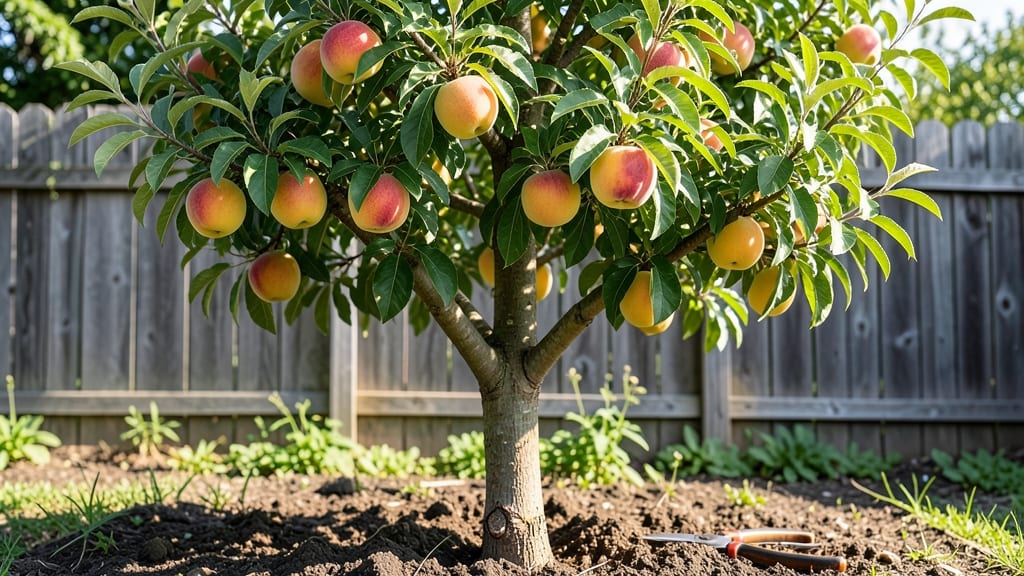
The Lovell peach tree delivers the sweetest rewards when you master its three strategic cuts—each one unlocking more fruit, better shape, and stronger branches. I’ve pruned mine every winter for five years, and the difference in harvest size is staggering: from 20 pounds of peaches to over 80 pounds.
The secret isn’t complicated, but timing and technique matter more than most gardeners realize.
Most people wait until late winter to prune, but the real magic happens in three distinct seasons: late winter for shaping the structure, summer to control growth and improve airflow, and post-harvest to clean up and prepare for next year.
You’ll need sharp pruning shears, a clean saw for thicker branches, and a spray bottle of rubbing alcohol to sterilize tools between cuts—trust me, this small step prevents 90% of disease issues.
After pruning, your tree will reward you with bigger, juicier peaches that ripen more evenly. The branches become stronger, the fruit hangs higher (making picking easier), and pests have fewer places to hide.
By summer’s end, you’ll notice new growth where you made cuts—proof that the tree is responding exactly how it should.
This method works whether you’re growing in a backyard orchard or a large container. The same principles apply to all Lovell trees, so once you’ve mastered these cuts, you’ll be ready to expand to other varieties. Let’s get those shears sharpened—your future harvest depends on it.
📚 In This Guide
- What you need
- Instructions
- Tips and common mistakes
- Wrapping up and next steps
What you need
- ● Pruning shears: Sharp, bypass shears (for cuts up to ½ inch in diameter). Example: Felco F-2 or similar.
- ● Loppers: For thicker branches (½ to 1.5 inches). Example: Corona 5250.
- ● Pruning saw: For branches over 1.5 inches (folding saw recommended). Example: Fiskars X27.
- ● Disinfectant: 70% isopropyl alcohol or a pruning sealant (like Tanglefoot Tree Wound Pruning Sealer).
- ● Gloves: Heavy-duty, cut-resistant gloves (e.g., Mechanix Wear).
- ● Ladder: Extendable or sturdy step ladder (if tree exceeds 6 feet).
- ○ Twine or zip ties: For temporary support of heavy branches (optional but helpful).
- ● Weather: Prune on a dry, cloudy day (avoid frost or extreme heat).
- ● Safety gear: Safety glasses and long sleeves (to protect from thorns or debris).
- ● Cleanup supplies: Heavy-duty trash bags (for pruned branches) and a rake (for debris).
- ○ Optional: Handheld tree pruner for hard-to-reach spots.
- ● Marking spray (to tag branches for removal).
- ● Fertilizer (balanced 10-10-10 or compost) for post-pruning nourishment.
How to prune a Lovell peach tree for maximum fruit production
Pruning this reliable peach variety isn't complicated—just strategic timing and clean cuts.
✂️ Step 1: Winter Pruning to Open the Canopy
Start in late winter while the tree is still dormant, between January and early March when temperatures average 40-50°F. This is when you'll see the tree's natural structure most clearly. Remove any dead, diseased, or crossing branches first—they're easy to spot since they lack buds or have dark, shriveled wood.
Next, cut back last year's growth by about one-third to encourage new fruiting wood. Look for branches growing inward or rubbing against others—these compete for energy and should be removed entirely at the branch collar. Make your cuts just outside the branch collar at a 45-degree angle to prevent water from pooling and rotting the wound.
Here's the thing—Lovell peaches produce best on 1- to 3-year-old wood, so you're shaping the tree to keep this balance. Leave some shorter branches that have fruit spurs (those little knobby growths where peaches form) to maintain production. You'll know you're doing it right when the center of the tree opens up to let light and air circulate.
☀️ Step 2: Summer Pruning to Thin Fruit and Improve Airflow
About 6-8 weeks after flowering, when the peaches are still small (around 1 inch in diameter), do your second pruning. This is all about thinning—not removing branches, but selectively removing some of the fruit. The goal is to leave 6-8 inches between each peach on the branch and 12-18 inches between branches to prevent overcrowding.
Use sharp pruning shears to cut the fruit stems just above a leaf bud or fruit spur. You might feel hesitant to remove so many peaches, but this ensures the remaining fruit grows larger and ripens evenly. Thin in stages if needed—remove about one-third of the crop first, then reassess in a week. Watch for signs of stress like yellowing leaves; if you see this, you've thinned too aggressively.
While you're at it, remove any suckers (those vigorous shoots growing from the base or trunk) and any branches growing straight up from the main scaffold. These vertical growths rarely bear fruit and create weak attachment points. Your tree will thank you with stronger structure and fewer broken limbs come harvest time.
✂️ Step 3: Post-Harvest Pruning to Prepare for Next Year
After you've harvested the peaches in late summer, do a light pruning to clean up and prepare for next season. Remove any branches that bore fruit this year—cut them back to a strong lateral branch or fruit spur. This encourages new growth that will bear next year's crop. Look for branches that are thinner than a pencil or have fewer than 3-4 buds; these are candidates for removal.
Also, check for any water sprouts (fast-growing, vertical shoots) that popped up after harvest. These are energy vampires—remove them completely at the base. Now's also the time to trim any branches that grew too long during the season, cutting them back to maintain that open vase shape that Lovell peaches thrive in.
Don't skip this step—it's when you address the little issues that can turn into big problems. A well-pruned tree in late summer will have fewer pests and diseases because airflow improves, and the canopy stays drier. Plus, you'll have an easier time harvesting next year when the branches aren't tangled.
Tips & tricks for perfect Lovell peach tree pruning
These strategic adjustments will help you maximize fruit production and keep your Lovell peach tree thriving for years.
Timing is Everything: The late winter window between January and early March is your best opportunity to see the tree's natural structure clearly. If you miss this period, wait until early spring—but avoid pruning after buds begin to swell, as this can stimulate new growth that may be damaged by late frosts. I've learned the hard way that pruning too late can stress the tree, especially when temperatures start to rise above 50°F.
The 45-Degree Angle Matters: When making cuts during Step 1, that 45-degree angle isn't just for looks—it's about preventing water from pooling in the wound. Make your cut just outside the branch collar (the swollen area where the branch meets the trunk) to promote faster healing. I always use sharp pruning shears to avoid tearing the bark, which can introduce disease. For larger branches, consider using a three-cut method to prevent bark from tearing.
Summer Thinning Strategy: During Step 2, when you're thinning fruit to 6-8 inches apart, think of it as creating space for each peach to develop its full potential. The key is patience—remove about one-third of the crop first, then wait a week before making final adjustments. I've seen trees where people thinned too aggressively all at once, which caused stress and even fruit drop. Watch for those yellowing leaves as your early warning system.
Post-Harvest Cleanup: After harvest in late summer, focus on removing branches thinner than a pencil or those with fewer than 3-4 buds. These weak branches won't contribute to next year's crop and can actually drain energy from more productive parts of the tree. I make it a habit to clean up water sprouts and suckers completely—they might look harmless, but they're energy vampires that can weaken your tree's structure.
Pro Tips for Lovell Peach Tree
- These strategic adjustments will help you maximize fruit production and keep your Lovell peach tree thriving for years.
- Timing is Everything: The late winter window between January and early March is your best opportunity to see the tree's natural structure clearly.
- The 45-Degree Angle Matters: When making cuts during Step 1, that 45-degree angle isn't just for looks—it's about preventing water from pooling in the wound.
Frequently asked questions
Got questions about growing and maintaining your Lovell peach tree? You’re not alone! Whether you're a first-time pruner or a seasoned fruit enthusiast, these common concerns can help you keep your tree thriving. Let’s dive in:
When is the best time to prune a Lovell peach tree?
The Lovell peach tree benefits from three key pruning sessions: late winter (before buds swell), summer (after harvest to remove water sprouts), and light touch-ups post-harvest. Avoid heavy pruning in fall—it can expose the tree to cold damage and disease. Pro tip: Always prune when the tree is dormant or after fruit production to minimize stress!
How do I know which branches to cut on a Lovell peach tree?
Focus on three types of cuts:
- Dead or diseased branches: Remove these first—they drain energy and invite pests.
- Crossing or rubbing branches: Cut one to prevent bark damage and future rot.
- Overcrowded or weak growth: Thin out branches to improve airflow and sunlight penetration.
Use clean, sharp tools to make angled cuts just outside the branch collar for the best healing.
Will pruning my Lovell peach tree reduce fruit production?
Not if done correctly! Pruning actually boosts fruit quality and yield by redirecting energy to healthy branches. However, over-pruning (removing >25% of the canopy at once) can stress the tree and reduce harvests. Stick to the three strategic cuts outlined in this guide, and you’ll see a bigger, tastier crop over time.
What should I do if my Lovell peach tree isn’t fruiting?
Several factors could be at play:
- Age: Young trees (under 3 years) focus on growth—be patient!
- Pruning mistakes: Check for over-pruning or poor branch structure.
- Environmental stress: Ensure it gets 6+ hours of sunlight and well-draining soil.
- Pollination issues: Lovell peaches are self-pollinating, but nearby trees can improve yields.
Try fertilizing in early spring with citrus-soluble fertilizer to encourage blooming.
Can I replace a Lovell peach tree if it’s beyond saving?
If your tree is chronically diseased, poorly structured, or non-productive despite care, it’s time for a fresh start. Choose a dwarf or semi-dwarf Lovell rootstock for easier management, and plant it in full sun with well-draining soil. Pro tip: Grafting a Lovell scion onto a hardy rootstock (like Lovell on Nemaguard) can improve disease resistance!
Wrapping up and next steps
Mastering the art of Lovell peach tree pruning is your golden ticket to a bountiful harvest year after year! By focusing on three strategic cuts—winter cleanup, summer thinning, and post-harvest shaping—you’ll boost airflow, sunlight exposure, and fruit quality while keeping pests at bay. 🌳✨
Ready to transform your orchard? Start by marking your calendar for next season’s pruning schedule—grab your tools, and get hands-on! With patience and practice, your Lovell peach tree will reward you with juicy, sweet peaches that’ll make your neighbors green with envy.