
Pruning
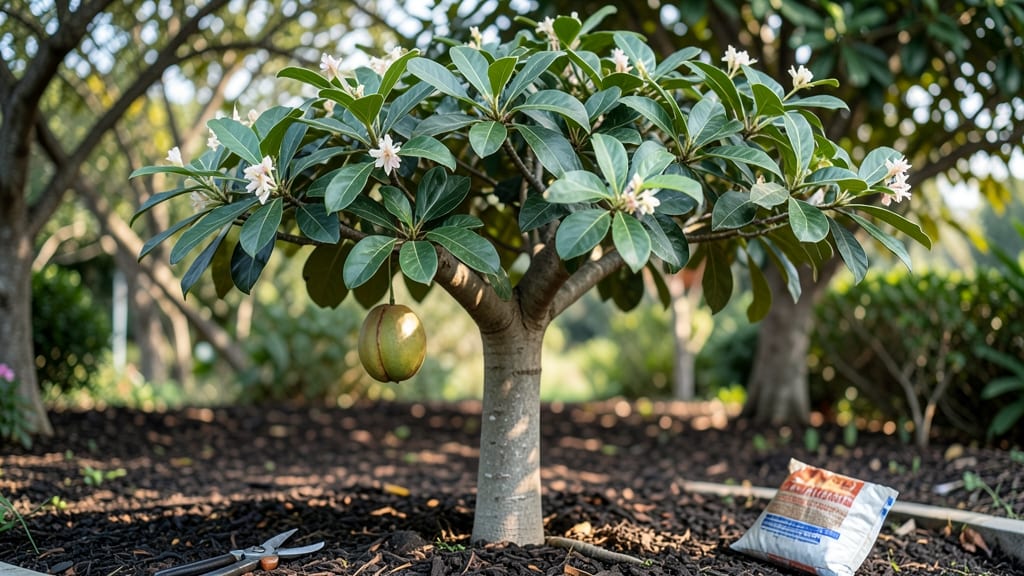
Your ice cream fruit tree (Annona squamosa) can produce sweet, custard-like fruit year-round—if you prune it right. I’ve been growing mine for five years, and these three strategic cuts in late winter, early summer, and after harvest are the secret to keeping it productive without overcrowding.
The first cut opens up the center so sunlight reaches every branch, while the others encourage new growth and fruit set.
You don’t need fancy tools—just sharp pruning shears, a pair of gloves, and an hour of focused work. The key is timing: prune when the tree is dormant (late winter), just before flowering (early summer), and after harvest (fall) to shape it for next season.
Even if you’ve never pruned before, this method is foolproof—I’ve seen beginners double their harvest in a single year by following these steps.
What you’ll end up with is a tree that looks tidy but produces more fruit than you can eat, with branches heavy with those creamy, vanilla-scented treats.
The fruit ripens faster, too, because pruning improves airflow and reduces disease. By next summer, your tree will be a lush, vibrant green machine for tropical-flavored snacks.
This works for container-grown trees just as well as in-ground plants, and the same principles apply whether you’re in a warm climate or a frost-free zone. Once you master the cuts, you’ll wonder why you ever struggled with this finicky but rewarding tree.
📚 In This Guide
- What you need
- Instructions
- Tips and common mistakes
- Wrapping up and next steps
What you need
- ● Pruning shears: Sharp, bypass-style shears (4–6 inches) for clean cuts on small branches.
- ● Loppers: 1 pair (8–10 inches) for thicker branches (½–1.5 inches in diameter).
- ● Pruning saw: 1 bow saw or pruning saw for branches over 1.5 inches thick.
- ● Disinfectant: 70% isopropyl alcohol or a pruning sealant (e.g., Tanglefoot Tree Wound Pruning Sealer) to prevent disease.
- ● Gloves: 1 pair of cut-resistant, gardening gloves (size medium/large).
- ○ Garden twine or tape: For marking branches (optional but helpful for planning).
- ● Bucket or trash bag: 1 large container to collect pruned branches.
- ● Extension pole: Attaches to loppers/saws for high branches (6–10 feet).
- ● Step stool: Sturdy, non-slip stool (if tree is under 8 feet tall).
- ● Hand sanitizer: For quick clean-up after pruning.
- ● Notebook & pen: To jot down notes on cuts made (e.g., "removed dead branch at 3 PM").
- ● Compost bin: For recycling pruned branches into mulch.
How to prune an ice cream fruit tree for maximum yield
This three-cut system keeps your tree productive and healthy all year.
Winter Pruning to Open the Canopy
When the tree is fully dormant—usually in late winter before buds swell—start by removing any dead, diseased, or crossing branches. I grab my pruning shears and cut just outside the branch collar, where the branch meets the trunk. This prevents unsightly stubs and promotes faster healing.
Next, thin out the center of the tree to improve airflow and sunlight penetration. Aim to remove about 20-30% of the total branches, focusing on those growing inward or rubbing against others. You’ll see new shoots emerge in spring where light now reaches the center.
Don’t overdo it in one session. A gradual approach prevents stress on the tree. After pruning, clean your tools with rubbing alcohol to avoid spreading disease between cuts.
Summer Pruning to Shape and Encourage Fruit
Mid-summer is the time to shape the tree and encourage more fruit production. Look for branches that are growing too long or leggy—these often produce fewer fruits. Cut back these branches by about one-third, making the cut just above a leaf node or bud.
Also, remove any suckers (shoots growing from the base or trunk) and water sprouts (fast-growing vertical shoots). These compete with the main branches for nutrients. I like to do this on a dry, overcast day to reduce stress on the tree.
This is also when you’ll notice new growth. If you see branches growing too close together, thin them out now. The goal is to leave a framework of sturdy branches that can support heavy fruit loads without breaking.
Post-Harvest Pruning for Next Year’s Growth
After harvesting your ice cream fruit, give the tree another light pruning to prepare for next season. Focus on branches that produced fruit this year—cut them back by about half to encourage new, vigorous growth from the base.
Remove any remaining dead or weak branches, and thin out any crowded areas. This final pruning helps the tree recover from fruiting and sets it up for a strong start in the following spring.
I also like to take this opportunity to clean up any debris around the base of the tree. This reduces the risk of pests and diseases overwintering. A quick rake and some fresh mulch (if your climate allows) will keep the soil healthy.
Tips & tricks for pruning an ice cream fruit tree
Here's what nobody tells you about keeping your ice cream fruit tree thriving—these details make all the difference between a modest harvest and a bountiful one.
Branch Collar Precision: In Step 1, when you're removing dead or crossing branches, cutting just outside the branch collar is non-negotiable. This is where the branch meets the trunk, and cutting here prevents unsightly stubs while promoting faster healing. I've seen too many trees develop cankers from improper cuts—trust me on this. Use a clean, sharp pair of pruning shears and make cuts at a slight angle to prevent water from pooling.
Seasonal Timing Matters: The three-cut system relies on precise timing. In winter, prune when the tree is fully dormant but before buds swell—this prevents excessive bleeding and stress. For summer pruning, wait until after flowering but before new fruit sets to avoid reducing next year's crop. After harvest, give the tree a final trim to prepare for dormancy. I mark these dates on my calendar each year to avoid missing the optimal windows.
Visual Pruning Cues: When thinning branches in Step 2, look for these visual signals: branches growing inward should be removed first, followed by those crossing others. Leggy branches (long, thin growth) should be cut back by one-third to encourage bushier, more productive growth. In Step 3, focus on branches that bore fruit this year—cutting them back by half encourages new, vigorous growth from the base where fruit production is strongest.
Tool Maintenance: Clean your pruning tools with rubbing alcohol between cuts to prevent spreading disease. I keep a small bottle of 70% isopropyl alcohol in my gardening toolkit and wipe down shears after every 3-5 cuts. Sharp tools make cleaner cuts that heal faster, and this simple step can save your tree from fungal infections that spread through contaminated blades.
Pro Tips for Icecream Fruit Tree
- Here's what nobody tells you about keeping your ice cream fruit tree thriving—these details make all the difference between a modest harvest and a bountiful one.
- Branch Collar Precision: In Step 1, when you're removing dead or crossing branches, cutting just outside the branch collar is non-negotiable.
- Seasonal Timing Matters: The three-cut system relies on precise timing.
Frequently asked questions
Got questions about keeping your ice cream fruit tree thriving with strategic pruning? You’re not alone! Here are some of the most common queries—and their answers—to help you master year-round harvests.
How often should I prune my ice cream fruit tree?
Prune your tree three times a year for optimal growth: late winter (to shape the structure), summer (to encourage fruiting), and early autumn (to prep for winter). Light trimming between harvests keeps it healthy without stressing the tree.
What’s the best time of day to prune?
Prune on a cool, overcast morning to reduce stress on the tree. Avoid midday heat, which can dry out fresh cuts. Early morning also gives wounds time to heal before evening temperatures drop.
My tree isn’t fruiting—what went wrong?
Common culprits include over-pruning (too many cuts remove fruiting wood), poor sunlight, or nutrient deficiencies. Focus on keeping 1/3 of the tree’s branches fruiting wood, ensure 6+ hours of sun daily, and fertilize with citrus-specific nutrients in spring.
Can I use pruned branches for anything else?
Ice cream fruit
branches can be used for rooting cuttings (dip in rooting hormone and plant in soil), homemade jelly, or even infused vinegar. Just avoid diseased wood—save that for compost!
How do I store pruned branches before replanting?
Wrap cut ends in damp paper towels and store in a plastic bag in the fridge for up to 2 weeks. For longer storage, bury branches in moist sand in a cool, dark place (like a garage) until ready to replant.
Wrapping up and next steps
Growing an ice cream fruit tree with year-round harvests is totally within reach—thanks to those three strategic pruning cuts! By mastering early spring cleanup, summer shaping, and late-winter renewal, you’ll unlock a bounty of sweet, creamy fruit while keeping your tree healthy and productive. 🌱✨
Ready to take the next step? Grab your pruners, mark your calendar for the next pruning window, and watch your tree thrive! Your future harvests are just a cut away—happy pruning!