
Planting
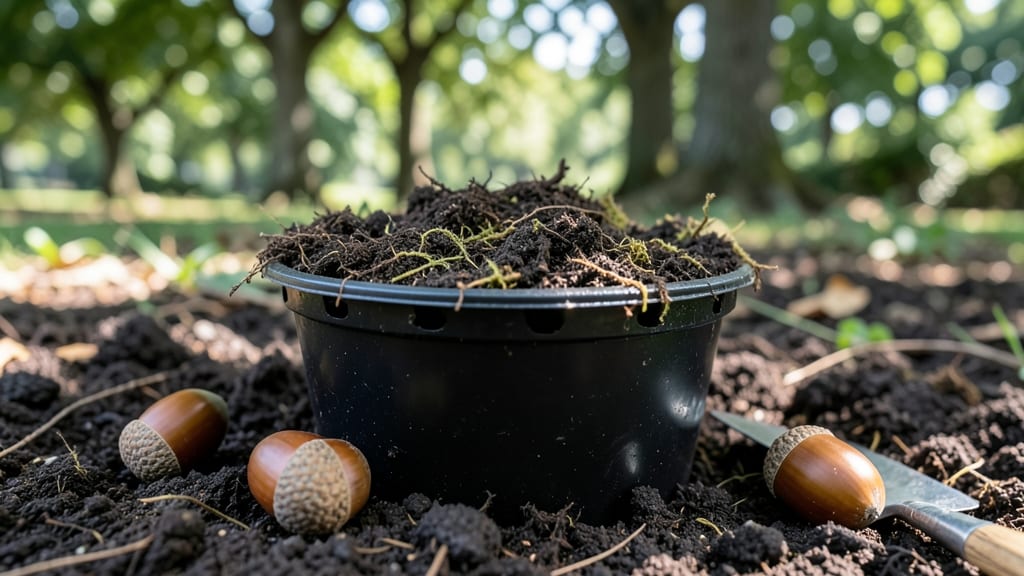
Planting acorns for trees is the ultimate patience test—one that pays off with towering oaks shading your yard for centuries. 🌳 I learned the hard way that not all acorns are created equal, but with the right selection and timing, you can grow a future forest from your backyard.
The key starts with picking plump, healthy acorns from mature trees in late fall, then mimicking nature's winter dormancy to break their dormancy.
You'll need a few simple supplies: a container with damp sand or peat moss, a plastic bag for cold storage, and a sunny planting spot. The process mimics how acorns would naturally overwinter in the forest floor—stratification in the fridge for 60-90 days followed by outdoor planting in early spring.
Most gardeners skip this step and wonder why their acorns never sprout, but it's the difference between success and disappointment.
What you end up with is a sturdy young oak that grows 1-2 feet its first year, then 3-6 feet annually as it matures. The real magic happens years later when it casts shade over your patio or provides wildlife habitat.
Just be patient—oaks take time, but the payoff is worth every season of waiting.
Works for red, white, and pin oak species, though some hybrids may need slightly different stratification times. Here's where it gets interesting—your future tree could be a 100-foot giant or a compact patio specimen, depending on the variety you choose. Let's get those acorns growing!
📚 In This Guide
- What you need
- Instructions
- Tips and common mistakes
- Wrapping up and next steps
What you need
- ● Acorns: 10–20 fresh, healthy acorns (preferably from local oak trees to ensure climate compatibility). Look for plump, undamaged acorns with intact caps.
- ● Gloves: A pair of gardening gloves to protect your hands from rough acorn shells and soil.
- ● Small pots or containers: 3–5 small pots (4–6 inches deep) with drainage holes, or a seed-starting tray with individual cells. Use biodegradable pots if you plan to transplant seedlings directly into the ground.
- ● Potting mix: A well-draining, sterile seed-starting mix (avoid garden soil—it can harbor diseases). Aim for 1–2 cubic feet total, depending on the number of pots.
- ● Watering can or spray bottle: A gentle watering tool to keep the soil moist without displacing seeds.
- ○ Plastic wrap or humidity dome: Optional but helpful for maintaining moisture during germination (cover pots loosely until sprouts appear).
- ● Label markers and tags: Small sticks or labels to mark each pot with the planting date and oak species (if known).
- ● Shovel or trowel: For transplanting seedlings into the ground later (if not using biodegradable pots).
- ○ Mulch (optional): A thin layer of organic mulch (like straw or wood chips) to retain moisture and protect young seedlings from temperature fluctuations.
- ● Timing: Plant acorns in fall (October–November) for natural stratification (cold treatment) or early spring (February–March) if pre-stratified. Avoid planting in summer heat.
- ● Location: Choose a spot with full sun (6+ hours of sunlight daily) and well-draining soil. Oaks thrive in slightly acidic to neutral soil (pH 5.0–7.0).
- ● Space: Ensure your planting area has enough room—mature oaks can grow 50–80 feet tall and spread 30–50 feet wide.
- ● Patience: Oak trees grow slowly—it can take 5–10 years for an acorn to mature into a sapling! Plan accordingly.
- ● 🔍 Pre-stratify acorns: If planting in spring, mimic winter conditions by refrigerating acorns in a damp paper towel for 6–8 weeks to break dormancy.
- ● 🌡️ Temperature control: Keep pots in a cool, dark place (like a basement or fridge) for the first 4–6 weeks after planting to encourage germination.
- ● 💧 Water wisely: Keep soil consistently moist (not soggy) during germination. Overwatering can cause rot!
Step-by-Step instructions for planting acorns to grow oak trees
Here's how to turn those fallen acorns into sturdy oak saplings—no fancy tools needed.
🌱 Step 1: Select and Prepare the Acorns
Choose plump, healthy acorns from mature oak trees—avoid small, shriveled ones. Look for acorns with a smooth, intact cap; these have the best chance of germinating. I like to collect them fresh in fall, but store-bought acorns work too if kept cool and dry.
Remove any remaining cap fragments or debris with your fingers. Don’t wash them—the natural oils help prevent rot. For best results, plant them within a few weeks of collection. If storing, keep them in a paper bag in the fridge until ready to plant.
💧 Step 2: Stratify for Germination (Cold Treatment)
This is the trickiest part, but it mimics nature’s way of breaking dormancy. Place the acorns in a sealed container with a damp paper towel or sphagnum moss. I use a plastic bag with a few holes for airflow—just enough moisture so the towel stays damp, not soggy.
Refrigerate the container for 90-120 days at 35-40°F. Check monthly to ensure the towel hasn’t dried out. After this cold treatment, the acorns will be ready to sprout—this step is non-negotiable for oak acorns.
☀️ Step 3: Plant in Well-Draining Soil
Fill a small pot or seed tray with loose, sandy soil—oaks hate soggy roots. Plant each acorn 1 inch deep, pointed end down, about 2 inches apart. Water lightly until the soil feels moist but not wet. A clear plastic dome or plastic wrap helps retain humidity while they germinate.
Place the pot in a warm spot (65-75°F) with bright, indirect light. Avoid direct sun until sprouts appear—too much heat can dry out the soil. You’ll see tiny roots break through the soil in 4-8 weeks, followed by a sprout in another 2-4 weeks. Patience is key here.
🌿 Step 4: Transplant and Care for Saplings
Once the saplings reach 6-12 inches tall, transplant them to individual pots or directly into the ground. Choose a sunny spot with well-draining soil—oaks thrive in full sun. Water deeply after planting, then let the soil dry slightly between waterings. Overwatering is the #1 killer of young oak trees.
In their first year, protect saplings from deer and pests with a wire cage if needed. Mulch lightly around the base to retain moisture, but keep mulch 2-3 inches away from the stem to prevent rot. You’ll see stronger growth each spring—just give them time.
Tips & tricks for planting acorns to grow oak trees
Here's what I wish I knew when I first tried growing oak trees from acorns—these tricks make all the difference.
Selection Tip: When choosing acorns in Step 1, tap them gently on a hard surface—healthy acorns make a solid sound, while hollow ones sound dull. I've learned this the hard way after planting several that never sprouted. Also, focus on acorns from mature trees—young trees often produce less viable seeds.
Stratification Secret: During the 90-120 day cold treatment in Step 2, I place a small piece of masking tape with the date on my container. This helps me track progress without opening it too often. The key is maintaining consistent moisture—too dry and they won't sprout, too wet and they'll rot. I check monthly by gently lifting one corner of the container.
Soil Strategy: For Step 3, I've found that mixing equal parts sand and potting soil creates the perfect well-draining medium. Oak trees hate soggy conditions, so if your soil feels heavy, add more sand or perlite. When planting, make sure the pointed end faces down—this is where the root will emerge. I like to use small pots with drainage holes to prevent waterlogging.
Transplant Timing: In Step 4, don't rush to transplant your saplings. I wait until they reach at least 6 inches tall and have developed a strong root system. You'll know they're ready when you can gently tug on them and they resist. Transplant on a cool, overcast day to reduce stress on the young plants. Water thoroughly after transplanting to help settle the soil around the roots.
Pro Tips for Plant Acorns For Trees
- Here's what I wish I knew when I first tried growing oak trees from acorns—these tricks make all the difference.
- Selection Tip: When choosing acorns in Step 1, tap them gently on a hard surface—healthy acorns make a solid sound, while hollow ones sound dull.
- Stratification Secret: During the 90-120 day cold treatment in Step 2, I place a small piece of masking tape with the date on my container.
Frequently asked questions
Got questions about acorn planting?
You’re not alone! Here are answers to the most common queries—so you can grow your future oak forest with confidence.
When is the best time to plant acorns?
Plant acorns in late fall (October–December) to mimic natural forest conditions. This lets them undergo a cold stratification period, which breaks dormancy. If planting in spring, soak acorns in water for 24–48 hours first to simulate winter moisture. Avoid planting in summer—they’ll dry out too quickly!
How long does it take for an acorn to sprout?
With ideal conditions, acorns may sprout in 4–12 weeks after planting. However, germination can take up to a year if the acorn is still dormant. Patience is key! Monitor soil moisture and protect seedlings from pests. Most oaks grow slowly—don’t expect towering trees overnight.
Can I plant acorns from any oak tree?
Not all acorns are created equal! Only collect from mature, healthy oak trees (like white, red, or bur oaks) for the best success. Avoid acorns from young trees or those with holes (signs of weevil infestation). Pro tip: Look for plump, intact acorns with a smooth cap—they’re your best bets for strong seedlings!
What should I do if my acorn sprouts mold or rot?
Mold or rot usually means too much moisture or poor drainage. If you notice fuzzy growth or a foul smell, remove the affected acorn immediately to prevent spreading. For future plantings, use well-draining soil and avoid overwatering. A shallow tray with drainage holes works wonders!
Can I plant acorns in containers instead of the ground?
Start acorns in 6-inch pots with potting mix and keep them in a cool, shaded spot. Once seedlings are 6–12 inches tall (spring/summer), transplant them outdoors. Containers give you control over soil quality and moisture, but gradually acclimate seedlings to outdoor conditions to avoid shock.
Wrapping up and next steps
Planting acorns is a rewarding way to grow your own oak forest—just remember, patience is key! 🌱 Whether you’re nurturing a single sapling or a future grove, following these steps ensures strong, healthy trees for years to come.
Start small, stay consistent, and soon you’ll be enjoying the shade (and maybe even wildlife visits!) your oaks provide.
Ready to take the next step? Mark your calendar to check on your acorns in 6–12 months—you’ll be amazed at how far they’ve grown! For extra inspiration, explore local oak varieties or join a gardening community to share your progress. Happy planting! 🌳✨