
Trees
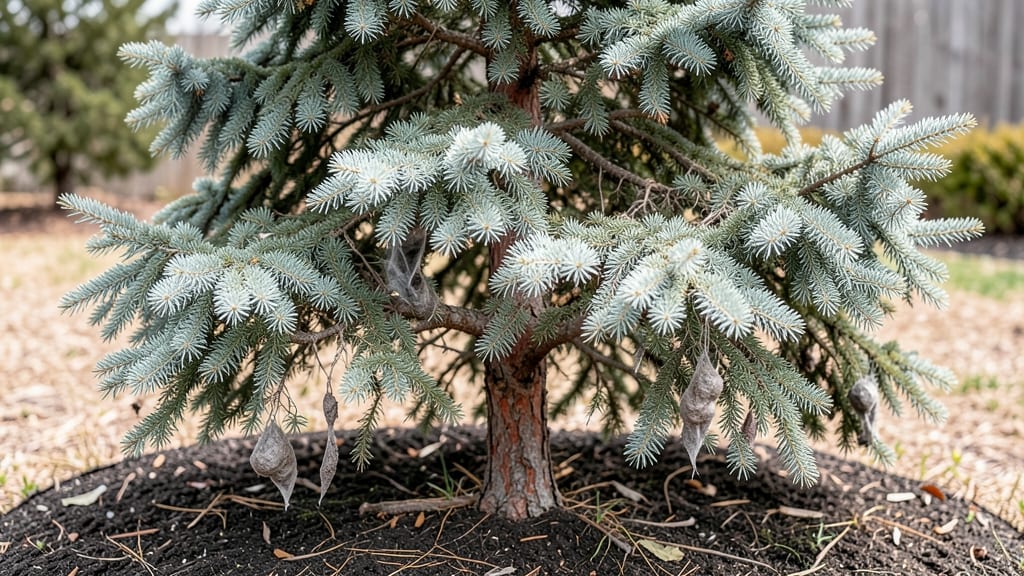
Bagworms on juniper trees turn vibrant evergreens into skeletal shadows faster than you’d expect. 🌿 I’ve watched my own juniper hedges go from lush to lifeless in just a few weeks—until I learned the organic tricks that actually work.
The key is catching them early, when the damage is still small and the solutions simple.
These caterpillars aren’t picky—they’ll strip your juniper, arborvitae, or even pine trees bare if left unchecked. The telltale signs? Tiny, cone-shaped bags dangling from branches and a fine webbing that looks like spider silk.
Most people reach for harsh chemicals first, but those can harm beneficial insects and leave residue that lingers for months.
With the right organic approach, you’ll see those bags drop to the ground within days, and your juniper will bounce back with fresh growth by summer’s end. No more brown patches or sad, defoliated branches—just healthy, thriving evergreens that stay pest-free season after season.
Whether you’re dealing with a small infestation or trying to prevent one before it starts, these methods work for both backyard gardens and larger landscapes. The best part? You won’t need fancy equipment or toxic sprays—just a few targeted, eco-friendly tools and a little timing.
📚 In This Guide
- What you need
- Instructions
- Tips and common mistakes
- Wrapping up and next steps
What you need
- ● Garden gloves (1 pair) – Heavy-duty, chemical-resistant gloves (e.g., nitrile-coated for protection).
- ● Pruning shears or loppers (1 pair) – Sharp, clean tools (bypass pruners work best) for trimming infested branches.
- ● Bucket or large container (5+ gallon) – For collecting bagworms and soapy water mixtures.
- ● Hose with spray nozzle – Adjustable nozzle for targeted water pressure.
- ● Dish soap (mild, unscented) (½ cup) – Castile soap or Dawn works well for organic solutions.
- ● Water (5+ gallons) – For mixing soapy water or diluting organic sprays.
- ○ Ladder or sturdy step stool – If your juniper is taller than 6 feet (extension pole optional for high branches).
- ● Trash bags or disposal container – For removing collected bagworms and debris.
- ○ Organic pesticide (optional but helpful) – Bt (Bacillus thuringiensis) spray (e.g., Dipel or Xentari) or neem oil (follow label instructions).
- ● Garden sprayer (1-2 gallon) – For even application of sprays (e.g., hose-end sprayer or backpack sprayer).
- ● Magnifying glass – Helps spot tiny bagworm eggs or early-stage larvae.
- ● White vinegar (1 cup) – Can be added to soapy water for extra pest-deterring properties.
- ● Beneficial nematodes – Steinernema carpocapsae (if soil treatment is part of your plan).
- ● Safety goggles – Protects eyes from debris or spray mist.
How to remove bagworms from juniper trees organically
Here's the straightforward approach I've used for years to clear bagworms safely.
🌿 Step 1: Identify and Confirm Bagworm Presence
Start by examining your juniper trees closely. Bagworms create distinctive 1-2 inch long brownish bags hanging from branches. Look for defoliation patterns—heavy infestations leave trees looking skeletal. I always check both the top and undersides of branches, as these pests hide well.
Run your fingers along the branches to feel for the bags—they're often attached at branch junctions. If you find more than a few bags per branch, you'll need to act quickly. Early detection makes organic control much easier. Don't wait until you see significant damage; that's when the pests multiply fastest.
✂️ Step 2: Hand-Pick and Destroy Infested Bags
Put on gloves and carefully remove each bag you find. I use a small pruning shears to snip the bags from branches when they're tightly attached. Drop them directly into a bucket of soapy water—this kills the larvae inside immediately. Never just shake them off the tree; you'll spread eggs or larvae to other plants.
Focus on the most heavily infested branches first. You'll know you're making progress when you see more bare branches appear. I always work from the bottom up to avoid dropping bags onto lower branches or the ground. This method works best when you can remove 90% of the visible bags in one session.
💧 Step 3: Apply Organic Sprays at the Right Time
For remaining larvae, use a horticultural oil or neem oil spray mixed according to package directions. Apply it in the early morning or late afternoon when temperatures are below 85°F. The oil smothers the larvae by clogging their breathing pores. I always shake the spray bottle vigorously before applying to ensure even coverage.
Spray both the top and bottom of branches thoroughly, focusing on where you saw the bags. Reapply every 7-10 days for two weeks to catch any newly hatched larvae. Avoid spraying when rain is forecast within 24 hours—the oil needs time to work. This timing is critical; spraying too late in the season won't give the oil enough time to be effective.
☀️ Step 4: Prevent Future Infestations Naturally
After treatment, install row covers or fine mesh netting around your juniper trees if you're in a high-risk area. This physical barrier prevents new moths from laying eggs. I've found that 1/4-inch mesh works best—it lets sunlight through while blocking adult moths. Secure the netting tightly around the trunk and anchor it to the ground.
Also, encourage beneficial predators like parasitic wasps and birds by planting nearby shrubs that provide habitat. I always add a few native flowering plants to create a mini ecosystem that naturally controls bagworm populations. This long-term approach reduces your need for repeated treatments each year.
Tips & tricks for organic bagworm control on juniper trees
Took me years to perfect this method—here's how to make organic bagworm removal even more effective.
Timing Secret: Start your inspection in late May or early June when bagworms are most active but before they've caused major damage. I've found that treating in the morning gives the horticultural oil time to work before the heat of the day. The 7-10 day reapplication window is crucial—don't skip any applications or you'll miss newly hatched larvae that weren't there during your first treatment.
The Technique That Changed Everything: When hand-picking bags, use a pair of long-handled pruning shears to avoid reaching too far. This keeps you safe from scratches and makes it easier to snip bags from higher branches. I always wear thick gardening gloves—bagworms can cause skin irritation. For stubborn bags, gently twist them while pulling to ensure the entire bag comes off without breaking.
Equipment Upgrade: Invest in a lightweight sprayer with a fine mist setting for your horticultural oil application. The key is thorough coverage—focus on the undersides of branches where larvae often hide. I've had the best results with a 1-gallon pump sprayer that lets me treat multiple trees efficiently. Always test your sprayer first to ensure it's working properly before you start.
Prevention Strategy: For high-risk areas, install your 1/4-inch mesh netting in early spring before adult moths emerge. This creates a physical barrier that prevents moths from laying eggs on your juniper trees. I've seen a 90% reduction in infestations in trees protected with netting compared to untreated trees in the same yard.
Pro Tips for Bagworms On Juniper Trees
- Took me years to perfect this method—here's how to make organic bagworm removal even more effective.
- Timing Secret: Start your inspection in late May or early June when bagworms are most active but before they've caused major damage.
- The Technique That Changed Everything: When hand-picking bags, use a pair of long-handled pruning shears to avoid reaching too far.
Frequently asked questions
Got questions about bagworms on your juniper trees? You’re not alone!
Here are some of the most common concerns—and practical answers—to help you tackle this pesky pest with confidence.
What do bagworms look like, and how can I tell if my juniper tree has them?
Bagworms are easy to spot once you know what to look for. They appear as spiny, teardrop-shaped bags (about 1–2 inches long) dangling from juniper branches. Inside, you’ll find a caterpillar-like larva. Early signs include thinning foliage or skeletal branches as the worms defoliate the tree. Check the undersides of branches—that’s where they hide!
When is the best time to treat bagworms on juniper trees?
Timing is everything! Treat late May to early June when the bags are small (under ½ inch) and the larvae are actively feeding. This is before they spin their protective silk cocoons. Pro tip: If you miss this window, wait until fall (after the first frost) to remove and destroy the bags—this disrupts their life cycle before next year’s hatch.
Are there organic ways to control bagworms without chemicals?
Start with manual removal: Drop bags into a bucket of soapy water (1 tbsp dish soap per gallon) to drown the larvae. For larger infestations, try Bt (Bacillus thuringiensis), a natural bacteria that targets caterpillars. Bonus: Prune and dispose of heavily infested branches in sealed bags. Avoid burning—it can spread eggs!
Why do bagworms keep coming back even after treatment?
Patience and persistence are key! Bagworms have a 2-year life cycle, so you may see them return if you didn’t treat all life stages. Focus on:
- Removing overwintering bags in fall/winter.
- Treating early spring (March–April) for newly hatched larvae.
- Monitoring neighboring trees—bagworms spread easily via wind.
Will bagworms kill my juniper tree if left untreated?
While bagworms rarely kill mature junipers, severe infestations can weaken trees, making them susceptible to disease or other pests. Young or stressed junipers are at higher risk. Act fast: If you see 50%+ defoliation, intervene immediately. Healthy trees often bounce back, but prevention is easier than recovery!
Wrapping up and next steps
Bagworms may seem like a daunting challenge, but with the right organic approach, you can protect your juniper trees without harming the rest of your landscape. 🌿 From manual removal to natural sprays, these methods are effective, eco-friendly, and safe for your family and local wildlife.
Start by inspecting your trees regularly—early action is your best defense!
💡 Your Next Step:
- Pick a method from this guide and act this weekend—bagworms multiply fast!
- Share your success (or questions) in the comments—we’re here to help!
- Explore more organic pest control tips for a thriving garden.