
Propagation
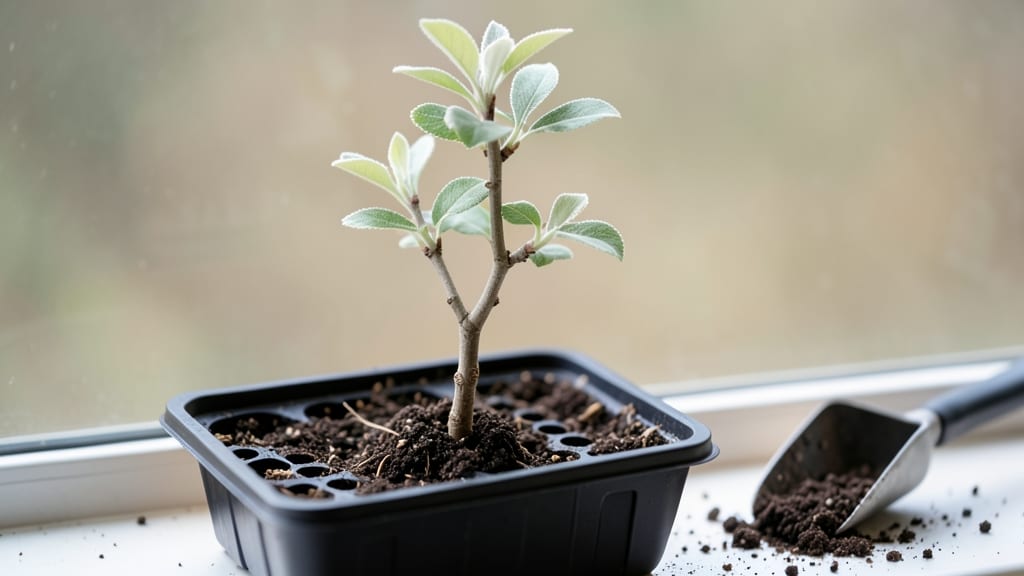
Growing apricot trees from seeds is a marathon, not a sprint—but the payoff of that first homegrown fruit makes every year worthwhile. I’ve started dozens from pits, and while most never bear fruit, a few become sturdy trees with surprising resilience.
The key isn’t forcing speed; it’s creating the right conditions for nature to do the work.
You’ll need just three things to begin: fresh apricot pits, a warm spot, and a little time. The trickiest part is germination—some seeds sprout in weeks, others take months. After that, seedlings need bright light and consistent moisture, but no coddling.
My first tree took two years just to reach knee height, yet it’s now the most reliable producer in my orchard.
By year three, you’ll watch buds form, and by year five, you might taste that first tart-sweet fruit—proof that patience truly pays. The trees grow tougher each season, resistant to pests and drought once established.
It’s not about rushing; it’s about letting them grow strong enough to feed you for decades.
This method works best in zones 5-9, where apricots thrive. For cooler climates, choose cold-hardy varieties or grow in containers. The real reward isn’t just the fruit—it’s the quiet joy of watching something you nurtured from a single seed become a tree that feeds you.
📚 In This Guide
- What you need
- Instructions
- Tips and common mistakes
- Wrapping up and next steps
What you need
- ● Fresh apricot seeds: 2–5 pits (seeds) from ripe, organic apricots (avoid store-bought, as they’re often treated to prevent sprouting).
- ● Paper towels or damp cloth: 1–2 sheets for seed stratification.
- ● Plastic bag or container: A sealable bag or small container (8x10 inches) to hold the damp towels/seeds.
- ● Small pots or seed trays: 4–6 biodegradable pots (3–4 inches in diameter) or a seed tray with drainage holes.
- ● Potting mix: 3–5 gallons of well-draining, sterile seed-starting mix (or a blend of 50% peat moss + 50% perlite/sand).
- ● Spray bottle: For gentle watering (avoid over-saturating seeds).
- ● Plastic wrap or humidity dome: To create a mini greenhouse effect.
- ● Grow lights or sunny windowsill: A south-facing window or LED grow light (12–16 hours/day) for seedlings.
- ● Refrigerator (or cool, dark space): For cold stratification (30–90 days).
- ● Patience! 😉 Apricot trees from seed take years to bear fruit—plan for 5+ years for reliable harvests.
- ● Pruning shears: For trimming seedlings as they grow (sterilize with rubbing alcohol).
- ● pH meter or test kit: To check soil pH (ideal range: 6.0–7.0 for apricots).
- ● Fertilizer: Balanced organic fertilizer (e.g., 10-10-10) or compost tea for young trees.
- ● Transplanting tools: Small trowel or spoon for moving seedlings to larger pots.
- ● Mulch (straw or wood chips): To retain moisture and protect roots in outdoor plantings.
- ○ Tree support (optional): Stakes or cages for young trees in windy areas.
- ● Grafting supplies (advanced): If you want to speed up fruiting, consider grafting a named apricot variety onto your seedling later.
Step-by-step guide to growing apricot trees from seeds
Growing apricot trees from seeds rewards you with a unique, hardy tree—but it takes time and care.
Select and Prepare Fresh Apricot Seeds
Start with seeds from a ripe, organic apricot—store-bought fruit often contains chemicals that inhibit germination. Cut the fruit open and remove the large, flat seed inside. Rinse the seed under cool water to remove any pulp, then let it air-dry for 24 hours on a paper towel. This prevents mold while keeping the seed viable.
Here's the thing—apricot seeds need stratification to break dormancy. Place the dried seed in a small plastic bag with a damp paper towel. Seal it and refrigerate for 8-12 weeks at 35-40°F. Check the towel weekly and mist with water if it dries out. You'll know it's ready when the seed feels slightly softened and the outer shell cracks open slightly.
Sow the Stratified Seed in a Warm, Controlled Environment
Fill a small 4-inch pot with sterile seed-starting mix—not garden soil. Press the stratified seed ½ inch deep into the mix, leaving the pointed end up. Gently pat the soil around it to ensure good contact. Place the pot in a warm spot, ideally on a seedling heat mat set to 70-75°F, to encourage germination.
Cover the pot loosely with plastic wrap to retain moisture, but leave a small gap for airflow. Keep the soil consistently moist—never soggy. Germination can take 4-8 weeks, so patience is key. You'll see the first sign of life when a tiny sprout pushes through the soil, followed by the first true leaves (not the initial seed leaves).
Transplant the Seedling and Provide Proper Care
Once the seedling reaches 4-6 inches tall and has 4-5 true leaves, it’s ready for its first transplant. Choose a 6-inch pot with drainage holes and fill it with a mix of 50% potting soil and 50% perlite for aeration. Gently remove the seedling from its original pot, loosen the roots if they’re tangled, and place it in the new container, burying it to the same depth as before.
Move the pot to a sunny window or under a grow light for 12-14 hours daily. Apricot seedlings need full sun to grow strong. Water when the top inch of soil feels dry, but avoid overwatering—yellowing leaves signal too much moisture. Fertilize lightly with a balanced, water-soluble fertilizer (10-10-10) every 4-6 weeks once the seedling is established.
Harden Off and Plant Outdoors After Two Years
After the seedling has grown for 2 full years in the pot, it’s time to plant it outdoors. Choose a location with full sun and well-draining soil. Dig a hole twice as wide as the pot but no deeper. Gently remove the seedling, loosen the roots, and place it in the hole, ensuring the top of the root ball sits 1 inch below soil level—this encourages strong root growth.
Backfill the hole with soil, tamp it down lightly, and water deeply. Mulch around the base with 2-3 inches of organic mulch to retain moisture and regulate soil temperature. Apricot trees are cold-hardy, but young trees benefit from protection during their first winter. Watch for leaf drop or wilting as signs of stress—adjust watering or sunlight as needed.
Prune and Care for Long-Term Growth
In the first 3 years, focus on shaping the tree by pruning in late winter or early spring before new growth begins. Remove any dead, crossing, or weak branches to encourage a strong structure. Thin out crowded branches to improve airflow, which reduces disease risk. Apricot trees fruit best on new wood, so avoid heavy pruning once fruiting begins.
Once the tree is established, it will take 4-6 years to bear fruit, but the wait is worth it. Thin young fruit to 6-8 inches apart to ensure larger, higher-quality apricots. Harvest when the fruit is fully colored and slightly soft to the touch. With proper care, your homegrown apricot tree could produce fruit for decades.
Tips & tricks for growing apricot trees from seeds
Here's what nobody tells you—growing apricot trees from seeds requires patience and precision. These small adjustments make all the difference between a thriving tree and a failed experiment.
Seed Selection Matters: Always choose seeds from fully ripe, organic apricots. Store-bought fruit often contains fungicides that inhibit germination. I learned this the hard way after struggling with seeds from conventional fruit—organic is non-negotiable. Look for plump, undamaged seeds with no cracks or soft spots, as these show the best viability.
Stratification Success: During the 8-12 week stratification period at 35-40°F, check your seed weekly. The damp paper towel should feel consistently moist like a wrung-out sponge—never soggy. If the seed feels slightly softened and the outer shell develops tiny cracks, that's your cue it's ready to plant. I keep a small notebook to track the seed's progress, noting any changes in texture or appearance.
Germination Environment: The 70-75°F heat mat is crucial for breaking dormancy. If you don't have one, place your pot on top of your refrigerator (not inside) where it's consistently warm. Covering with plastic wrap creates a mini greenhouse effect, but remember to leave that small airflow gap—condensation buildup can suffocate your seed. I've seen germination times vary from 4 to 8 weeks, so don't be discouraged if nothing appears immediately.
Transplanting Technique: When your seedling reaches 4-6 inches with 4-5 true leaves, handle it with care. Loosen tangled roots gently with your fingers rather than cutting them. The 50% perlite mix is key for preventing root rot—perlite creates air pockets that prevent compaction. Water thoroughly after transplanting to help settle the soil around the roots, but avoid drowning the seedling.
Pro Tips for Grow Apricot Trees From Seeds
- Here's what nobody tells you—growing apricot trees from seeds requires patience and precision.
- Seed Selection Matters: Always choose seeds from fully ripe, organic apricots.
- Stratification Success: During the 8-12 week stratification period at 35-40°F, check your seed weekly.
Frequently asked questions
Growing apricot trees from seeds is rewarding but comes with questions—especially for beginners! Here are answers to the most common queries to help you navigate the process like a pro.
How long does it take for apricot seeds to germinate?
Apricot seeds typically take 2–4 weeks to germinate, depending on temperature and moisture. Stratification (cold treatment) speeds this up—plant seeds in fall or refrigerate them for 4–6 weeks before sowing. Patience is key; inconsistent germination is normal!
Can I grow apricot trees indoors?
While possible, apricot trees thrive outdoors in USDA zones 5–9. Indoors, they’ll need full sunlight (6+ hours/day), a large pot, and careful pruning. Expect slower growth and smaller fruit—best for container enthusiasts in mild climates.
Will seed-grown apricots taste like store-bought?
Probably not! Seedlings produce unpredictable fruit—often tart, small, or late-ripening. For reliable flavor, graft a named variety onto your seedling later. Think of it as a fun experiment with potential surprises!
What pests should I watch for?
Young apricot trees attract aphids, spider mites, and borers. Monitor leaves for holes or sticky residue. Neem oil or insecticidal soap works well. Prune damaged branches early to deter infestations.
How do I speed up fruit production?
Fruit may take 3–5 years from seed. To encourage blooms, ensure your tree gets full sun, regular water, and balanced fertilizer (low nitrogen in spring). Grafting a fruiting variety onto a seedling can cut this time by years!
Wrapping up and next steps
Growing apricot trees from seeds is a rewarding journey that blends patience with the joy of nurturing life.
While it may take 2-3 years to bear fruit, every step—from scarification to transplanting—builds your gardening skills and connects you to nature. You’ve got this! Now that you’re armed with knowledge, why not start your seeds today and watch your tiny pit transform into a fruitful tree? 🌱✨
Next step: Mark your calendar for spring planting and gather your supplies—your future apricot harvest is waiting!