
Size
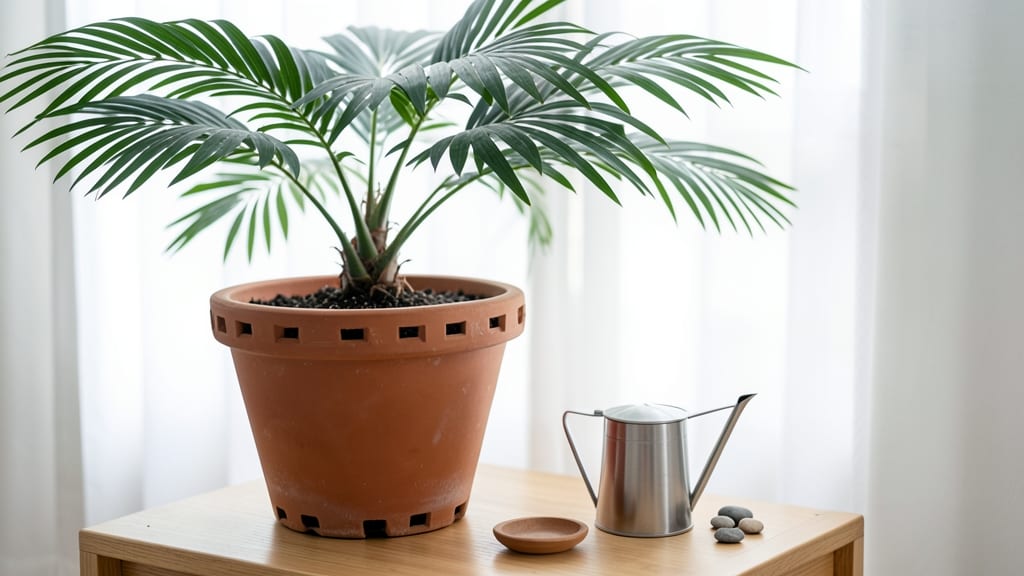
Growing palm trees in pots turns any balcony or patio into a tropical escape—no backyard required. 🌴 I’ve watched my dwarf palm go from a sad nursery plant to a lush, 4-foot-tall statement piece in just two years, and the secret isn’t complicated.
The right species, container, and a few simple care habits make all the difference, especially in small spaces where roots can’t spread.
Start with a 5-gallon pot for smaller palms like the Parlor or Areca, or go up to 15 gallons for taller varieties like the Majesty. Drainage holes are non-negotiable—root rot is the silent killer of potted palms.
Use a fast-draining mix of peat, perlite, and sand (or buy a pre-mixed palm soil), and water only when the top inch feels dry. Overwatering is the #1 mistake beginners make.
Place your pot where it gets bright, indirect light—think morning sun and afternoon shade. Indoor palms need a south- or west-facing window, while outdoor palms thrive on covered patios or under pergolas.
Feed with a balanced liquid fertilizer every 6-8 weeks in growing season, and watch those fronds unfurl like clockwork. Slow growth? Check your light first—palms stretch toward weak sources, turning leggy and sad.
Winter care depends on your climate: indoor palms appreciate a cool but bright spot, while outdoor palms in zones 8-10 may need lightweight frost protection (like burlap wraps). Yellow fronds? Usually a sign of overwatering or nutrient deficiency.
Trim them at the base, and your palm will bounce back faster than you think. Ready to turn your space into a mini paradise?
📚 In This Guide
- What you need
- Instructions
- Tips and common mistakes
- Wrapping up and next steps
What you need
- ● Pot: A durable, well-draining container with drainage holes (minimum 12–18 inches in diameter for dwarf palms, 20+ inches for larger varieties like Majesty or Canary Island). Opt for terracotta or fiberglass to prevent root rot.
- ● Potting Mix: A fast-draining, airy blend—mix 50% palm/succulent mix, 30% perlite or pumice, and 20% orchid bark or coconut coir.
- ● Palm Tree: Choose a dwarf or slow-growing variety like Pygmy Date Palm, Parlor Palm, or Areca Palm (avoid large species like Coconut Palms).
- ● Drainage Layer: 2–3 inches of gravel, lava rock, or ceramic shards to prevent waterlogging.
- ● Fertilizer: A balanced, slow-release fertilizer (e.g., 10-10-10 or 20-20-20) or organic options like fish emulsion or worm castings.
- ● Watering Can: With a long spout for deep watering (avoid overhead misting).
- ○ Support Stake (Optional but Helpful): A bamboo or wooden stake to stabilize young palms if needed.
- ● Sunlight: Bright, indirect light (6+ hours/day). South or west-facing windows/patios work best. Use grow lights if indoors.
- ● Temperature: Keep within 65–85°F (18–30°C). Avoid drafts or temps below 50°F (10°C).
- ● Humidity: 40–60% humidity is ideal. Use a humidifier or pebble tray in dry climates.
- ● Pot Size Matters: Upgrade pots every 2–3 years to accommodate root growth (max out at 20% larger than the root ball).
- ● Drainage is Non-Negotiable: Never let palms sit in soggy soil—empty saucers after watering.
- ● Mulch Lightly: Top with orchid bark or pine needles to retain moisture without suffocating roots.
Step-by-step guide to cultivating potted palm trees
Here's how I've mastered growing palms in containers—no yard needed.
🪴 Step 1: Select the Right Pot and Drainage System
Choose a container with drainage holes—at least 12 inches deep for dwarf varieties and 18 inches or larger for medium palms. I use unglazed terra cotta because it breathes and prevents root rot, but any sturdy material works. Add a 2-inch layer of coarse gravel or broken pottery at the bottom to create an air pocket and ensure excess water drains away from roots.
Palms hate soggy feet. If your pot lacks holes, drill them yourself—at least 3 holes per 12-inch pot. The gravel layer also prevents soil from clogging the drainage holes over time. Here's the thing—skip the saucer unless you're prepared to empty it daily. Trapped water at the bottom will suffocate roots.
🌱 Step 2: Prepare the Well-Draining Soil Mix
Palms need fast-draining, airy soil that mimics their tropical forest habitat. Mix 50% high-quality potting mix with 30% perlite or pumice and 20% coarse sand (or orchid bark for larger varieties). This blend prevents compaction and allows oxygen to reach roots. I avoid garden soil entirely—it compacts in pots and strangles roots.
Moisten the mix before planting until it's evenly damp but not dripping. Press it lightly into the pot to eliminate air pockets, but don't pack it down. The goal is a loose, crumbly texture that holds moisture without becoming waterlogged. Add a handful of slow-release fertilizer (14-14-14 ratio) to the bottom layer—this gives roots a nutrient boost right away.
☀️ Step 3: Plant and Position for Optimal Light
Remove the palm from its nursery pot and gently loosen the root ball if it's circling. Place it in the center of your prepared container, then fill around the roots with your soil mix, pressing lightly to eliminate gaps. Leave 1-2 inches of space between the soil surface and the pot rim—this prevents overflow when watering and allows for mulch.
Palms need bright, indirect light—think morning sun with afternoon shade. A south- or west-facing window works, but avoid harsh afternoon rays that scorch fronds. If growing indoors, supplement with a grow light positioned 12-18 inches above the plant for 12-14 hours daily. You'll know the light is right when new fronds emerge upright and vibrant green, not yellowing or stretching.
💧 Step 4: Water Deeply and Maintain Humidity
Water thoroughly until it drains from the bottom, then wait until the top 2-3 inches of soil feel dry before watering again. Palms in pots dry out faster than in-ground plants, so check soil moisture every 5-7 days—more often in hot weather. I use a moisture meter to avoid guesswork, but stick your finger in if you're unsure. The soil should feel damp but not soggy.
Mist the fronds 2-3 times weekly or place the pot on a pebble tray filled with water to increase humidity. Palms are tropical plants and appreciate 50-70% humidity. If your home is dry, consider a small humidifier near the plant. Watch for brown, crispy frond tips—this is a classic sign of low humidity or underwatering.
✂️ Step 5: Fertilize and Prune for Healthy Growth
Feed your potted palm every 4-6 weeks during spring and summer with a balanced liquid fertilizer (20-20-20 or similar). Reduce feeding to once every 8-12 weeks in fall and winter when growth slows. I always dilute fertilizer to half-strength to avoid burning roots. Over-fertilizing is a common mistake—palms are heavy feeders but can't handle excess salts.
Prune only when necessary: remove yellow or brown fronds at the base with clean, sharp pruners, cutting just above the point where the frond meets the trunk. Never prune more than one-third of the fronds at a time—this stresses the plant. If the frond is still green but drooping, it's likely just shedding old leaves naturally. Here's the moment that matters: never prune healthy green fronds—they're photosynthesizing and feeding the plant.
Tips & tricks for perfect potted palm trees
Real talk: Growing palms in containers isn't just about choosing the right pot—it's about creating the perfect microclimate. Here's what nobody tells you about keeping your tropical beauty thriving.
Pot Material Matters: While terra cotta is my go-to for its breathability, plastic pots actually retain moisture longer—great for dry climates. The key is consistency: whatever you choose, make sure it's at least 12 inches deep and has proper drainage. I've seen people use decorative cache pots without drainage holes, and trust me, that's a recipe for root rot. If you must use one, place your palm in a nursery pot with holes first, then nest it inside the decorative outer pot. This way, you get both style and function.
Soil Mix Secrets: That 50-30-20 blend (potting mix, perlite, sand) is non-negotiable, but here's the upgrade: mix in 10% coconut coir for better moisture retention without compacting. I also recommend adding a handful of orchid bark chunks to the mix—they improve aeration as they break down. When moistening your mix, aim for damp but not dripping consistency. Think of it like wringing out a sponge—just enough moisture to hold together when squeezed, but not soaking wet.
Lighting Hacks: That 12-14 hours of grow light recommendation is crucial, but positioning matters just as much. Place your grow light 12-18 inches above the plant and adjust as your palm grows. I use a timer to automate this—12 hours on, 12 hours off mimics natural daylight cycles. For natural light, rotate your pot quarter-turn weekly so all sides get even exposure. You'll notice when your palm is happy: new fronds emerge upright and vibrant green, not stretching or yellowing.
Watering Wisdom: The top 2-3 inches dry rule is solid, but here's how to check properly: stick your finger in—if it feels dry up to your first knuckle, it's time to water. For extra accuracy, use a moisture meter in multiple spots. I've learned the hard way that bottom-watering (placing the pot in a tray of water for 10-15 minutes) helps prevent fungal issues by keeping the soil surface dry. Just don't let the pot sit in standing water—palms hate wet feet, even temporarily.
Pro Tips for Grow Palm Trees In Pots
- Real talk: Growing palms in containers isn't just about choosing the right pot—it's about creating the perfect microclimate.
- Pot Material Matters: While terra cotta is my go-to for its breathability, plastic pots actually retain moisture longer—great for dry climates.
- Soil Mix Secrets: That 50-30-20 blend (potting mix, perlite, sand) is non-negotiable, but here's the upgrade: mix in 10% coconut coir for better moisture retention without compacting.
Frequently asked questions
Got questions about potted palm trees?
You’re not alone! Here are answers to the most common concerns—from choosing the right pot to keeping your palm thriving in small spaces.
What’s the best type of palm tree for growing in pots?
Opt for dwarf varieties like the Pygmy Date Palm or Parlor Palm—they’re compact, slow-growing, and perfect for containers. Avoid fast-growing species like the Coconut Palm, which need massive pots and outdoor climates. Always check the mature height before buying!
How often should I repot my palm tree?
Repot every 2–3 years or when roots circle the pot’s base. Spring is ideal—it gives your palm time to adjust before summer heat. Use a pot 2–3 inches wider than the current one, and refresh the soil with a well-draining mix (like cactus soil + perlite).
Why are the tips of my palm tree turning brown?
Brown tips usually mean underwatering or fluoride buildup from tap water. Try these fixes:
- Water deeply when the top 2 inches of soil dry out.
- Use rainwater or distilled water to avoid chemicals.
- Trim dead fronds with sterilized shears to prevent rot.
Can I grow a palm tree in a pot indoors?
Yes, but bright, indirect light is a must—place near a south- or west-facing window. If leaves yellow, it’s likely low light. For extra humidity, mist leaves or use a pebble tray. Avoid drafts (like AC vents) and drafty windowsills.
What’s the cheapest way to start growing palm trees in pots?
Skip nursery buys! Try these budget-friendly options:
- Seedlings: Buy seeds online (~$5–$10) and germinate in a warm, humid spot.
- Propagate cuttings: Some palms (like Kentia) grow from offshoots—just separate and repot!
- Secondhand pots: Check local markets or Facebook Marketplace for gently used containers.
Pro tip: Start with $15–$20 dwarf palms from garden centers—they’re foolproof for beginners!
Wrapping up and next steps
Growing palm trees in pots is totally doable—even in small spaces! 🌿 With the right container, soil mix, and care routine, you can enjoy a lush, tropical vibe without a yard. Remember: consistent watering, bright (but indirect) light, and occasional pruning are your best friends for happy palms.
Now that you’re armed with the know-how, why not pick your favorite variety and get planting? Start with a small pot, monitor its progress, and soon you’ll be the proud palm parent of a thriving mini-canopy! 🌴