
Picking
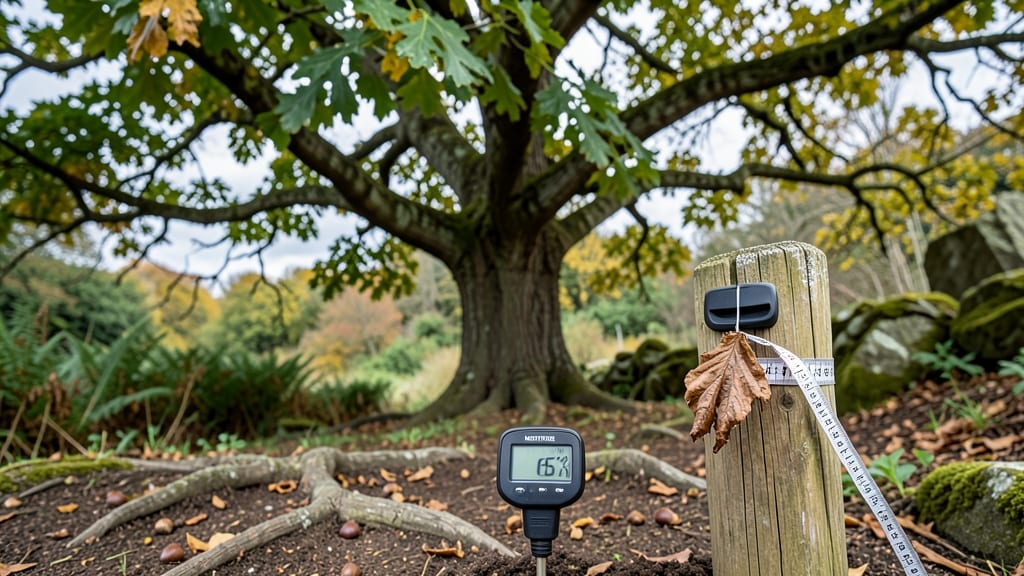
Knowing if your tree is dying can save it—or at least help you decide when to remove it before it becomes a hazard. 🌳 I’ve stood under trees that looked fine one season and lost half their canopy the next, and the early signs are often subtle.
Most people wait too long, assuming yellow leaves or a few dead branches are normal aging. But some clues are unmistakable: sudden leaf drop in spring, oozing sap, or bark splitting like a dried riverbed.
The biggest mistake is treating symptoms like a passing phase—like assuming drought stress will pass if you water more. Trees can’t recover from certain damage, especially fungal infections or root rot, which spread silently underground.
That’s why I check for five key signs before calling an arborist: leaf scorch, fungal growth on bark, hollow spots when tapped, and the telltale "flagging" where branches die back from the tip. These don’t lie.
What you’ll learn here is how to spot these signs early, when intervention still works.
A dying tree might not be saved, but catching it in time can prevent it from falling on your house—or your neighbor’s. We’ll also cover what to do next, whether that’s pruning, soil testing, or knowing when to let go. No guesswork, just clear steps.
This works for any tree—oak, maple, or even your backyard fruit tree—no matter your experience level. The key is acting before the tree acts first. Let’s get started.
📚 In This Guide
- What you need
- Instructions
- Tips and common mistakes
- Wrapping up and next steps
What you need
- ● Safety gear: Work gloves (1 pair) – gardening or heavy-duty gloves to protect your hands from thorns, sap, or rough bark.
- ● Safety goggles (1 pair) – for protection while inspecting branches or using tools.
- ● Inspection tools: Hand lens or magnifying glass (1) – for closely examining bark, leaves, or insects.
- ● Small pocket knife or pruning shears (1) – for gently scraping bark or trimming small samples.
- ○ Measuring tape (1) – to check branch thickness or tree height (optional but helpful).
- ● Recording supplies: Notebook or smartphone – to jot down observations, dates, or photos of symptoms.
- ○ Camera (optional) – for documenting signs like discoloration or pest damage.
- ● Soil pH test kit – to check if nutrient deficiencies are contributing to decline.
- ● Moisture meter – for assessing root-zone hydration if drought is suspected.
- ● Tree identification guide or app – to confirm your tree species for targeted care.
- ● Pruning saw or loppers – if you plan to trim dead branches during your assessment.
How to diagnose a dying tree before it's too late
Here's what I look for first—these signs reveal trouble before a tree collapses.
🌿 Step 1: Check the Canopy for Thinning or Dead Branches
Start by examining the tree from all sides. A healthy tree has a full, lush canopy with leaves uniformly distributed. If you see bare patches larger than a dinner plate or branches with no leaves at all, that's your first warning sign. I always run my hand along smaller branches—if they snap easily or crumble like dry twigs, the tree is struggling.
Look for yellowing leaves that stay attached longer than usual. While some seasonal color change is normal, bronze, brown, or black leaves that don't fall off indicate stress. I check the undersides too—pests like spider mites often start there, leaving tiny webs or speckled damage.
☀️ Step 2: Inspect the Bark for Cracks, Peeling, or Fungal Growth
Scrape back a small section of bark with your fingernail. Healthy bark should be smooth and slightly firm, not flaking like old wallpaper. If you see deep cracks, sunken areas, or mushrooms growing at the base, that means the tree's defense system is compromised. I've seen oozing sap or black streaks (a sign of canker disease) on oaks and maples—those trees need immediate attention.
Pay special attention to the trunk's base. If the bark feels soft or spongy when pressed, root rot may have set in. I always check for sawdust-like frass (insect droppings) around cracks—this means boring beetles are eating the tree from the inside out.
💧 Step 3: Test the Soil Around the Tree's Roots
Dig down 2-3 inches near the drip line (where the branches spread outward). Healthy soil should smell earthy, not like rotten eggs (a sign of anaerobic conditions). If it feels compacted like clay or stays clumped when wet, your tree isn't getting enough oxygen to its roots.
Stick your finger in—if the soil is bone dry at the surface but soggy below, that's a red flag for root suffocation. I've seen trees die from overwatering just as quickly as from drought. A simple soil moisture test (pressing your finger in) tells you more than guessing.
⏰ Step 4: Look for Sudden Leaf Drop or Unusual Growth Patterns
If your tree drops more than 20% of its leaves in a single season, that's not normal shedding—it's distress. I've seen maples lose leaves in July because of sudden drought or June bugs defoliating entire branches overnight. Compare this year's foliage to last year's photos—noticeable thinning means the tree is allocating energy to survival, not growth.
Watch for epicormic branching—those little shoots sprouting along the trunk or branches. While some trees do this naturally, excessive sprouting (more than a few per trunk section) signals the tree is trying to regenerate because the crown isn't doing its job.
✂️ Step 5: Assess the Tree's Structural Stability
Gently shake the tree's branches. If they move excessively or break easily, the tree is weak. I've had to call an arborist after seeing large splits in the trunk or leaning that suddenly worsened. A healthy tree should have a straight, upright trunk with minimal lean—any sudden tilt could mean root failure.
Check for fungal cones (shelf fungi) growing from the trunk. These aren't just unsightly—they indicate advanced decay. I've seen trees with hollow centers from years of ignored fungal growth. If you tap the trunk with a knuckle and hear a hollow sound, the wood is compromised.
Tips & tricks for diagnosing a dying tree
Don't wait until it's too late—these practical tips will help you spot trouble early and take action.
Seasonal Comparison: Take photos of your tree's canopy every spring and compare them year to year. Noticeable thinning between seasons—especially more than 20% leaf loss—is your first red flag. I've seen healthy trees lose 10% naturally, but anything beyond that signals distress. Keep these photos in a dedicated folder labeled with the year for easy reference.
Bark Inspection Technique: When checking bark in Step 2, focus on areas where branches meet the trunk—these stress points often show early signs. Use a magnifying glass to examine for tiny cracks or powdery residue (a sign of powdery mildew). I once missed a fungal infection because I only checked the trunk's main surface, not these vulnerable junctions. A small investment in a $5 magnifying tool can save your tree.
Soil Test Hack: For the soil test in Step 3, dig at multiple points around the drip line—not just one spot. I've found that one side of a tree might have healthy soil while the other side is waterlogged. Press your finger in to test moisture—if it feels like packing wet sand, you're dealing with compacted soil that suffocates roots. This simple test reveals why some trees struggle even when they get regular water.
Structural Stability Check: When assessing stability in Step 5, pay special attention to the tree's lean. A healthy tree may lean slightly with the wind, but sudden worsening of lean—especially if it's now pointing toward your house or driveway—means root failure. I've seen trees that looked fine from the front but had dangerous hollows on the back side. Always walk around the tree for a complete assessment.
Pro Tips for How Do You Know If Your Tree Is Dying
- Don't wait until it's too late—these practical tips will help you spot trouble early and take action.
- Seasonal Comparison: Take photos of your tree's canopy every spring and compare them year to year.
- Bark Inspection Technique: When checking bark in Step 2, focus on areas where branches meet the trunk—these stress points often show early signs.
Frequently asked questions
Got questions about saving your struggling tree? Here are some of the most common concerns—and expert answers to help you act fast.
What are the first signs my tree might be dying?
Watch for thinning or discolored foliage (especially if it’s happening in patches or all at once), dead branches that snap easily, or peeling bark revealing dark, mushy wood underneath. These are early red flags that your tree’s health is declining.
How long do I have to save a dying tree once I notice the signs?
Time is critical! If you catch issues like fungal infections, pest infestations, or root rot early, you may have weeks to months to act. But if the tree is already leaking sap, shedding bark, or showing large dead zones, it could be too late for recovery. Act fast—don’t wait for the whole canopy to turn brown!
Can I prune a dying tree to help it recover?
Pruning can help, but only if done correctly. Remove dead, diseased, or damaged branches to redirect energy to healthier parts. Avoid heavy pruning—it stresses the tree further. If you’re unsure, consult an arborist to avoid accidentally harming what’s left.
What should I do if my tree is already dead?
If your tree is completely devoid of leaves, has hollow trunks, or falls over easily, it’s best to remove it safely. Dead trees are a hazard—they can attract pests, spread disease, or fall unexpectedly. Hire a professional to stump grind and remove it to protect your property and landscape.
Should I replace a dying tree, or is there hope?
It depends! If the tree is young, healthy in other areas, and suffering from a treatable issue (like drought or pests), recovery is possible with proper care. But if it’s been declining for years or is a hazardous species, replacing it with a native, disease-resistant alternative might be the better long-term choice.
Wrapping up and next steps
Don’t let a dying tree take you by surprise—catching the signs early can make all the difference! 🌳 By watching for leaf discoloration, sparse foliage, cracks in the bark, fungal growth, or dead branches, you’ll be ready to act before it’s too late.
Even if your tree is struggling, proper care (or professional help) can often revive it.
Ready to take action? Start by inspecting your tree closely or consulting a local arborist for expert advice. Your green thumbs—and your yard—will thank you! 🌿