Propagation
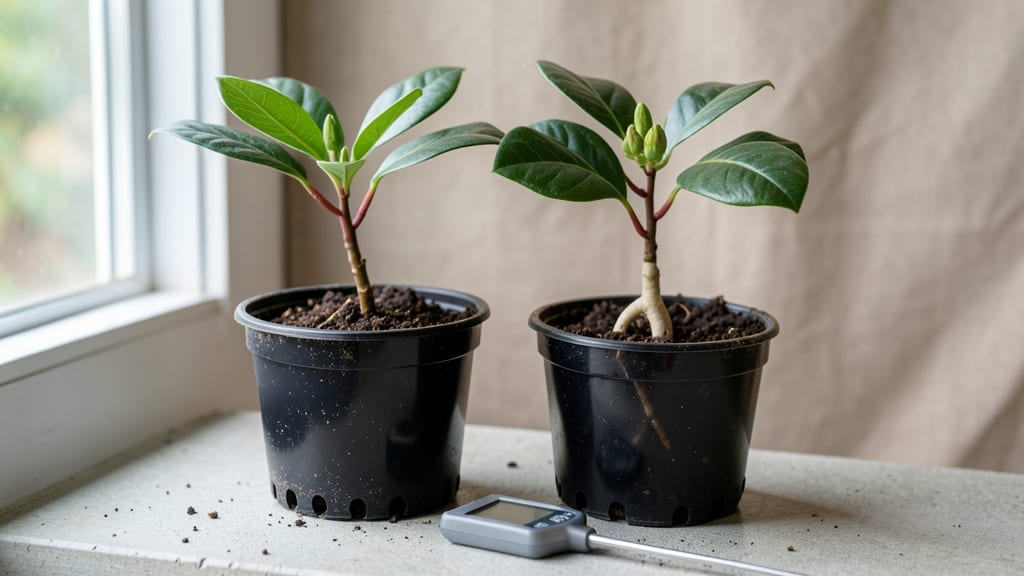
Growing a cocoa tree from seed means your backyard could one day smell like a tropical forest at harvest time. 🌿 The journey starts with a single seed—fermented, dried, and carefully planted—and ends with a tree that takes years to mature but rewards you with the promise of homegrown chocolate.
Here's how to begin this long-term adventure.
You'll need patience, a warm climate (zones 10-12), and the right setup: a seedling tray, well-draining potting mix, and a humid environment to mimic the cocoa tree's natural habitat. Most seeds take 2-6 weeks to germinate, and the first few years focus on nurturing strong roots and branches—not fruit.
The key is keeping soil moist but never soggy, and protecting young plants from cold drafts.
By year three, you'll see real growth: glossy leaves, sturdy stems, and maybe even tiny flower buds if conditions are perfect. The real magic happens years later, when your tree finally bears pods—but the joy of watching it grow makes every season worthwhile.
This isn't a quick harvest; it's a living legacy.
Even in cooler climates, you can start seeds indoors and transplant outdoors when temperatures stay above 60°F. The biggest challenge? Avoiding pests like mealybugs and maintaining humidity. But with the right care, your cocoa tree could become the centerpiece of your garden—and your future chocolate stash.
📚 In This Guide
- What you need
- Instructions
- Tips and common mistakes
- Wrapping up and next steps
What you need
- ● Cocoa tree seeds (fermented & dried): 3–5 seeds (freshness matters—look for plump, dark brown seeds with minimal cracks).
- ● Biodegradable seed-starting pots (or small plastic cups): 3–5 pots (3–4 inches in diameter) with drainage holes.
- ● Well-draining potting mix: 1 bag (look for a blend labeled for tropical plants or seed starting, like a mix of peat moss, perlite, and coconut coir).
- ● Spray bottle: 1 (for gentle watering to avoid disturbing seeds).
- ● Clear plastic wrap or humidity dome: 1 (to create a mini greenhouse effect).
- ○ Heating mat (optional but helpful): 1 (70–80°F range to speed up germination).
- ● Grow lights or sunny windowsill: Access to bright, indirect light (6+ hours daily).
- ● Fertilizer (balanced, water-soluble): 1 small bottle (e.g., 10-10-10 or 20-20-20, diluted to half-strength).
- ● Pruning shears: 1 (for future trimming as the tree grows).
- ● Humidifier or pebble tray: To maintain moisture levels during germination.
- ● Soil moisture meter: To monitor moisture without overwatering.
- ● Support stakes or trellis: For young trees as they grow taller (3–4 feet).
- ● Mulch (wood chips or straw): Once transplanted outdoors, to retain soil moisture.
- ● Garden journal: To track growth stages, watering, and fertilization schedules!
Step-by-step instructions for cultivating cocoa trees from seed
Here's how to nurture these tropical giants from tiny seeds into thriving specimens.
🌱 Step 1: Extract and Prepare the Seeds
Start with fresh cocoa pods—they must be ripe and slightly soft to the touch. Cut open the pod lengthwise with a sharp knife, avoiding the thick outer shell. Inside, you'll find 20-50 seeds embedded in a sweet, white pulp. Scoop out the seeds and pulp together, being careful not to damage the seed coats.
Here's the thing—you'll want to plant these immediately. The pulp contains natural microbes that help germination, but leaving them exposed for more than a day risks drying out. If you can't plant right away, wrap them in damp paper towels and store in a plastic bag in your fridge for up to 3 days. The pulp should stay moist but not soggy to the touch.
🪴 Step 2: Create the Ideal Germination Environment
Use a shallow container with drainage holes filled with a mix of 50% perlite and 50% peat moss—this keeps the medium airy while retaining moisture. Plant the seeds ½ inch deep, spacing them 2 inches apart. The goal is to mimic their tropical forest floor habitat where they'd naturally decompose under leaf litter.
Cover the container with clear plastic wrap or a humidity dome to trap warmth. Place it in a location with constant warmth—think 75-85°F—like on top of your fridge or near a heat mat. You'll see tiny sprouts in 7-14 days, but be patient if your home runs cooler. The seeds need consistent moisture, so mist the soil daily until you notice first true leaves appearing.
☀️ Step 3: Transition to Light and Gradual Growth
Once seedlings show their first true leaves (not the initial seed leaves), remove the plastic cover immediately. Move them to a bright spot with indirect light—direct sun at this stage will scorch delicate leaves. A south-facing window with sheer curtains works well. If your home lacks natural light, supplement with a grow light kept 6-12 inches away for 12 hours daily.
Real talk: These seedlings grow slowly at first. You might not see much height gain for 6-8 weeks, but roots will be establishing underground. When they reach 4-6 inches tall, it's time to transplant each into its own 6-inch pot with fresh potting mix. Handle the roots gently—cocoa trees have sensitive taproots that don't like disturbance.
🌿 Step 4: Establish Long-Term Care for Mature Growth
By 12 months, your cocoa trees will need larger containers—aim for 10-12 inches wide with drainage. Use a well-draining mix of 60% potting soil, 20% perlite, and 20% compost. Water when the top 2 inches of soil feel dry, but never let them sit in soggy conditions. Cocoa trees in containers dry out faster than in ground plantings.
Here's where it gets fun—watch for flower buds appearing after 3-5 years. These trees need high humidity (60-80%) and warmth to thrive. If your climate dips below 50°F, bring them indoors near a sunny window. Prune only to remove dead or crossing branches—cocoa trees develop their own natural shape over time. With patience, you'll harvest pods in 5-10 years if conditions are perfect.
Tips & tricks for perfect cocoa tree cultivation
Growing cocoa trees from seed is a rewarding journey that demands patience and precision. Here are the insights I've gathered from years of nurturing these tropical beauties.
Seed Preparation Precision: When extracting seeds from cocoa pods, work quickly but gently—those seed coats are delicate. I've learned the hard way that even minor damage can reduce germination rates. After removing the seeds with pulp, give them a quick rinse under lukewarm water to remove any excess pulp residue, then pat them thoroughly dry. This step helps prevent fungal issues during the critical first 3 days of storage.
Germination Environment Secrets: The 75-85°F temperature range is non-negotiable for successful germination. I've found that placing the seed container on top of my refrigerator (which maintains a consistent 78°F) works perfectly. For humidity control, I use a small plant mister to maintain moisture without oversaturating the perlite-peat mix. The key is to keep the environment warm, humid, and consistently moist—like a miniature tropical rainforest.
Light Transition Strategy: When your seedlings show their first true leaves, that's your cue to remove the plastic cover immediately. I've noticed that seedlings kept under plastic too long develop weak stems that struggle to support themselves. For light, I recommend starting with a south-facing window with sheer curtains, then gradually increasing light exposure over 2 weeks. This hardening process prevents leaf scorch when you eventually introduce direct sunlight.
Long-Term Growth Hack: By the 12-month mark, your cocoa trees will be ready for their first major upgrade to 10-12 inch pots. I've developed a technique of pre-moistening the new potting mix before transplanting—this minimizes root shock. After transplanting, I give the plants a week of reduced watering to encourage root establishment in their new home. This patience pays off with stronger, more resilient trees that continue growing vigorously.
Pro Tips for Grow A Cocoa Tree From Seed
- Growing cocoa trees from seed is a rewarding journey that demands patience and precision.
- Seed Preparation Precision: When extracting seeds from cocoa pods, work quickly but gently—those seed coats are delicate.
- Germination Environment Secrets: The 75-85°F temperature range is non-negotiable for successful germination.
Frequently asked questions
Got questions about growing your own cocoa tree from seed? You’re not alone—this tropical treasure takes patience and care! Here are answers to the most common questions to help you navigate the journey with confidence.
How long does it take for a cocoa tree to bear fruit?
A cocoa tree grown from seed typically takes 5 to 10 years to produce pods, depending on climate, care, and variety. In ideal tropical conditions (warmth, humidity, and shade), you might see early blooms in 3–4 years, but full production takes time. Patience is key—think of it as a long-term investment in chocolate heaven!
Can I grow a cocoa tree indoors or in a container?
While cocoa trees thrive outdoors in tropical climates, they can start indoors in containers if you live in a cooler zone. Use a large pot (at least 12 inches deep) with well-draining soil and place it in a sunny spot. However, they’ll need to be moved outdoors during warm months and brought back inside before frost. Long-term, outdoor planting is ideal for healthy growth.
Why is my cocoa seedling wilting or turning yellow?
Wilting or yellowing leaves usually signal overwatering, underwatering, or poor drainage. Cocoa trees prefer consistently moist (not soggy) soil. Check the top inch—if it’s dry, water lightly; if it’s muddy, let it dry out. Yellowing can also indicate nutrient deficiency (like magnesium or nitrogen) or pests (e.g., spider mites). Adjust care and inspect leaves for signs of trouble.
Do I need to plant multiple cocoa trees to get pods?
Cocoa trees are self-pollinating, but planting two or more nearby improves your chances of fruit production. Cross-pollination can enhance genetic diversity, leading to healthier pods. If you’re short on space, try hand-pollinating with a soft brush to transfer pollen between flowers. Just don’t expect a harvest overnight—it’s a slow but rewarding process!
What’s the best climate for growing cocoa trees?
Cocoa trees love tropical climates with:
- Year-round temperatures between 68–86°F (20–30°C).
- High humidity (70–90%) and 120+ inches of rain annually.
- Partial shade when young, transitioning to full sun as they mature.
Wrapping up and next steps
Growing a cocoa tree from seed is a rewarding journey that connects you to nature’s rich bounty—literally! 🌱 With patience, the right environment, and a little care, you can nurture a thriving plant that may one day yield delicious cocoa beans.
Start small, stay consistent, and don’t hesitate to troubleshoot along the way.
Ready to take the next step? Research local climate conditions or explore grafting techniques to accelerate fruit production. Whether you’re a hobbyist or aspiring chocolatier, your cocoa tree is just the beginning of a sweet adventure! 🍫