
Propagation
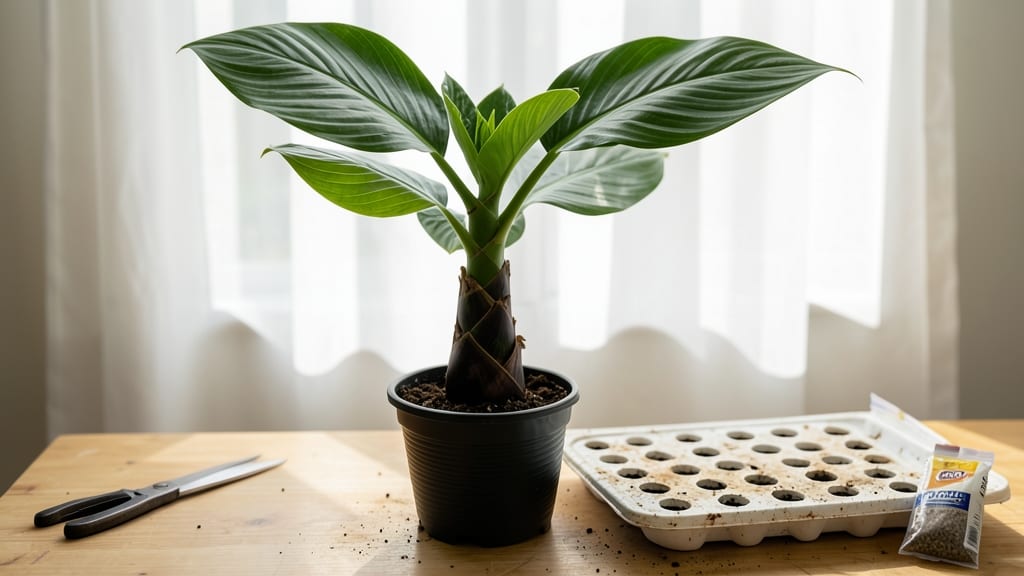
Growing a banana tree from a banana seed turns your kitchen into a tropical nursery—just don’t expect fruit anytime soon. 🌱 The journey from seed to first leaf is slow, but the thrill of nurturing a plant that could one day produce fruit makes every step worthwhile.
My first attempt took nearly a year just to see a sprout, but now I’ve got a 3-foot indoor plant that’s still learning to love the light.
Here’s the secret: banana seeds need warmth, humidity, and patience. You’ll start with a seed from an organic banana (store-bought seeds rarely sprout), then soak it for 3-5 days to soften the shell.
Once it cracks, plant it in moist potting mix and keep it in a warm spot—think 75-85°F, like a sunny windowsill or under grow lights. The first leaves will be tiny and delicate, but they’re your first sign of success.
By the time your seedling reaches 12 inches, you’ll face the big decision: keep it indoors as a houseplant or move it outside in subtropical zones (9-11). Outdoor plants can grow 10+ feet tall with proper care, while indoor specimens stay manageable but rarely fruit.
Either way, the broad, glossy leaves bring instant tropical vibes to any space—even if it takes years for that first banana to appear.
Fair warning: banana trees from seed are a marathon, not a sprint. Most never fruit indoors, and outdoor plants need winter protection in colder zones. But the process itself—watching roots tangle through a pot, leaves unfurl like a fan—is pure magic.
If you’re in it for the adventure, this is your chance to grow something truly exotic.
📚 In This Guide
- What you need
- Instructions
- Tips and common mistakes
- Wrapping up and next steps
What you need
- ● Banana seeds: 2–5 (harvested from a ripe banana—see our guide on extracting them!)
- ● Small pots (3–4 inches in diameter): 2–3 (with drainage holes)
- ● Well-draining potting mix: 1 bag (use a blend of coconut coir, perlite, and peat moss for moisture control)
- ○ Seeds or seed-starting soil: 1 small bag (optional but helps with germination)
- ● Plastic wrap or humidity dome: 1 (to retain moisture during germination)
- ● Spray bottle (with water): 1 (for gentle hydration)
- ● Grow lights or sunny windowsill: 1 (south-facing window or LED grow lights for 12+ hours/day)
- ● Tweezers or toothpick: 1 (for handling tiny seeds)
- ○ Heat mat (optional): 1 (keeps soil warm, speeds up germination—70–85°F ideal)
- ● Fertilizer (balanced, water-soluble): 1 small bottle (diluted to half-strength for seedlings)
- ● Larger pot (10+ inches): 1 (for transplanting after 3–4 months)
- ● Mulch or bark chips: 1 bag (for mature plants to retain moisture)
- ● Pruning shears: 1 (for future maintenance)
Step-by-Step instructions for growing a banana tree from seed
Here's how to turn a store-bought banana into a thriving tropical plant.
🌱 Step 1: Extract and Prepare the Seed
Save the banana seed from a ripe fruit—look for the hard, black seed nestled in the center. Rinse it thoroughly under cool water to remove all fruit residue, then let it dry completely on a paper towel for 24 hours. This prevents mold from forming while it germinates.
Place the dried seed in a small container with 1 inch of moist paper towels (folded to hold shape). Seal the container with plastic wrap to maintain humidity, then store it in a warm spot (75-80°F). Check daily—mist lightly if towels dry out. You'll see a tiny sprout in 2-4 weeks, signaling it's ready for soil.
🪴 Step 2: Plant the Germinated Seed
Fill a 4-inch pot with a mix of 50% potting soil and 50% perlite (for drainage). Make a ½-inch deep hole in the center and gently place the sprouted seed inside, covering it lightly. Press the soil down just enough to secure the seed without compacting it.
Water the pot until moisture drains from the bottom, then place it in a bright, indirect light spot. Avoid direct sun at this stage—young seedlings are sensitive to intense heat. Keep the soil consistently moist but never soggy; stick your finger in the soil—if the top ½ inch feels dry, it's time to water.
☀️ Step 3: Transition to Sunlight Gradually
Once the seedling reaches 3-4 inches tall (usually 6-8 weeks), it's ready for more sunlight. Move it to a south-facing window or under a grow light for 12-14 hours daily. If outdoors, place it in partial shade first, then slowly introduce morning sun over 1-2 weeks to avoid leaf scorch.
Rotate the pot a quarter turn weekly so the plant grows straight. You'll notice new leaves emerging as it adjusts—these are your signal that it's thriving. Fertilize lightly with a balanced liquid fertilizer (diluted to half strength) every 4 weeks once it has 5-6 leaves to encourage strong growth.
🌿 Step 4: Repot and Care for Maturity
When the banana tree reaches 12-18 inches tall, repot it into a 6-inch container with fresh potting mix. Choose a pot with drainage holes and fill it 1 inch below the rim to prevent overwatering. After repotting, water deeply and place it in bright, indirect light for 1 week to help it recover.
Mature banana trees need plenty of water—keep the soil moist but not waterlogged. In warmer months, you can move it outdoors to a sheltered spot with partial sun. Watch for yellow leaves, which often signal overwatering or nutrient deficiency. If this happens, adjust your watering schedule or add a balanced fertilizer.
Tips & tricks for growing a banana tree from seed
Growing a banana tree from a simple seed is one of those rewarding projects that feels like magic. Here's what I've learned to help you avoid common pitfalls and nurture your tropical friend to maturity.
Germination Patience: Those 2-4 weeks of waiting for the sprout to appear can feel endless, but resist the urge to peek or adjust the seed too often. The consistent 75-80°F warmth and moist paper towels are all your seed needs to break dormancy. I keep my container sealed with plastic wrap and place it on top of my fridge—this creates a mini greenhouse effect without needing extra equipment.
Soil Mixture Matters: The 50% potting soil and 50% perlite mix in Step 2 is crucial for preventing root rot. Perlite creates air pockets that mimic the banana tree's natural tropical environment. If you don't have perlite, you can substitute with vermiculite or even coarse sand, but avoid anything too fine that might compact. Press the soil lightly around the seed—just enough to hold it in place without crushing it.
Light Transition Strategy: When moving your 3-4 inch seedling to more sunlight in Step 3, think of it like sunbathing after winter—gradual exposure is key. Start with just 2-3 hours of morning sun, then slowly increase by 30 minutes daily. I've seen seedlings get sunburned when moved too quickly, turning their leaves a sad, yellowish color. A south-facing window is ideal, but if you're using artificial light, a simple LED grow light works wonders.
Watering Wisdom: The "stick your finger in the soil" test in Step 2 is genius because it's foolproof. For the first 6-8 weeks, you're basically keeping your soil in a "slightly damp sponge" state—never soggy, never bone dry. Once your plant reaches maturity, you'll notice it drinks more water, especially in warmer months. I've learned the hard way that banana trees hate "wet feet," so always use pots with drainage holes and empty saucers after watering.
Pro Tips for Grow A Banana Tree From A Banana Seed
- Growing a banana tree from a simple seed is one of those rewarding projects that feels like magic.
- Germination Patience: Those 2-4 weeks of waiting for the sprout to appear can feel endless, but resist the urge to peek or adjust the seed too often.
- Soil Mixture Matters: The 50% potting soil and 50% perlite mix in Step 2 is crucial for preventing root rot.
Frequently asked questions
Got questions?
Growing a banana tree from a seed is exciting, but it’s natural to have doubts along the way. Here are answers to the most common queries to keep your tropical adventure on track!
How long does it take for a banana seed to sprout?
A banana seed typically takes 3 to 6 months to sprout, depending on conditions like warmth, moisture, and soil quality. Patience is key—some seeds may take even longer! Keep the soil consistently moist and warm (around 70–85°F) to encourage germination.
Can I grow a banana tree indoors?
Yes, but with limitations! Banana trees thrive in warm, humid climates and need plenty of sunlight (6+ hours daily). If growing indoors, place it near a sunny window or under grow lights. However, expect slower growth and smaller fruit compared to outdoor plants.
Will my homegrown banana tree produce edible fruit?
Probably not—most banana trees grown from seeds are ornamental and produce small, hard, or inedible fruit. For edible bananas, you’ll need to propagate from a mature plant’s pup or buy a dwarf variety like ‘Dwarf Cavendish.’
Why isn’t my banana seed sprouting?
Common culprits include dry soil, cold temperatures, or low humidity. Try these fixes:
- Keep the soil consistently moist (not soggy).
- Use a heating mat (70–85°F) to speed up germination.
- Cover the pot with plastic wrap to trap humidity.
- Ensure the seed isn’t rotting—check for mold or foul smells.
What’s the best soil mix for banana seeds?
Use a light, well-draining mix like:
- 50% peat moss or coconut coir (for moisture retention).
- 30% perlite or vermiculite (for aeration).
- 20% sand or compost (for nutrients).
Wrapping up and next steps
Growing a banana tree from a seed is a rewarding journey that brings a touch of the tropics right to your doorstep! 🌱 With patience, care, and the right conditions, you’ll witness the magic of life unfolding from a tiny seed.
Once your seedling sprouts and thrives, consider transplanting it outdoors or sharing your green thumb success with fellow plant enthusiasts.
Ready to nurture your own tropical wonder? Start by gathering your supplies and follow the steps—your future banana tree is waiting! 🌿