
Pruning
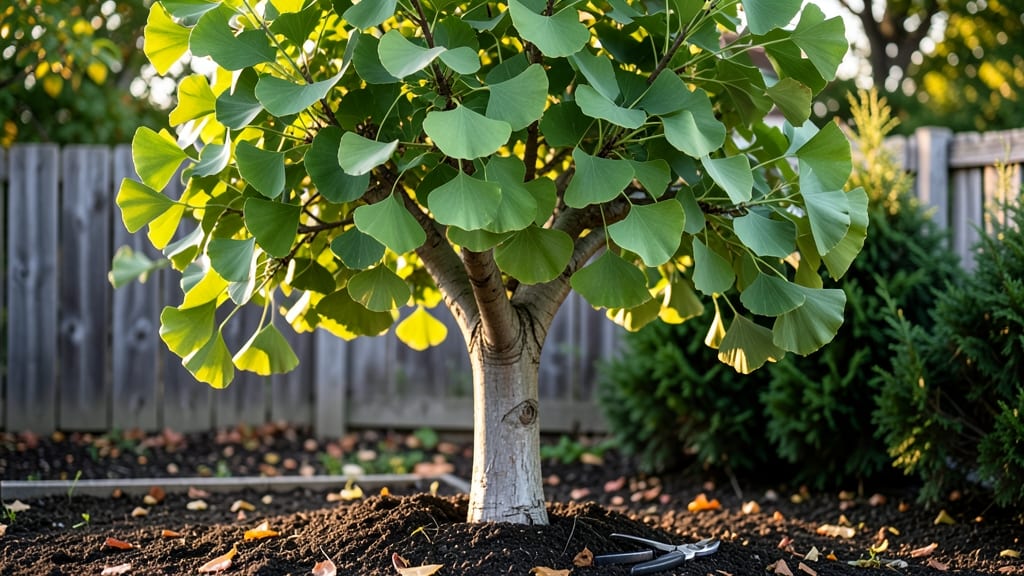
Fall pruning ginkgo trees (Ginkgo biloba) unlocks their frost-resistant glory—those golden leaves you adore won’t just happen by accident. 🌿 The right cuts now shape next year’s canopy while preserving the tree’s iconic autumn display, and it’s easier than you think.
I’ve pruned mine for five seasons, and the difference between a messy, overgrown specimen and a showstopping focal point comes down to timing, tools, and a few key techniques.
The best time to prune is after the leaves turn but before hard frost—usually late October to early November in most climates. You’ll remove dead wood first (it’s the only pruning I do in winter), then thin out crowded branches to improve airflow and light penetration.
A sharp bypass pruner and a 10-foot extension pole are your best friends here, especially if your ginkgo is mature. The goal isn’t perfection—it’s creating space for those golden fans to shine.
What you’ll end up with is a tree that bursts into vibrant yellow every fall without the usual mess of other deciduous trees. The pruning also reduces the risk of disease by keeping branches from rubbing together, and those ginkgo nuts?
They’ll be easier to harvest if you thin the lower branches. Plus, the structure stays strong through winter storms—ginkgos are tough, but smart pruning makes them invincible.
This method works whether you’ve got a 50-year-old specimen or a young sapling—just scale the cuts accordingly. We’ll cover how to spot over-pruning (too many cuts = stress) and why some branches shouldn’t be trimmed at all. Ready to turn your ginkgo into the fall centerpiece of your landscape?
📚 In This Guide
- What you need
- Instructions
- Tips and common mistakes
- Wrapping up and next steps
What you need
- ● Pruning shears: Bypass pruners (for cuts up to ½ inch thick) – look for ergonomic, sharp, and rust-resistant models.
- ● Loppers: 1 pair (for branches ½ to 1.5 inches thick) – choose ratcheting loppers for ease.
- ● Pruning saw: 1 handheld saw (for branches 1.5+ inches thick) – opt for a curved blade for precision.
- ● Gloves: 1 pair of heavy-duty gardening gloves – nitrile-coated for grip and protection.
- ● Safety glasses: 1 pair – to shield eyes from debris.
- ● Disinfectant (70% isopropyl alcohol or pruning sealant): Small bottle – prevents disease spread between cuts.
- ● Ladder or step stool: Sturdy and tall enough to reach the tree’s canopy – never stand on wobbly surfaces!.
- ● Heavy-duty trash bags: 2–3 bags – for collecting pruned branches.
- ○ Rake or leaf blower: Optional – for cleanup after pruning.
- ● Weather check: Prune on a dry, calm day (avoid frost or rain within 24 hours).
- ● Tree assessment: Inspect the ginkgo for dead, diseased, or crossing branches—mark them with tape if needed.
- ● Safety zone: Clear a 10-foot radius around the tree of tools, pets, and bystanders.
- ● Sharp tools: Hone your shears/saw before starting to avoid jagged cuts.
- ○ Optional: Pruning paint (for sealing large cuts >2 inches) – helps prevent decay.
How to prune ginkgo trees for fall resilience
Fall's the perfect time to shape your ginkgo—just don't wait until the first frost.
🌿 Step 1: Assess the Tree for Fall Pruning Needs
Start by examining your ginkgo's structure in the morning light when branches aren't shadowed. Look for dead, crossing, or rubbing branches—these are your top priorities. Healthy ginkgo wood has a smooth, light brown bark with small, evenly spaced buds. Any branch with peeling bark, dark streaks, or no buds is dead and should be removed completely at the branch collar.
Next, identify water sprouts—those fast-growing, vertical shoots that pop up everywhere. While ginkgos are tough, too many water sprouts weaken the tree's energy reserves for winter. Mark these with a piece of twine or flagging tape so you don't miss them during the actual cut. I always check for pest damage too—look for tiny holes or webbing in the leaf litter below the tree.
✂️ Step 2: Prune Dead and Problem Branches First
Grab your bypass pruners for branches under ½ inch thick and a pruning saw for anything larger. Make your first cut just outside the branch collar—that's the swollen area where the branch meets the trunk. Cut at a 45-degree angle if you're removing a branch larger than 2 inches in diameter, but for smaller branches, a straight cut is fine. Never leave a stub—this invites rot and weakens the tree.
For crossing branches, remove the smaller of the two—this opens up the canopy and reduces future conflicts. If you're unsure which branch is dominant, cut the one that's growing more vertically. Work from the top down so fallen branches don't damage the ones you haven't cut yet. I like to step back every few cuts to visualize the tree's new shape—ginkgos respond well to an open, airy structure.
🌱 Step 3: Thin the Canopy for Airflow and Light
Ginkgos naturally grow dense, so thinning the canopy by 20-30% improves air circulation and reduces snow damage. Focus on removing branches that are growing inward or downward—they create a dark, damp environment where diseases thrive. Start at the outer edges and work your way inward, always cutting branches that are too close to others or blocking sunlight from reaching the lower branches.
Here's the thing—ginkgos are forgiving, but don't overdo it. You want to maintain the tree's natural shape while letting light filter through. A good rule of thumb is to remove no more than ¼ of the tree's foliage in a single season. If you're unsure, take a photo before you start so you can compare your progress. I also like to leave a few branches slightly longer on the south side—this helps the tree capture more sunlight during winter.
⏰ Step 4: Clean Up and Protect the Tree
After pruning, rake up all the clippings and debris—leaving them on the ground can harbor pests and diseases over winter. Bag them up and dispose of them in your yard waste. Now's also the time to apply a fresh layer of mulch around the base of the tree, keeping it 3-4 inches deep and 6 inches away from the trunk. This insulates the roots from temperature swings and retains moisture.
If you notice any sawdust-like frass (pest droppings) or webbing, treat the tree with a horticultural oil spray before the first hard frost. Ginkgos are tough, but they're not immune to stress—especially after a major pruning. Water the tree deeply once a week until the ground freezes, even if it's already entered dormancy. This helps the roots establish and prepares the tree for winter. I also like to wrap the trunk of young ginkgos with tree guard to protect it from voles and rabbits.
Tips & tricks for perfect fall ginkgo pruning
Fall pruning transforms your ginkgo into a hardier, more beautiful tree for years to come—if you do it right. Here's how to avoid common mistakes and get the best results.
Step 1: Light Matters: Morning light reveals the true condition of branches—shadows can hide dead wood or pest damage. I've caught multiple issues I missed when pruning in the afternoon. If you can't prune in the morning, wait for an overcast day when light is even. This ensures you don't miss any dead branches hiding in shaded areas.
Equipment Tip: For branches between ½ inch and 2 inches thick, I keep both bypass pruners and a pruning saw handy. The saw's teeth get clogged with ginkgo's fibrous wood, so clean them with a wire brush between cuts. A sharp tool makes cleaner cuts that heal faster—this is especially important for larger branches where improper cuts can invite rot.
Canopy Thinning Strategy: When thinning the canopy by 20-30%, focus on branches that create a "V" shape when looking up at the tree. These are the ones growing inward that will eventually cross and rub. I like to remove every other branch in clusters of three to maintain that airy structure while keeping the tree's natural shape. This prevents future conflicts while improving airflow.
Post-Pruning Care: After cleaning up clippings, I always give the tree a final inspection for any missed damage. Look for any small tears in the bark where branches were cut—these should be sealed with pruning sealant. For young trees, I wrap the trunk with tree guard immediately after pruning to protect against winter critters that might be drawn to the fresh cuts.
Pro Tips for Ginkgo Tree In The Fall
- Fall pruning transforms your ginkgo into a hardier, more beautiful tree for years to come—if you do it right.
- Step 1: Light Matters: Morning light reveals the true condition of branches—shadows can hide dead wood or pest damage.
- Equipment Tip: For branches between ½ inch and 2 inches thick, I keep both bypass pruners and a pruning saw handy.
Frequently asked questions
Got questions about pruning your ginkgo tree in the fall?
Here are answers to the most common ones—so you can trim with confidence and keep your frost-resistant beauty thriving!
When is the exact best time to prune a ginkgo tree in fall?
Prune your ginkgo after the first hard frost (around late October to early November) but before winter dormancy sets in. This timing minimizes stress and helps the tree heal before cold sets in. Avoid pruning too early—you’ll risk encouraging new growth that won’t harden off before frost.
Can I prune a ginkgo tree if it’s already lost its leaves?
Yes! Ginkgo trees are deciduous and drop leaves in fall, making it easier to spot dead or crossing branches. Prune after leaf drop (November–December) for a clearer view, but avoid heavy pruning—focus on shaping and removing only 30% or less of the canopy to prevent shock.
Will pruning in fall hurt a ginkgo tree if frost is coming?
Not if done correctly! Ginkgos are frost-resistant, but avoid heavy cuts too close to winter. Prune before extreme cold snaps (below 20°F/-7°C) and seal larger cuts with pruning sealant if needed. Small cuts (under 1 inch) don’t require sealing—just clean tools and sharp cuts.
What if my ginkgo tree has dead branches—should I remove them now?
Dead or diseased branches should be pruned anytime, but fall is ideal for safety and visibility. Use sterilized shears to cut at the branch collar (the swollen area where the branch meets the trunk). Remove deadwood immediately—it can harbor pests or diseases that may linger into winter.
Are there alternatives if I miss fall pruning?
Yes! You can prune ginkgos lightly in early spring (March–April) before buds swell, but avoid heavy pruning. Fall is best because it reduces disease risk (fewer pests) and lets the tree rest before winter. If you skip fall, prioritize structural pruning in spring and save major work for next autumn.
Wrapping up and next steps
The ginkgo tree’s golden fall display is worth preserving—and with the right pruning, you can keep it thriving for years to come! 🌿 By following this frost-resistant trimming blueprint, you’ll ensure healthy growth, stunning foliage, and minimal stress on your tree. Now’s the perfect time to take action: grab your tools, step outside, and give your ginkgo the care it deserves before winter sets in.
Ready to transform your yard? Start by scheduling a quick check of your tree’s branches—just 30 minutes could make all the difference! 🌟