
Pruning
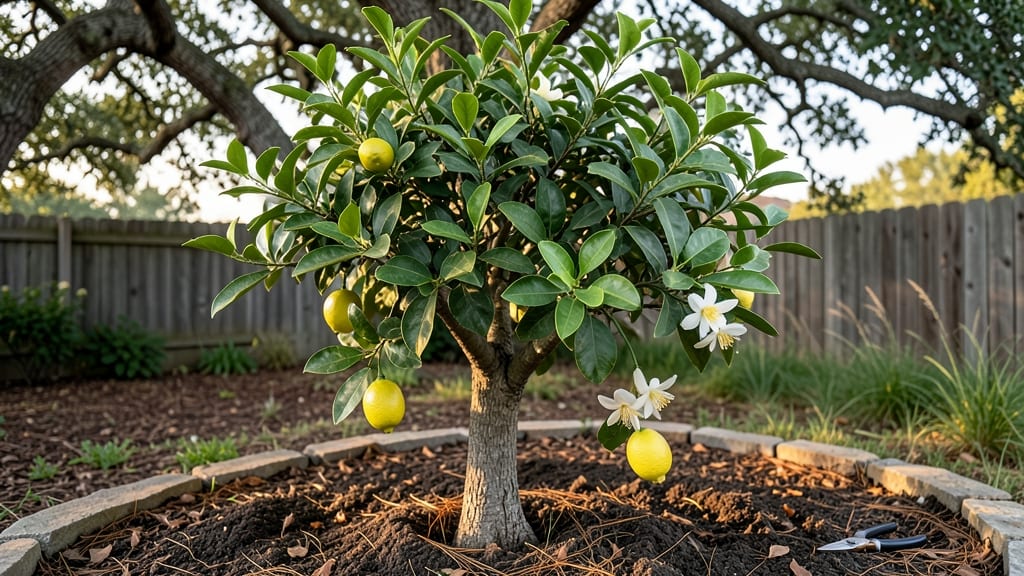
A lemon tree in a pot thrives in the Pacific Northwest when you prune it right—this is how I’ve kept mine producing fruit through damp winters and cool summers for three years straight.
The key isn’t just cutting back; it’s shaping the tree to handle frost, improve airflow, and encourage strong regrowth when temperatures dip. I learned the hard way that aggressive pruning in fall can stress the plant, but the right timing and technique make all the difference.
You’ll need a 15- to 20-gallon container with drainage holes, well-draining soil mix (equal parts potting soil, perlite, and compost), and a sunny spot that gets at least 6 hours of light daily.
Indoor grow lights work in winter, but outdoor trees need winter protection—a thick blanket or moving pots to a garage during hard freezes. My tree now produces dozens of lemons each year, even when temps hover in the 40s at night.
Pruning transforms a leggy, weak plant into a compact, frost-hardy powerhouse. Start in early spring by removing dead wood, then shape the tree by cutting back overgrown branches to buds facing outward.
In late summer, do a light trim to encourage new growth before winter. The result? A tree that recovers faster from cold snaps and flowers more reliably the next season.
This method works for both outdoor patio trees and indoor houseplants—just adjust watering and light based on your space. Whether you’re a first-time grower or a seasoned gardener, these pruning tips will keep your lemon tree healthy, productive, and ready for another harvest.
Let’s get those shears sharp and start shaping!
📚 In This Guide
- What you need
- Instructions
- Tips and common mistakes
- Wrapping up and next steps
What you need
- ● Potted lemon tree: Choose a dwarf variety (like Meyer lemon) in a 10-15 gallon pot with drainage holes.
- ● High-quality potting mix: 10-15 gallons of a well-draining blend (e.g., 50% cactus/succulent mix + 50% perlite or pumice).
- ● Pruning tools: Sharp bypass pruners (for clean cuts).
- ● Small hand pruners (for delicate trimming).
- ● Disinfectant (70% isopropyl alcohol or bleach solution) to sterilize tools between cuts.
- ● Frost protection: Frost cloth (lightweight, breathable, 5x7 ft minimum).
- ○ Grow lights or heat lamp (optional, for indoor overwintering).
- ● Slow-release fertilizer (e.g., osmocote or fish emulsion for citrus).
- ● Pot feet or casters (to improve drainage and mobility).
- ● Glove (to protect hands from thorns and sap).
- ● Spray bottle (for misting leaves in dry climates).
Step-by-Step pruning for a thriving potted lemon tree in cold climates
Mastering pruning transforms your citrus tree from a fragile houseplant into a resilient, productive Northwest survivor.
Time Pruning for Maximum Frost Hardiness
Prune your potted lemon tree in late winter or early spring, just as new growth begins but before buds swell. This timing ensures the tree enters dormancy with a balanced structure that better withstands 20-25°F temperatures—critical for Pacific Northwest winters. Avoid pruning in fall, as new growth won't harden before cold snaps arrive.
Look for dormant branches that appear brown and leafless. These are prime candidates for removal, as they drain energy from the tree. Use sharp pruning shears to make clean cuts at a 45-degree angle, just above a leaf node or outward-facing bud. This encourages outward growth and prevents dense, frost-vulnerable centers.
Remove Dead, Diseased, and Overcrowded Branches
Start by eliminating dead or diseased wood—these branches are entry points for pests and fungal infections that weaken the tree. Cut back to the nearest healthy growth, sterilizing your shears with rubbing alcohol between cuts to prevent cross-contamination. Healthy wood has a firm texture and greenish-brown color beneath the bark.
Next, target crossing branches and those growing inward toward the center of the tree. These compete for sunlight and air circulation, creating moist, shaded areas where frost damage and mildew thrive. Thin the canopy by removing one-third of the least productive branches, focusing on those that disrupt airflow. You’ll notice the tree’s structure opening up, allowing light to penetrate deeper.
Shape for Airflow and Sun Exposure
Develop an open-center vase shape to maximize sunlight exposure and airflow—both critical for frost resistance. Start by removing suckers (shoots growing from the base or trunk) and water sprouts (fast-growing vertical shoots). These saplings divert energy from fruit production and weaken the tree’s cold tolerance.
Step back and visualize the tree’s growth pattern. Aim for a rounded canopy with branches spaced 6-12 inches apart. Prune back overlong branches to half their length if needed, cutting just above a strong lateral bud. This encourages bushier growth that’s less susceptible to frost damage. Avoid heavy pruning in one session; spread it over 2-3 weeks to reduce stress.
Post-Pruning Care for Cold Climate Recovery
After pruning, apply a balanced citrus fertilizer (with equal nitrogen, phosphorus, and potassium) to support new growth. Water deeply once a week until the top 2 inches of soil feel moist, but avoid overwatering—soggy soil slows recovery and invites root rot. Place the pot in a bright, indirect light location for 2-3 weeks to minimize stress.
Monitor for new shoots emerging from the pruned areas within 4-6 weeks. These indicate the tree is healing well. If you notice yellowing leaves or stunted growth, adjust your care: move the tree to a sunnier spot or reduce watering slightly. In the Pacific Northwest, afternoon shade in summer prevents leaf scorch, while morning sun in winter helps the tree absorb warmth.
Winter Preparation for Frost Protection
As temperatures drop below 35°F, move the potted lemon tree to a garage, basement, or insulated porch where it can stay above 40°F. If outdoor conditions allow, place the pot in a sheltered, south-facing spot against a wall for passive solar heating. Wrap the pot in bubble wrap or frost cloth to insulate roots, and cover the canopy with a lightweight frost blanket secured with clips.
Check the tree weekly for signs of frost damage, such as brown, mushy spots on leaves or blackened branch tips. Prune any damaged areas immediately with sterilized shears. By spring, your tree will reward you with new growth and potential fruit set, proving your pruning paid off. Patience and precision now mean a hardier, more productive tree for years to come.
Tips & tricks for perfect potted lemon tree pruning in cold climates
Transforming your citrus tree into a frost-hardy survivor takes precision—not just cutting branches. Here’s how to elevate your pruning game for that resilient Northwest tree.
Timing is Everything: The late winter to early spring window is non-negotiable for Pacific Northwest trees. This exact timing—just as new growth begins but before buds swell—lets your tree harden properly before winter’s return. I’ve seen trees pruned too early develop tender new growth that freezes back when temperatures dip below 25°F. Mark your calendar for when daytime highs consistently reach the mid-40s°F range.
Branch Selection Strategy: When removing one-third of least productive branches in Step 2, prioritize those growing directly upward or inward. These vertical branches create dense centers where cold air pools and frost damage thrives. Look for branches that cross others or grow within 6 inches of the trunk—these are your top candidates. Pro tip: Make your cuts just above a leaf node where you want new growth to emerge, using your thumb to feel for that slight bump in the bark.
Post-Pruning Recovery: That 2-3 week bright, indirect light period after pruning is crucial for stress reduction. I’ve noticed trees placed in direct sunlight too soon develop leaf scorch, while those in dim light show stunted growth. Position your tree near an east-facing window where it gets gentle morning sun without harsh afternoon rays. The goal is to balance photosynthesis with stress recovery—think of it as citrus tree physical therapy.
Winter Protection Layering: For temperatures below 35°F, combine root insulation with canopy protection. Wrap the pot in bubble wrap first—this prevents heat loss through the sides. Then add the frost blanket over the canopy, securing it tightly with clips. I’ve found that leaving small ventilation gaps prevents moisture buildup that leads to fungal issues during our damp Pacific Northwest winters.
Pro Tips for Lemon Tree With Pot
- Transforming your citrus tree into a frost-hardy survivor takes precision—not just cutting branches.
- Timing is Everything: The late winter to early spring window is non-negotiable for Pacific Northwest trees.
- Branch Selection Strategy: When removing one-third of least productive branches in Step 2, prioritize those growing directly upward or inward.
Frequently asked questions
Got questions about growing a lemon tree in a pot in the Pacific Northwest? You’re not alone! Here are answers to the most common concerns—from frost prep to pruning hacks—so you can keep your citrus thriving year-round.
How cold can a potted lemon tree handle in the PNW?
A healthy potted lemon tree can survive brief dips to 28°F (-2°C), but prolonged frost below 30°F (-1°C) risks damage. Move it indoors or to a sheltered spot (like a garage with a heater) when temps drop. Pro tip: Wrap the pot in bubble wrap for extra insulation!
What’s the best pot size for a lemon tree?
Start with a 12–15-inch pot for young trees, then upgrade by 2–3 inches in diameter every 2–3 years. Ensure it has drainage holes—root rot is a silent killer! Use a lightweight, breathable material like terracotta or fabric pots for better heat regulation. Bonus: Elevate pots to prevent waterlogging.
When should I prune a potted lemon tree in the PNW?
Prune late winter or early spring (before new growth starts) to shape the tree and encourage fruit production. Avoid heavy pruning in fall—it stresses the tree before winter. Focus on removing dead, crossing, or overcrowded branches first. Remember: Sterilize shears with rubbing alcohol to prevent disease!
Why isn’t my potted lemon tree bearing fruit?
Lemon trees need 6–8 hours of sunlight daily, consistent moisture (but no soggy soil), and balanced fertilizer (like 6-6-6) every 4–6 weeks in growing season. If indoors, supplement with a grow light. Young trees (under 3 years) may take longer to fruit—patience is key!
Can I grow a dwarf lemon tree in a pot instead?
Dwarf varieties like ‘Meyer’ or ‘Improved Meyer’ thrive in pots and are more frost-tolerant (down to 20°F/-7°C with protection). They’re perfect for small spaces and produce fruit faster. Just ensure the pot is at least 18 inches deep for mature roots.
How do I fix yellow leaves on my potted lemon tree?
Yellow leaves usually signal overwatering, nutrient deficiency, or pests. Check soil moisture (top 1–2 inches should dry out between waterings) and flush the soil with water to remove excess salts. Feed with a citrus-specific fertilizer and inspect for spider mites or aphids. Quick fix: Wipe leaves with neem oil.
Wrapping up and next steps
Growing a lemon tree in a pot in the Pacific Northwest’s chilly climate is totally doable—with the right pruning techniques! 🌿 By mastering frost-resistant trimming, you’ll keep your tree healthy, productive, and thriving year-round.
Remember, consistency is key: regular checks, strategic cuts, and protective measures will make all the difference.
Now that you’re armed with expert tips, roll up your sleeves and give your lemon tree the TLC it deserves! Start small—maybe with a quick pruning session this weekend—and watch your citrus companion flourish. Happy pruning! 🍋✂️