
Pruning
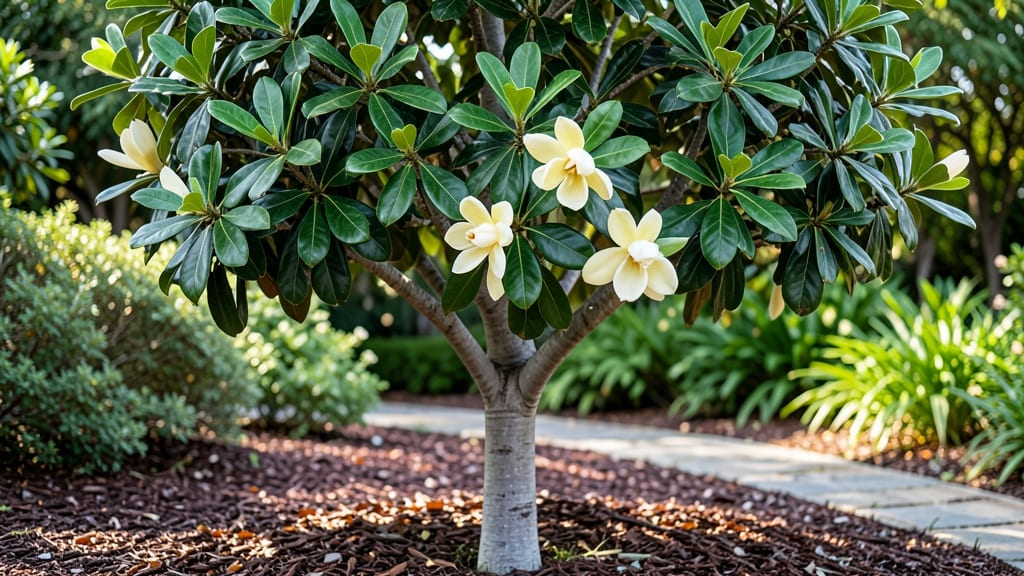
The magnolia champaca tree blooms with intoxicating fragrance and velvety flowers—but without proper pruning, its potential gets lost in tangled branches. I’ve watched this tropical beauty go from wild and unruly to a structured, fragrant focal point in just a few focused sessions.
The key isn’t just cutting back; it’s understanding when and why to shape it for both health and show.
This tree thrives in USDA zones 10-12, but with the right pruning, you can coax more blooms year-round, even in containers or as a houseplant in cooler climates.
You’ll need sharp pruners, a ladder (for taller specimens), and a clear plan: prune after flowering to encourage new growth, but avoid heavy cuts in late summer when buds form. The payoff? A tree that smells like a jungle at sunset and stays lush all season.
By the end, you’ll know exactly where to cut for maximum blooms—without sacrificing the champaca’s signature tropical allure. We’ll tackle deadheading, structural shaping, and even how to revive a leggy tree. Trust me, your neighbors will notice the difference. Let’s get those branches in check.
Works for both outdoor landscapes and large indoor pots—just adjust timing for seasonal shifts. The secret? Pruning isn’t about making it perfect; it’s about helping it grow better. Ready to transform that wild champaca into a fragrant masterpiece?
📚 In This Guide
- What you need
- Instructions
- Tips and common mistakes
- Wrapping up and next steps
What you need
- ● Pruning shears: Bypass pruners (sharp, clean, and disinfected with rubbing alcohol) for small branches (¼"–¾" diameter).
- ● Loppers: For medium branches (¾"–2" diameter); choose bypass or anvil-style with a ratchet mechanism for leverage.
- ● Pruning saw: A curved-tooth saw for thick branches (2"+ diameter) to avoid tearing the bark.
- ● Disinfectant: 70% isopropyl alcohol or a pruning sealant (like Tanglefoot) to prevent disease spread.
- ● Gloves: Heavy-duty, cut-resistant gloves (e.g., Mechanix or gardening gloves with reinforced palms).
- ● Ladder: A sturdy, extendable aluminum ladder (24–32 ft) with non-slip feet for tall trees.
- ● Heavy-duty trash bags: 30–50 gallon capacity for collecting pruned branches.
- ● Work boots: Closed-toe, waterproof boots with ankle support for stability.
- ● Safety glasses: ANSI-rated goggles to protect against debris.
- ● First-aid kit: Include antiseptic wipes, bandages, and tweezers for minor cuts.
- ● Pruning paint: Tree sealant (e.g., Arborseal) to coat large cuts and prevent disease.
- ● Extension pole: For shears/loppers (e.g., Fiskars 36" extension pole) to reach higher branches safely.
- ● Marking spray: Fluorescent paint to tag branches to remove before cutting.
- ● Tree growth regulator: Products like Bonide Fruit & Flower Tone to promote healthier regrowth post-pruning.
- ● Camera: To document the tree’s shape before and after trimming.
Step-by-Step guide to pruning your magnolia champaca tree
Revive your champaca’s natural beauty with these precision trimming techniques.
Assess the Tree’s Health and Bloom Cycle
Start by examining your magnolia champaca’s structure and bloom patterns. This tree typically flowers on last year’s growth, so avoid heavy pruning during bloom season unless removing dead or diseased wood. Look for thick, woody branches that no longer produce flowers—these are prime candidates for removal. Healthy branches will have smooth bark and a consistent diameter.
Note the direction of new growth. Champacas naturally grow outward, so pruning should maintain this open canopy. If you see crossing branches or limbs rubbing together, these will need priority attention to prevent bark damage. Use a small notebook to sketch the tree’s shape and mark areas for trimming before you begin—this prevents over-pruning and ensures balanced cuts.
Remove Dead, Diseased, or Weak Wood
Begin with sanitary pruning to eliminate any dead, diseased, or structurally weak branches. Sterilize your pruning shears with rubbing alcohol between cuts to prevent spreading pathogens. Start with the smallest branches first, working your way up to larger limbs. Make cuts just outside the branch collar—the swollen area where the branch meets the trunk—to promote faster healing.
If you encounter mushroom growths or oozing sap on a branch, this is a clear sign of disease. Remove the entire branch at its point of origin, then disinfect your tools again. Never leave stubs—these invite further decay. For larger branches over 2 inches in diameter, use three-step cutting techniques to avoid tearing the bark, but champacas rarely require this level of precision unless heavily overgrown.
Thin the Canopy for Airflow and Light
Champacas thrive with good air circulation, so focus on selective thinning rather than heavy topping. Remove up to 25% of the canopy in one session, targeting branches that crowd the center or grow inward. Prioritize older, non-flowering wood first—this encourages new growth where blooms will appear. Use sharp, clean cuts at a 45-degree angle just above an outward-facing bud to direct future growth.
Watch for water sprouts—fast-growing, vertical shoots that drain the tree’s energy. These should be cut back to their point of origin. Avoid removing more than one-third of a branch’s length in a single cut, as this stresses the tree. Step back frequently to visualize the tree’s shape—your goal is an open, vase-like form that allows sunlight to reach all branches evenly.
Shape for Seasonal Bloom Display
To encourage year-round blooming, shape the tree to highlight its most vibrant branches. Champacas produce flowers on mature wood, so preserve older limbs while gently guiding new growth. Prune just after flowering (typically late spring) to avoid cutting back potential bloom buds for the next season. For light shaping, use hand pruners to trim back 1-2 inches from the tips of overly long branches, focusing on those that disrupt the tree’s natural silhouette.
If your champaca has become overly leggy, gradually reduce branch length by one-third over two years—never more than one-third in a single season. This prevents shock and allows the tree to recover. For larger limbs, use a pruning saw with a fine-tooth blade to make clean cuts, and seal larger wounds with pruning sealant if they exceed ½ inch in diameter.
Clean Up and Monitor Recovery
After pruning, remove all debris from the ground to prevent fungal growth. Rake up clippings and dispose of diseased wood immediately—never compost it. Water the base of the tree deeply to help it recover, especially if you’ve made significant cuts. Monitor the tree for new growth within 4-6 weeks—this indicates successful pruning. If you notice yellowing leaves or wilting, reduce watering slightly and ensure the tree receives morning sun and afternoon shade to avoid stress.
For long-term care, schedule light maintenance pruning in early spring to remove any winter damage or weak growth. Avoid heavy pruning in fall, as this can stimulate tender new growth that won’t harden off before winter. With consistent, strategic trimming, your magnolia champaca will reward you with lush foliage and abundant blooms for decades.
Tips & tricks for perfect magnolia champaca pruning
Here's what nobody tells you about transforming your champaca into a blooming masterpiece—these are the details that separate good pruning from extraordinary results.
Branch Selection Strategy: In Step 1, when assessing your tree, focus on branches that grow inward or cross others—these are the first to remove. I learned this the hard way after pruning a champaca that still had crossing limbs, which eventually caused bark damage. Always prioritize branches that disrupt the tree's natural vase shape, as these are the ones creating shade and reducing airflow to the center.
Sanitation is Non-Negotiable: The instructions mention sterilizing tools, but here's the critical follow-up: use a fresh cotton swab dipped in rubbing alcohol for each cut when dealing with diseased wood. I once skipped this between cuts on a heavily infected branch and ended up with a second wave of infection. For heavily overgrown trees, consider wearing gloves—champaca sap can be irritating to some skin types.
The 25% Rule with Purpose: When thinning the canopy in Step 3, remember that 25% isn't just a number—it's about strategic placement. Remove branches from the center outward to create a natural funnel shape that directs rainwater away from the trunk. This prevents water pooling that can lead to rot. Also, never remove more than one-third of any single branch's length in one session, as this creates an open wound that invites pests.
Seasonal Timing Nuances: While late spring is ideal for pruning, there's a subtle difference between "after flowering" and "just after flowering." I've found that waiting 7-10 days after the last blooms have fallen gives the tree time to redirect energy from seed production to new growth. This timing maximizes bloom potential for the following season without sacrificing current year's flowers.
Pro Tips for Magnolia Champaca Tree
- Here's what nobody tells you about transforming your champaca into a blooming masterpiece—these are the details that separate good pruning from extraordinary results.
- Branch Selection Strategy: In Step 1, when assessing your tree, focus on branches that grow inward or cross others—these are the first to remove.
- Sanitation is Non-Negotiable: The instructions mention sterilizing tools, but here's the critical follow-up: use a fresh cotton swab dipped in rubbing alcohol for each cut when dealing with diseased wood.
Frequently asked questions
When is the best time to prune a Magnolia champaca?
The ideal time is late winter or early spring (February–March), just before new growth begins. This timing minimizes stress and ensures you don’t cut off next year’s blooms. Avoid pruning in fall or during flowering season—your tree will thank you with healthier, more abundant blossoms!
Can I prune my Magnolia champaca in summer?
While you can prune in summer, it’s not recommended for this tropical beauty. Heavy summer trimming can stress the tree, reduce flowering, and even invite pests. If you must prune, do so lightly and only to remove dead/diseased branches. Always prioritize late winter/early spring for major shaping!
Will pruning my Magnolia champaca reduce its flowers?
Not if done correctly! Pruning encourages more blooms by improving airflow and sunlight penetration. Just avoid cutting back over 25% of the canopy in one session, and never remove old wood—flower buds form on last year’s growth. Think of it as a spa day for your tree!
My Magnolia champaca isn’t blooming after pruning. What went wrong?
Here are the top culprits:
- Pruned at the wrong time (e.g., during bloom or fall).
- Cut back too aggressively (over 30% of the canopy).
- Removed old wood where buds form.
- Poor growing conditions (too much shade, poor soil, or drought).
Are there alternatives to pruning for shaping my Magnolia champaca?
If you’re hesitant about pruning, try these low-stress alternatives:
- Topiary training: Gently guide new growth with stakes and soft ties (best for young trees).
- Selective thinning: Remove only crowded or crossing branches to improve airflow.
- Fertilizing & mulching: Boosts overall health, which naturally enhances shape and blooms.
Wrapping up and next steps
The Magnolia champaca tree is a stunning addition to any garden, and with the right pruning techniques, you can ensure its health and vibrant blooms year after year. Remember, timing, tools, and technique are key—whether you're shaping its canopy, removing dead branches, or encouraging new growth. 🌿
Now that you’re armed with knowledge, roll up your sleeves and get pruning! Start small if you're new to the process, and soon, your Magnolia champaca will reward you with fragrant flowers and lush foliage. Happy gardening! 🌸