
Pruning
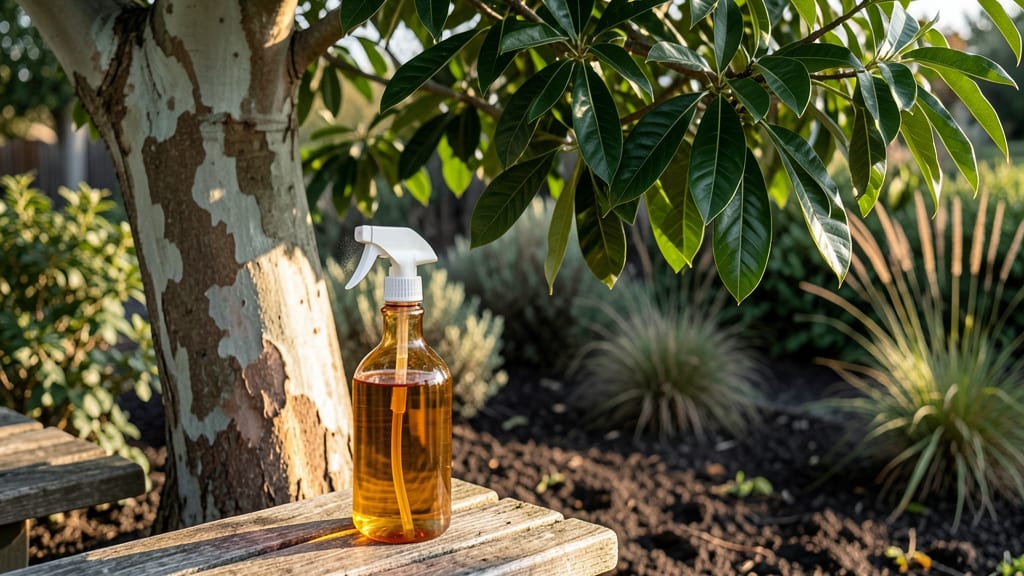
Before you reach for a fungicide for your crepe myrtle tree, that first black spot on its leaves isn’t just unsightly—it’s a fungal warning sign.
I’ve watched powdery mildew and leaf spot turn vibrant blooms into a sad, spotted mess, but the right fungicide and timing can stop it before it spreads. The key is acting fast and choosing a treatment that won’t harm your tree long-term.
Most gardeners reach for chemical fungicides first, but organic options like neem oil or copper spray work just as well when applied correctly. You’ll need a spray bottle or backpack sprayer, protective gloves, and a calm morning to avoid wind scattering the mix.
Timing matters too—treat at the first sign of spots, then again every 10-14 days until new growth appears.
What you’ll end up with is a crepe myrtle that stays lush and disease-free, with fewer spots and stronger branches. The trees recover faster when you catch fungal issues early, and the right fungicide keeps them healthy without harsh chemicals. You’ll notice the difference within weeks of consistent treatment.
This method works for any crepe myrtle variety, whether it’s a young sapling or a mature tree in your yard. The same principles apply whether you’re dealing with powdery mildew, leaf spot, or even crepe myrtle bark scale. Let’s get your tree back to its best!
📚 In This Guide
- What you need
- Instructions
- Tips and common mistakes
- Wrapping up and next steps
What you need
- ● Fungicide: Choose a copper-based fungicide (e.g., Copper Sulfate or Copper Hydroxide) or a systemic fungicide like Propiconazole (e.g., Alamo or Bayer Advanced). Follow label instructions for application rates—typically 1-2 tablespoons per gallon of water.
- ● Sprayer: A hose-end sprayer (5+ gallons capacity) or a backpack sprayer (2-4 gallons) for even coverage. Ensure it’s clean and dedicated to fungicides to avoid cross-contamination.
- ● Water: 5+ gallons of clean water (rainwater or tap water, if no fluoride/chlorine sensitivity is noted).
- ● Safety gear: Nitrile gloves (to protect skin from fungicide)
- ● Long sleeves and pants (to minimize exposure)
- ● Safety goggles (if spraying near eyes or in windy conditions)
- ● Pruning tools: Bypass pruners or loppers (for removing severely infected branches—sterilize with 70% isopropyl alcohol before/after use).
- ● Ladder: A stable, extendable ladder (if trees exceed 6+ feet tall).
- ● Surfactant: A non-ionic surfactant (e.g., Dyne-Amic) to improve adhesion—mix 1 tsp per gallon of water.
- ● Fungicide booster: Potassium bicarbonate (e.g., Safer Garden Fungicide) for organic options.
- ● Weather tracker: Check for dry, calm conditions (avoid spraying before rain or in wind).
- ● Disposal bag: For clippings or leaves with fungal spores (seal and discard in yard waste).
Step-by-Step instructions for treating crepe myrtle fungal issues
Here's how to tackle fungal problems effectively and protect your trees long-term.
Identify the Fungal Issue and Choose the Right Fungicide
First, examine your crepe myrtle for common fungal signs like powdery white patches, dark leaf spots, or blackened cankers on branches. I always start by confirming the issue—powdery mildew, leaf spot, or bark rot each need slightly different approaches. Once identified, select a copper-based fungicide or a systemic fungicide labeled for crepe myrtles, as these work best for systemic infections.
Check the label for active ingredients like copper hydroxide or myclobutanil—these are proven to combat fungal spores without harming the tree. Avoid generic fungicides unless they explicitly list crepe myrtle as a target. I’ve found that copper fungicides are particularly effective for powdery mildew, while systemic options penetrate deeper for stubborn infections.
Prepare the Fungicide Solution and Safety Gear
Mix the fungicide according to the label instructions, using the recommended dilution rate for your tree’s size. I always wear long sleeves, gloves, and safety goggles—fungicides can irritate skin and eyes, and crepe myrtles are large enough that you’ll need to spray thoroughly. Fill a hose-end sprayer or backpack sprayer with the solution, ensuring it’s calibrated for even distribution.
Shake the mixture well before use, as fungicides often settle. Test the spray pattern on a small area of the tree first to confirm coverage. If you’re using a copper-based fungicide, avoid spraying on hot days—it can burn leaves. Early morning or late afternoon is ideal for application.
Apply the Fungicide Systematically to All Affected Areas
Start by spraying the undersides of leaves, where fungal spores often hide. Use overlapping passes to ensure full coverage—missed spots will allow the fungus to return. Move to the branches and trunk, focusing on any cankers, cracks, or discolored bark. I like to work from the bottom up, so I don’t miss lower branches that might be shaded.
Pay special attention to new growth and flower buds, as these are vulnerable. If your tree has powdery mildew, you’ll see a white, dusty coating—this needs direct contact with the fungicide. For leaf spot, aim for the entire leaf surface, not just the spots. A light mist won’t cut it; the solution should leave a visible but not dripping coating.
Schedule Follow-Up Sprays for Maximum Protection
Fungal diseases often return if you treat only once. Plan for 3-4 applications, spaced 7-10 days apart, to break the fungal cycle. The first spray stops active spores, but the follow-ups prevent reinfection. I set a reminder on my phone—skipping a spray is how fungal issues come back stronger.
After the initial treatment, monitor your tree for new growth or fresh signs of infection. If you notice yellowing leaves or black spots reappearing, repeat the spray immediately. In humid climates, you may need additional applications every 2-3 weeks during peak growing season. Always store leftover fungicide in a cool, dry place, away from children and pets.
Improve Tree Health to Prevent Future Fungal Issues
Fungicides work best when your crepe myrtle is already healthy. Prune out dead or infected branches before spraying to reduce fungal sources. I use sterilized pruners and seal the cuts with pruning sealant to prevent new infections. Thin the canopy slightly to improve air circulation, which dries leaves faster and discourages fungal growth.
Water at the base of the tree, not overhead, to keep foliage dry. If your tree is stressed from drought or poor soil, amend the soil with compost and mulch with 3-4 inches of organic mulch to retain moisture and nutrients. A healthy tree is less susceptible to fungal attacks—this is the best long-term defense.
Tips & tricks for effective crepe myrtle fungicide application
Real talk: Treating fungal issues on crepe myrtles isn't just about spraying—it's about precision and timing. Here's what nobody tells you about making every spray count.
Fungicide Selection Matters: When choosing between copper-based and systemic fungicides, consider your specific issue. Copper fungicides work best for surface-level problems like powdery mildew, creating a protective barrier that prevents spores from taking hold. For deeper infections like bark rot, systemic fungicides penetrate the tree's vascular system, offering long-term protection. I always check the label for the active ingredient—copper hydroxide for mildew, myclobutanil for systemic issues—and stick with products specifically labeled for crepe myrtles.
Application Technique is Everything: In Step 3, when you're spraying, focus on thorough coverage—not just the visible sides of leaves. Fungal spores love hiding on undersides and in shaded areas, so take your time with overlapping passes. I use a fan spray pattern on my hose-end sprayer to ensure even distribution. For stubborn infections, consider adding a second application within the same 7-10 day window—just make sure to let the first layer dry completely first.
Timing Your Sprays: The 7-10 day interval between applications is non-negotiable for breaking the fungal cycle. However, in humid climates, you might need to adjust this schedule. I've found that when humidity stays above 70% for extended periods, adding an extra spray every 2-3 weeks during peak growing season prevents reinfection. Always monitor your tree's response—if you see new growth showing signs of infection before the scheduled follow-up, don't wait. The fungus won't either.
Tree Health is Your Best Defense: Before you even pick up your sprayer, focus on Step 5's preventative measures. I can't stress enough how much healthier trees resist fungal attacks. Prune out infected branches first—they're like fungal hotspots waiting to spread. Then, improve air circulation by thinning the canopy. I've seen trees that were on the verge of collapse from fungal infections completely recover after just one season of proper pruning and mulching. It's not just about the spray; it's about creating an environment where fungi can't thrive.
Pro Tips for Fungicide For Crepe Myrtle Tree
- Real talk: Treating fungal issues on crepe myrtles isn't just about spraying—it's about precision and timing.
- Fungicide Selection Matters: When choosing between copper-based and systemic fungicides, consider your specific issue.
- Application Technique is Everything: In Step 3, when you're spraying, focus on thorough coverage—not just the visible sides of leaves.
Frequently asked questions
When is the best time to apply fungicide to crepe myrtle trees?
The ideal timing is early spring (before buds swell) and late summer (after blooms fade). This prevents fungal spores from taking hold during wet conditions. For severe cases, a third application in fall (before leaf drop) can help. Avoid spraying when rain is forecasted within 24–48 hours.
Can I use the same fungicide year after year, or do I need to rotate?
Rotating fungicides is a smart move! Fungi can develop resistance, so alternate between contact fungicides (like copper or sulfur) and systemic options (e.g., propiconazole or myclobutanil). Check the label for specific rotation guidelines—this keeps treatments effective for years to come.
What are the signs my crepe myrtle needs fungicide right now?
Watch for dark, powdery spots (powdery mildew), black leaf streaks (anthracnose), or oozing cankers (bacterial leaf spot). Yellowing leaves, premature defoliation, or stunted growth are red flags too. Act fast—once fungi spread, damage becomes harder to reverse.
Are organic fungicides as effective for crepe myrtles as chemical ones?
Organic options like neem oil, baking soda sprays, or copper fungicides work well for preventative care and mild infections. However, severe cases (e.g., tar spot) may need stronger synthetic fungicides. For best results, combine organic sprays with proper pruning and spacing to improve airflow.
How do I prevent fungicide from harming beneficial insects or nearby plants?
Target applications only on affected areas, and avoid spraying when bees or pollinators are active (early morning or evening is safest). Use a shield or mask to prevent drift, and keep fungicides away from edible plants. Always follow label instructions for dilution rates—less is often more!
Wrapping up and next steps
Keeping your crepe myrtle healthy with the right fungicide for crepe myrtle trees doesn’t have to be overwhelming—just consistent! By following a targeted spray schedule and staying proactive, you’ll protect your tree from fungal diseases like powdery mildew or leaf spot. 🌿
Ready to take action? Start by inspecting your tree this week, then apply your chosen fungicide as recommended. Your crepe myrtle will thank you with vibrant blooms and lush foliage for years to come!