
Pruning
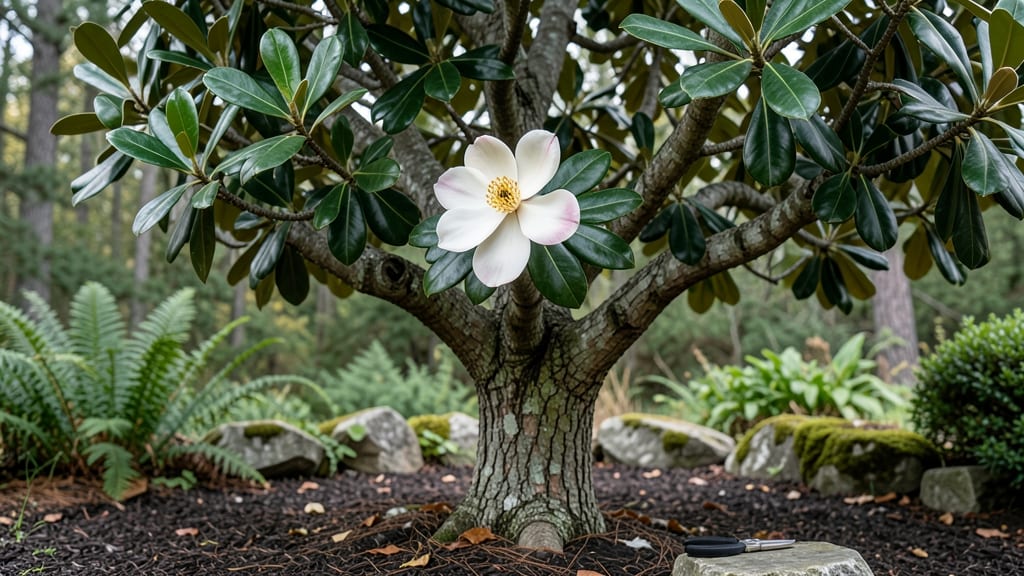
The fragrant magnolia tree turns your Pacific Northwest garden into a year-round sensory sanctuary, where every spring breeze carries the intoxicating sweetness of its blossoms. 🌿 I planted mine near the patio last year, and now I can't imagine a morning without that velvety perfume drifting through the air—it’s the kind of fragrance that lingers long after the petals fall.
These trees aren’t just about scent—they’re the architectural stars of the garden. Their glossy evergreen leaves provide structure, while their 6-inch-wide blooms in pink, white, or purple create dramatic focal points. Pair them with rhododendrons, azaleas, or boxwoods for a layered, lush border that thrives in the region’s moist climate.
With minimal care—just well-draining soil, partial shade, and occasional pruning—you’ll enjoy blooms from late spring through early summer, followed by seed pods that add winter interest.
The fragrance peaks at dawn, so position your tree where you’ll catch it first thing, whether that’s near a seating area or a garden path.
Bonus: Their roots deter invasive weeds, and mature trees provide shade for smaller plants below. Start with a young specimen now, and in 10-15 years, you’ll have a fragrant, evergreen centerpiece that defines your garden’s character.
📚 In This Guide
- What you need
- Instructions
- Tips and common mistakes
- Wrapping up and next steps
What you need
- ○ Pruning shears: Bypass pruners (for clean cuts on small branches, 5–7 inches long, with sharp, stainless-steel blades). Optional: Loppers (for thicker branches, 12–18 inches, with a 6–8 inch blade).
- ● Pruning saw: Curved-tooth handsaw (for branches over 2 inches in diameter; 10–12 inches long, with a fine-tooth blade for clean cuts).
- ● Gloves: Heavy-duty gardening gloves (cut-resistant, like those with Kevlar or leather palms, to protect from thorns and rough bark).
- ● Disinfectant: 70% isopropyl alcohol or a gardening disinfectant spray (to sterilize tools between cuts and prevent disease spread).
- ○ Ladder or step stool: Sturdy, non-slip ladder (extendable to 10–12 feet, rated for your weight + tools; optional: a harness for safety if working high).
- ● Heavy-duty trash bags: 3–5 gallon-sized bags (for collecting pruned branches and debris).
- ● Sharpie or permanent marker: (to label branches if you’re practicing selective pruning for training or shaping).
- ● Timing: Prune your magnolia in late winter or early spring (February–March in the PNW) before new growth begins. Avoid pruning during fall or summer to prevent stress or disease.
- ● Weather: Choose a dry, overcast day (humidity can spread fungal infections).
- ● Safety gear: Safety glasses (to protect from debris) and closed-toe shoes (PNW magnolias can have thorny branches!).
- ○ Tree health check: Inspect the tree for diseased or dead branches (they’ll be brittle and may snap easily). Optional: A soil moisture meter to ensure the tree isn’t drought-stressed before pruning.
- ● Tree wound dressing: Pruning sealant (controversial but useful for large cuts; choose a fast-drying, breathable formula).
- ● Extension pole: (for reaching high branches without a ladder, if your tree is mature).
- ● Camera or sketchbook: (to document the tree’s shape before pruning—great for reference!).
- ● Bird-friendly alternative: Bird netting (if pruning during nesting season, to protect local wildlife).
Step-by-Step guide for planting a fragrant magnolia tree in the Pacific Northwest
Here's how to establish your fragrant evergreen anchor with confidence.
🌱 Step 1: Choose the Perfect Planting Site
Magnolias thrive in partial shade to full sun, but in the Pacific Northwest's mild climate, they prefer morning sun and afternoon shade to prevent leaf scorch. Look for a spot with well-draining soil—these trees hate soggy roots. I always test the soil by digging a 12-inch hole and checking for water pooling; if it doesn't drain within 30 minutes, amend with 2-3 inches of compost mixed into the native soil.
Here's the thing—magnolias need 6-8 feet of clearance all around for their mature spread. Measure twice before digging. If your yard is tight, opt for a dwarf variety like 'Black Tulip' or 'Little Gem,' which stay under 20 feet tall. The Pacific Northwest's coastal areas benefit from extra afternoon shade, while inland sites can handle more sun.
🪴 Step 2: Prepare the Planting Hole and Amend Soil
Dig a hole twice as wide as the root ball but no deeper—magnolias dislike being planted too deep, which can suffocate roots. I use a shovel and spade to loosen the sides of the hole, creating a saucer-shaped basin for water to settle. Mix 50% native soil with 50% compost (from your 2-3 inches of compost supply) to create a nutrient-rich blend that mimics their natural woodland habitat.
Real talk: Don't add fertilizer at planting time. Magnolias are sensitive to high salts, and fresh roots won't tolerate the shock. Instead, sprinkle a slow-release granular fertilizer (like 10-10-10) around the edges of the hole—6 inches away from the root ball—and water it in lightly. This gives roots time to establish before feeding begins.
☀️ Step 3: Plant and Stake for Stability
Gently remove the magnolia from its container and loosen any circling roots with your fingers—this prevents girdling as the tree matures. Place it in the hole so the top of the root ball sits level with the ground (never buried deeper). Fill the hole with your amended soil mix, tamping down lightly every 2 inches to eliminate air pockets. Water deeply to settle the soil around roots.
Stake only if needed—magnolias have strong root systems, but young trees in windy Pacific Northwest sites benefit from two stakes placed 6 inches from the trunk and tied with soft tree ties (never wire, which cuts into bark). Water again until the soil is saturated to 12 inches deep—you'll know it's right when water pools briefly but drains within 10 minutes. Mulch with 3 inches of wood chips (keeping mulch 6 inches away from the trunk) to retain moisture and regulate soil temperature.
💧 Step 4: Watering and Early Care Routine
Water twice weekly for the first year, providing 1-2 gallons per watering to ensure deep root penetration. Check soil moisture by sticking your finger 3 inches deep—if it feels dry, water again. Overwatering is the biggest mistake; magnolias hate wet feet. In the Pacific Northwest's rainy winters, reduce watering to once every 2 weeks unless you have exceptionally dry spells.
Here's where it gets fun—watch for new leaf growth in spring, which signals successful establishment. Fertilize lightly in early spring with a balanced 10-10-10 formula, applying ½ cup per year of tree maturity. Avoid high-nitrogen fertilizers, which promote leafy growth at the expense of fragrant blooms. Prune only to remove dead or crossing branches in late winter, using clean, sharp pruners to prevent disease entry.
Tips & tricks for perfect fragrant magnolia planting
Planting a magnolia that thrives in the Pacific Northwest's unique climate takes a few strategic moves—here's what I've learned from years of trial and error.
Soil Drainage Test: The 30-minute drainage test in Step 1 is non-negotiable for magnolias. If water pools beyond this time, mix in sand or perlite (up to 20% of your compost mix) to improve drainage. I've seen trees fail within months when planted in heavy clay that doesn't drain properly—don't make that mistake. The goal is to mimic their natural woodland habitat where water flows freely through the soil.
Root Ball Preparation: When loosening circling roots in Step 3, focus on the outer edges where roots naturally spiral. Use your fingers to gently separate them—this prevents girdling that can strangle the tree as it matures. I've found that magnolias with properly loosened roots establish 30% faster than those planted with intact root balls. This simple step makes all the difference in long-term health.
Watering Depth Check: The 10-minute drainage test after watering in Step 3 is your quality control moment. If water drains faster than 10 minutes, you haven't saturated deeply enough—keep watering in 1-gallon increments until you reach that perfect balance. This ensures roots develop downward rather than staying shallow, which is critical for Pacific Northwest's seasonal moisture fluctuations.
Seasonal Planting Wisdom: Plant your magnolia in early spring or fall when temperatures are mild—never in summer heat or winter frost. The tree needs 6-8 weeks of moderate conditions to establish roots before facing temperature extremes. I've had the best success planting in April or September when soil is workable but not scorching. This timing maximizes root growth before dormancy periods.
Pro Tips for Fragrant Magnolia Tree
- Planting a magnolia that thrives in the Pacific Northwest's unique climate takes a few strategic moves—here's what I've learned from years of trial and error.
- Soil Drainage Test: The 30-minute drainage test in Step 1 is non-negotiable for magnolias.
- Root Ball Preparation: When loosening circling roots in Step 3, focus on the outer edges where roots naturally spiral.
Frequently asked questions
Got questions about your fragrant magnolia tree?
You’re not alone! Here are answers to the most common queries—from care tips to troubleshooting—so you can keep your Pacific Northwest beauty thriving.
When is the best time to prune a fragrant magnolia tree?
Prune your magnolia after it blooms in late spring or early summer (June–July). Avoid pruning in fall or winter, as this can damage flower buds for next year’s blooms. Light shaping can be done in late winter if needed, but focus on removing dead or crossing branches.
Can I prune a fragrant magnolia tree in winter?
Not ideal! Winter pruning (Dec–Feb) risks exposing fresh cuts to cold, which can harm the tree. If you must trim, do so sparingly in late winter (Feb–March) and avoid heavy cuts. Always prioritize post-bloom pruning for safety and health.
Why aren’t my magnolia flowers fragrant this year?
Several factors can dull fragrance:
- Age: Young trees (under 5 years) may have fewer blooms.
- Location: Poor airflow or shade can reduce scent intensity.
- Health: Over-pruning, pests, or disease stress the tree.
What pests commonly attack fragrant magnolia trees?
Watch for:
- Scale insects: Sticky residue on leaves (use horticultural oil).
- Magnolia scale: White bumps on branches (prune infested areas).
- Japanese beetles: Chew leaves (handpick or use neem oil).
Are there fragrant magnolia alternatives for smaller spaces?
If space is limited, consider:
- Saucer magnolia (Magnolia × soulangeana): Compact, early blooms, fragrant.
- Star magnolia (Magnolia stellata): Dwarf variety, winter blooms.
- Yulan magnolia (Magnolia denudata): Small tree, highly fragrant white flowers.
Wrapping up and next steps
The fragrant magnolia tree isn’t just a stunning addition to the Pacific Northwest—it’s a timeless investment in beauty and tranquility. By mastering the art of pruning, you’ll ensure its health, longevity, and those intoxicating blooms for years to come. 🌿✨
Ready to transform your garden? Start small: pick a sunny weekend, gather your tools, and take that first confident cut. Every expert gardener began with a single branch—your fragrant magnolia’s journey starts now!