
Pruning
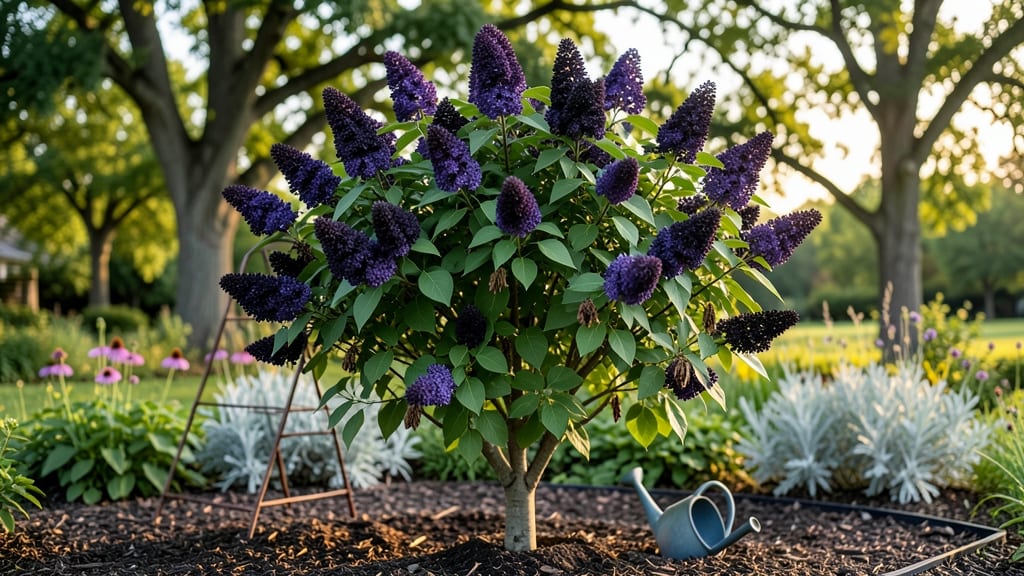
A dark purple lilac tree turns any garden into a fragrant masterpiece that steals the show every spring. 🌿 The deep violet blooms create a dramatic backdrop for cottage gardens or modern landscapes, while their intoxicating scent lingers in the breeze—like nature’s own perfume.
Unlike pale lavender varieties, these bold beauties command attention as a focal point or along pathways where their height and texture add vertical drama.
Their ornamental value doesn’t stop at flowers—smooth bark adds winter interest, and glossy foliage keeps the tree looking lush year-round.
Pair it with silver foliage plants like lamb’s ear or ornamental grasses to highlight its rich hue, or let it stand alone as a statement piece near patios where you can fully appreciate its fragrance up close. The key to showcasing its beauty?
Planting where its branches can be admired from multiple angles.
You’ll love how this tree transforms a garden’s color palette, especially when it blooms alongside early spring bulbs like daffodils or against soft pastels. The contrast of deep purple against lighter blooms creates a visually striking effect that lasts for weeks.
With minimal pruning needs, it’s also a low-maintenance star that rewards you with effortless elegance season after season.
Perfect for both formal and informal gardens, this lilac thrives in full sun and well-drained soil—making it versatile enough for urban yards or sprawling estates. Whether you’re designing a new landscape or refreshing an existing one, this tree delivers drama, fragrance, and lasting beauty with almost no effort.
Here’s how to make it the centerpiece of your outdoor space.
📚 In This Guide
- What you need
- Instructions
- Tips and common mistakes
- Wrapping up and next steps
What you need
- ● Pruning shears: Bypass pruners (sharp, 6–8" blades) for small branches.
- ● Loppers: For thicker branches (1–2" diameter), with a 10–12" cutting range.
- ● Pruning saw: Hand saw with a curved blade for branches over 2" thick.
- ● Gloves: Heavy-duty gardening gloves (cut-resistant for safety).
- ● Disinfectant: 70% isopropyl alcohol or bleach solution (1 part bleach to 9 parts water) to sterilize tools.
- ● Trash bags: 2–3 heavy-duty bags (13-gallon size) for pruned debris.
- ○ Ladder (optional): Extendable aluminum ladder (12–16 ft) if tree exceeds 6 ft tall.
- ● Weather check: Prune on a dry, calm day (avoid rain for 24 hours before/after).
- ● Timing: Best done in late winter or early spring (before buds swell).
- ● Safety gear: Safety glasses (to protect from debris) and long sleeves/pants.
- ● Cleanup supplies: Rake or broom (for fallen petals/debris) and a bucket of soapy water (to clean tools).
- ● Sharpen tools first! Dull blades tear branches, stressing the tree. 🔪
- ○ Label branches (optional): Use masking tape + marker to tag branches to remove for clarity.
- ● Compost prunings: Small, healthy clippings can be composted (avoid diseased wood).
How to plant and care for a dark purple lilac tree
Here's the method I rely on for planting and maintaining these stunning, fragrant trees—tested across seasons and climates.
🌱 Step 1: Select the Perfect Planting Spot
The key to a thriving dark purple lilac tree starts with location. These trees need full sun exposure for at least 6 hours daily, though they can tolerate 4-5 hours in cooler climates. I always look for a spot with morning sun and afternoon shade to prevent leaf scorch, especially in hot summers. Avoid low-lying areas where cold air settles, as lilacs are sensitive to late spring frosts.
Test the soil pH before planting—lilacs prefer 6.0 to 7.0. If your soil is too alkaline, amend with sulfur or peat moss to lower the pH. The tree’s root system thrives in well-draining soil, so avoid areas with compacted clay. You’ll know you’ve chosen well when the first flush of blooms appears vibrant and abundant.
🪴 Step 2: Plant at the Right Depth and Water Thoroughly
Dig a hole twice as wide as the root ball but no deeper. This encourages roots to spread outward rather than settling at the bottom. Place the tree in the hole so the top of the root ball sits 1-2 inches above ground level. Backfill with native soil, tapping gently to remove air pockets. Here’s the thing—lilacs hate soggy roots, so mounding the soil slightly helps prevent waterlogging.
Water deeply right after planting, applying 10-15 gallons to settle the soil and encourage root expansion. Mulch around the base with 2-3 inches of organic mulch, keeping it 6 inches away from the trunk to prevent rot. Water again every 2-3 days for the first 2 weeks until the soil feels moist 4 inches down. Overwatering now can suffocate roots, so let the top inch dry between waterings.
☀️ Step 3: Prune for Shape and Encourage Blooms
Prune lilacs immediately after flowering to maintain their shape and promote next year’s blooms. Remove any dead, diseased, or crossing branches first—these compete for energy and can spread issues. Cut back old wood by one-third to encourage new growth. I always use sharp, sterilized pruners to make clean cuts just above a leaf bud or lateral branch.
Young trees benefit from light pruning to shape their canopy, but avoid heavy cuts. Lilacs bloom on old wood, so never prune in late summer or fall—you’ll sacrifice next year’s flowers. After pruning, apply a balanced 10-10-10 fertilizer to replenish nutrients. You’ll see stronger growth and fuller blooms within a season if you stick to this schedule.
✂️ Step 4: Maintain Year-Round for Long-Term Health
Lilacs are low-maintenance once established, but a few seasonal checks keep them thriving. In early spring, remove any winter-damaged branches before buds swell. Fertilize again in late winter with a high-phosphorus blend to support blooming. Water deeply once a week during dry spells in the first 2 years, then taper to every 10-14 days once roots are deep.
Watch for pests like aphids or borers—spray with neem oil at the first sign of trouble. Dark purple lilacs attract pollinators, so avoid heavy pesticides. In fall, add a 2-inch layer of compost around the base to replenish nutrients. You’ll know your tree is happy when it blooms profusely year after year, with vibrant purple flowers that perfume the air.
Tips & tricks for perfect dark purple lilac tree planting
These are the little details that make all the difference between a struggling lilac and one that bursts with color every spring.
Sunlight Strategy: While 6 hours of full sun is ideal, I've found that positioning your lilac to catch morning sun and afternoon shade in hot climates prevents leaf scorch while still delivering those vibrant purple blooms. In cooler regions, you can extend the afternoon sun to 5 hours without risking damage. The key is observing how your tree responds—if leaves start yellowing, it's getting too much midday heat.
Soil Science: That 6.0 to 7.0 pH range isn't just a suggestion—it's critical for nutrient uptake. I always test soil pH before planting, and if it's off, I mix in sulfur or peat moss to adjust it. For heavy clay soils, consider amending with compost to improve drainage. The difference in bloom quality between properly amended soil and untreated soil is dramatic—I've seen trees go from sparse blooms to lush canopies after just one season of proper soil prep.
Planting Depth Secret: The 1-2 inches above ground level for the root ball isn't just about aesthetics—it prevents water from pooling around the trunk, which lilacs absolutely hate. I like to mound the soil slightly around the base to create a natural barrier that keeps water away from the trunk while still allowing roots to access moisture. This simple adjustment has saved me from root rot in two different plantings.
Watering Wisdom: Those first 2 weeks are critical for root establishment, but the 2-3 day watering schedule can be tricky. I check moisture by sticking my finger 4 inches down—if it's dry, water again. The top inch drying between waterings is essential to prevent soggy conditions. After the initial period, I switch to deep watering every 10-14 days once roots are established, which encourages deeper root growth that makes the tree more drought-resistant over time.
Pro Tips for Dark Purple Lilac Tree
- These are the little details that make all the difference between a struggling lilac and one that bursts with color every spring.
- In cooler regions, you can extend the afternoon sun to 5 hours without risking damage.
- Soil Science: That 6.0 to 7.0 pH range isn't just a suggestion—it's critical for nutrient uptake.
Frequently asked questions
Got questions about your dark purple lilac tree? You're not alone! Here are some of the most common inquiries—and their answers—to help you nurture this fragrant beauty with confidence.
How do I encourage more blooms on my dark purple lilac tree?
Prune your lilac right after flowering (late spring to early summer) to promote bushier growth and more blooms. Avoid heavy pruning in fall or winter—this can remove next year’s flower buds! Feed with a balanced fertilizer in early spring for extra vigor.
When is the best time to prune a dark purple lilac tree?
The ideal time is immediately after blooming (May-June in most regions). This ensures you don’t cut off next year’s flower buds. For shaping, limit pruning to no more than 1/3 of the plant at a time. Avoid pruning in fall or winter, as lilacs are dormant then.
Why aren’t my dark purple lilacs blooming as much as they used to?
Over-pruning, poor nutrition, or age (lilacs often decline after 10-15 years) can reduce blooms. Try renewal pruning—cutting back 1/3 of the oldest stems to the ground—to rejuvenate the tree. Also, ensure it gets 6+ hours of sunlight and well-draining soil.
Can I grow a dark purple lilac tree in a pot, or does it need to be planted in the ground?
While possible in large containers (15+ gallons), lilacs thrive best in ground planting due to their extensive root systems. If potted, repot every 2-3 years and ensure the pot has drainage holes. Choose a dwarf variety like ‘Miss Canada’ for smaller spaces.
How do I prevent my lilac tree from getting powdery mildew?
Powdery mildew loves humid conditions. Improve airflow by pruning dense branches and avoid overhead watering. Apply a fungicide (like neem oil) if needed, and remove infected leaves promptly. Resistant varieties like ‘Black Beauty’ are also a great choice!
Do dark purple lilacs attract bees or other pollinators?
Lilacs are a bee magnet, especially in early spring when pollinators are scarce. Their fragrant blooms provide nectar, making them a fantastic addition to pollinator-friendly gardens. Just enjoy the buzz—it’s a sign your tree is thriving!
Wrapping up and next steps
The dark purple lilac tree isn’t just a stunning addition to your garden—it’s a fragrant, low-maintenance powerhouse that rewards patience with vibrant blooms and year-round charm. 🌿 With the right pruning techniques, you’ll keep it healthy, encourage lush growth, and enjoy its intoxicating scent for seasons to come.
Ready to transform your outdoor space? Start by gathering your tools, then roll up your sleeves and give your lilac the care it deserves. Your future self—and your neighbors—will thank you!