
Pruning
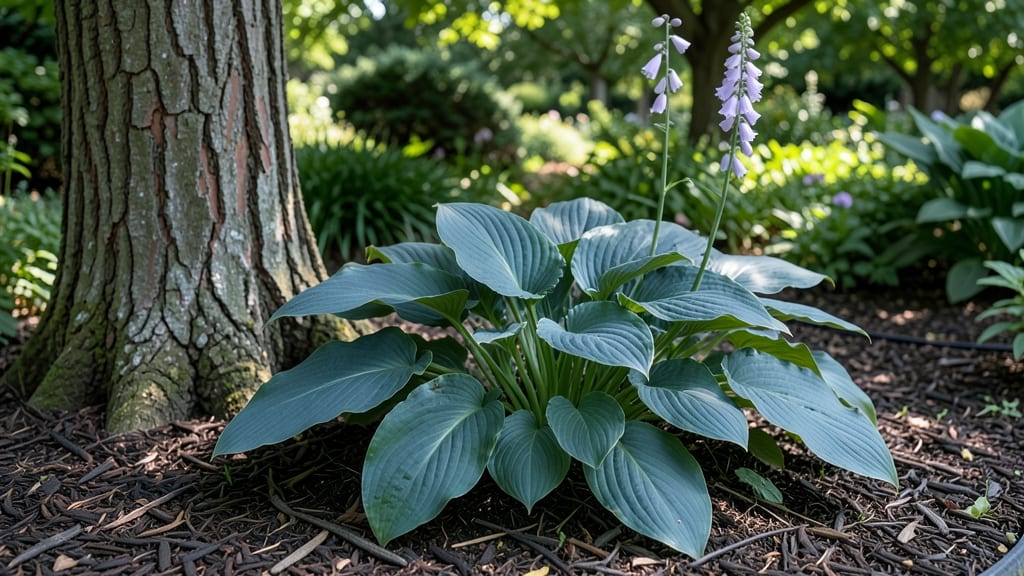
A flower bed under tree doesn’t have to be a dark, forgotten corner—it can be a lush, vibrant oasis that thrives even with limited sunlight. 🌿 I’ve transformed my own shady spots into thriving displays by choosing the right plants and tweaking the soil, proving that shade doesn’t mean sacrifice.
The key is working with the environment, not against it.
Start with shade-tolerant plants like hostas, ferns, and bleeding hearts that love dappled light. Amend the soil with compost to improve drainage, and top it with mulch to retain moisture and suppress weeds. This setup keeps roots cool while preventing fungal issues from poor airflow.
You’ll end up with a bed that stays green and blooming even when other gardens fade in summer heat. The plants grow steadily, the colors pop against the tree’s bark, and you’ll finally have a spot that feels intentional—not neglected. Let’s make that shady corner shine.
Works for any tree—oak, maple, or pine—just adjust plant choices based on how much light actually reaches the ground. A little planning turns a problem area into a standout feature. Ready to get started?
📚 In This Guide
- What you need
- Instructions
- Tips and common mistakes
- Wrapping up and next steps
What you need
- ● Shade-tolerant plants: 5–10 bulbs/plants (e.g., heuchera, ferns, hostas, impatiens, or astilbe)
- ● Mulch: 2–3 bags (2–3 cubic feet each) of pine straw, wood chips, or shredded bark (3–4 inches deep)
- ● Soil amendments: 1–2 bags of compost or peat moss (to improve drainage and fertility)
- ● Slow-release fertilizer: 1–2 bags (10–20 lbs) of balanced, organic fertilizer (10-10-10 or similar)
- ○ Ground cover fabric (optional): 1 roll (to suppress weeds if needed)
- ● Garden gloves (1 pair, waterproof)
- ● Hand trowel or transplant spade (for digging and planting)
- ● Pruners or shears (for trimming plants or tree roots if necessary)
- ● Rake (for leveling soil and spreading mulch)
- ● Garden hose or watering can (with a gentle spray nozzle)
- ● Wheelbarrow or bucket (for mixing soil amendments)
- ● Measure the space under your tree (account for the tree’s canopy and root spread).
- ● Check the pH and soil type (most shade plants prefer slightly acidic to neutral soil (6.0–7.0)).
- ● Plan for drip irrigation or a soaker hose if your tree blocks rainwater.
Step-by-Step instructions for creating a thriving shade garden
Transform that dark corner into a lush, low-maintenance oasis with plants that love shade.
🌱 Step 1: Clear and Prepare the Space
Start by removing weeds, rocks, and debris from the area. I like to use a garden fork to loosen compacted soil under the tree—this helps roots establish better. If the soil feels dry and crumbly, add 2-3 inches of compost to improve fertility without smothering tree roots. Work it into the top 6 inches of soil gently.
Real talk: Don’t dig deeper than 12 inches near the tree trunk. You’ll risk damaging roots that spread wide but shallow. Instead, focus on loosening the surface soil where your shade plants will grow.
After prepping, water the area deeply to settle the soil. You’ll know it’s ready when the surface feels slightly damp but not soggy—like a wrung-out sponge.
🪴 Step 2: Choose the Right Shade-Tolerant Plants
Select plants that thrive in partial to full shade (4+ hours of indirect light daily). For year-round color, I mix heuchera, ferns, astilbe, and impatiens—they handle moisture and cooler temps beautifully. Group plants by height: taller ones (like hostas) at the back, medium (like coral bells) in the middle, and low growers (like ajuga) at the front.
Here’s the thing—avoid turfgrass or sun-loving perennials. They’ll struggle and compete with your tree’s roots. Instead, opt for plants labeled “shade-tolerant” or “woodland garden” on seed packets.
Space plants 12-18 inches apart to allow airflow and prevent fungal issues. Overcrowding leads to weak stems and disease—trust me, I’ve learned that the hard way.
☀️ Step 3: Plant and Mulch for Long-Term Success
Dig holes twice as wide as the root ball but only as deep. Place each plant so the top of the root ball sits level with the soil surface—burying too deep suffocates roots. Water each hole before inserting the plant to remove air pockets.
After planting, spread 3 inches of mulch (like shredded bark or pine needles) over the bed, keeping it 6 inches away from tree trunks. Mulch retains moisture, suppresses weeds, and regulates soil temperature. Replenish it annually as it breaks down.
Water deeply right after planting to help roots settle. You’ll know it’s enough when water drains through the bottom of the holes—no puddles, just steady moisture.
💧 Step 4: Maintain with Minimal Effort
Water once a week during dry spells, aiming for 1 inch of water per week. Shade plants need less water, but their roots can’t reach deep like those in sunny beds. Check moisture by sticking your finger 1 inch into the soil—if it’s dry, water again.
Fertilize lightly in spring with a balanced, slow-release fertilizer (like 10-10-10). Too much nitrogen makes leaves grow fast but weak. Instead, focus on organic matter—compost or worm castings—to feed the soil over time.
Watch for yellowing leaves or slow growth—these are signs of overwatering or poor drainage. Adjust your care routine based on what you see, not just the calendar.
Tips & tricks for perfect shade garden planting
Creating a thriving shade garden takes more than just planting—it's about understanding how to work with your space's unique conditions.
Soil Prep Secret: In Step 1, when you're loosening that compacted soil, don't just scratch the surface. Use your garden fork to create vertical channels about 6 inches deep—this helps water penetrate where roots need it most. I've found that adding a handful of compost to each channel before planting gives roots an instant nutrient boost without overwhelming them. The key is gentle integration—mix it just enough to avoid creating pockets of concentrated organic matter.
Plant Selection Strategy: Step 2 mentions shade-tolerant plants, but here's what nobody tells you—some varieties handle different shade intensities better. For deep shade (under dense canopies), focus on plants like hostas and foamflower. In partial shade (dappled light), heuchera and astilbe really shine. I learned this the hard way after watching my impatiens struggle under a thick oak canopy—now I match plants to their specific light needs.
Mulching Mastery: That 3 inches of mulch in Step 3 is your secret weapon for moisture retention and weed suppression. But here's the trick: refresh it every spring before new growth appears. Over time, mulch breaks down and loses its effectiveness. I use a mix of shredded bark and pine needles—the bark breaks down slowly while the needles add acidity that many shade plants prefer. Just remember to keep it 6 inches away from tree trunks to prevent rot.
Watering Wisdom: The once-a-week watering in Step 4 works perfectly when your soil is properly prepped, but here's how to check if you're doing it right. After watering, stick your finger 2 inches deep—if it's dry at that depth, you need to water more frequently. Shade plants often signal thirst through crispy leaf edges rather than wilting, so don't wait until you see obvious signs of stress. I've found that morning watering gives plants all day to absorb moisture before evening evaporation.
Pro Tips for Flower Bed Under Tree
- Creating a thriving shade garden takes more than just planting—it's about understanding how to work with your space's unique conditions.
- Soil Prep Secret: In Step 1, when you're loosening that compacted soil, don't just scratch the surface.
- Plant Selection Strategy: Step 2 mentions shade-tolerant plants, but here's what nobody tells you—some varieties handle different shade intensities better.
Frequently asked questions
Got questions about creating or maintaining a flower bed under a tree? You’re not alone! Here are some of the most common concerns—and their solutions—to help you design a thriving, low-maintenance oasis beneath your canopy.
What are the best shade-tolerant flowers for a flower bed under a tree?
Opt for hostas, heucheras, bleeding hearts, impatiens, or astilbes. These beauties handle dappled shade well. For deeper shade, try foamflower or liriope. Avoid sun-lovers like marigolds or petunias—they’ll wilt faster than a snowman in summer!
When is the best time to plant a flower bed under a tree?
Spring or fall are ideal! Planting in early spring (after the last frost) gives roots time to establish before summer heat, while fall (6–8 weeks before frost) lets plants settle in before winter. Avoid planting in peak summer—roots hate the heat!
How do I keep my flower bed under a tree from getting too wet or dry?
Tree roots compete for water, so mulch deeply (3–4 inches) with shredded bark or leaves to retain moisture and regulate soil temp. For soggy spots, improve drainage with sand or compost. If your bed stays bone-dry, water slowly and deeply 2–3 times a week during dry spells.
Can I use ground cover instead of flowers under a tree?
Ground covers like ajuga, creeping phlox, or ivy suppress weeds, retain moisture, and add texture. They’re perfect for low-maintenance shade gardens. Just ensure they won’t choke out any future plantings if you change your mind later!
How do I prevent weeds from taking over my flower bed under a tree?
Weeds love shade too! Layer mulch (wood chips + straw) to smother them, and hand-pull any intruders before they seed. For stubborn weeds, use a vinegar-based herbicide (spot-treat only) or a landscape fabric under mulch. Regular checks win the war!
Will planting flowers under a tree harm the tree’s roots?
Not if you plant at least 3–5 feet away from the trunk (adjust based on tree size). Digging too close can damage roots, but shallow-rooted perennials or ground covers are safe. Always water gently—no high-pressure hoses near the base!
Wrapping up and next steps
Creating a flower bed under a tree is a rewarding way to add life and color to shaded spots in your garden. With the right shade-tolerant plants, proper soil prep, and a little patience, you’ll enjoy a lush, vibrant space that thrives year-round. 🌿✨
Now that you’re armed with tips and answers, it’s time to roll up your sleeves and get planting! Start small—pick one or two plants to test the space, and watch your garden transform into a serene, flourishing oasis. Happy gardening!