
Planting
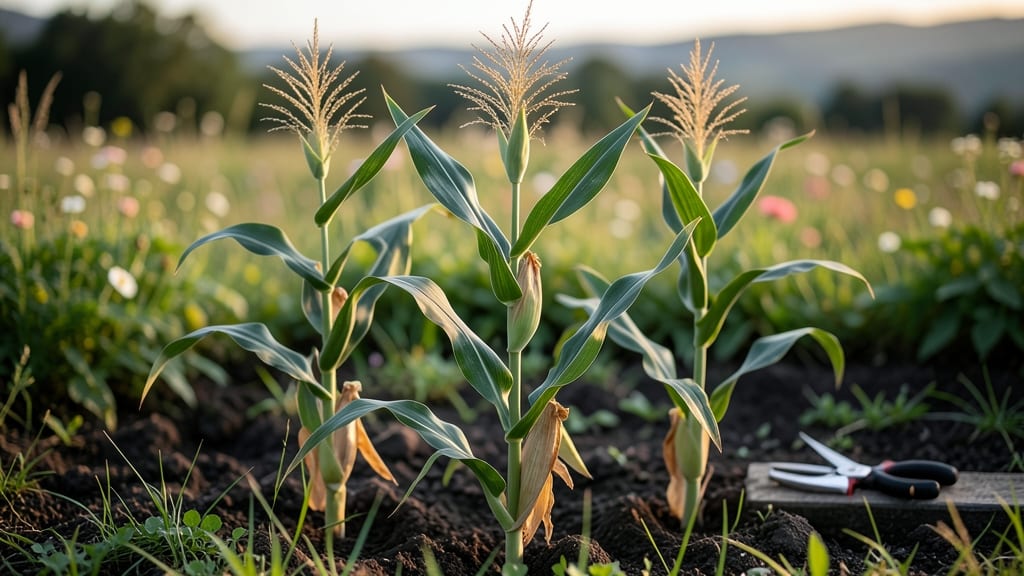
Mastering corn tree plant care in containers unlocks effortless spring blooms and lush foliage—no yard required, just a few simple tricks to keep yours flourishing for years. compact and healthy. The key is matching its habits to container life, from soil moisture to sunlight exposure.
These trees love bright, indirect light but tolerate partial shade, making them perfect for patios or balconies. Use well-draining potting mix and a container at least 18 inches wide to prevent root crowding.
Water when the top inch of soil feels dry, but avoid soggy roots—they’re sensitive to overwatering. Fertilize lightly in spring with balanced fertilizer, and you’ll see those iconic white flowers return every year.
By summer, you’ll notice glossy green leaves and maybe even small red berries if you’re lucky. The best part? Minimal pruning keeps it looking tidy—just trim dead branches in late winter and shape lightly after flowering.
Even in containers, they handle winter well with a little extra mulch or protection from harsh winds.
Whether you’re growing one as a statement piece or lining a patio, corn trees adapt beautifully to container life. The secret is paying attention to their natural rhythms—light, water, and a little seasonal TLC. Ready to grow yours?
📚 In This Guide
- What you need
- Instructions
- Tips and common mistakes
- Wrapping up and next steps
What you need
- ● Corn Tree Plant: 1 mature plant (4–6 feet tall) or 1–3 young cuttings (4–6 inches long) for propagation.
- ● Container: 1–2 drainage holes required.
- ● Size: 12–16 inches in diameter for mature plants; 6–8 inches for cuttings.
- ● Material: Terracotta, ceramic, or plastic (terracotta helps regulate moisture).
- ● Potting Mix: 1 bag (1–2 cubic feet) of well-draining, slightly acidic mix (pH 5.5–6.5).
- ● Ideal blend: 50% peat moss or coconut coir, 30% perlite or pumice, 20% garden soil.
- ● Tools: 1 pair of sterilized pruning shears (for trimming or propagation).
- ● 1 trowel (for repotting).
- ● 1 spray bottle (for misting cuttings or new plants).
- ● 1 measuring cup (for watering consistency).
- ● Rooting hormone (to boost propagation success for cuttings).
- ● Slow-release fertilizer (balanced 10-10-10 or organic options like worm castings).
- ● Decorative pebbles or moss (for aesthetic container styling).
- ● Humidity tray (to maintain 40–60% humidity for tropical vibes).
- ● Plant saucer (to catch excess water and protect surfaces).
Step-by-step guide to growing Corn Trees in containers
Here’s how to keep your Corn Tree thriving with minimal fuss—perfect for indoor or patio growing.
Select the Right Container and Soil
Corn Trees (Dracaena fragrans) need room to grow, so choose a 12-14 inch diameter pot with drainage holes. The container should be slightly larger than the current root ball to allow for 2-3 years of growth before repotting. I use a well-draining potting mix—equal parts peat moss, perlite, and garden soil—to prevent root rot, which is the biggest threat to container-grown Corn Trees.
Fill the pot with 2-3 inches of soil, leaving space for the root ball. Gently loosen the roots of your plant if it’s root-bound, then place it in the center. Fill the remaining space with soil, pressing lightly to eliminate air pockets but avoiding compaction. The soil should feel slightly moist but not soggy—think of a wrung-out sponge.
Position for Optimal Light and Humidity
Corn Trees thrive in bright, indirect light—think east or west-facing windows or a few feet from a south window. Direct sunlight can scorch the leaves, so if you notice yellow or brown patches, move the plant back a few feet. I’ve found that a grow light on a timer (14 hours daily) works wonders if natural light is limited, especially in winter.
Humidity is key for Corn Trees. If your home is dry, mist the leaves 2-3 times a week or place the pot on a tray filled with pebbles and water. Just ensure the pot isn’t sitting in standing water—this encourages root rot. You’ll know humidity is right when the leaves stay plump and glossy, not crispy or drooping.
Water and Fertilize for Healthy Growth
Water your Corn Tree when the top 1-2 inches of soil feel dry—stick your finger in the soil to check. Overwatering is the fastest way to kill this plant, so I always err on the side of underwatering. When you water, do it thoroughly until water runs out the drainage holes, then empty the saucer to prevent soggy roots. This plant can tolerate some drought, but it won’t forgive consistent sogginess.
Feed your Corn Tree with a balanced liquid fertilizer (10-10-10 or 20-20-20) every 4-6 weeks during spring and summer. Reduce feeding in fall and winter, as growth slows. I dilute the fertilizer to half-strength to avoid burning the roots—always follow the label instructions. You’ll see healthy, vibrant growth when the leaves are dark green and upright, not yellowing or curling.
Prune and Maintain for Minimal Effort
Corn Trees are low-maintenance when it comes to pruning. Simply trim any yellow or brown leaves with clean, sharp scissors to encourage new growth. If the plant outgrows its space, you can prune the stems just above a leaf node to promote bushier growth. Avoid heavy pruning—this plant doesn’t recover well from drastic cuts, and it can take months to fill back in.
Dust the leaves occasionally with a damp cloth to keep them shiny and able to photosynthesize efficiently. If you notice pests like spider mites (tiny webs on the underside of leaves), treat them with neem oil or insecticidal soap—this plant is tough but not pest-proof. With minimal pruning and consistent care, your Corn Tree will stay lush and upright for years.
Tips & tricks for perfect Corn Tree plant care
Here's what nobody tells you about keeping your Corn Tree thriving in containers without the fuss.
Container Size Matters: While the instructions recommend a 12-14 inch pot, I've found that if you're growing your Corn Tree for more than 3 years, consider upgrading to a 16-inch pot at the 2-3 year mark. The extra space gives roots room to expand without becoming root-bound, which directly impacts leaf health and growth rate. Just make sure the new pot still has drainage holes—this is non-negotiable for preventing root rot.
Soil Mix Secrets: The well-draining mix of equal parts peat moss, perlite, and garden soil works perfectly, but here's the upgrade: add a handful of worm castings to that mix. The microbial activity in worm castings improves nutrient availability and helps maintain that slightly moist-but-not-soggy texture we're aiming for. You'll notice the leaves stay darker green and more vibrant with this addition, especially during the slower winter growth periods.
Lighting Hacks for Indoor Growers: That 14-hour grow light recommendation is spot-on, but here's how to optimize it: use a full-spectrum LED grow light on a timer set to 14 hours during winter months when natural light is limited. Position the light about 12-18 inches above the plant—closer than that can cause leaf burn, while farther away won't provide enough intensity. I've seen dramatic improvements in leaf color and growth when using this exact setup during our shorter daylight hours.
Watering Technique Upgrade: When checking that top 1-2 inches of soil for dryness, I recommend using a moisture meter for more accuracy. These inexpensive tools give you precise readings, which is crucial because Corn Trees are particularly sensitive to overwatering. Another pro tip: water in the morning rather than evening to allow excess moisture to evaporate during the day, reducing the risk of fungal issues that thrive in damp conditions overnight.
Pro Tips for Corn Tree Plant Care
- Here's what nobody tells you about keeping your Corn Tree thriving in containers without the fuss.
- Container Size Matters: While the instructions recommend a 12-14 inch pot, I've found that if you're growing your Corn Tree for more than 3 years, consider upgrading to a 16-inch pot at the 2-3 year mark.
- Soil Mix Secrets: The well-draining mix of equal parts peat moss, perlite, and garden soil works perfectly, but here's the upgrade: add a handful of worm castings to that mix.
Frequently asked questions
How often should I water my corn tree (Dracaena fragrans) in a container?
Water your corn tree when the top 1–2 inches of soil feel dry to the touch, typically every 1–2 weeks. Overwatering is the biggest risk—ensure containers have drainage holes and avoid soggy soil. In winter or low-light conditions, reduce watering to every 3–4 weeks.
Can corn trees survive winter outdoors, or do they need to be brought inside?
Corn trees thrive indoors year-round but can tolerate short outdoor stays in temperatures above 50°F (10°C). For winter, move them indoors if temps drop below 45°F (7°C). Avoid sudden temperature swings, which stress the plant.
Why are my corn tree’s leaves turning brown and crispy?
Brown, crispy leaves usually signal underwatering or low humidity. Check soil moisture and mist leaves occasionally. If the tips are brown but the rest is healthy, it’s likely fluoride sensitivity—use filtered water. Yellowing leaves? Overwatering may be the culprit.
How do I repot a corn tree without damaging it?
Repot every 2–3 years in spring. Gently remove the plant, loosen roots, and place it in a 1–2 inch larger container with fresh, well-draining soil. Water lightly afterward and avoid fertilizing for 4–6 weeks to reduce stress.
What’s a low-maintenance alternative to corn trees for beginners?
Try snake plants (Sansevieria) or ZZ plants (Zamioculcas zamiifolia)—both tolerate neglect, low light, and infrequent watering. Pothos (Epipremnum) is another great option if you want trailing vines with minimal care!
Wrapping up and next steps
Caring for your corn tree (Dracaena fragrans) in containers is simpler than you think—just balance its love for bright, indirect light, moderate watering, and occasional humidity boosts.
With minimal pruning and the right soil mix, this low-maintenance beauty will thrive and add a touch of tropical elegance to your space. 🌿
Ready to see your corn tree flourish? Start by giving it a well-lit spot and check its soil moisture weekly—soon, you’ll have a lush, happy plant that rewards your effort with vibrant foliage. Happy growing! 🌱