
Planting
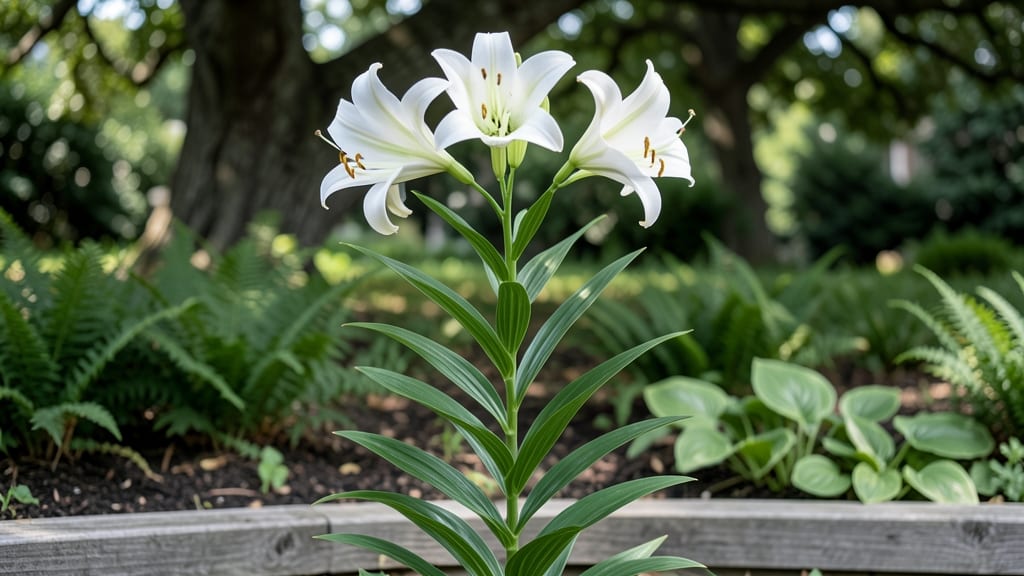
Planting a lily tree brings dramatic, long-lasting color that outshines most annuals—without the fuss of constant pruning or deadheading. I remember my first one blooming in July, then again in September, with barely a touch from me.
The secret lies in choosing the right spot and giving it just enough attention to thrive.
These trees thrive in full sun to partial shade and adapt to various soil types, though they love well-draining soil with a touch of organic matter. Space them 15-20 feet apart for mature size, and plant in early spring or fall when temperatures are mild.
Most beginners underestimate how low-maintenance they are—once established, they handle drought surprisingly well.
You’ll love the layered blooms in shades of pink, purple, and white that last for weeks, followed by papery seed pods that add winter interest. Pruning is minimal—just light shaping in late winter to encourage fresh growth.
The best part? They reward patience with vibrant color year after year with almost no effort.
Perfect for small yards, urban landscapes, or as a striking focal point. Whether you’re replacing a tired shrub or adding seasonal drama, this tree delivers effortless beauty that keeps giving. Let’s get yours planted right!
📚 In This Guide
- What you need
- Instructions
- Tips and common mistakes
- Wrapping up and next steps
What you need
- ● Lily Tree Plant (Crape Myrtle) – Choose a Lagerstroemia indica or hybrid variety (e.g., 'Natchez,' 'Muskogee,' or 'Tonto'). Buy a 1-3 gallon container plant for best results.
- ● Well-draining soil – Mix 1 part native soil with 1 part compost or 1 part sand (if your soil is heavy clay).
- ● Organic mulch – 2-3 inches of shredded bark, pine straw, or wood chips to retain moisture and regulate temperature.
- ● Slow-release fertilizer – A balanced 10-10-10 or low-phosphorus (5-5-5) formula for flowering plants (apply at planting and again in early spring).
- ● Watering can or hose with a gentle spray nozzle – Lilies hate soggy roots, so avoid heavy water pressure.
- ● Garden trowel or shovel – For digging planting holes (aim for twice as wide as the root ball).
- ● Gloves – Heavy-duty work gloves to protect your hands from thorns (some varieties have them!).
- ○ Pruning shears – Sharp, bypass-style shears for minimal pruning (optional but handy for shaping).
- ● Measuring tape or ruler – To ensure proper spacing (6-10 feet apart for mature trees).
- ○ Stakes (optional) – If planting in windy areas, use 2-3 stakes per tree for support.
- ● Sunlight – Full sun (6+ hours daily) is a must for vibrant blooms. Partial shade (morning sun) works but may reduce flowering.
- ● Drainage – Avoid low-lying areas where water pools. Lilies hate wet feet!
- ● Hardiness zone – Most lily trees thrive in zones 7-9. Check your zone here.
- ● Patience – While they bloom the first year, full maturity (and showstopping color) takes 3-5 years.
How to plant lily trees for stunning year-round foliage
Here's my go-to approach for establishing lily trees that thrive with almost no pruning—just vibrant color and easy care.
Choose the Perfect Planting Location
Lily trees demand bright, indirect light for their signature foliage to stay lush and colorful. A spot with 4-6 hours of morning sun followed by afternoon shade works best—too much direct afternoon sun can scorch their delicate leaves. I always test potential sites by placing a plant there for a week first; if the leaves start curling or yellowing, it's getting too much sun.
Well-draining soil is non-negotiable—these trees hate soggy roots. If your garden soil is heavy clay, amend it with 2-3 inches of organic compost mixed into the top 12 inches of soil. The planting hole should be twice as wide as the root ball but only as deep, so the tree sits at the same level it was in its container. Tap the soil gently around the roots to eliminate air pockets, then water deeply to settle everything.
Plant at the Right Time and Depth
Spring or early fall are the ideal times to plant lily trees—avoid extreme heat or frost. Dig a hole that accommodates the entire root system without bending or crowding. I like to loosen the roots slightly if they're circling the container, then spread them out naturally in the hole. The top of the root ball should sit 1-2 inches below the surrounding soil level—this prevents water from pooling around the stem.
Backfill with the native soil you removed, tamping lightly every 2 inches to remove air gaps. Water again until moisture reaches 6 inches deep, then let the soil settle for a day before adding a 2-inch layer of mulch around the base. Keep mulch 3 inches away from the trunk to prevent rot. The first few weeks are critical—water twice weekly until new growth appears, then taper to once weekly once established.
Establish a Watering and Fertilizing Routine
Lily trees need consistent moisture but despise soggy conditions. I check soil moisture by sticking my finger 2 inches deep—if it feels dry, it's time to water. Deep watering once weekly encourages strong root growth, but avoid overhead watering after planting to prevent fungal issues. A drip irrigation system or soaker hose is ideal for even moisture distribution.
Feed lightly in spring with a balanced 10-10-10 fertilizer at half strength, then again in early summer. Over-fertilizing leads to lush foliage at the expense of blooms. I skip fall fertilization entirely—let the tree focus on root development rather than new growth. Yellowing leaves usually mean too much fertilizer; brown edges often signal underwatering or salt buildup from over-fertilizing.
Minimal Pruning for Healthy Growth
The beauty of lily trees is their low-maintenance nature—pruning is mostly about removing dead or damaged branches. I trim back any brown, broken, or crossing branches in late winter or early spring before new growth starts. Use clean, sharp pruners and cut just above a leaf node or outward-facing bud to encourage healthy regrowth.
Never prune more than 25% of the plant's foliage at once—this stresses the tree and reduces its ability to photosynthesize. If you notice leggy growth, it's a sign of insufficient light rather than a pruning issue. In that case, move the tree to a brighter location and avoid pruning until it adjusts. The goal is to maintain shape without sacrificing the tree's natural vigor.
Tips & tricks for perfect lily tree planting
Took me a while to figure these out, so here goes—your lily trees will thank you for these simple adjustments that make all the difference.
Light Testing: Before committing to a spot, place your lily tree in the chosen location for a full week. Watch for leaf curling or yellowing—these are clear signs of too much direct sun. I've seen trees go from vibrant to wilted in just 24 hours when moved to a sunnier spot. The 4-6 hours of morning sun is ideal, but if your location only offers 3 hours, supplement with artificial grow lights for 2-3 hours in the afternoon.
Soil Preparation: The 2-3 inches of organic compost mixed into the top 12 inches of soil is non-negotiable for heavy clay soils. If you're unsure about your soil type, do the squeeze test: grab a handful of moist soil and squeeze it. If it holds its shape, it's clay; if it crumbles, it's sandy. For clay soils, I recommend adding perlite or coarse sand to improve drainage—this prevents the dreaded root rot that can kill lily trees within weeks.
Watering Strategy: That 6-inch deep watering after planting isn't just about settling the soil—it's about establishing a strong root system. I've found that using a moisture meter helps track when to water again. Aim for the soil to stay consistently moist but never soggy. If you're using a drip irrigation system, set it to deliver water slowly over 20-30 minutes to prevent runoff, which can wash away the precious topsoil where roots need to establish.
Fertilizer Timing: The half-strength 10-10-10 fertilizer application in spring and early summer is perfect, but here's what I've learned: Apply it when you see new growth emerging, not just because it's spring. I've seen trees burn when fertilized too early in cold weather. Also, if your leaves develop brown tips after fertilizing, flush the soil with water to remove excess salts that can build up and harm the roots.
Pro Tips for Lily Tree Plant
- Took me a while to figure these out, so here goes—your lily trees will thank you for these simple adjustments that make all the difference.
- Light Testing: Before committing to a spot, place your lily tree in the chosen location for a full week.
- Soil Preparation: The 2-3 inches of organic compost mixed into the top 12 inches of soil is non-negotiable for heavy clay soils.
Frequently asked questions
Got questions about growing lily trees (like Lagerstroemia or Magnolia varieties)? You’re not alone! Here are answers to the most common queries—so you can plant with confidence and enjoy year-round beauty with minimal fuss.
How fast do lily trees grow, and how big do they get?
Lily trees vary by species, but most grow moderately fast—about 12–24 inches per year. Mature heights range from 10 to 30 feet, depending on the variety. For example, Crape Myrtle (a popular lily tree) typically reaches 15–25 feet, while Magnolia grandiflora can tower over 80 feet! Choose a variety that fits your space—dwarf types stay under 10 feet.
When is the best time to plant a lily tree?
The ideal window is early spring or fall, when soil is workable but not frozen. Avoid extreme heat or cold—root establishment is key! If you must plant in summer, water deeply 2–3 times a week and use mulch to retain moisture. Never plant in winter unless your climate is mild (Zone 8+).
How often should I water a newly planted lily tree?
For the first 2–3 months, water deeply 2–3 times per week (or daily in extreme heat). After that, 1–2 times per week should suffice, unless your area has drought conditions. Mulch (2–3 inches) around the base helps retain moisture. Once established (after 1–2 years), most lily trees tolerate drought well—just monitor soil dryness!
Do lily trees need pruning, and when?
One of their biggest perks: minimal pruning! Trim dead or crossing branches anytime, but the best time is late winter/early spring (before new growth). For Crape Myrtle, avoid "topping" (cutting the top flat)—it harms the tree. Focus on shaping and removing suckers at the base. Magnolias rarely need pruning unless you’re shaping them.
What are some low-maintenance alternatives to lily trees?
If you love color and ease, consider these hardy, drought-tolerant options:
- Japanese Maple (Acer palmatum): Vibrant foliage, slow-growing, and adaptable.
- Oakleaf Hydrangea (Hydrangea quercifolia): Stunning fall color, thrives in shade.
- Smoke Tree (Cotinus): Purple foliage, zero pruning needed.
- Dwarf Fountain Grass (Pennisetum): Adds texture with zero upkeep.
Wrapping up and next steps
Growing a lily tree plant is a rewarding way to add year-round beauty with minimal fuss—no pruning drama required! 🌸 Whether you’re drawn to their striking blooms or low-maintenance charm, these plants are perfect for gardeners of all levels.
With the right soil, sunlight, and a little patience, you’ll enjoy vibrant colors and lush foliage that brightens any space.
Ready to get started? Pick your favorite variety, gather your supplies, and plant with confidence! For extra inspiration, explore lily tree care tips or share your progress with fellow plant lovers. Happy gardening! 🌱