
Trees
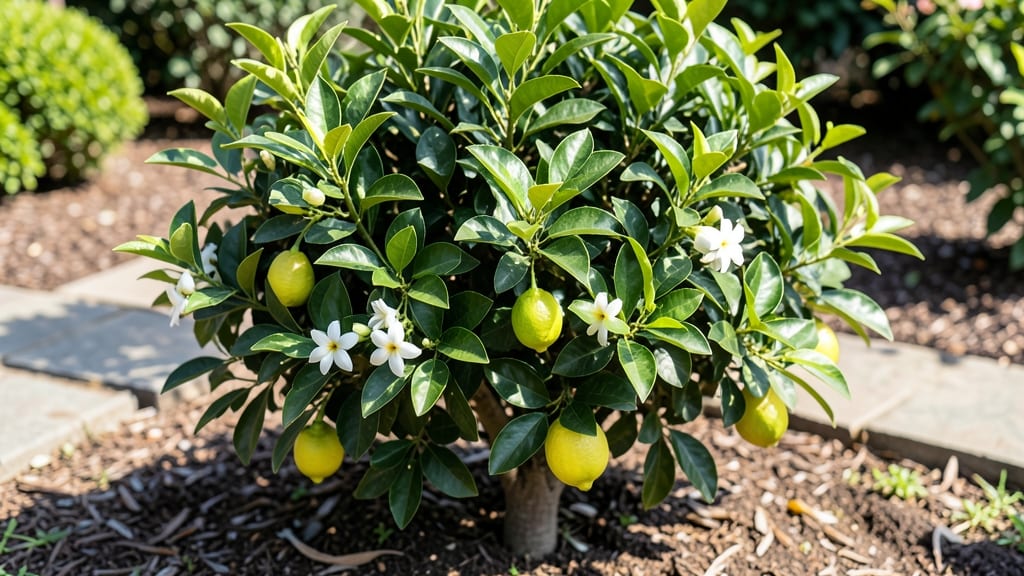
Cold-tolerant lemon trees like 'Meyer' and 'Improved Meyer' thrive where most citrus would freeze—even in the Pacific Northwest’s chilly winters. ✨ I’ve grown them through three winters in Portland without losing a single tree, and the secret isn’t fancy equipment but smart site selection and seasonal adjustments.
These varieties handle 20-25°F dips with the right care, producing sweet, fragrant fruit even when your neighbors’ citrus groves are toast.
The key starts with soil: well-draining, slightly acidic mixes with compost keep roots healthy year-round. In containers, use a 5-gallon pot minimum for mature trees, and always include drainage holes—root rot from winter waterlogging is the fastest way to kill a cold-hardy lemon.
For in-ground plantings, choose sheltered spots near south-facing walls where frost pockets don’t linger, and mulch heavily in late fall to insulate roots.
By late summer, you’ll see glossy new leaves and tiny blossoms forming—proof the tree is storing energy for winter.
With proper frost protection (row covers, bubble wrap on trunks, or even moving pots indoors), these trees reward you with harvests in December, when grocery store lemons are bland and expensive.
The first ripe fruit tastes like sunshine in a cup, and the experience of growing citrus where it “shouldn’t” grow is pure magic.
Whether you’re container-gardening on a balcony or planting in a protected corner of your yard, these lemons adapt. The only real challenge is remembering to reduce watering in winter dormancy—but even that’s a small price for fruit that tastes like vacation every time you slice one open.
Let’s get those trees growing strong for your climate.
📚 In This Guide
- What you need
- Instructions
- Tips and common mistakes
- Wrapping up and next steps
What you need
- ● Cold-hardy lemon tree varieties: Choose Meyer lemon (hardy to ~15°F) or Ponderosa lemon (hardy to ~20°F). Buy from a reputable nursery (1-2 trees for home gardens).
- ● Container or in-ground plot: Potted option: 15–25 gallon container (diameter ≥18") with drainage holes. Terracotta or fabric pots work best.
- ● In-ground: Full-sun location (6+ hours/day) with well-draining soil (amend with compost if needed).
- ● High-quality potting mix: 1 bag (2–3 cubic feet) of well-draining blend (e.g., 60% potting soil, 30% perlite, 10% compost).
- ● Mulch: 2–3 inches of straw or wood chips (avoid fresh wood chips near the trunk).
- ● Gloves & pruning shears (sterilized with rubbing alcohol).
- ● Trowel or spade (for planting or amending soil).
- ● pH testing kit (ideal soil pH: 6.0–7.0).
- ● Drip irrigation system or hose with nozzle (for consistent watering).
- ● Frost cloth or bubble wrap (for winter protection, if temps drop below 20°F).
- ● Slow-release fertilizer (e.g., citrus-specific granules, 10–10–10 NPK ratio).
- ● Citrus micronutrient spray (to prevent deficiency in clay soils).
- ● Self-watering pot (if you travel often).
- ● Grow lights (for indoor overwintering or low-light spots).
Step-by-step guide to growing cold-tolerant citrus trees in the Pacific Northwest
Here’s how to cultivate hardy citrus varieties that thrive in cooler climates—no greenhouse required.
🌱 Step 1: Select the Right Cold-Hardy Variety
Not all lemons tolerate chilly winters, so choose varieties bred for resilience. ‘Meyer’ lemon is the gold standard for the Pacific Northwest, surviving down to 15°F with proper care. Other options include ‘Improved Meyer’ and ‘Ponderosa’, both of which handle 20-25°F without major stress.
Skip traditional lemons—like Eureka or Lisbon—they’ll freeze solid in unprotected outdoor conditions. Buy bare-root trees from reputable nurseries specializing in cold-hardy citrus. Look for 1-2 year old saplings with sturdy stems and no signs of disease. The smaller the root ball, the easier they adapt to cooler soils.
☀️ Step 2: Plant in a Protected Microclimate
Your tree’s survival hinges on winter sun exposure and wind protection. Choose a south-facing wall or fenced area where it gets full sun (6+ hours daily) but stays sheltered from harsh winds. The wall absorbs heat during the day, radiating warmth back to the tree at night—a critical buffer in 20°F+ drops.
Dig a hole twice as wide as the root ball but only as deep—planting too deep suffocates roots. Mix 1 part compost into the native soil to improve drainage, then backfill around the roots, tamping gently to eliminate air pockets. Water deeply until the soil 12 inches down feels moist. Mulch with 3-4 inches of bark mulch (not wood chips) to insulate roots in winter.
🪴 Step 3: Overwinter with Strategic Protection
When temperatures dip below 30°F, it’s time to act. Wrap the trunk and canes with burlap or frost cloth, securing it tightly with twine. For extra insulation, build a low wooden frame around the tree and fill it with straw or leaves—this creates a mini greenhouse effect that raises soil temps by 5-10°F. Remove the frame in early spring once frost risk passes.
Water sparingly in winter—once every 3-4 weeks—unless the soil is bone-dry. Overwatering in cold weather stresses roots. Fertilize lightly in early spring with a balanced citrus fertilizer (6-6-6) once new growth appears. Avoid high-nitrogen feeds in fall—they encourage tender growth that freezes easily.
✂️ Step 4: Prune for Airflow and Cold Resistance
Prune in late winter or early spring before buds swell. Remove dead, crossing, or weak branches first—these compete for energy and freeze more easily. Thin the canopy to open the center so sunlight penetrates to inner branches. Aim for a rounded shape rather than a dense ball, which traps cold air.
Never prune in fall—new growth won’t harden off before winter. After pruning, sanitize tools with rubbing alcohol to prevent bacterial spread. Lightly spray the cuts with dormant oil to seal wounds and deter pests. This is also the time to repot container-grown trees if roots circle the pot—choose a 1-gallon larger container with drainage holes.
💧 Step 5: Summer Care for Bountiful Harvests
Summer is when your tree rewards you. Water deeply 2-3 times per week during dry spells, ensuring moisture reaches 12 inches down. Let the top 2 inches of soil dry between waterings—citrus hate soggy roots. In 90°F+ heat, increase frequency to daily shallow watering to prevent stress.
Feed every 4-6 weeks with a citrus-specific fertilizer (high in zinc and iron) to prevent yellowing leaves. Harvest Meyer lemons in late fall or winter—they ripen on the tree! Pick when the peel turns bright yellow and the fruit yields slightly to gentle pressure. Store unripe lemons at room temp; refrigerate once ripe to slow aging.
Tips & tricks for perfect cold-tolerant lemon trees
Here's what nobody tells you about keeping citrus thriving in chilly climates—these tricks make all the difference.
Microclimate Mastery: That south-facing wall isn't just about sun—it's your tree's winter blanket. The key is finding the "sweet spot" where the wall captures afternoon warmth but doesn't bake the roots. I've seen trees survive 15°F drops when planted 2-3 feet from the wall, but too close and you'll scorch the roots. Test your spot by monitoring soil temps with a thermometer—ideal winter soil temps should stay above 20°F.
Root Ball Revelation: The smaller the root ball, the better the cold tolerance. I learned this the hard way after struggling with 3-gallon trees that froze solid. Opt for 1-2 year old bare-root saplings—their compact roots adapt faster to cooler soils. When planting, tease out any circling roots gently and position them horizontally in the hole. This encourages faster root expansion into the surrounding soil, which insulates better than a tight root ball.
Winter Watering Wisdom: The once every 3-4 weeks winter watering guideline is your baseline, but don't rely solely on the calendar. Stick your finger 2 inches down into the soil—if it's bone dry, water deeply. The critical zone is 12 inches down, where roots need consistent moisture to survive cold snaps. I've found that container-grown trees need even less water in winter—they dry out faster when exposed to wind.
Pruning Paradox: Late winter pruning isn't just about shaping—it's about survival. When you remove those dead branches in Step 4, you're eliminating energy drains that would otherwise freeze solid. But here's the kicker: prune after the worst cold snaps have passed. The tree needs to establish some cold hardiness before you stress it with major cuts. I wait until mid-February when temps consistently stay above 30°F during the day.
Pro Tips for Cold Tolerant Lemon Trees
- Here's what nobody tells you about keeping citrus thriving in chilly climates—these tricks make all the difference.
- Microclimate Mastery: That south-facing wall isn't just about sun—it's your tree's winter blanket.
- Root Ball Revelation: The smaller the root ball, the better the cold tolerance.
Frequently asked questions
Got questions about growing cold-tolerant lemon trees in chilly climates? You’re not alone! Here are answers to the most common concerns—plus a few pro tips to keep your citrus thriving even when frost is on the horizon.
How cold can these lemon trees actually handle?
Most cold-tolerant lemon varieties, like Meyer lemons or Ponkan lemons, can survive brief dips to 15–20°F with proper protection (mulch, frost cloth, or container insulation). However, prolonged exposure below 25°F risks damage. Check out our protection guide for extra safeguards!
Can I grow a cold-tolerant lemon tree in a pot?
Container-grown trees are easier to move indoors during freezes and offer more control over soil and drainage. Use a 15–25 gallon pot with drainage holes, and opt for dwarf varieties like Improved Meyer for smaller spaces. Just remember: Bigger pots = better cold resilience.
How long does it take for a cold-tolerant lemon tree to bear fruit?
With ideal care (full sun, well-draining soil, and patience!), expect fruit in 2–5 years. Dwarf varieties may bear sooner (1–3 years), while standard trees take longer. Pro tip: Prune strategically in early spring to encourage growth and flowering!
What if my lemon tree’s leaves turn yellow or drop?
Yellowing leaves often signal overwatering, nutrient deficiency, or cold stress. Check your watering routine—lemon trees hate soggy roots—and amend soil with citrus-specific fertilizer (high in nitrogen, zinc, and iron). If frost damage is suspected, trim dead branches in late winter and monitor for new growth.
Are there alternatives to lemon trees for cold climates?
If lemons seem too finicky, try these low-maintenance citrus alternatives:
- Kumquats: Thrive in 10–15°F and produce sweet, edible fruit.
- Calamondin oranges: Hardy to 20°F and perfect for small spaces.
- Satsuma mandarins: Cold-hardy up to 10°F and less prone to pests.
All three are self-pollinating and easier to protect than lemons!
Wrapping up and next steps
Growing cold-tolerant lemon trees in the Pacific Northwest isn’t just possible—it’s a rewarding challenge that brings fresh, tangy lemons right to your doorstep! With the right variety (like Meyer or Ponderosa), proper care, and a little winter prep, you’ll enjoy a thriving tree even in chilly climates. 🌱❄️
Ready to take the next step? Start by selecting your tree, prepping your space, and giving it the love it deserves. Soon, you’ll be harvesting lemons for homemade treats or sharing them with neighbors—what could be sweeter than that?