
Pruning
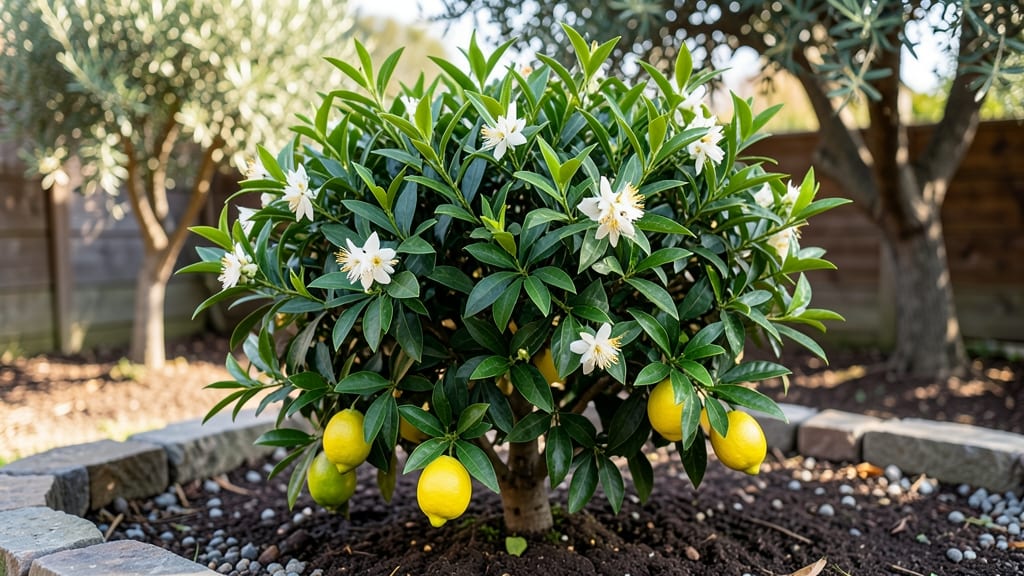
Growing a bush lemon tree in the Pacific Northwest isn’t just possible—it’s simple with the right approach. 🌿 I’ve nurtured Meyer lemons in containers for years, and the key lies in mimicking their Mediterranean roots while working with our cooler, wetter climate.
The secret isn’t complicated: it’s about sunlight, shelter, and three strategic prunes that keep the tree compact and productive.
You’ll need a 15-gallon container with drainage, well-draining soil mixed with compost, and a spot that gets at least 6-8 hours of sunlight daily. In our region, that often means a south-facing window or patio, where the tree can soak up warmth without winter chill.
The right variety—like the cold-hardy Meyer lemon—makes all the difference, thriving where other citrus would fail.
By pruning just three times a year, you’ll encourage bushier growth and more fruit. The first cut shapes the tree, the second removes dead wood, and the third promotes flowering.
With consistent care, you’ll harvest dozens of sweet, fragrant lemons by late summer—enough for fresh juice, marmalade, or gifts to neighbors who’ll envy your green thumb.
Even in our damp climate, these trees flourish when protected from frost and overwatering. Indoor growers can extend the season with grow lights, while outdoor gardeners use containers for mobility. The payoff? A year-round citrus harvest that tastes better than anything from the store.
📚 In This Guide
- What you need
- Instructions
- Tips and common mistakes
- Wrapping up and next steps
What you need
- ● Pruning shears – Sharp, bypass-style shears (for clean cuts on small to medium branches). (1 pair)
- ● Loppers – For thicker branches (½”–1.5” diameter). (1 pair)
- ● Pruning saw – For stubborn, large branches (1.5”+ diameter). (1 saw)
- ● Disinfectant (70% isopropyl alcohol or bleach solution) – To sterilize tools between cuts and prevent disease spread.
- ● Gloves – Heavy-duty, cut-resistant gloves (to protect from thorns and sap). (1 pair)
- ● 5-gallon bucket or trash bag – For collecting pruned branches.
- ○ Pruning sealant (optional but helpful) – For sealing larger wounds (e.g., tree wound dressing).
- ● Extension pole – For hard-to-reach branches.
- ● Marking spray or chalk – To tag branches for removal before cutting.
- ● Step stool or ladder – For safe access to higher branches.
- ● Hand lens or magnifying glass – To inspect buds and branch health closely.
- ● Compost bin – To recycle pruned material into nutrient-rich compost.
How to prune a bush lemon tree for Pacific Northwest success
Here’s my go-to method for keeping your citrus tree compact, productive, and winter-hardy.
🌿 Step 1: Assess the Tree’s Structure and Growth Habits
Start by examining your bush lemon tree’s branches—look for crossing limbs, dead or diseased wood, and overcrowded growth at the center. In the Pacific Northwest’s cooler climate, lemons grow slower, so pruning stimulates new shoots and prevents winter damage. I focus on removing anything that blocks airflow or competes with the main scaffold branches.
Run your fingers along the bark to check for rough spots or cankers—these signal disease. If you spot them, mark those branches for removal first. Healthy branches should have smooth bark and a firm feel. Avoid pruning during frost or extreme heat; early spring (after last frost) or late winter is ideal.
✂️ Step 2: Remove Dead, Sick, or Problematic Branches
Use sharp, clean pruning shears to cut back dead or diseased branches at the branch collar—the swollen area where the branch meets the trunk. Never leave stubs, as they invite infection. For crossing or rubbing branches, remove the smaller of the two to open up the canopy and improve sunlight penetration.
If you see suckers (vigorous shoots growing from the base or trunk), snip them off at the base. These drain energy from fruit production. I like to make cuts just outside the branch collar at a 45-degree angle for larger branches—this helps water run off instead of pooling. For smaller prunes, a straight cut works fine.
🌱 Step 3: Thin Out Overcrowded Growth for Airflow and Light
Step back and visualize your tree’s shape—aim for an open, vase-like form with 6-8 main scaffold branches spaced evenly. In the PNW, lemons benefit from this structure because it prevents moisture buildup in dense foliage, reducing fungal risks. Remove any branches growing inward or downward, as these create shade and encourage pests.
Focus on the center of the tree first—this is where airflow is poorest. Thin out 20-30% of the foliage in this area, cutting back to a healthy bud or lateral branch. For water sprouts (fast-growing, vertical shoots), trim them to encourage bushier growth. You’ll see new, stronger shoots emerge within 4-6 weeks—that’s your sign the pruning worked.
Tips & tricks for perfect bush lemon tree pruning
A few strategic moves will transform your pruning from basic maintenance into a growth-boosting ritual for Pacific Northwest citrus.
Timing is Everything: Early spring—right after the last frost—is your golden window for pruning bush lemons. The tree has just awakened from dormancy but hasn't yet begun heavy fruit production, so it can channel energy into new growth. In cooler PNW climates, this timing also prevents winter damage from exposed cuts. If you miss spring, late winter works too, but avoid pruning when temperatures dip below freezing.
The 45-Degree Angle Secret: For branches thicker than a pencil, make your cuts just outside the branch collar at a 45-degree angle. This simple technique prevents water from pooling at the cut site, which could lead to rot or fungal infections. For smaller branches, a straight cut works fine, but always cut cleanly to avoid tearing the bark. I've seen too many pruning mistakes where jagged cuts led to slow healing and disease entry points.
Visualize the Vase Shape: Step back and imagine your tree forming an open vase shape with 6-8 main scaffold branches. This structure maximizes sunlight exposure and airflow—critical in the damp PNW climate. Focus on removing branches that grow inward or downward, as these create shade and encourage pests. The center of the tree often gets overlooked, but this is where you should thin out 20-30% of foliage first to improve circulation.
Post-Pruning Care: After your cuts, give your tree a light fertilizer application to support new growth. Water deeply but avoid overwatering, which can stress the tree. You'll notice new, stronger shoots emerging within 4-6 weeks—this is your sign the pruning worked. In the PNW, these new shoots will be more cold-hardy and better prepared for winter.
Pro Tips for Bush Lemon Tree
- A few strategic moves will transform your pruning from basic maintenance into a growth-boosting ritual for Pacific Northwest citrus.
- Timing is Everything: Early spring—right after the last frost—is your golden window for pruning bush lemons.
- The 45-Degree Angle Secret: For branches thicker than a pencil, make your cuts just outside the branch collar at a 45-degree angle.
Frequently asked questions
Got questions about pruning your bush lemon tree in the Pacific Northwest? You’re not alone!
Here are some of the most common queries—and their straightforward answers—to keep your citrus thriving year-round.
When is the best time to prune my bush lemon tree?
The ideal time is late winter or early spring (February–March in PNW), just before new growth starts. Avoid pruning in fall or winter, as cold stress can harm the tree. If you must prune in summer, do it early (June) and keep it minimal to avoid shocking the plant.
How much should I trim off my bush lemon tree?
Remove no more than 20–30% of the foliage in one session. Focus on:
- Dead, diseased, or crossing branches
- Overly dense growth blocking sunlight
- Suckers (shoots growing from the base)
Can I prune my bush lemon tree in the PNW’s rainy season?
Pruning during heavy rain (Oct–Jan) is risky—wet cuts take longer to heal and invite bacterial infections. If you must prune in wet weather, use a sterilized saw and apply a copper fungicide to cuts. Wait for dry, mild days (50s–60s°F) for best results.
Will pruning reduce my lemon harvest?
Not if done correctly! Pruning increases fruit quality by:
- Improving sunlight penetration (sweeter lemons!)
- Reducing overcrowding (larger, fewer lemons)
- Encouraging airflow (fewer pests/disease)
What if my bush lemon tree looks sad after pruning?
Don’t panic! A healthy tree may drop leaves temporarily as it adjusts. To help recovery:
- Water deeply but avoid soggy soil
- Fertilize with citrus-specific food (high in nitrogen)
- Mulch around the base to retain moisture
Wrapping up and next steps
Growing a thriving bush lemon tree in the Pacific Northwest is totally doable with just three simple pruning steps—and the rewards are sweet! 🍋 By mastering the art of shaping, thinning, and seasonal trimming, you’ll encourage lush foliage, abundant fruit, and a tree that fits perfectly in your space.
The key? Patience and consistency—your tree will thank you with vibrant blooms and juicy lemons in no time.
Ready to take the next step? Grab your pruners, mark your calendar for the best trimming times, and watch your bush lemon tree flourish. Happy pruning—and here’s to a bountiful harvest ahead! 🌿✨