
Pruning
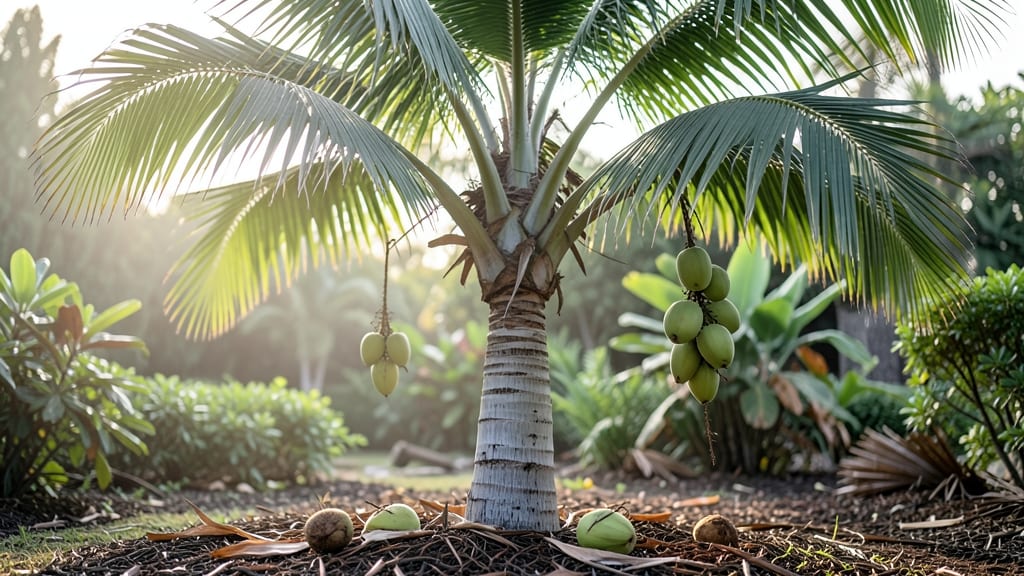
Pruning a coconut tree in the Pacific Northwest isn’t just about shaping—it’s about survival. 🌿 The wrong cut can leave your tree vulnerable to frost, while the right approach keeps it sturdy enough to handle our chilly summers and damp winters.
I’ve learned the hard way that coconut palms need a different strategy than tropical varieties, and the key is timing, technique, and knowing which branches to sacrifice for the greater good.
The first rule? Wait until late spring after the last frost threat has passed. You’ll need sharp pruners, a ladder (or a very tall friend), and a clear day to avoid spreading disease. Focus on removing dead fronds first—those brown, brittle leaves that hang like ghosts.
Then, trim any fronds that are yellowing or crossing others, leaving only the healthy, upright ones to catch sunlight. This isn’t about aesthetics; it’s about airflow and light penetration to keep the crown healthy.
What you’ll end up with is a tree that looks stronger, not skinnier—think of it as giving your coconut palm a haircut that leaves it looking confident. The canopy will thicken over time, producing more flowers and (eventually) coconuts.
Just remember: patience is key. Coconut trees grow slow, and pruning too aggressively can set you back years. But with the right cuts, your tree will thank you by standing tall through another PNW winter.
This method works for both young trees and mature specimens, though older palms need less frequent pruning. If you’re in a coastal area with milder winters, you might prune twice a year—but inland gardeners should stick to spring only.
The goal? A tree that looks like it belongs in Hawaii, even when the rain starts in October.
📚 In This Guide
- What you need
- Instructions
- Tips and common mistakes
- Wrapping up and next steps
What you need
- ● Pruning shears or loppers: Bypass pruners (8–12" blades) for small branches; loppers (18–24" handles) for thicker stems (up to 2" diameter).
- ● Pruning saw: Curved-tooth saw for branches 2–4" thick (e.g., Felco or Fiskars).
- ● Extension pole saw: For high branches (10–15 ft reach; battery-powered for ease).
- ● Work gloves: Heavy-duty, cut-resistant (e.g., Mechanix or Wellingtons) to protect against thorns and sap.
- ● Ladder or cherry picker: Aluminum ladder (20–30 ft) or rental cherry picker for tall trees (ensure weight capacity >250 lbs).
- ● Disinfectant (70% isopropyl alcohol or bleach solution): 1 part bleach to 9 parts water for sterilizing tools between cuts.
- ● Heavy-duty trash bags (20–30 gallon): For debris collection (coconut husks are bulky!).
- ● Safety gear: Safety glasses, long sleeves/pants, and closed-toe shoes (thorns + falling debris = ouch!).
- ● Pole pruners: For precision trimming without climbing (great for dense canopies).
- ○ Tree wound dressing: Pruning sealant (optional; research mixed—PNW’s mild climate often skips this).
- ● Tarps or drop cloths: To protect ground from falling debris (especially under patios or driveways).
- ● First-aid kit: For sap burns or minor cuts (coconut sap can irritate skin!).
- ● Camera or phone: Document the tree’s structure before/after pruning for future reference.
- ● Timing: Prune in late winter or early spring (Feb–March in PNW) to avoid frost damage and encourage new growth.
- ● Weather: Choose a dry, calm day (no rain or high winds for 24–48 hours post-pruning).
- ● Local regulations: Check if your area requires permits for large tree work (some cities do!).
- ● Tree health: Inspect for pests/disease (e.g., Rhizoctonia or scale insects) before pruning—treat issues first.
Step-by-step instructions for pruning your coconut tree safely
Here’s how I protect my tropical coconut tree from Pacific Northwest frosts while keeping it healthy and productive.
🌿 Step 1: Time Your Pruning for Frost Season
Prune your coconut tree 4-6 weeks before the first frost to allow wounds to heal before cold snaps. In the Pacific Northwest, this usually means starting in early September. Late pruning leaves cuts exposed to winter damage, and early pruning stresses the tree before it hardens off.
Watch for new leaf fronds—these indicate active growth. Pruning when the tree is still growing but before dormancy ensures it can recover quickly. Avoid pruning during heatwaves or drought, as the tree will struggle to heal.
✂️ Step 2: Remove Only Problematic or Dead Fronds
Coconut trees are sensitive to heavy pruning, so never remove more than 20% of the canopy at once. Focus on yellowed, brown, or dead fronds first—these drain energy from the tree. Use clean, sharp pruners to make cuts just above a leaf node (the small bump where leaves attach).
If a frond is partially dead but still green, leave it. The tree can recover from partial damage, and removing healthy tissue weakens it. Look for brown, crispy edges—that’s your signal to trim. Never cut into the trunk or main branches, as coconut trees bleed heavily and heal poorly from deep wounds.
☀️ Step 3: Thin the Canopy for Airflow and Frost Protection
Open up the center of the tree by selectively removing inward-growing fronds to improve airflow. This reduces frost pockets where cold air settles. Aim for a slightly open, vase-like shape—this lets sunlight penetrate deeper and warms the trunk during cold nights.
If your tree is near a north-facing wall or cold microclimate, prune the south and west sides more aggressively to expose the trunk to warming sunlight. Avoid over-thinning—3-5 healthy fronds per branch is ideal. Too much openness stresses the tree and invites pests.
💧 Step 4: Clean Up and Protect Wounds
After pruning, sterilize your tools with rubbing alcohol to prevent disease spread. Remove all fallen fronds from the base of the tree—these can harbor fungi or pests. If you notice oozing sap at pruning cuts, it’s normal, but seal larger wounds with tree wound pruning sealant to speed healing.
Water the tree deeply after pruning to help it recover. Mulch the base with 2-3 inches of organic mulch (like shredded bark) to insulate roots from frost. Avoid piling mulch against the trunk—keep it 2 inches away to prevent rot.
⏰ Step 5: Monitor and Adjust for Next Year
Check your tree monthly after pruning for new growth or signs of stress (yellowing leaves, wilting). If fronds brown quickly after pruning, you cut too much—scale back next time. If the tree produces fewer coconuts, it may need fertilizer (use a balanced palm fertilizer in spring).
In the Pacific Northwest, young coconut trees (under 5 years) need extra protection—wrap the trunk in burlap or frost cloth during hard freezes. Mature trees (10+ years) handle frost better but still benefit from mulch and strategic pruning to avoid cold damage.
Tips & tricks for pruning your coconut tree safely
Here's what nobody tells you about pruning coconut trees in cold climates—these tricks will keep your tree thriving through Pacific Northwest winters.
Timing is Everything: The 4-6 week window before frost is non-negotiable. I learned this the hard way after watching a neighbor's tree suffer from late pruning—the wounds never fully healed before winter set in. Check your local frost date and mark your calendar now. In the Pacific Northwest, early September is your sweet spot for that perfect timing.
The 20% Rule: Never exceed removing 20% of your tree's canopy at once—this is critical for coconut trees. I once cut back too aggressively and watched my tree struggle for months to recover. Focus on those yellowed fronds first—they're energy vampires. When in doubt, leave it growing unless you see crispy brown edges that clearly signal it's dead.
Canopy Shape Matters: That vase-like shape isn't just for looks—it's about survival. The open center improves airflow to prevent frost pockets where cold air settles. I've seen trees with dense canopies suffer frost damage on their inner branches while outer branches stayed fine. For trees near north-facing walls, prioritize thinning the south and west sides to maximize sunlight exposure during cold days.
Wound Care is Non-Negotiable: Sterilizing tools and sealing larger wounds with pruning sealant might seem like overkill, but it's what separates healthy trees from sick ones. I've seen coconut trees develop fungal infections from unsterilized cuts—once it gets in, it's hard to treat. That 2-inch mulch buffer around the trunk prevents rot while still insulating roots. And yes, oozing sap is normal, but don't ignore it—it's your tree's way of telling you to pay attention.
Pro Tips for Coco Nut Tree
- Here's what nobody tells you about pruning coconut trees in cold climates—these tricks will keep your tree thriving through Pacific Northwest winters.
- Timing is Everything: The 4-6 week window before frost is non-negotiable.
- The 20% Rule: Never exceed removing 20% of your tree's canopy at once—this is critical for coconut trees.
Frequently asked questions
Got questions about keeping your Pacific Northwest coconut tree thriving—especially with frost concerns? Here are answers to the most common queries from gardeners just like you!
Can coconut trees survive winter in the PNW?
Most coconut trees (Cocos nucifera) are tropical and cannot survive frost below 20°F (-6°C). However, young trees in microclimates (like near heat-retaining walls) may tolerate brief dips to 25°F (-4°C) with protection. For the PNW, consider frost-hardy alternatives like Butia or Jubaea palms if you’re in zones 7-9.
When is the best time to prune a coconut tree?
Prune your coconut tree after harvest (late fall to early winter) to remove dead fronds and encourage new growth. Avoid heavy pruning in spring—this can stress the tree before summer’s heat. In frost-prone areas, prune before the first cold snap to reduce wind damage and improve airflow for warmth.
How do I prune a coconut tree safely?
Use sharp, sterilized pruners or a pole saw for high fronds. Cut 1/3 of the way into the frond’s base to avoid tearing. Remove only dead or yellowing fronds—never prune more than 20% of the canopy at once. Wear gloves (coconut husks are sharp!) and dispose of debris to prevent pests.
What if my coconut tree looks stressed after pruning?
Stress signs include wilting, brown fronds, or slow regrowth. If this happens, water deeply (1-2 inches per week) and apply balanced fertilizer (like 6-6-6) in spring. Mulch the base with wood chips to retain moisture. Avoid fertilizing in winter—cool temps slow nutrient absorption.
Are there frost-resistant palm alternatives for the PNW?
Yes! Try these cold-hardy palms:
Palm Type
Cold Tolerance
Notes
Windmill Palm (Trachycarpus fortunei)
Down to 0°F (-18°C)
Slow-growing, great for containers.
Mediterranean Fan Palm (Chamaerops humilis)
Down to 10°F (-12°C)
Drought-tolerant, ornamental.
Needle Palm (Rhapidophyllum hystrix)
Down to -10°F (-23°C)
Shade-tolerant, low-maintenance.
These thrive in PNW zones 7-9 and require minimal pruning!
Wrapping up and next steps
The coconut tree pruning in the Pacific Northwest doesn’t have to be daunting—with the right tools, timing, and techniques, you can keep your frost-proof canopy thriving! 🌿 Remember, safety first, and always prioritize air circulation and sunlight access.
Whether you’re trimming for health, aesthetics, or fruit production, your efforts will pay off in a lush, productive tree.
Ready to take action? Grab your pruners, mark your calendar for late winter or early spring, and start shaping that canopy with confidence! Your coconut tree—and future harvests—will thank you. 🌴✨