
Pruning
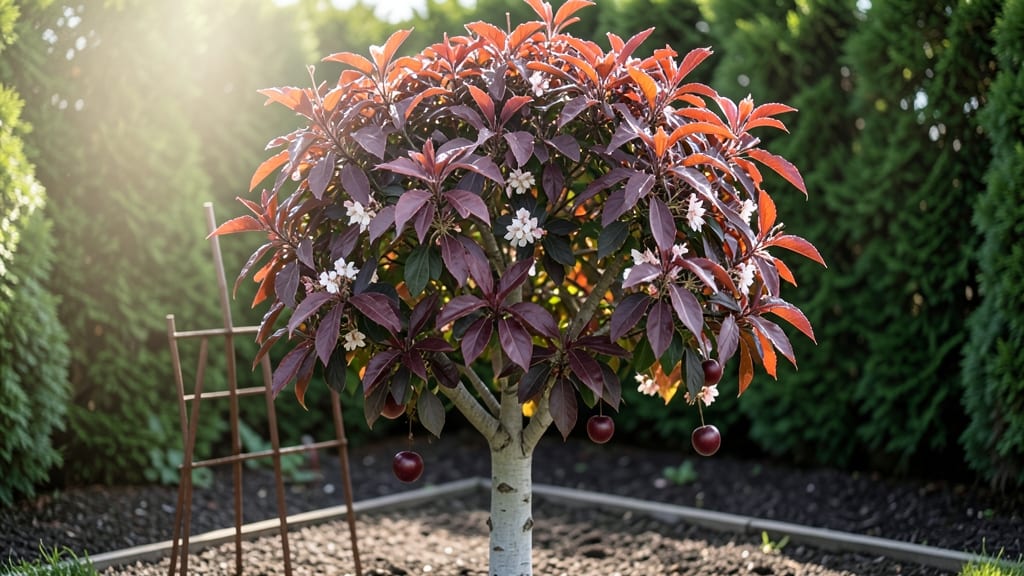
Pruning a blood peach tree in the Pacific Northwest isn’t just about shaping branches—it’s about survival. These frost-resistant varieties demand careful trimming to protect their delicate blooms from late spring freezes while encouraging the deep red flesh that makes them worth growing.
I’ve learned the hard way that aggressive cuts too late in winter can invite disease, while waiting too long risks losing next year’s fruit.
The right time to prune is January through early February, before buds swell but after the worst winter chill passes. Use sharp bypass pruners to make clean cuts just above outward-facing buds, and remove any dead, crossing, or weak branches first.
This isn’t just about aesthetics—it’s about letting sunlight and air reach the center of the tree, where those prized blood-red peaches develop their signature sweet-tart flavor.
What you’ll end up with is a tree that produces heavier, more uniform fruit and resists common PNW pests like peach leaf curl. The deep red flesh stays firm longer than traditional peaches, and the tree’s compact growth habit makes it perfect for smaller orchards or even large containers.
Just remember: every cut is a conversation with the tree, not a battle.
This method works for varieties like ‘Redhaven’ or ‘Honeygold’ when adapted for colder climates, but blood peaches specifically need extra winter protection. Mulch heavily in fall and consider wrapping the trunk if your zone dips below 15°F. The payoff? Juicy, vibrant fruit that turns heads—and stomachs—come summer.
📚 In This Guide
- What you need
- Instructions
- Tips and common mistakes
- Wrapping up and next steps
What you need
- ● Pruning shears: Bypass pruners (for cuts up to ½ inch thick). Recommended: Felco F-2 or Corona CS7120 (sharp, durable, and ergonomic).
- ● Loppers: For branches ½ to 1½ inches thick. Must-have: Telescoping loppers (e.g., Fiskars X27) for hard-to-reach spots.
- ● Pruning saw: Curved-tooth saw for thick branches (2+ inches). Top pick: Bahco No. 3 or Felco F-1.
- ○ Rubbing alcohol (70%+) and pruning sealant: Optional but wise—sterilizes tools and seals cuts to prevent disease.
- ● Work gloves: Cut-resistant (e.g., Mechanix Wear or Southwick). Protects against thorns and blisters!
- ● Safety gear: Sunglasses (UV protection) and closed-toe shoes (no sandals—trust us!).
- ● Disinfectant: 1-part bleach to 9-parts water (for cleaning tools between cuts).
- ○ Pruning paint (optional): Tree wound dressing (e.g., Dyna-Gro Wound Paint) for large cuts.
- ● Tarp or drop cloth: 4’x6’ to catch debris—save your lawn!
- ● Marking twine or flags: For tagging branches to remove (if you’re tackling a big job).
- ● Ladder (if needed): Aluminum extension ladder (24’+ for tall trees). Safety tip: Use stabilizers and never stand on the top rung!
- ● Best timing: Prune late winter to early spring (before buds swell) or summer after harvest (avoid fall/winter in PNW—frost risk!).
- ● Weather check: Clear, dry day (humidity = fungus party).
- ● Tree health: Inspect for diseases (leaf curl, brown rot) or pests. Quarantine infected branches!
- ● Plan ahead: Sketch your tree’s structure or use reference photos to map cuts.
Step-by-step instructions for pruning a blood peach tree in cold climates
Here's how I've learned to prune these frost-hardy trees to maximize fruit while protecting against PNW winters.
Time Your Pruning for Maximum Frost Resistance
Prune your blood peach tree during late winter or early spring, ideally 4-6 weeks before your last expected frost date. This timing gives branches time to heal before cold snaps hit. In the Pacific Northwest, that usually means February through March—after the worst winter cold but before buds swell.
Never prune in fall or winter when the tree is dormant. You'll risk exposing fresh cuts to freezing temperatures, which can invite bacterial canker—a deadly disease for peaches. If you missed the window, wait until spring growth begins (when you see tiny green buds), but don't delay past bud break.
Remove Dead, Diseased, and Crossing Branches First
Start by eliminating dead wood—branches that are brittle, cracked, or show no green under the bark when scratched. Next, cut out any branches with cankers (sunken, oozing, or discolored areas) or signs of fungal infection. Sterilize your pruning tools with 70% rubbing alcohol between cuts to prevent spreading disease.
Look for branches that rub against each other or grow inward. These crossing branches compete for energy and create entry points for pests. Use sharp bypass pruners to make clean cuts at the branch collar—the swollen area where the branch meets the trunk. Avoid leaving stubs, which rot and attract insects.
Open the Canopy for Better Airflow and Sunlight
Thin out the center of the tree to create an open vase shape, allowing sunlight to reach the inner branches. Remove 15-20% of the tree's total branches, focusing on those growing toward the center or downward. This prevents dense shading, which invites fungal diseases and reduces fruit quality.
Leave 4-6 main scaffold branches (large, outward-growing limbs) spaced evenly around the trunk. These will form the tree's framework. Cut back any branches that grow at narrow angles (less than 45 degrees) to the trunk or scaffold branches—these are more likely to break under fruit weight or snow.
Shape for Frost Protection and Fruit Production
Round the tree's outline to shed snow and ice more easily. Avoid sharp angles or flat tops, which collect heavy snow loads. In cold climates, reduce the tree's height by 10-15% to lower its center of gravity and protect against wind damage. Blood peaches benefit from this shorter structure—they fruit more reliably on younger wood.
Shorten last year's fruit spurs (small, fruiting branches) by one-third to encourage new growth. Leave 3-5 buds on each spur. For new growth, cut back water sprouts (fast-growing vertical shoots) to a bud or side branch—these sap-suckers drain energy from fruit production.
Clean Up and Protect the Tree
Rake up and remove all pruned branches from the area—never leave them on the ground, as they harbor pests and diseases. Disinfect your tools again with alcohol or a 10% bleach solution (1 part bleach to 9 parts water) to kill lingering pathogens.
Apply a wound dressing (like pruning sealant) only to cuts larger than ½ inch in diameter. For smaller cuts, leave them open to air and heal naturally. In late spring, mulch the base with 2-3 inches of organic mulch (like wood chips) to insulate roots from temperature swings and retain moisture.
Tips & tricks for pruning blood peach trees in cold climates
Pruning these frost-resistant trees can feel intimidating, but these key strategies will help you achieve a healthier, more productive blood peach tree every time.
Timing is Everything: The 4-6 week window before your last frost date is critical—this gives the tree time to heal before winter cold sets in. If you're unsure about your frost date, check local weather records or ask your county extension office. I always double-check this timing because rushing it can leave fresh cuts vulnerable to bacterial canker, which is especially dangerous for peach trees in cold climates.
Tool Prep Prevents Problems: Sterilizing your pruning tools between cuts with 70% rubbing alcohol isn't just good practice—it's essential. I learned this the hard way when a canker infection spread through my entire orchard after using the same shears on multiple trees without cleaning. For larger cuts over ½ inch, apply pruning sealant immediately to prevent moisture loss and infection. This simple step can save your tree from serious disease.
Canopy Structure Matters More Than You Think: When thinning the center to create that open vase shape, focus on branches growing toward the center or downward—these are the ones stealing sunlight from your fruit. I've found that leaving just 4-6 main scaffold branches spaced evenly around the trunk creates the perfect balance between airflow and fruit production. This structure also helps snow slide off more easily during winter storms, protecting your tree's framework.
Shape for Winter Survival: Rounding the tree's outline might seem like a small detail, but it makes a huge difference in cold climates. Sharp angles and flat tops collect snow, which can weigh down branches and cause breakage. By reducing the tree's height by 10-15%, you're also lowering its center of gravity—this simple adjustment can prevent wind damage during PNW winter storms. The shorter structure also encourages more reliable fruiting on younger wood, which is more cold-hardy.
Pro Tips for Blood Peach Tree
- Pruning these frost-resistant trees can feel intimidating, but these key strategies will help you achieve a healthier, more productive blood peach tree every time.
- Timing is Everything: The 4-6 week window before your last frost date is critical—this gives the tree time to heal before winter cold sets in.
- Tool Prep Prevents Problems: Sterilizing your pruning tools between cuts with 70% rubbing alcohol isn't just good practice—it's essential.
Frequently asked questions
Got questions about pruning your blood peach tree in the Pacific Northwest? You’re not alone! Here are answers to the most common concerns—from frost resilience to timing tricks—so your tree stays healthy and productive.
How cold-hardy is a blood peach tree, and can it survive PNW winters?
A Prunus persica ‘Blood’ typically tolerates USDA Zones 5-9, but PNW’s late frosts can be tricky. While mature trees handle 15–20°F with proper care, young trees or unexpected deep freezes may damage blossoms or fruit. Prune in late winter (after frost risk passes) to avoid stressing the tree before bloom. Mulch heavily in fall and water deeply before winter to boost cold resistance. Pro tip: Choose a sheltered spot to shield it from harsh winds.
When is the best time to prune a blood peach tree in the PNW?
Timing is critical! Late winter to early spring (February–March) is ideal—right after the worst frost risk but before buds swell. This prevents frost damage to fresh cuts and encourages strong growth. Avoid pruning in fall (it invites disease) or during summer (stresses the tree). If you must prune in summer, do it only for safety (e.g., removing dead wood) and keep cuts small. Key: Prune when the tree is dormant but before new growth starts.
Should I remove all the suckers growing at the base of my blood peach tree?
Not necessarily! Suckers (shoots from the rootstock) compete with the main tree for nutrients, but removing all can stress the tree. Instead, cut them back to the ground in early spring, leaving a small stub. If they’re vigorous, repeat pruning every few weeks. Save one or two if you’re grafting or propagating—just don’t let them dominate. Bonus: Use a sharp bypass pruner for clean cuts to prevent disease.
Will pruning reduce my blood peach tree’s fruit yield?
Pruning improves fruit quality and yield—when done right! Open the canopy to increase sunlight and airflow, which boosts fruit size and ripening. However, over-pruning (removing >25% of branches in one year) can stress the tree and reduce harvests. Focus on removing dead, crossing, or weak branches first. Rule of thumb: Aim for a balanced shape with a central leader and scaffold branches spaced 6–12 inches apart.
My blood peach tree’s leaves are yellowing after pruning. Is this normal?
Mild yellowing (chlorosis) can happen if you pruned too late or cut into old wood, but it’s usually temporary. Severe yellowing + leaf drop may signal over-pruning, disease (like peach leaf curl), or nutrient deficiency. Check for:
- Thin, weak new growth (over-pruned)
- Black spots or curled leaves (fungal infection)
- Soil pH >7.0 (iron deficiency—test your soil!)
If it’s stress-related, water deeply and apply a balanced fertilizer (10-10-10) in early spring. For leaf curl, prune infected branches immediately and treat with copper fungicide in dormant season. Recovery tip: Avoid heavy pruning the next year to let the tree rebound.
Wrapping up and next steps
Pruning your blood peach tree in the Pacific Northwest doesn’t have to be intimidating—with the right tools, timing, and techniques, you’ll keep your tree thriving and frost-resistant for years to come! 🌿 By following this blueprint, you’ve armed yourself with the knowledge to promote healthy growth, improve fruit production, and protect against winter chill. Now’s your chance to roll up those sleeves and give your tree the care it deserves!
Ready to take action? Start by scheduling your next pruning session—whether it’s a light maintenance trim in early spring or a more strategic overhaul in late winter. And remember: patience and consistency are key!
With each cut, you’re investing in a bountiful harvest and a stunning tree that stands strong against the elements. Happy pruning! ✂️