
Pruning
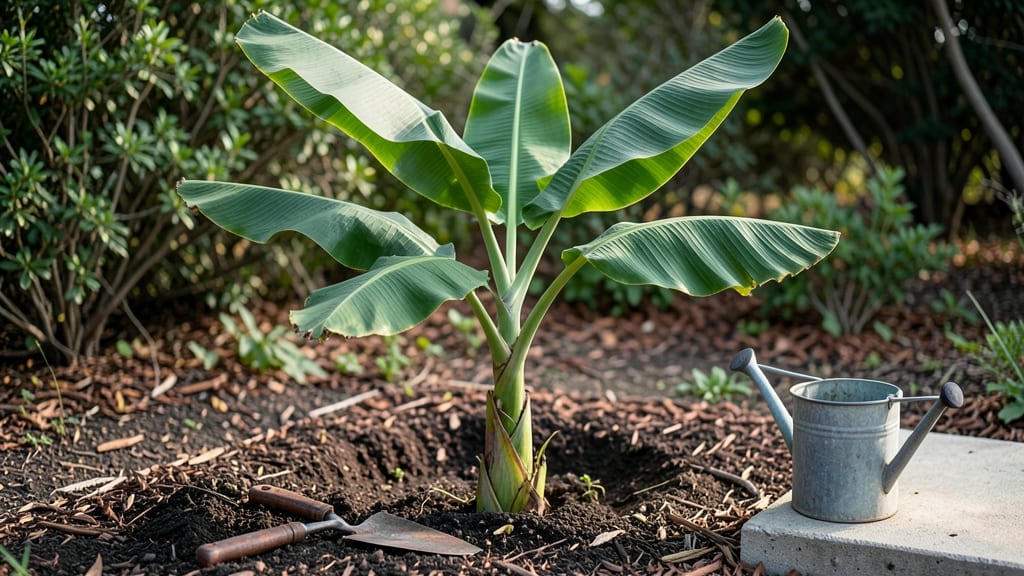
Growing banana trees in Zone 7 means mastering the art of cold-hardy pruning—because even tough varieties need protection when temperatures dip below 20°F. 🌱 I learned this the hard way after my first winter cut my plant back to the ground, but now I’ve perfected a trimming routine that keeps my dwarf Cavendish thriving year after year.
The key isn’t just when to prune, but how—balancing aggressive cuts to remove frost damage while preserving next season’s growth.
Zone 7’s warm summers are actually ideal for banana trees, but the real challenge is winter survival. Start by choosing a dwarf variety like ‘Dwarf Cavendish,’ which handles cooler temps better than larger types.
Plant in well-draining soil near a south-facing wall or in a large container you can move indoors. Pruning in late winter (before new growth starts) removes dead fronds while leaving the pseudostem intact—this protects the plant’s energy reserves for spring.
What you’ll end up with is a banana tree that rebounds faster after frost, produces larger fruit, and even flowers more reliably. The pruned plant looks neater, grows more efficiently, and avoids the fungal issues that come from leaving dead fronds.
By summer, you’ll see new leaves unfurling, and with proper care, you might even get a harvest before the next cold snap.
This method works for both in-ground and container-grown banana trees, making it adaptable to small spaces or urban gardens. The only real mistake is waiting too long to prune—so grab your shears in February and give your plant a fighting chance for another growing season.
📚 In This Guide
- What you need
- Instructions
- Tips and common mistakes
- Wrapping up and next steps
What you need
- ● Pruning shears – Sharp, bypass-style (for clean cuts), sterilized (70% isopropyl alcohol or bleach solution).
- ● Loppers – 8- to 10-inch reach, for thicker stems (up to 1.5-inch diameter).
- ● Hand pruners – Small, ergonomic for precision trimming (great for suckers and fine branches).
- ● Gloves – Heavy-duty, cut-resistant (banana tree thorns are no joke!).
- ● Disinfectant – Rubbing alcohol (70%) or 10% bleach solution (1 part bleach to 9 parts water).
- ● Rake or broom – For clearing leaf litter around the base.
- ○ Mulch (optional but recommended) – Straw, pine needles, or wood chips (2–3 inches thick) to insulate roots.
- ● Timing – Prune in late winter or early spring (before new growth starts, after the last frost).
- ● Weather check – Choose a dry, sunny day (no rain for 24 hours before/after pruning).
- ● Safety gear – Safety glasses (in case of flying debris from thorns).
- ● Clean workspace – Remove dead leaves, debris, and weeds within a 3-foot radius of the tree.
Step-by-step guide to pruning banana trees in Zone 7
Here's how I keep my banana plants thriving through Zone 7 winters.
✂️ Step 1: Time Your Pruning for Late Winter
Wait until mid-to-late February when frost danger has passed but before new growth begins. You'll know it's time when the ground thaws but before the first 60°F days. Pruning too early exposes fresh cuts to winter cold, while waiting too long risks damaging emerging shoots.
Grab your sterilized pruning shears and inspect the plant. Look for dead, brown fronds—these are your first targets. Healthy fronds remain upright and green, even if slightly yellowed at the base. I always start by removing these dead leaves first, as they harbor pests and diseases.
🌿 Step 2: Remove Dead and Damaged Fronds
Cut each dead frond at its base, about ½ inch above the ground. Make clean cuts at a 45-degree angle to prevent water from pooling. Avoid cutting into green tissue—this weakens the plant. You'll see a clear distinction between brown, dry fronds and the living green growth at the center.
For partially damaged fronds (brown only at the tips), cut back to the last healthy green section. This encourages the plant to redirect energy to stronger growth. I usually end up with 3-5 clean cuts per plant—don't overdo it, as banana trees store energy in their pseudostems.
⏰ Step 3: Trim Back Overly Long or Weak Leaves
Now focus on the remaining healthy fronds. Look for leaves that are longer than 3 feet or show signs of weakness (yellowing between veins, torn edges). Trim these back by ⅓ to ½ their length, cutting just above a leaf node where new growth can emerge.
This step improves airflow and sunlight penetration to the center of the plant. You'll notice the plant's shape becomes more compact and bushy. Avoid removing more than 20% of the total foliage—banana trees need their leaves to photosynthesize for winter recovery.
☀️ Step 4: Protect the Plant for Early Spring Growth
After pruning, apply a 2-3 inch layer of mulch around the base (but not touching the pseudostem). This insulates roots from temperature swings. I use straw or shredded leaves because they break down slowly and add organic matter.
Water deeply once, then monitor soil moisture—keep it evenly damp but not soggy for the next 4-6 weeks. You'll see new shoots emerge from the center within 3-4 weeks if conditions are right. If your zone experiences late frosts, consider wrapping the plant in burlap until danger of frost passes.
Tips & tricks for perfect banana tree Zone 7 pruning
Here's what I've learned after years of keeping banana trees thriving in Zone 7 winters—these tricks make all the difference.
Timing is Everything: The mid-to-late February window is critical because it balances frost risk and new growth timing. I've seen plants struggle when pruned too early—fresh cuts can't handle sudden cold snaps. Watch for that first 60°F day as your signal to start, but don't wait until you see new shoots emerging. That's when you'll have to play catch-up.
Cutting Technique Matters: That ½ inch above ground measurement at a 45-degree angle isn't arbitrary—it prevents water pooling that leads to rot. I always sterilize my pruning shears with rubbing alcohol between cuts to prevent spreading diseases between fronds. For partially damaged leaves, I look for the point where the leaf changes from brown to green—this is your clean stopping point.
Preserve the Plant's Energy: Remember that 20% foliage limit? That's your safety net. I've made the mistake of over-pruning in winter and ended up with weak regrowth. Focus on removing only what's clearly dead or damaged. The plant stores energy in its pseudostem, and you want to preserve that reserve for spring growth. Think of it like giving your plant a winter haircut—just enough to look neat, not a buzz cut.
Mulching Strategy: That 2-3 inch mulch layer should feel like a cozy blanket for your plant's roots. I've found straw works better than wood chips because it breaks down slowly and adds organic matter. The key is keeping it away from the pseudostem—wet mulch touching the trunk can cause rot. After applying, I always do a quick check to make sure no mulch is piled against the base.
Pro Tips for Banana Tree Zone 7
- Here's what I've learned after years of keeping banana trees thriving in Zone 7 winters—these tricks make all the difference.
- Timing is Everything: The mid-to-late February window is critical because it balances frost risk and new growth timing.
- Cutting Technique Matters: That ½ inch above ground measurement at a 45-degree angle isn't arbitrary—it prevents water pooling that leads to rot.
Frequently asked questions
Got questions about growing banana trees in Zone 7? You’re not alone! Here are answers to the most common concerns—from frost prep to pruning hacks—to keep your tropical beauty thriving even in cooler climates.
Can banana trees survive winter in Zone 7 without any protection?
Most Musa acuminata varieties (like ‘Dwarf Cavendish’) can tolerate brief dips to 20°F (-7°C), but prolonged cold (<15°F/-9°C) will damage leaves and pseudostems. For long-term success, mulch heavily with straw or burlap and cover with frost blankets. Cold-hardy hybrids (e.g., ‘Ice Cream’ or ‘Red Dacca’) are your best bet for minimal fuss!
When is the best time to prune banana trees in Zone 7?
Prune after the last frost (late spring) to encourage new growth, but avoid heavy cuts in fall—this stimulates tender shoots that won’t survive winter. Focus on dead or yellowing leaves year-round. Pro tip: If your tree looks dormant in winter, wait until April (or when new shoots appear) before trimming aggressively.
How do I prune a banana tree that’s been frost-damaged?
Start by removing all blackened or mushy tissue with clean shears—cut 1–2 inches below the damage to avoid disease. If the pseudostem (the "trunk") splits or rots, prune it down to the crown (the base where leaves emerge). Healthy tissue will regrow from the center! Disinfect tools with rubbing alcohol between cuts.
What can I do if my banana tree isn’t recovering after pruning?
Slow recovery? Check for:
- Root rot (soggy soil + foul smell = repot or improve drainage).
- Pests (aphids or scale insects suck sap—spray with neem oil).
- Nutrient deficiency (yellow leaves? Feed with potassium-rich fertilizer in spring).
Can I grow banana trees in containers in Zone 7?
Containers let you move trees indoors during frost (e.g., a garage or sunny window). Use a 5-gallon+ pot with drainage holes and a mix of potting soil + perlite. Dwarf varieties (like ‘Lady Finger’) thrive in pots, while larger types need winterizing (bury pots in mulch or insulate with bubble wrap).
Wrapping up and next steps
Growing a banana tree in Zone 7 is totally doable with the right pruning techniques—you’ve got this! 🌱 By following cold-hardy trimming methods, you’ll encourage stronger regrowth, protect your plant from frost, and even boost fruit production.
Whether you’re a seasoned gardener or just starting, these steps make the process simple and rewarding.
Ready to take the next step? Mark your calendar for your first pruning session in early spring—just as new growth begins—and watch your banana tree thrive! 🌿 For extra tips, check out our Zone 7 Plant Care Guide to keep your tropical friend happy year-round.