
Pruning
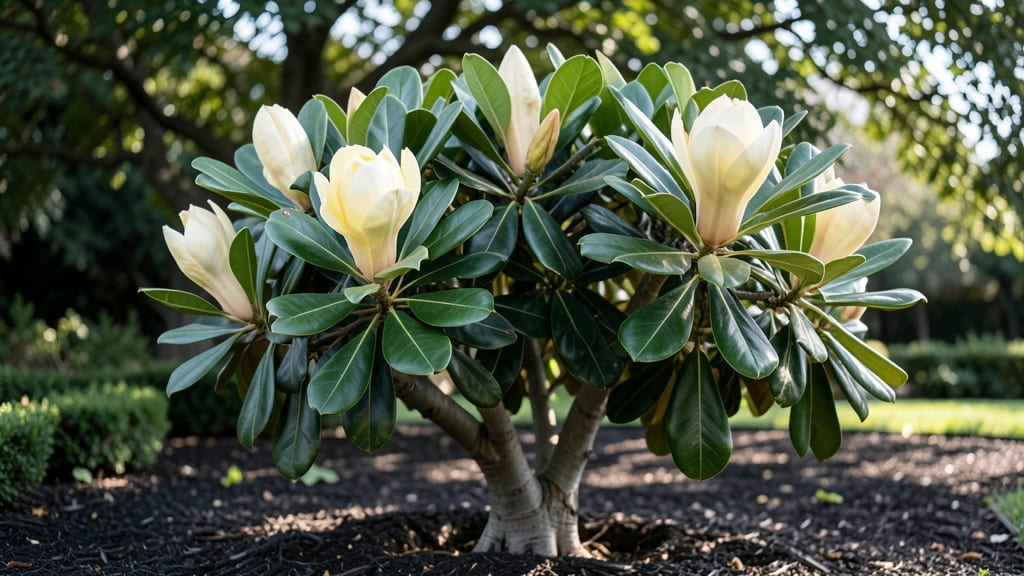
Pruning a banana magnolia tree in the Pacific Northwest isn’t just about shaping branches—it’s about unlocking those fragrant, creamy-yellow blooms that smell like banana custard. 🌸 I’ve watched mine transform from a tangled mess to a showstopper after just one careful pruning session, and the key is timing it right before spring’s first flush of growth.
The secret isn’t aggressive cuts—it’s strategic thinning to let light reach the inner branches where next year’s buds form. You’ll need sharp pruners, a ladder (for higher branches), and a clear day to avoid stressing the tree.
Most gardeners skip this step, but I’ve found that light pruning in late winter keeps the tree compact and blooms abundant, even after our frost-prone winters.
What you’ll end up with is a tree that bursts into bloom earlier than neighbors’, with flowers that last weeks and resist the damp Pacific Northwest air. The scent alone makes it worth the effort—imagine walking past and catching that tropical whiff in your own backyard.
Once you see the difference, you’ll never prune the same way again.
This works for both young trees and mature specimens, though older trees need gentler touch to avoid shocking them. The same principles apply whether you’re in Seattle’s mild winters or Portland’s frost pockets—just adjust your timing by a week or two based on local freeze dates.
📚 In This Guide
- What you need
- Instructions
- Tips and common mistakes
- Wrapping up and next steps
What you need
- ● Pruning shears: Bypass pruners (sharp, 6–8" blades) for clean cuts on small branches.
- ● Loppers: 1 pair (18–24" handles) for thicker branches (1–2" diameter).
- ● Pruning saw: 1 (bow or folding) for branches >2" in diameter.
- ● Disinfectant: 70% isopropyl alcohol or 10% bleach solution (1:9 bleach-water ratio) to sterilize tools between cuts.
- ● Heavy-duty gloves: 1 pair (cut-resistant, long sleeves) to protect from thorns and sap.
- ○ Extension pole: 1 (optional but helpful for tall trees; 6–10 ft with adjustable head).
- ● 5-gallon bucket: 1 (for collecting debris) or a tarp to spread debris on.
- ● Rubbing alcohol wipes: 1 pack (for quick tool sterilization in the field).
- ● Hand pruners: Compact pair for precision work on tiny branches.
- ● Tree wound dressing: Pruning sealant (controversial but useful for large cuts >1" diameter).
- ● Ladder: Sturdy, non-slip (20–30 ft) for high branches (safety first!).
- ● Marking spray: Non-toxic paint or tape to flag branches for removal.
- ● Safety glasses: 1 pair (to shield from debris).
Step-by-step guide to pruning your banana magnolia for Pacific Northwest blooms
Here's how I keep my banana magnolia thriving—and blooming—through PNW winters.
✂️ Step 1: Time Your Pruning for Late Winter Dormancy
Wait until late February or early March when the tree is fully dormant but before new growth begins. The PNW's unpredictable frosts mean you'll see bare branches and no buds yet—this is your signal. Pruning too early risks damaging buds that haven't formed, while waiting too long encourages weak spring growth.
I always prune on a dry, sunny day after a frost warning has passed. The branches will be stiff and easier to cut cleanly. Grab your sharp bypass pruners—dull blades tear wood, inviting disease. Cut at a 45-degree angle just above a outward-facing bud to encourage proper growth direction.
🌿 Step 2: Remove Dead, Damaged, and Crossing Branches First
Start by eliminating any dead wood—it's easy to spot as gray, brittle branches that crumble when touched. Next, remove branches that rub against each other (crossing branches) to prevent bark damage. These cuts should go back to the main trunk or a strong lateral branch, never leaving stubs.
Look for water sprouts—those fast-growing, vertical shoots that steal energy from flowering. Snip these at their base immediately. I make these cuts last because they're less critical than structural pruning. For larger branches over ½ inch thick, use your loppers and make clean cuts without tearing.
☀️ Step 3: Thin the Canopy for Better Airflow and Light
Step back and visualize your tree's shape. Banana magnolias bloom best when sunlight reaches the inner branches. Remove 20-30% of the canopy by selectively thinning branches from the inside outward. Focus on branches that grow straight up or inward—they block light and create dense, disease-prone centers.
When thinning, cut branches back to their point of origin (where they join the main stem). Never leave stubs longer than ¼ inch—these collect moisture and rot. For larger branches, make the first cut 6-12 inches out from the trunk, then follow with a second cut at the exact removal point to prevent tearing.
⏰ Step 4: Shape for Winter Hardiness and Spring Blooms
Now's the time to refine the tree's natural vase shape. Banana magnolias have horizontal branches that naturally create a layered look. Prune to open the center while maintaining that graceful, outward spread. Remove any branches growing straight up—these rarely flower well and create weak structure.
For frost-prone areas, avoid heavy pruning near the top of the tree. The highest branches are most vulnerable to late frosts. If you must prune upward, limit cuts to no more than 10% of the top canopy. After pruning, clean up all debris—leave fallen branches and clippings on the ground, as they'll decompose and return nutrients to the soil.
💧 Step 5: Post-Pruning Care for Strong Regrowth
Water deeply right after pruning to help the tree recover. The roots will need moisture to support new growth, especially if you removed large branches. Apply a 2-3 inch layer of mulch around the base (but keep it 6 inches away from the trunk) to retain moisture and protect roots from temperature swings.
Monitor the tree closely for new growth in 4-6 weeks. Healthy shoots should appear green and firm, not yellow or wilted. If you see oozing sap at pruning cuts, don't worry—it's normal. Just keep the area clean to prevent fungal infections. Avoid fertilizing immediately; the tree needs time to heal before pushing new growth.
Tips & tricks for perfect banana magnolia pruning
These simple strategies will help you get the most out of your pruning while keeping your banana magnolia healthy and blooming beautifully.
Timing is Everything: The late February to early March window is critical because it aligns with the tree's natural dormancy cycle. If you're unsure about the exact timing, check for bare branches with no visible buds—this is your cue. I've learned the hard way that pruning too early can damage buds that haven't formed yet, while waiting too long can encourage weak spring growth. The PNW's unpredictable frosts make this timing especially important.
Tool Prep Makes All the Difference: Before you start, take 5 minutes to sharpen your pruners and loppers—dull blades tear wood and create jagged cuts that invite disease. I always test my tools on a scrap piece of wood first to make sure they're cutting cleanly. For branches over ½ inch thick, use your loppers and make clean cuts without tearing. Remember, the cleaner the cut, the faster the tree heals and the better it blooms.
Visualizing the Final Shape: Step back frequently and visualize your tree's shape as you work. Banana magnolias naturally grow in a vase shape with horizontal branches. When thinning the canopy, focus on removing branches that grow straight up or inward—these block sunlight and create dense centers where diseases thrive. The goal is to open up the center while maintaining that graceful, outward spread that banana magnolias are known for.
Post-Pruning Recovery Care: After you've finished pruning, don't forget the recovery steps. Water deeply right after pruning to help the tree recover, especially if you removed large branches. Apply a 2-3 inch layer of mulch around the base (keeping it 6 inches away from the trunk) to retain moisture and protect roots. This simple step can make a huge difference in how well your tree recovers and blooms next season.
Pro Tips for Banana Magnolia Tree
- These simple strategies will help you get the most out of your pruning while keeping your banana magnolia healthy and blooming beautifully.
- Timing is Everything: The late February to early March window is critical because it aligns with the tree's natural dormancy cycle.
- Tool Prep Makes All the Difference: Before you start, take 5 minutes to sharpen your pruners and loppers—dull blades tear wood and create jagged cuts that invite disease.
Frequently asked questions
When is the best time to prune my banana magnolia?
The ideal time to prune is late winter or early spring (February–March in the PNW), just before new growth begins. Avoid pruning in fall or winter, as cold temperatures can stress the tree. If you must prune after blooming, do so only to remove dead or damaged branches—never cut back flowering stems, as they bloom on old wood.
How do I protect my banana magnolia from frost damage?
While frost-resistant, young trees or tender new growth may need help. Mulch the base with 3–4 inches of organic material (like wood chips) to insulate roots. For severe cold snaps, wrap the trunk with burlap or use a tree blanket. Avoid overhead watering before frost, as ice can damage branches.
Can I shape my banana magnolia like a topiary?
Yes, but proceed with caution! Banana magnolias respond well to light shaping, but avoid heavy pruning—this tree thrives on its natural, dramatic form. Focus on removing crossing branches or those growing inward to maintain airflow. For formal shapes, prune gradually over 2–3 years to avoid shock.
What if my banana magnolia isn’t blooming?
Lack of blooms often stems from over-pruning or poor light. Ensure it gets full sun (6+ hours/day) and hasn’t been sheared back too aggressively. If branches are too dense, thin them to improve airflow. Patience is key—mature trees (10+ years) bloom most reliably. Fertilize lightly in early spring with acidic, slow-release fertilizer if needed.
Are banana magnolias prone to pests or diseases?
They’re generally low-maintenance, but watch for scale insects or anthracnose fungus in damp PNW climates. Treat scale with horticultural oil; prune and dispose of infected leaves for anthracnose. Preventative tip: Space trees properly (15–20 ft apart) for airflow, and water at the base (not overhead) to reduce fungal risks.
Still stumped? Snap a photo of your tree’s issue and consult your local PNW Master Gardener program—they’re pruning pros!
Wrapping up and next steps
The banana magnolia tree is a stunning addition to any Pacific Northwest garden, and with the right pruning techniques, you can ensure its vibrant blooms and frost-resistant resilience thrive for years. By following the steps outlined—timing, tools, and techniques—you’ll not only enhance its beauty but also promote healthy growth.
Now’s the perfect time to roll up your sleeves and give your tree the care it deserves!
🌱 Next step: Grab your pruners, mark your calendar for late winter/early spring, and start pruning with confidence. Your banana magnolia will thank you with show-stopping flowers and lush foliage!