Propagation
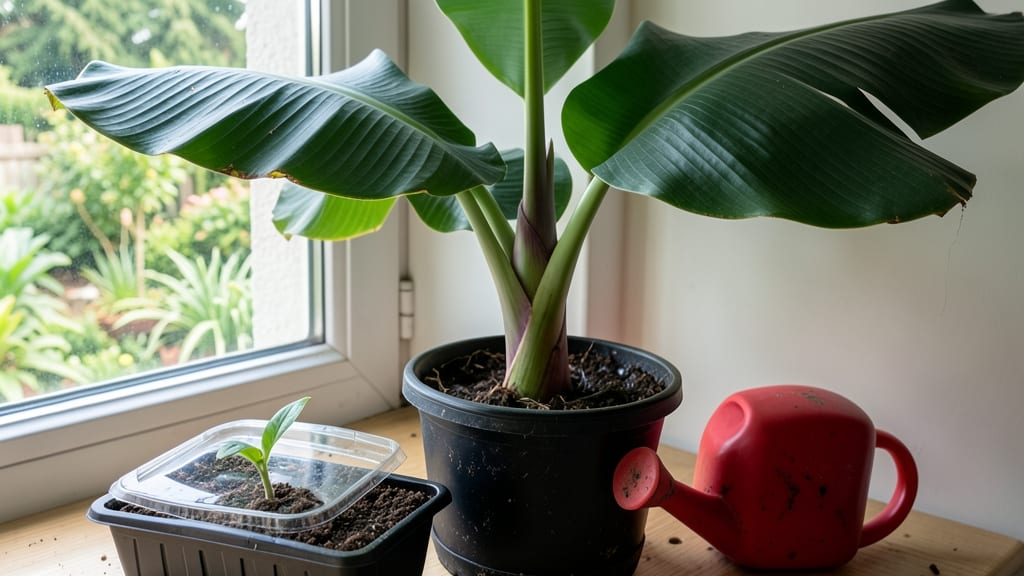
Growing a banana tree from seed feels like bringing a tiny tropical vacation indoors—except you'll be the one harvesting the fruit. 🌱 The process starts with a seed that looks more like a bean than a future giant, but with the right warmth, moisture, and patience, you'll watch it sprout into a plant that could one day produce bananas in your own home.
Here's the thing—banana seeds need warmth to germinate, and they don't rush. I've found that keeping them in a 75-85°F spot with consistent moisture is key. Most seeds take 3-6 months to crack open, so don't toss them if nothing happens in a few weeks.
Once they sprout, you'll need a 5-10 gallon container with drainage, since these plants grow fast and hate soggy roots.
What you'll end up with is a lush, leafy plant that thrives in bright, indirect light—perfect for a sunny windowsill or greenhouse. With proper care, you might even see flower stalks in 3-5 years, though fruiting indoors is rare without special conditions.
The real magic happens when you move it outside in warmer climates or keep it potted year-round.
This method works for anyone, even in colder zones, as long as you're willing to bring it inside during winter. The trick is consistency: water when the top inch of soil dries, rotate the pot for even growth, and protect it from drafts.
You'll know you're doing it right when those massive leaves start unfurling—proof you're growing something truly special.
📚 In This Guide
- What you need
- Instructions
- Tips and common mistakes
- Wrapping up and next steps
What you need
- ● Banana seeds: 1–3 viable seeds (harvested from a ripe banana or purchased from a reputable supplier). Pro tip: Not all bananas have seeds—choose varieties like Musa acuminata or Musa balbisiana for better success!
- ○ Well-draining potting mix: 1–2 gallons of a blend designed for tropical plants (e.g., 60% peat moss, 30% perlite, 10% coconut coir). Optional: Add a handful of compost for nutrients.
- ● Pot or container: 1–2 medium-sized pots (10–12 inches in diameter) with drainage holes. Upgrade later: 5-gallon containers as the plant grows.
- ● Watering can or spray bottle: For gentle hydration without over-saturating the soil.
- ● Plastic wrap or humidity dome: To create a mini greenhouse effect during germination.
- ● Grow lights or sunny windowsill: A spot with 10–12 hours of indirect sunlight daily (or a LED grow light for 12–14 hours if natural light is limited).
- ● Fertilizer: A balanced, water-soluble fertilizer (e.g., 10-10-10 NPK) or organic options like fish emulsion. Start slow: Use half-strength until the seedling establishes roots.
- ● Seed-starting tray: For germinating multiple seeds at once.
- ● Heating mat: Keeps soil warm (75–85°F) to speed up germination.
- ● Soil moisture meter: Prevents over- or under-watering.
- ● Support stake or trellis: For when your banana plant reaches 3–4 feet tall.
- ● Mulch (e.g., pine bark): Retains moisture and mimics tropical conditions.
Step-by-step instructions for growing banana trees from seed
Here's how to turn those tiny seeds into sturdy, fruiting plants—even in containers.
🌱 Step 1: Extract and Prepare the Seeds
Start with fresh banana seeds—save them from the fruit's core before it dries out completely. Cut open a ripe banana, scoop out the fibrous center, and rinse it under water to reveal the tiny black seeds embedded in the pulp. I like to place the pulp in a bowl of water and let it ferment for 24 hours—this softens the fibers and makes seeds easier to separate.
Use your fingers or a spoon to gently pry the seeds free. They're tiny—about the size of a pinhead—so work slowly. Spread them on a paper towel to dry for 1-2 hours before planting. This prevents mold from forming in the moist soil later. Real talk: Don't rush this step. Wet seeds planted immediately will rot before they sprout.
🪴 Step 2: Plant Seeds in a Warm, Moist Environment
Fill a small 4-inch pot with a mix of 50% potting soil and 50% perlite—this ensures good drainage while retaining enough moisture for germination. Moisten the mix until it feels like a damp sponge. Plant 2-3 seeds per pot at a depth of just ¼ inch, since banana seeds need light to germinate. Cover the pot with clear plastic wrap to create a mini greenhouse effect.
Place the pot in a warm spot—75-85°F is ideal—like on top of a refrigerator or near a heat vent. Keep the soil consistently moist but not soggy; mist lightly every 2-3 days if the surface feels dry. You'll see tiny sprouts in 3-6 weeks, but don't be surprised if it takes longer. Patience is key here—these seeds are stubborn.
☀️ Step 3: Provide Bright, Indirect Light for Seedlings
Once the first true leaves appear—those are the second set after the initial cotyledons—remove the plastic wrap. Move the seedlings to a spot with bright, indirect light, like a south-facing window with sheer curtains. Direct sun at this stage will scorch the delicate leaves. If your home lacks natural light, supplement with a grow light placed 6 inches above the plants for 12-14 hours daily.
Rotate the pot a quarter turn weekly so the seedlings grow straight instead of leaning toward the light. You'll notice the stems thicken and leaves darken to a rich green as they strengthen. This is your signal they're ready for their next phase. If leaves yellow or stems stretch thin, the light isn't strong enough—move the seedlings closer or increase grow light hours.
🌿 Step 4: Transplant and Encourage Rapid Growth
When seedlings reach 6 inches tall and have 4-5 true leaves, it's time to transplant them into 6-inch pots filled with well-draining potting mix. Gently remove the seedling from its original pot, tease apart the roots if they're tangled, and place it in the new container. Press the soil lightly around the base to secure it, but don't pack it down too firmly—banana trees hate compacted roots.
Water thoroughly after transplanting, then let the top inch of soil dry out before watering again. Increase fertilizer gradually—start with a balanced liquid fertilizer (10-10-10) diluted to half strength every 4 weeks. You'll see a growth spurt within 2-3 weeks if conditions are right. Here's the thing—banana trees grow fast once they get going, so keep an eye on their size and upgrade to 1-gallon pots when roots crowd the current container.
⏰ Step 5: Care for Mature Plants and Prepare for Fruit
By the time your banana tree reaches 3-4 feet tall, it's ready for 5-gallon containers—these will support its growth for several years. Use a mix of 60% potting soil, 20% perlite, and 20% compost to give it the nutrients it craves. Water deeply 2-3 times weekly, letting the soil dry slightly between waterings. Banana trees are heavy drinkers, but soggy roots will kill them faster than drought.
Watch for the first flower spike—a dramatic, dramatic moment. It'll emerge from the center of the plant, looking like a giant, dramatic hand. If you're growing in containers, the tree may not produce fruit until it's 4-5 feet tall, but don't be discouraged. With patience and proper care, you'll eventually get those iconic banana blossoms—and maybe even fruit, though container-grown trees often need hand-pollination with a small brush.
Tips & tricks for growing banana trees from seed
These simple strategies will help you nurture your banana seeds into thriving plants—even if you're new to gardening.
Seed Preparation: When you ferment the pulp for 24 hours, use warm water—not hot—to create the right environment for the fibers to soften. I place the bowl on my counter near the kitchen light, which stays around 70°F. After fermentation, spread the seeds on a paper towel and let them dry for the full 1-2 hours—this critical drying step prevents mold from forming later. Don't skip it, even if the seeds look dry sooner.
Germination Strategy: Planting 2-3 seeds per pot gives you backup sprouts, but thin to the strongest seedling once they're 2 inches tall. Use a pair of clean scissors to snip the weaker stems at soil level—this reduces transplant shock for the remaining seedling. The ¼-inch depth is crucial: deeper planting blocks light needed for germination, while shallower planting risks drying out.
Light Management: For the 12-14 hours daily of grow light, I use a simple LED bulb on a timer—it's energy-efficient and mimics natural sunlight. Position it 6 inches above the seedlings and adjust as they grow. Watch for leaves turning toward the light; if they do, rotate the pot a quarter turn weekly to encourage even growth. Yellowing leaves mean more light is needed, while crispy edges signal too much direct sun.
Transplanting Tip: When moving to 6-inch pots, gently loosen the roots with your fingers before placing in the new container. This prevents root binding, which can stunt growth. After transplanting, water thoroughly but wait until the top inch of soil dries before watering again—banana trees hate soggy roots but need consistent moisture. The 4-5 true leaves stage is your signal to upgrade, not before.
Pro Tips for Grow A Banana Tree From Seed
- These simple strategies will help you nurture your banana seeds into thriving plants—even if you're new to gardening.
- Seed Preparation: When you ferment the pulp for 24 hours, use warm water—not hot—to create the right environment for the fibers to soften.
- Germination Strategy: Planting 2-3 seeds per pot gives you backup sprouts, but thin to the strongest seedling once they're 2 inches tall.
Frequently asked questions
Got questions about growing banana trees from seed?
You’re not alone! Here are answers to the most common queries—so you can troubleshoot, plan, and succeed with your tropical project.
How long does it take for a banana seed to sprout?
A banana seed typically sprouts within 2–4 weeks if kept warm (70–85°F) and moist. Patience is key—some seeds take up to 6–8 weeks to crack open. If nothing happens after 2 months, the seed may be non-viable. Pro tip: Soak seeds in warm water for 24 hours before planting to speed up germination.
Will a banana tree grown from seed produce fruit?
Most banana trees grown from seed won’t fruit for 5–10 years (or never at all), since they’re not true to type. For edible bananas, start with a pup (sucker) from a mature plant. If you’re growing for ornamental purposes, seeds are a fun experiment!
Can I grow a banana tree indoors year-round?
Yes, but it needs bright, indirect light (like a south-facing window) and a warm spot (65°F+). Use a large container (15+ gallons) with drainage and fertilize monthly. Expect slower growth indoors—outdoor pots in zones 10–12 thrive better. Warning: Move pots inside before temps drop below 50°F.
Why is my banana seedling wilting or turning yellow?
Yellowing or wilting usually means overwatering, poor drainage, or root rot. Let soil dry slightly between waterings, and ensure the pot has drainage holes. Pests like spider mites can also stress seedlings—check undersides of leaves and spray with neem oil if needed. Fix it fast: Repot in fresh, well-draining soil if roots look mushy.
What’s the fastest way to grow a banana tree?
Skip seeds! For rapid growth, buy a pup (sucker) from a nursery and plant it in a 20+ gallon pot with rich, slightly acidic soil. Keep it in full sun (6+ hours/day) and fertilize with banana-specific food every 4–6 weeks. Pups can produce fruit in 2–3 years—seeds take decades!
Can I grow a banana tree in cold climates?
Only in containers! Overwinter pots in a garage or greenhouse (50°F+). Choose cold-hardy varieties like ‘Dwarf Cavendish’ or ‘Red Dacca’, which tolerate brief chills. No outdoor planting below zone 10—frost kills banana trees instantly. Hack: Mulch pots heavily in winter for extra insulation.
Wrapping up and next steps
Growing a banana tree from seed is a rewarding journey that combines patience, care, and a touch of tropical magic! 🌱 With the right container, soil, and sunlight, you’ve got everything you need to nurture a thriving plant—even if it takes years to bear fruit.
Remember, every expert gardener started with a single seed, so celebrate small victories like new leaves or sturdy roots.
Ready to take the next step? Experiment with different varieties or share your progress with fellow plant enthusiasts. Who knows? Your banana tree might just become the star of your garden—or even inspire you to try growing other tropical plants! 🌴