
Pruning
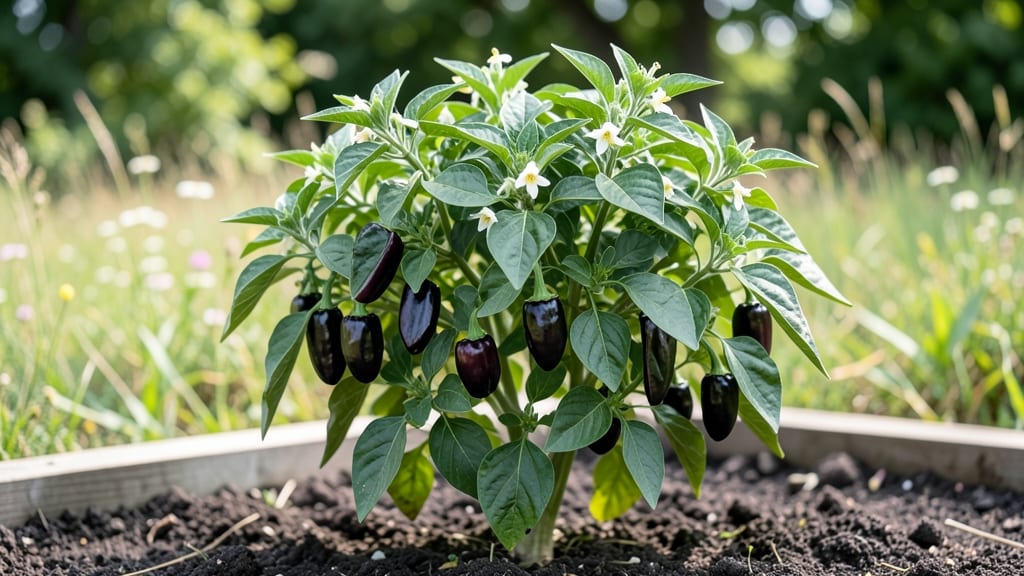
Pruning your black pepper tree isn’t just about shaping—it’s about survival, especially in the Pacific Northwest’s chilly winters. 🌿 I’ve watched these tropical giants thrive through frost by mastering a few key cuts, and the difference between a leggy mess and a sturdy, productive tree comes down to timing and technique.
The right pruning turns a black pepper tree from a delicate houseplant into a frost-hardy structure that keeps producing year after year. You’ll need sharp pruners, a clear day, and about 30 minutes—no fancy tools or horticulture degree required.
The goal? Encourage thick, woody growth that can handle dips below freezing while still blooming and fruiting.
By the time you’re done, you’ll have a tree with a strong central trunk, lush branches that catch sunlight efficiently, and a shape that resists wind damage.
The best part? You’ll harvest more peppercorns, and the tree will bounce back faster after winter’s chill. Let’s get those shears ready—this is where the magic happens.
Whether you’re working with a young tree or reviving an overgrown one, the same principles apply. We’ll cover when to prune (hint: it’s not winter), how much to cut, and which branches to prioritize for that perfect balance of beauty and productivity. Your PNW black pepper tree will thank you.
📚 In This Guide
- What you need
- Instructions
- Tips and common mistakes
- Wrapping up and next steps
What you need
- ● Pruning shears – Bypass pruners (sharp, 6-8" blades) for clean cuts on small branches.
- ● Loppers – Bypass or anvil type (10-14" blades) for thicker branches (½"–1.5" diameter).
- ● Pruning saw – For branches >1.5" (avoid bolt cutters—they crush wood).
- ● Gloves – Heavy-duty, cut-resistant (black pepper vines can be spiky!).
- ● Disinfectant (70% isopropyl alcohol or bleach solution) – To sterilize tools between cuts and prevent disease.
- ● Rubbing alcohol or hand sanitizer – For cleaning hands after handling sap (can irritate skin).
- ○ Pruning sealant (optional) – Tree wound paint (only if cutting large branches; skip for small trims).
- ● Ladder or step stool – Sturdy, extendable (if your tree is >6 ft tall).
- ● Trash bags or bucket – For collecting pruned branches and debris.
- ● Sharpie or marker – To label cuts if training the tree (e.g., for espalier).
- ● Timing – Prune in late winter or early spring (before new growth starts) to avoid frost damage. 🌧️❄️
- ● Weather – Choose a dry, overcast day (wet conditions spread disease).
- ● Safety gear – Safety glasses (in case of sap splashes) and long sleeves (to protect from thorns).
- ● Tree health check – Inspect for pests (e.g., spider mites) or fungal spots before pruning.
- ● PNW-specific tip – If your tree is frost-sensitive, delay pruning until after the last frost date (typically late April–May in most PNW zones).
- ● Extension pole saw – For high branches without a ladder.
- ● Hose with nozzle – To clean tools and rinse sap off cuts.
- ● Camera or sketchpad – To document the tree’s structure before pruning (helpful for complex shapes!).
- ● Compost bin – For repurposing small pruned branches as mulch.
Step-by-step guide for pruning a black pepper tree in the Pacific Northwest
Here's how to shape your frost-resistant pepper tree for strong growth and abundant harvests.
✂️ Step 1: Prune in Late Winter Before New Growth Begins
Start your pruning in late February or early March—just as buds begin to swell but before any new leaves appear. This timing ensures you remove dead wood while leaving the plant's energy reserves intact for spring growth. In the Pacific Northwest, where frosts linger, this early pruning prevents cold damage to fresh cuts.
Use clean, sharp pruning shears to make cuts at a 45-degree angle, about ¼ inch above a leaf node or outward-facing bud. This angle helps water run off the cut instead of pooling and rotting the stem. I always sanitize my tools with rubbing alcohol first—pepper trees are prone to fungal infections, and dirty tools spread disease fast.
Remove any dead, diseased, or crossing branches first. These are easy to spot—they're brown, brittle, or growing directly into another branch. If a branch is larger than ½ inch in diameter, use loppers instead of shears to avoid tearing the bark. You'll know you're doing it right when the cuts look smooth and the remaining branches form an open, airy structure.
🌿 Step 2: Shape for Airflow and Light Penetration
Black pepper trees thrive with good air circulation and even light distribution, so your goal is to create an open, rounded canopy. Start by thinning out overcrowded branches—look for areas where stems rub against each other or grow too close. These spots create weak points where pests and diseases can take hold.
Focus on removing suckers (shoots growing from the base or trunk) and water sprouts (fast-growing vertical shoots). These compete with your main branches for nutrients and weaken the tree's structure. I like to leave 3-5 main branches as my framework, pruning back any that grow inward or downward. This encourages the tree to grow outward and upward, filling out its shape naturally.
If your pepper tree has become leggy (common in indoor-grown plants), cut back the tips of the longest branches to encourage bushier growth. Make these cuts just above a leaf node where new growth will emerge. You'll see the difference within 4-6 weeks—the tree will start filling in with smaller, more compact branches instead of stretching toward the light.
⏰ Step 3: Summer Maintenance Pruning for Fruit Production
After the initial winter pruning, your pepper tree will need light maintenance pruning throughout the growing season to promote fruit production. The best time to do this is early summer, just after the first flush of flowers appears. This encourages the tree to produce more branches and flowers for a second harvest later in the season.
Remove any deadheading (spent flowers) to redirect the plant's energy into new growth. Use your fingers or small pruners to pinch off flower clusters that have already fruited. You'll also want to trim back any overly vigorous shoots that are growing too quickly—these often produce fewer fruits. Cut these back by ⅓ of their length to slow their growth and encourage branching.
Watch for shoots growing from the trunk or main branches—these are called "basal shoots" and can weaken the tree. Prune these out as soon as you spot them, cutting them back to the main stem. This keeps the tree's energy focused on the main structure and fruit production. In the Pacific Northwest's cooler climate, this step is especially important to prevent the tree from wasting energy on unnecessary growth.
✂️ Step 4: Final Pruning Before Dormancy
As fall approaches and temperatures drop below 50°F, perform a final light pruning to tidy up the tree and prepare it for winter. Remove any yellowing or diseased leaves, as well as any branches that look weak or damaged. This reduces the risk of pests and diseases overwintering in the tree. I also trim back any new growth that hasn't hardened off—this prevents tender shoots from being damaged by early frosts.
Reduce watering gradually over 2-3 weeks before the first expected frost. This helps the tree enter dormancy more smoothly. In the Pacific Northwest, where frosts can be unpredictable, I like to wrap the trunk of younger trees with burlap or tree guard to protect them from cold winds. Older, established trees usually handle frost better, but this extra step ensures your pepper tree stays healthy year after year.
Step back and admire your work! A well-pruned black pepper tree will have a strong, open structure that allows light and air to reach all parts of the plant. This not only improves fruit production but also makes it easier to spot pests or diseases early. With consistent pruning, your tree will reward you with bigger harvests and a more manageable size—perfect for Pacific Northwest gardens.
Tips & tricks for pruning your Pacific Northwest black pepper tree
These simple strategies will help you maintain a healthy, productive pepper tree that thrives in our region's unique climate.
Timing is Everything: That late February to early March window is crucial for Step 1 pruning. In the Pacific Northwest, where frosts can linger well into spring, this timing prevents cold damage to fresh cuts while still allowing you to remove dead wood before new growth begins. If you miss this window, wait until all danger of frost has passed—just don't delay too long, or you'll miss the optimal growth period. The buds should be swelling but not yet open when you prune.
Tool Sanitation Matters: Always sanitize your pruning shears with rubbing alcohol before and after use, especially when working with black pepper trees. These plants are particularly susceptible to fungal infections, and dirty tools can spread disease between cuts. I keep a small bottle of rubbing alcohol in my gardening toolbox specifically for this purpose. For larger branches, use loppers to avoid tearing the bark, which creates entry points for pests and diseases.
Branch Angle Secrets: When making cuts in Step 1, aim for that 45-degree angle about ¼ inch above a leaf node. This isn't just about aesthetics—it's a water management technique. The angle helps rainwater run off the cut instead of pooling, which prevents rot. Look for outward-facing buds when making your cuts; these will encourage the tree to grow in an open, airy structure that improves airflow and light penetration throughout the canopy.
Summer Pruning Strategy: During the early summer maintenance in Step 3, focus on deadheading spent flowers and trimming overly vigorous shoots by ⅓ of their length. This might seem counterintuitive—after all, you want fruit production—but these aggressive shoots often produce fewer peppers. The key is to redirect the tree's energy into more productive growth. In our cooler Pacific Northwest climate, this step is especially important to prevent the tree from wasting energy on unnecessary growth that won't survive our winters.
Pro Tips for Black Pepper Tree
- These simple strategies will help you maintain a healthy, productive pepper tree that thrives in our region's unique climate.
- Timing is Everything: That late February to early March window is crucial for Step 1 pruning.
- Tool Sanitation Matters: Always sanitize your pruning shears with rubbing alcohol before and after use, especially when working with black pepper trees.
Frequently asked questions
Got questions about pruning your frost-resistant black pepper tree in the Pacific Northwest? Here are some common ones—and their answers—to help you keep your plant thriving!
How cold can a black pepper tree handle in the PNW?
A mature black pepper tree (Piper nigrum) typically tolerates temps down to 28–32°F (-2 to 0°C), but young plants or seedlings are far more sensitive. In the PNW’s chilly winters, container-grown trees are safest indoors or wrapped in frost cloth. If you’re growing outdoors, choose a frost-resistant variety or a microclimate with shelter from wind.
When’s the best time to prune my black pepper tree?
Prune your black pepper tree late winter or early spring (February–March) before new growth starts. This timing minimizes stress and encourages healthy regrowth. Avoid pruning in fall—it can stimulate tender new shoots that won’t survive PNW frosts. Light shaping can happen anytime, but major cuts wait for dormancy.
Can I prune too much? What if I see dead branches?
Yes! Prune no more than 25–30% of the tree’s foliage at once—over-pruning stresses the plant. If you spot dead or brown branches, cut them back to healthy green wood (they won’t regrow). Never prune into old wood—black pepper trees regenerate best from current-season growth. If your tree looks sad after pruning, give it bright, indirect light and regular water to recover.
What if my black pepper tree doesn’t produce peppercorns?
Black pepper trees need 3–5 years to mature before producing peppercorns. In the PNW, lack of pollination or cold stress can also halt fruit. Try these fixes:
- Hand-pollinate with a soft brush if bees are scarce.
- Move potted trees to a sunny, sheltered spot (6+ hours of light).
- Fertilize lightly with balanced 10-10-10 in spring.
- Ensure temps stay above 50°F (10°C) for flowering.
How do I protect my black pepper tree from PNW rain and wind?
PNW’s wet, windy climate can damage tender leaves. Use these tips:
- Place trees near a wall or fence for windbreak.
- Water at the base (not overhead) to prevent fungal issues.
- Mulch with 3–4 inches of organic matter to insulate roots.
- For container trees, elevate pots to avoid soggy soil.
Wrapping up and next steps
Pruning your black pepper tree in the Pacific Northwest doesn’t have to be intimidating—it’s all about timing, technique, and a little patience! 🌿 With frost-resistant varieties like Piper nigrum or cold-hardy hybrids, you now have the tools to shape a thriving, productive plant. Remember: focus on airflow, remove dead growth, and avoid over-pruning to keep your tree healthy and bountiful.
Ready to take the next step? Start small: pick a calm day, gather your tools, and give your black pepper tree the care it deserves. Whether you’re a seasoned gardener or a curious beginner, every trim brings you closer to a lush, flavor-filled harvest! 🌱