
Pruning
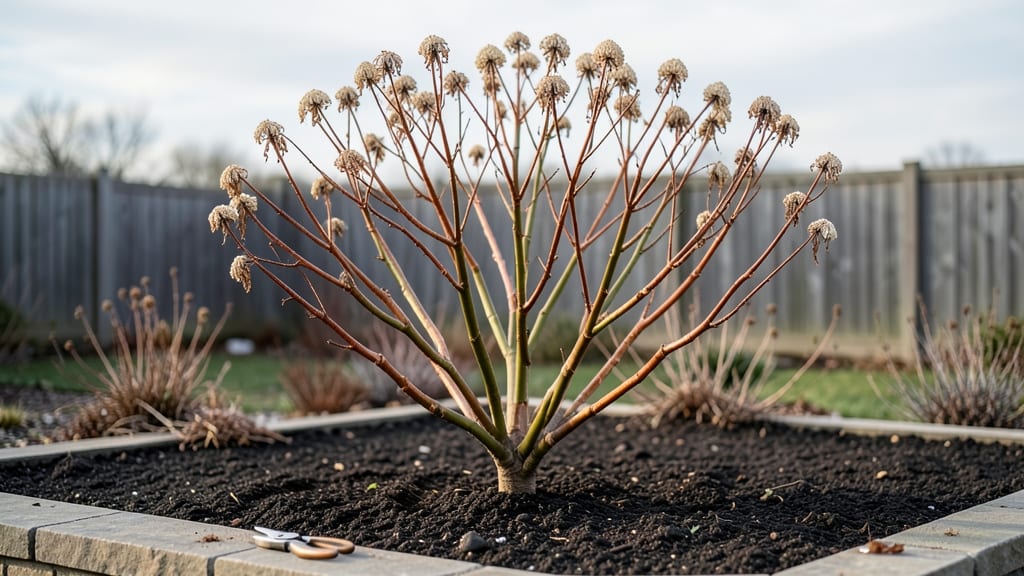
When hydrangea trees face Pacific Northwest winters, the right pruning turns potential frost damage into next year's showstopper blooms. ✨ I learned this the hard way after my first winter—too much pruning left my tree vulnerable, while too little meant tangled branches and missed growth.
The key is timing, technique, and understanding how these woody beauties respond to cold.
The frost-proof framework starts in late winter, when the tree's dormant but the ground is workable. You'll need sharp pruning shears, a 5-10 foot ladder for taller varieties, and a clear plan: remove dead wood first, then thin out crowded branches to improve airflow.
Pacific Northwest hydrangeas (like Hydrangea paniculata) handle pruning better than their mophead cousins, but every cut matters—over-pruning delays spring blooms.
What you end up with is a tree that looks like a well-groomed sculpture come spring, with stronger stems and more vibrant blooms. The right cuts prevent frost pockets where moisture lingers, and the open structure lets sunlight warm the center.
Mulch heavily around the base (3-4 inches of straw or wood chips) to insulate roots, and avoid wrapping unless winds are fierce—hydrangeas hate trapped moisture.
This method works for both large shrub-like trees and smaller varieties, and the same principles apply whether you're in Seattle's mild winters or Portland's occasional deep freezes. The payoff?
A tree that bounces back faster every year and puts on a better show than your neighbors'. Let's get those shears ready—spring starts with this cut.
📚 In This Guide
- What you need
- Instructions
- Tips and common mistakes
- Wrapping up and next steps
What you need
- ● Pruning shears: Bypass pruners (sharp, clean, and sterilized with rubbing alcohol or bleach to prevent disease spread). Quantity: 1 pair.
- ● Loppers: For thicker branches (1.5"–2" diameter). Quantity: 1 pair (long-handled for reach).
- ● Pruning saw: For stubborn, larger branches (3"+ diameter). Quantity: 1 (bow or folding saw preferred).
- ● Gloves: Heavy-duty, cut-resistant gloves (to protect from thorns and sharp tools). Quantity: 1 pair.
- ● Disposable pruning bags: To collect and dispose of clippings. Quantity: 1–2 (10-gallon capacity).
- ● Rubbing alcohol (70%+) or bleach solution: For sterilizing tools between cuts. Quantity: Small bottle or spray.
- ○ Sharpie or pruning sealant: To mark branches for removal or seal cuts (optional but helpful for large pruning jobs). Quantity: 1.
- ● Ladder or step stool: For reaching higher branches safely. Height: 6–10 ft (depending on tree size).
- ● Water and towel: To clean tools post-pruning.
- ● Hand saw: For precision cuts on medium branches (2"–3").
- ● Pruning paint: To seal large cuts and prevent disease (e.g., Tree Seal or Pruning Wax).
- ● Work gloves with grip: For extra comfort during long pruning sessions.
- ● Extension pole: For high branches (if you prefer not to use a ladder).
- ● Compost bin or mulch: To recycle clippings into nutrient-rich soil amendments.
Step-by-step guide to winter pruning your hydrangea tree
Keep your Pacific Northwest hydrangea thriving through cold months with these precise cuts.
✂️ Step 1: Time Your Pruning Perfectly
Wait until after the first hard frost but before new growth starts in early spring—typically mid-December to February in the PNW. This timing protects your tree from late-season freezes while avoiding premature budding. Look for branches that have fully browned and dried; these are ready for pruning.
I always check the weather forecast for a week-long dry spell before pruning. Wet conditions make cuts heal poorly and invite fungal infections. If you're unsure, err on the side of waiting—hydrangeas are forgiving if pruned slightly late.
🌿 Step 2: Remove Dead and Damaged Wood First
Start by cutting out any branches that are completely brown, brittle, or showing signs of disease. These are the ones that won't recover, and removing them now prevents problems next season. Use clean, sharp pruners to make cuts at a 45-degree angle just outside the branch collar.
I like to work from the bottom up—this way, I don't accidentally cut healthy branches while reaching for higher ones. If a branch is larger than ½ inch in diameter, make a follow-up cut 6-12 inches out from the main branch to avoid tearing the bark.
✂️ Step 3: Thin Out Crowded Branches for Airflow
Next, focus on thinning the canopy to improve airflow and sunlight penetration. Remove 10-20% of the total branches, prioritizing those that cross or rub against others. This reduces disease risk and encourages stronger new growth in spring.
Look for branches growing inward toward the center of the tree—these are the ones that create shade and moisture traps. Cut these back to an outward-facing bud or branch. Never leave stubs; always make clean cuts just above a leaf node or bud.
☀️ Step 4: Shape for Structure and Frost Resistance
Give your hydrangea tree a balanced, open shape by selectively pruning to create an inverted vase form. This shape allows snow to slide off easily and prevents branch breakage under winter weight. Start by removing branches that grow straight up—these are weak and prone to snapping.
For larger branches, step back and visualize the tree's natural form. Aim for a 30-45 degree angle on most branches to distribute weight evenly. If a branch is too long, cut it back to a lateral branch or bud that faces outward.
🪴 Step 5: Clean Up and Protect the Tree
After pruning, remove all debris from the base of the tree and surrounding area. This prevents pests and diseases from overwintering near your hydrangea. I like to apply a 2-3 inch layer of mulch around the base, keeping it 6 inches away from the trunk to avoid moisture buildup.
For extra protection in harsh PNW winters, wrap the trunk with tree wrap or burlap to shield it from temperature fluctuations and rodent damage. Water the tree deeply before the ground freezes to ensure it has enough moisture for dormancy.
Tips & tricks for perfect hydrangea tree winter pruning
Here's what nobody tells you about pruning that'll make all the difference in your hydrangea's winter survival.
Timing Secret: The mid-December to February window is critical because it catches your hydrangea in its dormant phase. Look for branches that have completely dried and turned brown—these are the ones ready for pruning. I've learned the hard way that pruning too early can stimulate new growth that won't survive winter freezes, while waiting too long risks leaving dead wood that could harbor pests.
Equipment Check: Your pruners are just as important as your timing. Use clean, sharp pruners to make precise cuts—dull blades crush stems and create jagged wounds that heal poorly. For branches larger than ½ inch, I always carry a follow-up cut technique in my toolkit. Make the first cut about 6-12 inches out from the main branch, then the second cut just outside the branch collar. This prevents tearing the bark and gives your tree a cleaner recovery.
Visual Pruning Cues: When thinning branches, look for these telltale signs: branches growing inward create dark, damp pockets in the center of the tree—these are perfect breeding grounds for fungal diseases. Cut these back to an outward-facing bud to open up the canopy. For shaping, visualize an inverted vase form—this allows snow to slide off easily and prevents winter branch breakage. The 30-45 degree angle target on most branches isn't arbitrary; it's how nature grows them strongest.
Post-Pruning Protection: After you've finished cutting, don't forget the cleanup. Remove all debris from the base and surrounding area—this prevents pests and diseases from overwintering near your tree. I've seen too many hydrangeas suffer from fungal infections that started with last year's fallen leaves. The 2-3 inch layer of mulch (kept 6 inches from the trunk) is your tree's winter blanket—it regulates soil temperature and retains moisture during dry spells.
Pro Tips for Hydrangea Tree In Winter
- Here's what nobody tells you about pruning that'll make all the difference in your hydrangea's winter survival.
- Timing Secret: The mid-December to February window is critical because it catches your hydrangea in its dormant phase.
- Equipment Check: Your pruners are just as important as your timing.
Frequently asked questions
Got questions about keeping your hydrangea tree thriving through the Pacific Northwest’s chilly winters? You’re not alone! Here are answers to the most common concerns—plus a few pro tips to keep your tree happy and healthy.
When is the best time to prune a hydrangea tree in winter?
The ideal time is late winter (February or early March) before new growth begins. This timing ensures you don’t accidentally cut off next year’s blooms. In the PNW, wait until after the worst frost has passed—usually after mid-February.
Do I need to protect my hydrangea tree from frost?
Most hydrangea trees (like Hydrangea paniculata) are hardy, but young trees or tender varieties may need extra care. Wrap the trunk in burlap or use frost cloth to shield buds. Avoid heavy mulch around the base—stick to 2-3 inches to prevent rot.
How do I prune dead or damaged branches in winter?
Use sterilized pruners to cut back dead branches to the nearest healthy bud or branch collar. For larger limbs, make a clean cut at a 45-degree angle just outside the branch’s bark ridge. Seal larger cuts with pruning sealant if the diameter is over ½ inch.
Can I grow a hydrangea tree in a container for winter?
Yes! Potted hydrangea trees need winter protection too. Move containers to a sheltered spot (like a garage or under an eave) and wrap the pot in bubble wrap. Reduce watering—only water when the soil is dry to the touch. Resume regular care in spring.
Why are my hydrangea leaves turning brown in winter?
Brown leaves are usually normal—hydrangeas drop foliage in winter. However, if leaves stay brown and the tree looks stressed, check for overwatering or fungal issues (like powdery mildew). Improve drainage and avoid wetting leaves during winter watering.
Are there winter-hardy alternatives to hydrangea trees?
If hydrangeas struggle in your microclimate, try these PNW-friendly alternatives:
- Oakleaf hydrangea (Hydrangea quercifolia) – Thrives in zones 5-9.
- Viburnum – Cold-hardy with stunning winter interest.
- Serviceberry – Edible berries and beautiful fall color.
Wrapping up and next steps
With the right techniques, your hydrangea tree can thrive even in the chilly Pacific Northwest winters! 🌿❄️ Pruning in late winter or early spring—while the tree is still dormant—sets the stage for lush, vibrant blooms and robust growth.
Remember to use sharp tools, protect against frost, and avoid over-pruning to keep your tree healthy and happy.
Now that you’re equipped with the knowledge, roll up your sleeves and give your hydrangea tree the care it deserves! 💪 Ready to tackle the next step? Consider exploring winter mulching techniques or planning a seasonal garden maintenance schedule to keep your outdoor space flourishing year-round.