
Pruning
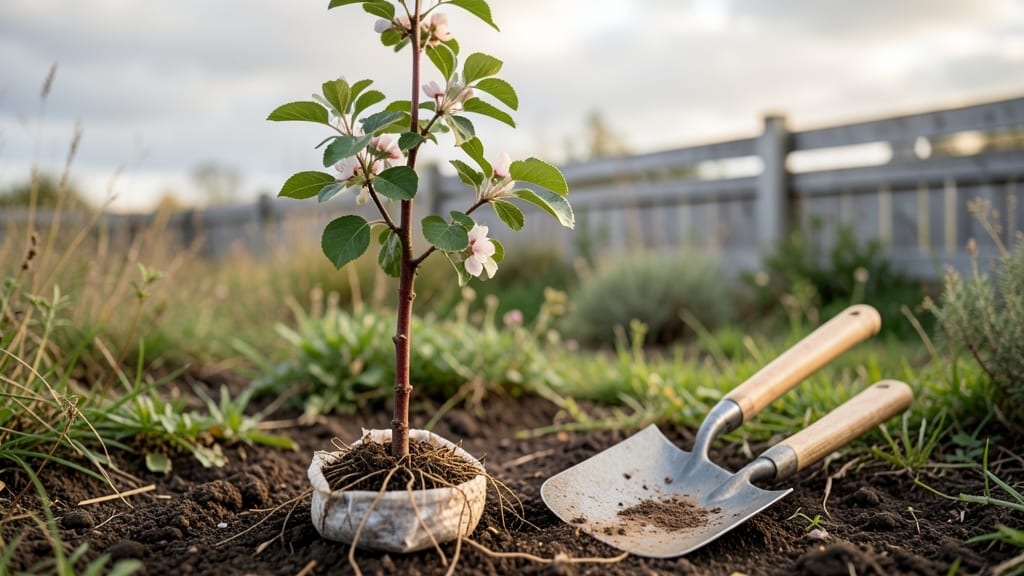
Planting an apple tree in the Pacific Northwest means choosing the right frost-resistant varieties and giving it the perfect start—because that first year sets the stage for decades of harvests. 🌱 I learned the hard way that rushing the process leads to weak roots and stunted growth, but doing it right means a sturdy tree that thrives through our rainy winters and cool summers.
You’ll need a 5-6 foot deep hole, well-draining soil mixed with compost, and a dwarf or semi-dwarf rootstock for easier maintenance. The best time to plant is in early spring or fall, when the ground is workable but not frozen.
Spacing matters too—keep trees 15-20 feet apart to allow airflow and prevent disease. My first tree struggled because I planted it too close to the fence, but now it’s a thriving centerpiece.
Once planted, water deeply every 10-14 days (unless it rains) and mulch around the base to retain moisture. By summer, you’ll see new growth—proof the tree is establishing itself.
The key is patience; it takes 3-5 years for a young tree to bear fruit, but with the right care, it’ll reward you with crisp, flavorful apples for decades. Let’s get that tree in the ground the right way.
This method works for Gala, Fuji, or Honeycrisp varieties, all of which handle our climate well. Just avoid planting in low spots where frost lingers, and you’ll be set. The first year is all about setting strong roots—everything else comes later. Ready to dig in?
📚 In This Guide
- What you need
- Instructions
- Tips and common mistakes
- Wrapping up and next steps
What you need
- ● Apple tree sapling: Choose a frost-resistant variety like ‘Gala,’ ‘Fuji,’ or ‘Granny Smith’ (bare-root or potted, 1–3 years old).
- ● Shovel or trowel: A round-point shovel (for digging) and a hand trowel (for delicate adjustments).
- ● Compost or well-aged manure: 5–10 gallons to enrich the soil.
- ● Organic mulch: Wood chips, straw, or pine needles (2–3 inches thick).
- ● Tree stakes (2–4) + soft ties: To support young trees in windy PNW conditions.
- ● Watering can or hose with nozzle: For gentle, deep watering.
- ● Pruning shears: Bypass pruners (sharp, clean, and sterilized to prevent disease).
- ● Soil test kit: Check pH (ideal: 6.0–7.0) and nutrient levels.
- ● Tree guard or wire cage: Protects from critters (e.g., deer or rabbits).
- ● Slow-release fertilizer: Balanced 10-10-10 or organic options like fish emulsion.
- ● Drip irrigation system: Automates watering for consistent moisture.
- ● Post-hole digger: If staking requires deeper holes.
- ● Garden gloves: Protect your hands from thorns and rough bark.
Step-by-Step instructions for planting a hardy apple tree
Here's how to plant a resilient apple tree that thrives in Pacific Northwest winters.
🪴 Step 1: Choose and Prepare the Planting Site
Pick a location with 6+ hours of sunlight daily—apple trees need full sun to produce fruit. The spot should also have well-draining soil, which is critical in rainy climates like the PNW. If your soil is heavy clay, amend it with 2-3 inches of compost mixed into the top 12 inches of soil.
Dig a hole twice as wide as the root ball but only as deep. This prevents burying the graft union, which can cause disease. Tap the sides of the hole gently to remove air pockets, then water it thoroughly. Let the water drain completely before planting—waterlogged soil at planting time stresses roots.
🌱 Step 2: Position the Tree and Backfill Soil
Place the tree in the hole so the graft union (the visible bump near the base) sits 2-4 inches above soil level. This protects it from soil-borne diseases and future frost heave. Spread the roots outward gently—never bend them—so they grow naturally into the surrounding soil.
Backfill the hole with the native soil you removed, tamping lightly as you go. Avoid compacting too hard, or you'll restrict root growth. Water the tree deeply after planting to settle the soil and eliminate air pockets. The soil should feel damp but not soggy—you want roots to establish without drowning.
☀️ Step 3: Mulch and Water for Establishment
Spread 3-4 inches of organic mulch (like wood chips or straw) over the soil surface, keeping it 6 inches away from the trunk to prevent rot. Mulch retains moisture, regulates soil temperature, and suppresses weeds—all critical for young trees in the PNW's wet winters.
Water the tree once a week for the first month, giving it 1-2 gallons of water each time. After that, water only when the top 2 inches of soil feel dry. Overwatering is a common mistake—apple trees hate soggy roots. A drip irrigation system set on a timer makes this easier and prevents fungal issues.
✂️ Step 4: Prune for Structure and Health
Remove any broken or crossing branches with clean, sharp pruners. Focus on shaping the tree into an open center—this improves airflow and sunlight penetration. Cut back to just outside the branch collar (the swollen area where the branch meets the trunk) to promote faster healing.
For young trees, prune in late winter or early spring before buds swell. Avoid heavy pruning in fall, as new growth won’t harden off before winter. A well-pruned tree starts strong and resists disease better in the PNW’s damp climate. You’ll see new growth within a few weeks—that’s your sign the tree is recovering well.
Tips & tricks for planting a hardy apple tree
Real talk: Planting an apple tree that survives PNW winters takes more than just shoving it in the ground. Here's what nobody tells you about making it thrive.
Soil Prep Secret: That 2-3 inches of compost in Step 1 isn't just about nutrients—it's about breaking up heavy clay soil. The PNW's wet winters compact soil like nothing else. I've seen trees fail because roots couldn't breathe through dense clay. Mix that compost thoroughly into the top 12 inches, then let it sit uncovered for a week before planting to let beneficial microbes get to work. This single step prevents root rot that kills so many young trees.
Graft Union Protection: The 2-4 inches above soil level for the graft union in Step 2 isn't just a recommendation—it's a survival tactic. I planted a tree with the graft union buried once, and it developed fungal disease within weeks. Mark the correct planting depth on your shovel handle before digging, or use a small stake to measure. In winter, frost heave can push soil up—add a mulch ring (not touching the trunk) to prevent this.
Watering Wisdom: Those first 30 days are make-or-break. The once-a-week watering in Step 3 needs to be consistent—miss a week, and roots won't establish properly. I use a moisture meter now, but a simple screwdriver test works too: push it into the soil 2 inches deep. If it comes out clean, water. If it sticks, wait. Overwatering in the PNW is the #1 killer—roots need oxygen too. A soaker hose buried 6 inches from the trunk solves this perfectly.
Pruning Pro Tip: When shaping in Step 4, look for branches growing toward the center—they'll rub against each other and create wounds where disease enters. Cut these first, then thin out every other branch to let light reach the center. I prune in late winter when the tree is dormant, and the cuts heal faster. Never prune in fall—new growth won't harden off before winter freezes.
Pro Tips for Planting An Apple Tree
- Real talk: Planting an apple tree that survives PNW winters takes more than just shoving it in the ground.
- Soil Prep Secret: That 2-3 inches of compost in Step 1 isn't just about nutrients—it's about breaking up heavy clay soil.
- Graft Union Protection: The 2-4 inches above soil level for the graft union in Step 2 isn't just a recommendation—it's a survival tactic.
Frequently asked questions
Got questions about planting your frost-resistant apple tree? Here are some common ones—and their answers—to help you grow with confidence!
What’s the best time of year to plant an apple tree in the Pacific Northwest?
The ideal window is late fall (November) through early spring (March), before buds swell. This gives roots time to establish before summer heat. Avoid planting in summer—young trees struggle with drought and heat stress. Pro tip: If planting in fall, water deeply before the first hard frost to protect roots!
How do I protect my apple tree from late spring frosts?
Late frosts can damage blossoms, but don’t worry—there are tricks! Use frost cloth or row covers on chilly nights (below 28°F). For young trees, wrap the trunk with burlap to shield it from cold winds. Choose late-blooming varieties like ‘Liberty’ or ‘Enterprise’ for extra frost resilience.
Can I plant an apple tree in a container if I have limited space?
Yes! Dwarf varieties (like ‘Columnar’ or ‘Pixie Crunch’) thrive in large containers (at least 15-gallon pots). Use well-draining soil and a pot with drainage holes. Move containers to a sunny spot in summer and protect them from freezing temps in winter. Note: Container trees need more frequent watering and fertilizing than in-ground trees.
What pests should I watch for in Pacific Northwest apple trees?
Keep an eye out for codling moths (larvae burrow into fruit), aphids (sap-sucking insects), and apple maggots. Use row covers early in the season or apply organic sprays like neem oil. Prevention tip: Remove fallen fruit promptly to break the pest life cycle!
How close can I plant my apple tree to my house or fence?
Aim for at least 15–20 feet from structures to avoid root competition and shading. Mature trees can spread 20+ feet wide, so plan for airflow and sunlight. If space is tight, choose a columnar variety (like ‘Urban Apple’) that stays compact. Warning: Roots can damage foundations or sidewalks over time!
Wrapping up and next steps
Planting an apple tree in the Pacific Northwest is a rewarding journey—one that combines patience, care, and a touch of local magic! 🌱 By choosing frost-resistant varieties like Liberty, Enterprise, or Golden Delicious, you’re setting yourself up for years of fresh, homegrown fruit.
Remember, the key lies in proper site selection, soil prep, and ongoing maintenance like pruning and pest control.
Ready to take the next step? Mark your calendar for early spring or fall planting—your future orchard awaits! Grab your gloves, gather your tools, and let’s grow something delicious together. 🍏✨