
Pruning
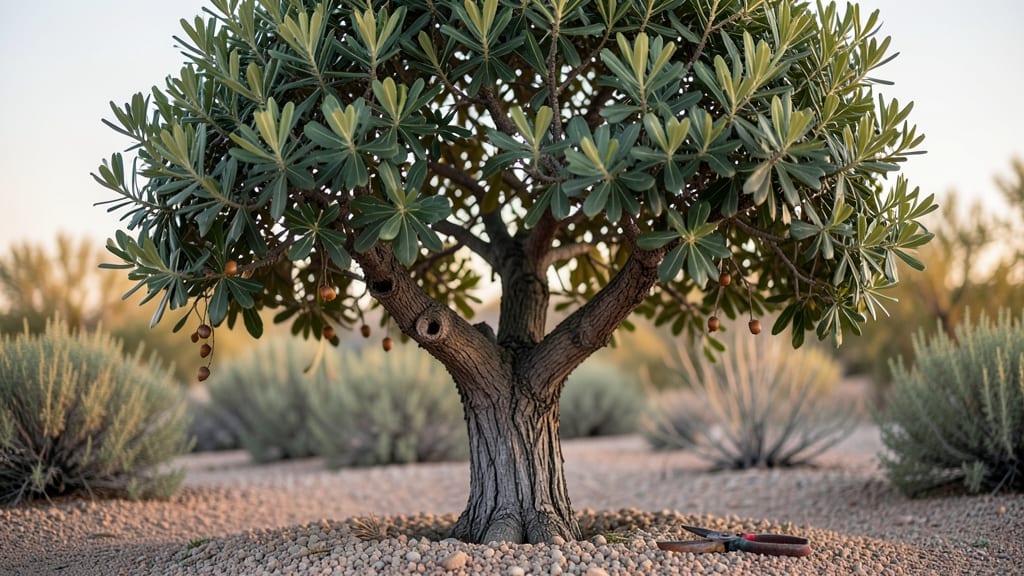
Pruning a desert oak tree (Quercus turbinella) isn’t just about shaping branches—it’s about preserving its legendary drought resilience and strength for decades. 🌵 I’ve watched these trees survive 110-degree summers with barely a wilt, and the right cuts keep them thriving even longer.
The secret lies in three precise techniques that mimic nature’s own thinning process, not aggressive trimming.
Most people over-prune desert oaks, weakening their structure when just a few strategic cuts encourage denser, healthier growth. You’ll need sharp pruning shears, a ladder for taller branches, and a clear day to avoid stressing the tree.
The key is timing: late winter or early spring, before new growth begins, gives the tree time to heal before summer’s heat arrives.
What you’ll end up with is a tree that’s not just drought-proof but also pest-resistant and structurally sound. The right cuts reduce water loss, improve airflow through the canopy, and prevent heavy branches from snapping in storms.
Think of it as giving your desert oak a spa day—stronger roots, fuller foliage, and a shape that honors its natural beauty.
This method works equally well for young saplings and mature specimens, whether you’re shaping a new planting or restoring an established tree. The same principles apply in Arizona, New Mexico, or even California’s inland valleys—anywhere desert oaks thrive. Let’s get those shears ready and keep these iconic trees standing strong.
📚 In This Guide
- What you need
- Instructions
- Tips and common mistakes
- Wrapping up and next steps
What you need
- ● Pruning shears: Bypass pruners (for small branches, ¼"–¾" diameter)
- ● Loppers: 1–2 pairs (for medium branches, ¾"–2" diameter)
- ● Pruning saw: 1 (for thick branches, 2"+ diameter; bow saw or folding pruning saw recommended)
- ● Extension pole: 1 (for hard-to-reach branches, 6–10 ft)
- ● Work gloves: 1 pair (cut-resistant, like Mechanix or similar)
- ● Safety glasses: 1 pair (to protect against debris)
- ● Disinfectant: 70% isopropyl alcohol or pruning sealant (to prevent disease spread)
- ● Heavy-duty trash bags or bucket: 1–2 (for collecting debris)
- ○ Ladder (optional but helpful): Sturdy, extendable (if tree exceeds 10 ft)
- ● Tree wound dressing: (Only use if needed—modern research suggests less is often better!)
- ● Marking spray: (To tag branches for future reference)
- ● First-aid kit: (For minor scrapes or splinters)
- ● Water spray bottle: (To dampen dusty areas while working)
Step-by-step guide to pruning desert oak trees for drought-resilient growth
Here's how to shape your desert oak without stressing the tree or sacrificing its natural drought tolerance.
✂️ Step 1: Remove Dead, Diseased, or Damaged Branches First
Start by scanning the tree for any branches that are completely dead, diseased, or physically damaged. These are your top priorities—they won't recover and may spread problems to healthy wood. Look for branches with no leaves, cracked bark, or signs of fungal growth like black spots or oozing sap.
Use sharp, clean pruning shears to make a cut just outside the branch collar—the swollen area where the branch meets the trunk. Never leave stubs, as they invite decay. If a branch is larger than 2 inches in diameter, use a pruning saw instead. Work from the bottom up to avoid damaging healthy branches above.
Real talk: If you're unsure whether a branch is dead, scratch the bark with your fingernail. Live wood will be green underneath, while dead wood stays brown. I always prune these first because they're the easiest cuts—and they clear space for better light and airflow to reach the rest of the tree.
✂️ Step 2: Thin the Canopy to Improve Airflow and Light Penetration
Desert oaks thrive when their branches receive plenty of sunlight and air circulation. Focus on removing branches that cross or rub against each other, as these create weak points and invite disease. Aim to open the canopy so light can reach the inner branches—this encourages stronger, more drought-resistant growth.
When thinning, never remove more than 25% of the tree's foliage in one season. You'll see the best results by making small, strategic cuts over time. Start with the smaller branches first, as removing larger ones too soon can shock the tree. Look for branches growing straight upward—they often block light and can be safely removed to improve the tree's overall shape.
Here's the thing—desert oaks are tough, but they still need room to breathe. If you notice clusters of branches growing too close together, select the weakest or smallest branch in the group to remove. This ensures the remaining branches have space to grow stronger without competing for resources.
✂️ Step 3: Shape the Tree for Structural Integrity and Drought Resistance
Now it's time to refine the tree's shape while maintaining its natural form. Desert oaks have a distinctive, rounded silhouette, so avoid heavy pruning that turns them into rigid, geometric shapes. Focus on removing branches that grow at sharp angles or are too close to the trunk, as these are more likely to break during storms or high winds.
Use the "third cut" method for larger branches: First, make an undercut about 1 foot from the branch collar, then a top cut about 6 inches beyond the undercut. Finally, make your final cut just outside the branch collar. This prevents the branch from tearing the trunk as it falls. For smaller branches, a single clean cut is all you need.
This is the moment that matters: Step back often to assess the tree's balance. You want a strong, open structure that allows water to run off easily—critical for drought resilience. Avoid "lion's tailing," where you cut back all the branches to stubs, as this stresses the tree and makes it more vulnerable to pests and disease.
Tips & tricks for pruning desert oak trees
Took me years of trial and error to perfect these pruning strategies—here's how to avoid the mistakes that cost me good trees.
Tool Selection: Invest in a good pair of bypass pruners for branches up to 1 inch thick and a folding pruning saw for anything larger than 2 inches. I learned this the hard way after struggling with dull tools that crushed branches instead of cutting cleanly. Always keep your tools sharp—dull blades tear wood, creating wounds that invite infection, especially in drought conditions. A quick test: if you're pushing instead of cutting, your tools need sharpening.
Season Timing: Late winter to early spring is ideal for pruning desert oaks, just before new growth begins. This timing minimizes stress on the tree and allows it to heal before summer heat arrives. Avoid pruning during extreme heat or drought periods—your tree is already struggling to access water, and additional stress from pruning can be fatal. If you must prune outside this window, do it on a cool, cloudy day to reduce water loss through the fresh cuts.
Wound Care: After making any cut, especially on larger branches, seal the wound with a tree wound dressing designed for oaks. I used to skip this step, thinking the tree would heal naturally, but I noticed significantly better recovery rates after adding this protection. The dressing helps prevent moisture loss and reduces the risk of fungal infections that thrive in our dry climate. For cuts larger than 3 inches, consider using a wound paint specifically formulated for oak trees.
Post-Pruning Monitoring: Keep an eye on your tree for at least 2-3 weeks after pruning. Look for signs of stress like wilting leaves, unusual leaf color, or sap oozing from cut areas. If you notice any of these symptoms, your tree may be struggling with the pruning. In this case, provide extra water (but not too much—desert oaks hate soggy roots) and avoid any additional pruning until the tree shows signs of recovery. Healthy new growth within 6-8 weeks is a good sign your pruning was successful.
Pro Tips for Desert Oak Tree
- Took me years of trial and error to perfect these pruning strategies—here's how to avoid the mistakes that cost me good trees.
- Tool Selection: Invest in a good pair of bypass pruners for branches up to 1 inch thick and a folding pruning saw for anything larger than 2 inches.
- Season Timing: Late winter to early spring is ideal for pruning desert oaks, just before new growth begins.
Frequently asked questions
Got questions about pruning your desert oak tree? You’re not alone—these drought-hardy giants need special care! Here are answers to the most common queries to keep your tree thriving.
How often should I prune my desert oak tree?
Prune your desert oak once a year during late winter or early spring (before new growth starts). Avoid heavy pruning in summer or fall—this can stress the tree and make it vulnerable to drought or pests. Focus on structural cuts and removing dead branches to maintain its natural shape.
Can I prune a desert oak tree in extreme heat or drought?
No—never prune during drought or extreme heat (temps above 90°F). Pruning stimulates new growth, which requires water the tree may not have. Wait until after a good rain or during the cooler months. If you must prune in dry conditions, do so early in the morning to reduce stress.
What’s the best way to remove large, thick branches?
For branches over 2–3 inches thick, use the three-cut method:
- First cut: Make an undercut about 12–18 inches from the trunk.
- Second cut: Cut from the top, leaving a small bridge of wood.
- Third cut: Remove the bridge to drop the branch safely.
Why is my desert oak tree oozing sap after pruning?
Sap oozing is normal and usually harmless—it’s the tree’s way of sealing wounds. However, if the sap is dark, foul-smelling, or accompanied by wilting leaves, your tree may be infected. Clean tools with rubbing alcohol between cuts, and avoid pruning during wet weather to minimize fungal risks.
Are there alternatives to pruning if my desert oak is too large?
If your tree is too big for DIY pruning, hire a certified arborist experienced with desert species. They’ll use proper techniques and equipment to avoid harming the tree. For smaller maintenance (like dead branch removal), extension pruners or a pole saw can work—but always prioritize safety!
Wrapping up and next steps
The desert oak tree is a true survivor, thriving even in the harshest conditions—and with the right pruning techniques, you can help it maintain its strength and beauty for years to come. 🌵✨ By focusing on structural cuts, deadwood removal, and strategic thinning, you’re not just shaping the tree; you’re ensuring its resilience against drought and disease.
Ready to take action? Grab your tools, assess your tree, and start pruning with confidence. Every cut is a step toward a healthier, more vibrant desert landscape—one oak at a time! 🌿💪 (Need a refresher? Revisit our FAQs or gather your supplies before diving in!)