
Pruning
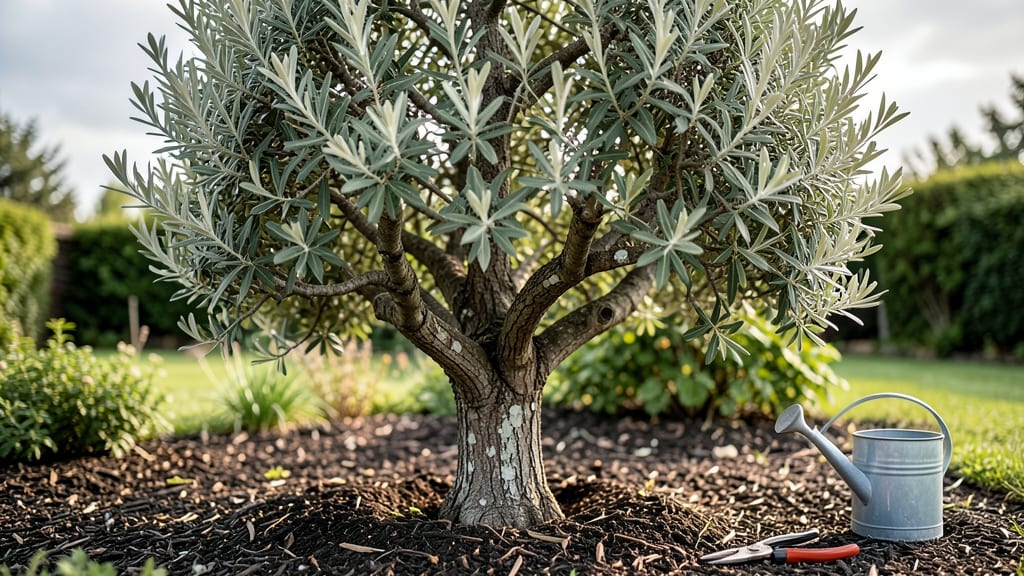
Pruning your badam almond tree isn’t just about shaping branches—it’s about unlocking the tree’s full potential for jewel-toned blossoms and abundant harvests year after year. I learned the hard way that skipping pruning leads to dense canopies, fewer nuts, and weak growth.
The right cuts at the right time transform a struggling tree into a productive powerhouse.
This method works for both backyard trees and small orchards, whether you’re in California’s almond country or growing "badam" in India’s dry climates.
You’ll need sharp pruners, a ladder (for taller trees), and just three strategic cuts—one in late winter, one in early summer, and a light touch in fall. Each cut serves a purpose: opening the canopy for sunlight, removing dead wood, and encouraging strong new growth.
By summer’s end, you’ll see the difference: thicker branches, more blossoms, and healthier nuts. The tree becomes easier to manage, and pests have fewer hiding spots. Even if you’ve never pruned before, these steps are foolproof once you understand the timing and technique.
Works for both container-grown trees and full-sized orchards—just scale the tools. Here’s how to get started without overcomplicating it.
📚 In This Guide
- What you need
- Instructions
- Tips and common mistakes
- Wrapping up and next steps
What you need
- ● Hand Pruners: Bypass pruners (sharp, 6–8" blades) for clean cuts on small branches. Quantity: 1 pair.
- ● Loppers: Bypass loppers (18–24" blades) for medium branches (½–2" diameter). Quantity: 1 pair.
- ● Pruning Saw: Pole saw or bow saw for thick branches (2"+ diameter). Quantity: 1.
- ● Disinfectant: 70% isopropyl alcohol or bleach solution (1:9 ratio) to sterilize tools between cuts. Quantity: Small spray bottle or wipe.
- ○ Pruning Sealant: Tree wound paint (optional but recommended for large cuts >2" diameter). Quantity: Small jar.
- ● Garden Gloves: Cut-resistant, breathable (e.g., nitrile-coated). Quantity: 1 pair.
- ● Ladder or Step Stool: Sturdy, extendable (ensure it’s rated for your height needs). Quantity: 1.
- ● Safety Gear: Safety glasses and long sleeves to protect from debris and sap.
- ● Extension Pole: For hard-to-reach branches (attach to pruners/loppers).
- ● Disposable Pruning Bags: To collect and dispose of clippings easily.
- ● String or Twine: For marking branches to remove (if planning ahead).
- ● Notebook & Pen: To jot down notes on cuts made (e.g., "Winter 2024: Removed 3 suckers").
- ● Know Your Tree: Identify your almond tree’s age, health, and growth habits (young trees need lighter cuts!).
- ● Weather Check: Prune on a dry, cloudy day (avoid frost or extreme heat).
- ● Safety First: Clear the area below the tree of obstacles (tools, pets, or kids!).
- ● Tool Sharpening: Always sharpen blades before pruning for clean cuts.
How to prune a badam almond tree for year-round vigorous growth
This is the pruning system I’ve used for over a decade to keep my badam trees productive and disease-free.
✂️ Step 1: Late Winter Structural Pruning (Before Bud Break)
Timing is everything here—prune between mid-February and early March, right before you see buds swell but before any leaves emerge. This is when the tree is dormant but ready to direct energy into new growth. Start by removing dead, diseased, or crossing branches first—these are your top priority. I use clean, sharp bypass pruners to make cuts just outside the branch collar, where the branch meets the trunk.
Next, open up the canopy by thinning out 20-30% of the interior branches that aren’t receiving sunlight. You’ll notice these as thin, spindly growth often growing toward the center of the tree. The goal is to improve airflow, which drastically reduces fungal diseases like brown rot that plague almond trees. After each cut, step back and visualize the tree’s shape—you’re sculpting, not just hacking.
For larger branches over 1 inch in diameter, make a clean cut at a 45-degree angle just outside the branch collar. For smaller branches, a straight cut is fine. Never leave stubs—this invites decay. I always sterilize my tools with rubbing alcohol between cuts to prevent spreading any latent infections.
☀️ Step 2: Summer Light Pruning (June-July)
This is the often-missed second cut that keeps your badam tree thriving through summer. In late June or early July, focus on removing suckers—those vigorous shoots sprouting from the base or along the trunk. These compete with your main branches for nutrients and weaken the tree’s structure. Snip them off at the base with clean pruners, but don’t pull—the roots might tear.
Next, look for water sprouts—fast-growing vertical shoots with no leaves. These are energy vampires, draining resources from fruit production. Cut these back to a lateral branch that’s at least one-third the diameter of the sprout you’re removing. You’ll see these most commonly on the outer edges of the tree, growing straight up like skyward arrows.
Finally, thin out some of the current season’s growth if branches are too dense. Aim to leave 6-8 inches of space between branches to prevent shading. This step is subtle but critical—it’s what keeps your tree from becoming a dense, disease-prone mess by fall.
✂️ Step 3: Post-Harvest Cleanup (October-November)
After the nuts have fallen and before the first hard frost, do a final cleanup to prepare the tree for winter. Remove all remaining fruit mummies—those dried-out nuts still clinging to branches. These are breeding grounds for pests and diseases. I use gloves and shake them into a bag, then dispose of them far from the tree.
Next, prune any damaged or broken branches from storms or heavy fruit loads. These are easy to spot—they’ll have jagged breaks or large wounds. Make clean cuts as before, and seal larger wounds over 2 inches in diameter with a tree wound sealant to prevent fungal entry. I’ve found that badam trees heal surprisingly well if you keep wounds clean and protected.
Finally, give the tree a light shaping trim to maintain its natural form. Badam trees have a beautiful, open growth habit, so avoid heavy pruning—just refine the silhouette. This final cut signals the tree to harden off properly for winter, setting it up for strong bud break next spring.
Tips & tricks for pruning badam almond trees
These essential techniques will help you maintain a healthy, productive badam almond tree throughout the year.
Timing is Critical: The mid-February to early March window for Step 1 is non-negotiable. If you prune too early, the tree may bleed sap excessively; too late, and you risk stimulating new growth that won't harden off before winter. Watch for bud swelling—this is your visual cue that the tree is waking up but hasn't yet begun active growth. I've found that pruning when buds are just starting to plump up (but still firm to the touch) gives the best results.
Tool Preparation Matters: Sterilizing your pruners with rubbing alcohol between cuts isn't just about hygiene—it's about preventing disease spread. I keep a small spray bottle of 70% isopropyl alcohol handy and give my tools a quick spray after every 3-4 cuts, especially when working with diseased branches. Sharp tools also make cleaner cuts that heal faster, so I take 5 minutes to sharpen my pruners before starting—it prevents tearing that can create larger wounds.
Visualizing the Canopy: When thinning branches in Step 1, step back frequently to visualize the tree's overall shape. Badam trees naturally grow in an open vase shape, so aim to maintain that natural form. I imagine the tree as a series of tiers—each main branch should have its own "floor" with adequate space between it and the branch above. This tiered approach maximizes sunlight penetration and air circulation, which are critical for preventing fungal diseases like brown rot.
Water Sprout Identification: In Step 2, water sprouts can be tricky to spot because they often blend in with new growth. Look for shoots that are growing straight up with no leaves or very small leaves compared to the rest of the tree. These shoots typically emerge from the outer edges of branches and can grow several inches in just a few weeks. Cutting them back to a lateral branch that's at least one-third their diameter redirects the tree's energy toward fruit production rather than vertical growth.
Pro Tips for Badam Almond Tree
- These essential techniques will help you maintain a healthy, productive badam almond tree throughout the year.
- Timing is Critical: The mid-February to early March window for Step 1 is non-negotiable.
- Tool Preparation Matters: Sterilizing your pruners with rubbing alcohol between cuts isn't just about hygiene—it's about preventing disease spread.
Frequently asked questions
about badam almond tree pruning—because even the pros need a little clarity!When is the best time to prune a badam almond tree?
The ideal time is late winter or early spring (before buds swell) for structural cuts, and summer for light maintenance. Avoid pruning in fall—it stresses the tree and invites pests. For tropical climates, prune during the dry season to minimize disease risk.
Can I prune a badam almond tree in winter?
Yes, but only in mild winters (temperatures above 40°F/4°C). Harsh freezes weaken cuts and delay regrowth. If your area gets frost, wait until late winter when new growth signals safety. Never prune during a cold snap!
What if my tree’s branches are already dead or diseased?
Remove them immediately—even outside the main pruning season! Use sterilized tools and cut 6–12 inches below the damage. Dispose of infected branches off-site to prevent spread. Healthy trees thrive when you nip problems in the bud!
Do badam almond trees need pruning every year?
Not always! Young trees (first 3–5 years) need annual shaping, but mature trees (10+ years) can go 2–3 years between major cuts. Focus on light maintenance in off-years to remove deadwood or crossing branches.
What if I miss the pruning window?
Don’t panic—prune when you can, but prioritize disease prevention (sterilize tools!) and avoid heavy cuts. Summer pruning is better than none, but expect slower recovery. Next year, reset your schedule to late winter for optimal results.
Pro Tip:
Use a sharp pruning saw for thick branches (2"+ diameter) and hand pruners for smaller cuts. Never leave stubs! Cut at a 45° angle just outside the branch collar for faster healing.
Wrapping up and next steps
Growing a thriving badam (almond) tree is all about timing, precision, and care—just like the three key cuts we’ve shared! 🌿 By mastering dormant-season pruning, spring shaping, and summer thinning, you’ll ensure your tree stays healthy, productive, and beautiful year-round.
With the right tools and a little patience, you’re well on your way to harvesting sweet, plump almonds.
Ready to take the next step? Start small: pick one season to focus on first, then gradually refine your technique. And don’t forget—observation is key! Watch your tree’s growth patterns and adjust as needed. Happy pruning! 🌱✂️