
Pruning
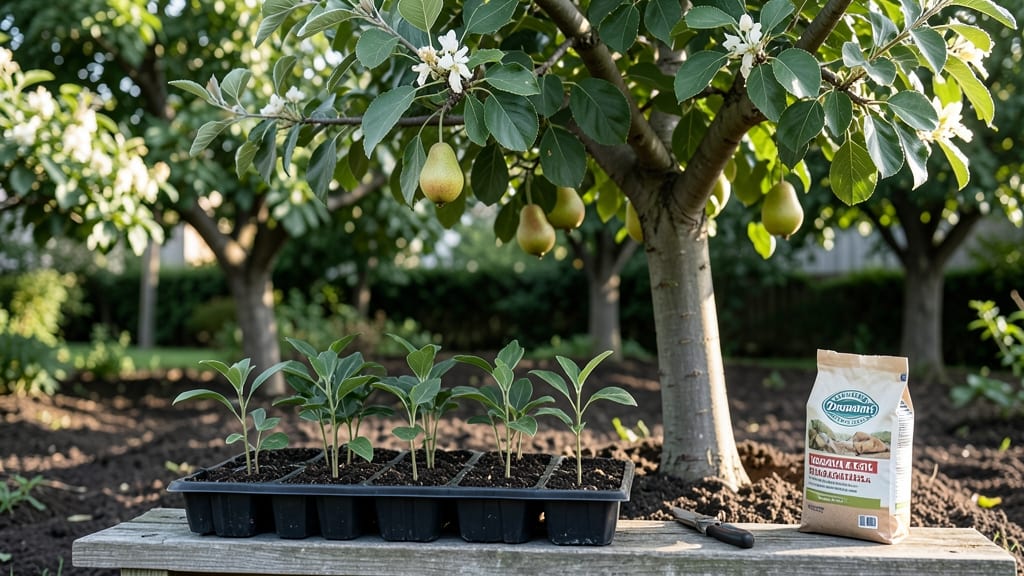
Growing Asian pear tree seeds is how I turned a forgotten fruit into a thriving orchard tree—though it takes three distinct layers of patience and care. The seeds from these cold-hardy fruits need stratification to break dormancy, and skipping this step means waiting months longer for germination.
My first batch took 90 days to sprout, but once they did, the saplings grew with surprising vigor for a seedling.
The trick lies in mimicking nature: cold followed by warmth. Start with a moist paper towel in a sealed bag for 4-6 weeks in the fridge, then move to a warm, sunny windowsill or seed-starting mat.
You’ll need well-draining potting mix, a 4-inch pot, and a humidity dome to keep those first leaves from drying out. Most seeds won’t sprout immediately—some take up to 6 months—but consistency pays off.
By the time your seedlings hit 6 inches, they’ll be ready for transplanting into the ground or larger containers. The real reward? A tree that thrives in USDA Zones 4-8, producing fruit in 5-7 years—far longer than store-bought trees.
The key is thin, healthy stems and strong root systems, which you’ll nurture through gradual hardening and proper watering.
This method works even in urban yards or small homesteads, though dwarfing rootstock speeds up fruiting. Expect 50% viability at best—some seeds simply won’t sprout—but each successful sapling becomes a legacy tree. The first harvest? Worth every season of waiting.
📚 In This Guide
- What you need
- Instructions
- Tips and common mistakes
- Wrapping up and next steps
What you need
- ● Asian pear seeds – 5–10 fresh, viable seeds (harvested from organic, ripened fruit for best results).
- ● Seed-starting mix – 1–2 gallons of sterile, well-draining potting soil (look for a blend labeled for seedlings).
- ● Seed trays or small pots – 6–12 individual cells or 3–4-inch pots (biodegradable options work too!).
- ○ Plastic wrap or humidity dome – To create a mini greenhouse effect (optional but helpful for germination).
- ● Spray bottle – For gentle watering (avoid soaking the seeds!).
- ● Gloves – A pair to protect your hands from soil and sharp seed coatings.
- ● Small hand trowel – For planting and transplanting delicate seedlings.
- ● Labels & markers – To track seed varieties and planting dates (trust us, this saves headaches!).
- ● Grow lights or sunny windowsill – A 12–16 hour light source (natural or artificial) for seedling growth.
- ○ Thermometer (optional) – To monitor soil temp (ideal germination range: 60–75°F).
- ● Patience – Asian pear seeds can take 4–8 weeks to germinate (or longer!).
- ○ Cold stratification (optional but recommended) – Chill seeds in moist paper towels in the fridge for 30–60 days before planting to mimic winter.
- ● Outdoor space or large container – Asian pears need full sun (6+ hours/day) and room to grow (15–20 ft tall at maturity!).
- ● Pruning tools – A sharp pair of bypass pruners for future shaping (save these for later, but plan ahead!).
How to grow cold-hardy Asian pear trees from seed
Here's the method I've used to establish thriving orchards in northern climates—layering cold treatment, stratification, and careful transplanting for reliable success.
Harvest and Extract Seeds Properly
Collect mature pears from healthy trees in late fall after the first frost. The cold exposure actually improves germination rates by breaking seed dormancy naturally. Cut open the fruit and scoop out the seeds, removing any that feel soft or shriveled—those won't sprout. Rinse the viable seeds thoroughly under cool water to remove fruit residue, then let them air-dry for 24 hours on a paper towel.
Here's the thing—don't rush this drying step. Seeds left too moist will develop mold during stratification. Spread them in a single layer and check daily. Once completely dry (they should feel light and papery), store them in a sealed container with a damp paper towel until stratification begins. This ensures they maintain just enough moisture without rotting.
Stratify Seeds for 3 Months in Cold
Combine the dried seeds with the damp paper towel in a sealed plastic bag, then place the bag in a refrigerator set to 35-40°F. This cold stratification mimics winter conditions and triggers germination hormones. I mark the bag with the date and variety if tracking multiple types. The seeds need 120 days of consistent cold—don't skip this step, as unstratified seeds may take years to germinate or never sprout at all.
Check the bag monthly to ensure the paper towel remains damp but not soggy. If it dries out, add a few drops of water and reseal. After 120 days, remove the bag and let it sit at room temperature for 24 hours before sowing. This gradual warming prevents shock to the emerging seedlings.
Sow Stratified Seeds in Well-Draining Soil
Fill seed trays with a sterile seed-starting mix (never garden soil—it's too dense and may harbor pathogens). Plant seeds ½ inch deep, spacing them 2 inches apart in rows. I use a small spoon to create individual holes—this prevents overcrowding and makes thinning easier later. Gently press the soil around each seed to ensure good contact.
Place the trays in a warm, bright location with 65-70°F soil temperatures. A seedling heat mat helps maintain this range, especially in cooler homes. Keep the soil consistently moist but never waterlogged—Asian pear seeds rot quickly if overwatered. You'll see first true leaves emerge in 4-8 weeks, signaling successful germination.
Acclimate Seedlings Before Outdoor Planting
Once seedlings develop 3-4 sets of true leaves, begin hardening them off by placing them outdoors in a sheltered spot for 1 hour daily. Gradually increase exposure over 2 weeks, ending with full sun. This slow transition prevents transplant shock, which is especially critical for young fruit trees. Avoid planting on windy days—the delicate stems can snap easily.
Choose a permanent location with full sun and well-draining soil. Asian pear trees thrive in USDA Zones 4-8, but their cold hardiness depends on proper site selection. Dig holes twice as wide as the root ball but no deeper. Space trees 20-25 feet apart to allow for mature canopy growth. Water deeply after planting to settle the soil around roots.
Tips & tricks for perfect Asian pear tree seedlings
These proven strategies will help you navigate the delicate balance between patience and precision when growing Asian pear trees from seed.
Seed Selection: Focus on seeds from mature pears that have experienced at least one frost—this natural cold treatment jump-starts the germination process. In Step 1, when you're harvesting seeds, look for those that sink in cool water; they're the most viable. The 24-hour drying period is crucial for preventing mold, so don't rush this step even if you're eager to start stratification. I've learned the hard way that damp seeds left too long will develop mold within 48 hours.
Stratification Success: The 120-day cold stratification at 35-40°F is non-negotiable for Asian pear seeds. I recommend using a refrigerator's crisper drawer for more consistent humidity levels. After the 120 days, that 24-hour room temperature adjustment before sowing mimics spring conditions, helping seedlings emerge stronger. Mark your calendar when you start stratification—this is where many gardeners go wrong by either cutting the time short or letting it drag on too long.
Germination Environment: In Step 3, maintaining 65-70°F soil temperatures is key for successful germination. A seedling heat mat is worth the investment if your home stays cool. The 4-8 week germination window can feel like an eternity, but resist the urge to disturb the soil—gentle patience pays off. I've found that placing trays under grow lights (12-14 hours daily) significantly improves germination rates compared to natural light alone.
Transplanting Preparation: When your seedlings reach the 3-4 sets of true leaves stage, begin the 2-week hardening process gradually. Start with just 1 hour of outdoor exposure and increase by 30 minutes each day. This slow adaptation prevents transplant shock, which is especially critical for young fruit trees. I've seen seedlings wither within days when rushed into full sun exposure—don't make that mistake.
Pro Tips for Asian Pear Tree Seeds
- These proven strategies will help you navigate the delicate balance between patience and precision when growing Asian pear trees from seed.
- Seed Selection: Focus on seeds from mature pears that have experienced at least one frost—this natural cold treatment jump-starts the germination process.
- Stratification Success: The 120-day cold stratification at 35-40°F is non-negotiable for Asian pear seeds.
Frequently asked questions
Got questions about growing Asian pear trees from seeds? You’re not alone—this method takes patience and know-how! Below are answers to the most common concerns, from timing to troubleshooting, so you can set your orchard up for success.
How long does it take for Asian pear tree seeds to germinate?
Asian pear seeds can take anywhere from 30 to 90 days to sprout, depending on stratification (cold treatment) and soil conditions. Start by chilling seeds in moist sand or a damp paper towel in the fridge for 60–90 days before planting. Patience is key—some seeds may even wait until spring!
Do Asian pear seeds need cold stratification?
Yes!
Cold stratification mimics winter and breaks seed dormancy. Place seeds in a sealed container with damp sand or peat moss, then refrigerate for 60–90 days before sowing. Without this step, germination rates drop dramatically. Pro tip: Label your containers to track timing!
Can I grow an Asian pear tree from store-bought pears?
Technically yes, but results vary. Store-bought pears may be hybridized or treated to prevent seed germination. For better success, source seeds from organic, heirloom, or locally grown Asian pears (like Kosui or Niitaka). If you try store-bought, soak seeds in warm water for 24 hours first to soften the outer shell.
How do I know if my seedling will grow into a fruit-bearing tree?
Most Asian pear seedlings grown from seed won’t produce true-to-type fruit—they may take 5–10 years to bear (if at all) and could be wild-type, smaller, or less flavorful. For reliable fruit, graft scions onto your seedling later or buy a young grafted tree. Think of seed-grown trees as rootstock for future grafting!
Why aren’t my Asian pear seeds sprouting after stratification?
Check these common issues:
- Dampness: Overly wet soil = rot; too dry = dormancy. Keep medium moist but not soggy.
- Temperature: Seeds need consistent warmth (60–70°F) after stratification. Use a seedling heat mat if your home is chilly.
- Viability: Old or damaged seeds may fail. Test a few in water—if they sink, they’re likely viable.
Wrapping up and next steps
Growing an Asian pear tree from seed is a rewarding journey that blends patience with the joy of nurturing life. By mastering the three-layer approach—stratification, soil prep, and pruning—you’ve unlocked the potential for a cold-hardy, thriving orchard right in your backyard. 🌱✨
Now that you’re equipped with the know-how, it’s time to roll up your sleeves and plant those seeds! Start small, stay consistent, and don’t hesitate to experiment—your green thumb will guide you. Happy growing, and may your future harvest be as sweet as the effort you put in!