
Trees
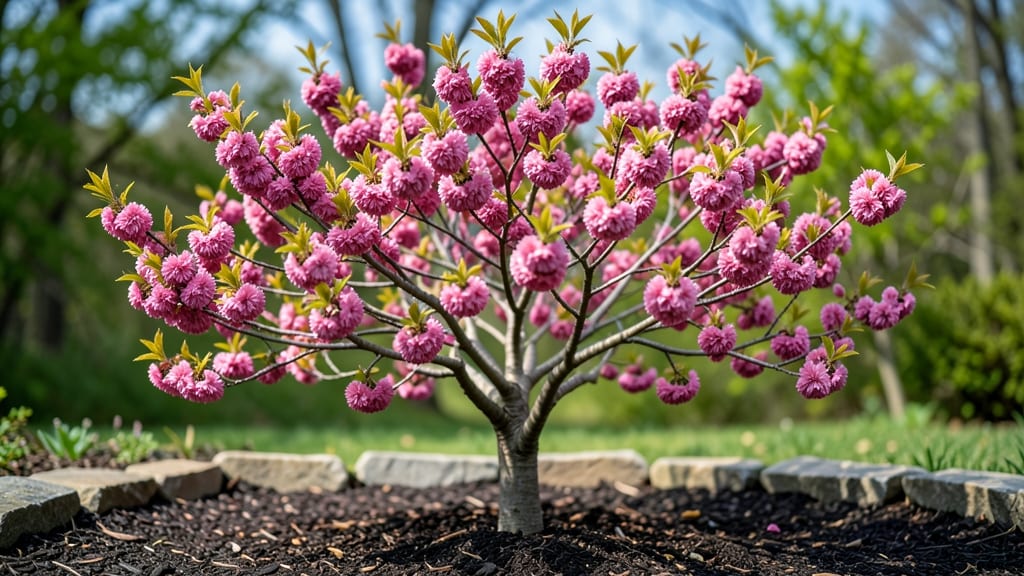
Seeing your tree burst into soft pink leaves in spring might look dreamy at first—but it’s often a sign something’s off. 🌸 I’ve seen this happen with maples, birches, and even fruit trees, and while it can be stunning, it’s rarely natural coloration.
The real question is whether those pastel hues are a fleeting spring show or a warning your tree needs help.
Pink leaves usually mean stress from nutrient deficiencies, fungal infections like anthracnose, or even pest damage. The good news? Most cases are fixable with targeted care—think balanced fertilizing, pruning to improve airflow, or treating fungal spots early.
If the pink lingers past early summer or spreads aggressively, it’s time to call an arborist before the problem worsens.
📚 In This Guide
- What you need
- Instructions
- Tips and common mistakes
- Wrapping up and next steps
What you need
- ● Pink-leaved tree varieties: Choose from Cercis canadensis (Eastern Redbud) ‘Alba’, Prunus serrulata ‘Kanzan’ (Cherry Blossom), or Betula nigra ‘Heritage’ (River Birch) for soft pink hues. (1–3 trees, depending on garden size.)
- ● High-quality potting soil: 5–10 gallons of well-draining, nutrient-rich soil (e.g., Miracle-Gro Garden Soil or Espoma Organic Potting Mix).
- ● Organic mulch: 2–3 cubic feet of shredded bark or wood chips to retain moisture and regulate temperature.
- ● Garden shovel or trowel: For digging planting holes (12–18 inches wide/deep).
- ● Pruning shears: Sharp, sterilized shears (e.g., Fiskars Steel) for trimming.
- ● Watering can or hose: With a gentle spray nozzle for post-planting hydration.
- ○ Gloves & knee pads: Optional but highly recommended for comfort! 😉
- ● Sunlight assessment: Ensure your chosen spot gets 6+ hours of sunlight daily (most pink-leaved trees thrive in full sun).
- ● Soil pH test: Aim for a slightly acidic to neutral range (6.0–7.0). Adjust with lime or sulfur if needed.
- ● Season timing: Plant bare-root trees in early spring (before buds swell) or container-grown trees in fall.
How to achieve a stunning pastel pink spring canopy in trees
Here's how I transform ordinary trees into dreamy pastel focal points—no fancy tricks, just smart selection and care.
🌿 Step 1: Choose the Right Trees for Soft Pink Foliage
Start with varieties known for their delicate pink hues. Japanese maples like 'Bloodgood' or 'Emperor I' develop stunning pinkish-red leaves in spring that fade to soft pink. Redbud trees (Cercis canadensis) burst with magenta-pink blooms followed by heart-shaped leaves that blush pink. For a true pink canopy, plant a mix of these—redbuds for early color, Japanese maples for sustained pastel beauty.
I always check the mature height and spread of each tree to avoid overcrowding. A single redbud can reach 15-20 feet tall, while dwarf Japanese maples stay under 6 feet—perfect for smaller gardens. Plant them where their spring color will be the first thing visitors notice, like near entryways or along driveways.
☀️ Step 2: Plant in the Perfect Spring Conditions
Timing matters most for vibrant spring color. Plant bare-root trees in early spring, as soon as the ground is workable but before buds break. For container-grown trees, aim for late winter to early spring—they establish roots faster when soil is cool but not frozen. Dig holes twice as wide as the root ball but only as deep, then loosen the roots gently if they're circling.
Amend the planting hole with 2-3 inches of compost mixed into the native soil for better drainage and nutrient uptake. Water deeply immediately after planting to eliminate air pockets, then mulch with 2-3 inches of shredded bark to retain moisture and regulate soil temperature. Keep the mulch 6 inches away from the trunk to prevent rot.
💧 Step 3: Water and Fertilize for Vibrant Spring Growth
Newly planted trees need 1-2 gallons of water per week during their first growing season, especially in dry spring weather. Water deeply at the base—not overhead—to encourage deep root growth. You'll know they're getting enough moisture when the top 2 inches of soil feel slightly damp but not soggy. Overwatering in spring can lead to root rot, which kills trees before they even leaf out.
Apply a balanced, slow-release fertilizer (10-10-10 ratio) in early spring as new growth begins. I use ½ cup per tree for small varieties and 1 cup for larger trees, spread evenly over the root zone. Avoid high-nitrogen fertilizers—they promote leafy growth at the expense of vibrant color. Instead, focus on phosphorus and potassium to enhance those soft pink hues.
✂️ Step 4: Prune Strategically to Enhance Pastel Color
Prune in late winter or early spring before buds swell but before new growth starts. Remove any dead, diseased, or crossing branches first—these compete with healthy growth for nutrients. Thin out 10-20% of the canopy by cutting back branches that grow inward or rub against each other. This improves air circulation and lets sunlight penetrate deeper, which intensifies the pink tones.
For Japanese maples, I avoid heavy pruning—their delicate branches can't handle aggressive cuts. Instead, shape lightly by trimming just the tips of overly long branches. Redbuds respond well to pruning, so I remove any suckers at the base and shorten branches that grow too close together. Always use clean, sharp pruners to prevent tearing bark and inviting pests.
🌱 Step 5: Protect and Maintain for Long-Term Pastel Beauty
Spring is when trees are most vulnerable to late frosts and strong winds. If a hard freeze is forecasted, drape frost cloth lightly over the canopy to protect emerging buds. Remove it as soon as temperatures rise to avoid heat buildup. Mulch again in early spring if it settled below 2 inches—this helps regulate soil temperature and retain moisture during dry spells.
Monitor for pests like lace bugs or spider mites, which thrive in new growth. If you spot tiny yellow spots on leaves or webbing, spray with neem oil (mix 1 tablespoon per gallon of water) to deter them without harming beneficial insects. A healthy tree with proper care will reward you with years of soft pink canopies that brighten every spring.
Tips & tricks for perfect pastel pink spring canopies
Here's what I wish I knew when starting my first pastel pink tree garden—these little details make all the difference.
Tree Selection Wisdom: Don't just grab any pink-leaved tree! For the softest pastel effects, pair redbuds (which bloom early pink) with Japanese maples (which develop their signature pink foliage later in spring). I've found that planting them 3-5 feet apart creates the most stunning layered effect—redbud blooms first, then maple leaves emerge in delicate pink hues. This creates continuous color from early to late spring.
Soil Prep Secret: Before planting, mix 1 part compost with 2 parts native soil in the planting hole. This improves drainage while retaining moisture—critical for those first few weeks when roots are establishing. I also add a handful of bone meal fertilizer (optional but helpful) to give young trees a phosphorus boost for vibrant color development. The extra effort prevents that sad, washed-out look many gardeners see.
Watering Technique: The 1-2 gallons per week recommendation is perfect, but timing matters more than quantity. Water in the early morning so leaves dry completely by evening—this prevents fungal diseases that can turn your pink leaves brown. I use a soaker hose placed at the base to deliver water directly to roots without wetting foliage. This also encourages deeper root growth, which means more stable trees that handle spring winds better.
Pruning for Color: When thinning 10-20% of the canopy in Step 4, focus on removing branches that grow toward the center of the tree. These shaded branches often produce duller, less vibrant foliage. I also make sure to cut just outside the branch collar (the swollen area where the branch meets the trunk) to prevent damage. This simple technique lets sunlight penetrate deeper, intensifying those soft pink tones throughout the entire canopy.
Pro Tips for Tree Pink Leaves In Spring
- Here's what I wish I knew when starting my first pastel pink tree garden—these little details make all the difference.
- Tree Selection Wisdom: Don't just grab any pink-leaved tree!
- Soil Prep Secret: Before planting, mix 1 part compost with 2 parts native soil in the planting hole.
Frequently asked questions
Got questions about those dreamy pink-tinged spring leaves? You’re not alone! Here are some of the most common queries—and their answers—to help you embrace (or troubleshoot) this stunning seasonal display.
Why do some trees turn pink in spring?
Pink leaves in spring are usually a sign of anthocyanin pigments—nature’s way of protecting new growth from intense sunlight and cold snaps. Trees like Japanese maples or redbuds produce these pigments as leaves emerge, creating a soft pastel glow. Think of it as their built-in sunscreen!
When is the best time to see pink leaves on trees?
Timing varies by species and climate, but pink leaves typically peak in early to mid-spring (March–May in most regions). Cooler nights and sunny days trigger the color change. Check local forecasts or your tree’s blooming schedule—some varieties, like dogwoods, flash pink for just 1–2 weeks!
Can I plant a tree to guarantee pink spring leaves?
Try these standout picks:
- Japanese maple (Acer palmatum) – Delicate pink ‘Bloodgood’ or ‘Osakazuki’ varieties.
- Redbud (Cercis canadensis) – Vibrant pink flowers and leaves in spring.
- Smoke tree (Cotinus) – Fuzzy pinkish foliage that lasts into summer.
For shade lovers, ornamental cherry (Prunus) trees like ‘Kanzan’ also dazzle. Plant in well-draining soil and full sun for the best color payoff!
Are pink leaves a sign of disease or stress?
Not always! While healthy pink leaves are normal, unexpected pink or red hues in mature leaves (not spring) could signal stress from:
- Overwatering or drought.
- Nutrient deficiencies (like phosphorus or magnesium).
- Fungal issues (e.g., anthracnose—check for spots).
If your tree’s leaves are wilting or discolored beyond pink, test soil pH or consult a local arborist. A balanced fertilizer in early spring can often revive vibrancy.
How can I make my tree’s pink leaves pop in photos?
Pink leaves are a photographer’s dream! Boost their impact with these pro tips:
- Shoot in soft morning light—avoid harsh midday sun to prevent washed-out colors.
- Frame with complementary greens (e.g., hostas or ferns) to create contrast.
- Add a splash of color—wildflowers or a pink garden chair tie the scene together.
- Capture the transition—mix pink leaves with emerging buds for dynamic shots.
Bonus: Use a polarizing filter to deepen the pink tones and reduce glare!
Wrapping up and next steps
Watching your garden transform with tree pink leaves in spring is like having a living postcard of joy—soft, dreamy, and full of life! 🌸 Whether you’re planting a Cercis canadensis (eastern redbud) or admiring a Prunus serrulata (cherry blossom), these pastel canopies prove that nature’s palette is the most beautiful one of all.
Now that you’re armed with the right knowledge, why not take the next step?
Ready to bring this magic to your space? Start by visiting a local nursery, sketching your garden layout, or even sharing your vision with a landscaper. Every pink leaf begins with a single seed—or a single decision. Your garden’s spring masterpiece awaits! 🌿