
Trees
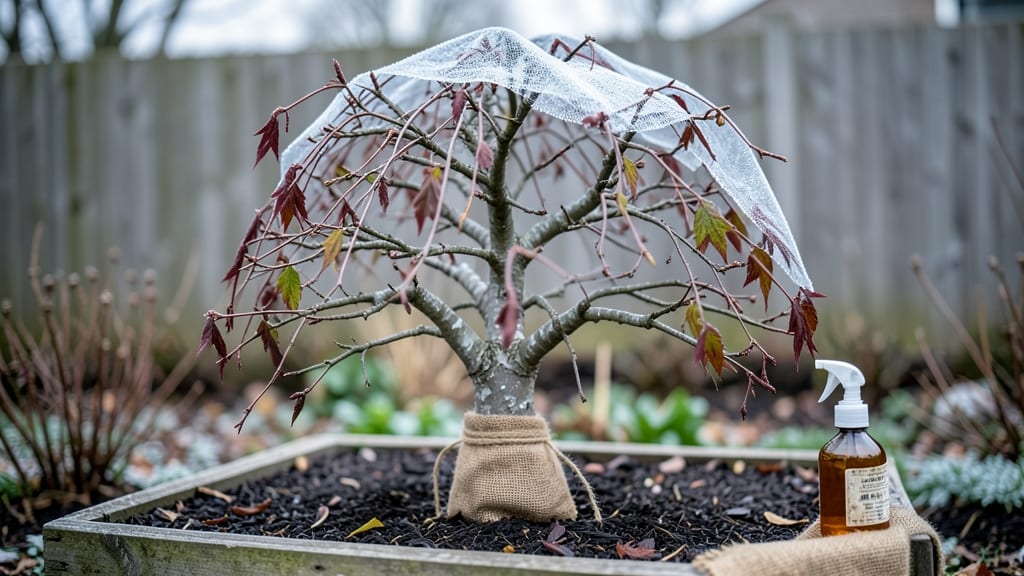
Protecting your Japanese maple trees in winter is essential—their delicate branches can’t handle frost the way oaks do, so safeguarding them now preserves years of growth from cracks and dehydration.
I’ve seen these trees go from vibrant red to sad, brittle skeletons in a single harsh winter, and the difference comes down to a few simple but critical steps taken before the first freeze.
Start with mulching—a thick layer of shredded bark or straw around the root zone keeps the soil insulated and retains moisture. Then wrap the trunk and scaffold branches in burlap or tree wrap, securing it loosely so air can circulate.
For extra protection in zones with sub-zero temps, add a layer of frost cloth over the entire canopy, staking it just enough to avoid crushing tender growth.
What you’ll end up with is a tree that wakes up in spring with unblemished bark, vibrant foliage, and none of the telltale cracks that signal winter damage.
The key is layering defenses—mulch for roots, wrap for trunk, and cloth for branches—so no single stress point can do real harm. Even in mild winters, this method prevents the slow dehydration that weakens trees over time.
Climate matters: in Zone 5 and colder, add extra insulation; in milder zones, focus on consistent watering and pruning dead branches before the ground freezes. Spring cleanup starts with checking for frost cracks—if you see them, seal with pruning paint immediately.
Trust me, a little prep now means years of trouble-free maples ahead.
📚 In This Guide
- What you need
- Instructions
- Tips and common mistakes
- Wrapping up and next steps
What you need
- ● Burlap or tree wrap: 1–2 rolls (10–20 ft long, 2–3 ft wide). Opt for breathable, undyed fabric to avoid moisture buildup.
- ● Mulch: 3–5 bags (straw, pine needles, or shredded leaves). Avoid clumping mulch near the trunk (keep it 3–4 inches deep, 6+ inches from the base).
- ● Tree guards or frost cloth: 1–2 pieces (lightweight, 50% shade cloth or frost blanket, sized to wrap the tree’s canopy).
- ● Garden twine or burlap strips: 1 small spool (for securing wraps).
- ● Pruners or shears: 1 pair (for trimming dead/damaged branches pre-winter).
- ● Watering can or hose: 1 (for deep watering before protection).
- ○ Stakes or wooden dowels: 2–4 (optional, to anchor wraps in windy areas).
- ● Anti-desiccant spray: 1 bottle (e.g., Wilt-Pruf) to seal leaf edges and reduce moisture loss.
- ● Reflective bubble wrap: 1 sheet (cut to size, placed inside the wrap for extra insulation).
- ● Soil conditioner: 1 bag (compost or mycorrhizal fungi to boost root resilience).
- ● Thermometer: 1 (to monitor microclimate temps in protected areas).
- ● Gloves & long sleeves: 1 pair each (for handling prickly branches or cold weather).
Step-by-Step instructions for winterizing Japanese maple trees
Here's how to shield your prized maples from harsh winter elements—without smothering their delicate beauty.
Clean Up and Prune for Winter Health
Start by removing any dead, diseased, or crossing branches with clean, sharp pruners. I always prune in late fall, just before the first hard frost, to avoid inviting pests that might overwinter in fresh cuts. Focus on branches that rub together or grow inward—they're the first to crack under ice and snow.
Rake up all fallen leaves and debris around the tree's base. Leaving them there traps moisture against the trunk, which can lead to rot or fungal issues when temperatures fluctuate. A clear 3-foot radius gives the tree room to breathe and prevents pests from hiding nearby.
Apply a Protective Mulch Layer
Spread a 3-4 inch thick layer of organic mulch—like shredded bark or wood chips—around the tree's base, extending it out to the drip line. Don't pile mulch against the trunk itself; keep it 6 inches away to prevent moisture buildup. This layer acts like a blanket, insulating roots from freezing ground temperatures.
I like to use pine needles or straw for extra insulation in colder climates. These materials break down slowly and add organic matter to the soil as they decompose. Water the tree deeply before applying mulch so the soil holds moisture through the dry winter months.
Wrap the Trunk for Frost Protection
For young trees or those in exposed areas, wrap the trunk with tree wrap or burlap to shield it from drying winter winds and sun scald. Start the wrap about 6 inches above the mulch line and extend it up to 4 feet high. Secure it loosely—tight wraps can girdle the trunk as it expands and contracts with temperature changes.
If you notice cracks forming in the bark, fill them with tree wound dressing to prevent pests from entering. This is especially important for trees in urban areas where pollution and salt spray can weaken bark. Reapply the wrap every few years as it breaks down.
Shield Delicate Branches from Ice and Snow
For trees with horizontal branches or those in areas prone to heavy snowfall, use tree guards or burlap screens to prevent branches from breaking under the weight. Position guards so they catch snow before it piles directly on the limbs. You can also gently tie branches together in small groups to distribute weight more evenly.
If your tree is in a windy location, consider installing windbreaks like temporary fencing or evergreen shrubs on the exposed side. Japanese maples are particularly sensitive to desiccating winds, which can dry out leaves and twigs even in winter. A simple 6-foot tall barrier reduces wind speed by up to 50%.
Monitor and Adjust Through the Season
Check your tree every 2-3 weeks during winter to ensure wraps and guards are still in place. If heavy snow accumulates, gently brush it off branches with a broom—never shake the tree, as this can cause more damage than the snow itself. Look for signs of stress like peeling bark or brown, crispy leaves.
If you notice any issues, address them immediately. For example, if the tree wrap starts to sag or tear, replace it right away. Come early spring, remove all winter protections as soon as temperatures consistently stay above freezing. This prevents the tree from "waking up" too early and getting damaged by late frosts.
Tips & tricks for winterizing Japanese maple trees
Here's what nobody tells you—these small details make all the difference between a tree that survives winter and one that thrives through it.
Timing is Everything: The late fall timing for pruning in Step 1 is crucial because it allows wounds to heal before winter pests arrive. I've seen trees suffer from winter dieback because pruning was done too early—wait until just before the first hard frost when temperatures consistently drop below freezing at night. This timing gives the tree enough time to seal cuts while still avoiding pest invitations.
Mulch Depth Matters: When applying that 3-4 inch mulch layer in Step 2, resist the urge to go thicker—especially against the trunk. I learned this the hard way after seeing roots suffocate from over-mulching. The 6-inch clearance from the trunk prevents moisture buildup that leads to rot. For extra insulation in colder zones, consider adding a second layer of straw on top of your mulch after the first snowfall.
Trunk Wrap Technique: The loose wrap application in Step 3 is more important than most realize. Tight wraps can actually damage the tree as it expands and contracts with temperature changes. I recommend using a spiral wrap technique starting 6 inches above the mulch line—this creates overlapping layers that won't girdle the trunk. For young trees, add a layer of bubble wrap inside the tree wrap for additional insulation without bulk.
Snow Management Strategy: When checking your tree every 2-3 weeks in Step 5, pay special attention to how snow accumulates on branches. I've seen Japanese maples lose entire limbs because snow built up unevenly. Gently brush snow off with a broom rather than shaking the tree—this prevents sudden weight shifts that can snap branches. For heavy snow areas, consider installing lightweight tree guards before winter begins.
Pro Tips for Protect Japanese Maple Trees Winter
- Here's what nobody tells you—these small details make all the difference between a tree that survives winter and one that thrives through it.
- Timing is Everything: The late fall timing for pruning in Step 1 is crucial because it allows wounds to heal before winter pests arrive.
- Mulch Depth Matters: When applying that 3-4 inch mulch layer in Step 2, resist the urge to go thicker—especially against the trunk.
Frequently asked questions
Got questions about winterizing your Japanese maple? Here are some of the most common concerns—and straightforward answers—to help you keep your tree thriving through the cold months.
When should I start protecting my Japanese maple for winter?
Begin preparing your Japanese maple before the first hard frost—typically in late fall (October–November, depending on your climate zone). Early protection gives roots and bark time to adjust to temperature shifts. Pro tip: If you’re in Zone 6 or colder, start sooner (around mid-October) to avoid sudden cold snaps.
Can I use burlap or frost cloth instead of tree wraps?
Burlap or frost cloth are great alternatives to commercial tree wraps. They provide breathability while shielding against harsh winds and sun. Just ensure they’re loosely wrapped (not tight) to avoid trapping moisture. For extra insulation, layer burlap with bubble wrap or straw for severe winters.
What if my Japanese maple’s bark starts peeling or cracking in winter?
Peeling or cracked bark is often a sign of winter burn or freeze-thaw cycles. Prune any damaged areas in early spring (not winter) to prevent disease. Apply a fresh layer of tree wrap or anti-desiccant spray to protect exposed bark. Avoid pruning now—it stresses the tree further in cold weather.
Do I need to water my Japanese maple during winter?
Watering is not usually needed in winter, but a deep soak in late fall (before the ground freezes) helps roots store moisture. Avoid winter watering unless you’re in a drought-prone area or notice the soil is bone-dry. Overwatering can lead to root rot in frozen soil.
How do I know if my tree is getting enough protection?
Check for signs like yellowing leaves (early warning), dry or brittle branches, or peeling bark—these indicate stress. If your tree looks healthy (firm bark, vibrant buds in spring), your protection is likely sufficient. Test your setup: Gently tug the wrap; it should stay in place but not constrict growth.
Wrapping up and next steps
Protecting your Japanese maple trees during winter isn’t just about survival—it’s about ensuring they thrive for years to come! 🌿 With the right layered defense, you can shield them from frost, wind, and harsh conditions while keeping their stunning foliage intact.
Start small: wrap young trees, mulch the base, and water before the first freeze—these steps make a world of difference.
Now that you’re armed with knowledge, take action! Pick one method from this guide and implement it this weekend. Your tree—and your future spring blooms—will thank you. Happy gardening! 🌸