
Planting
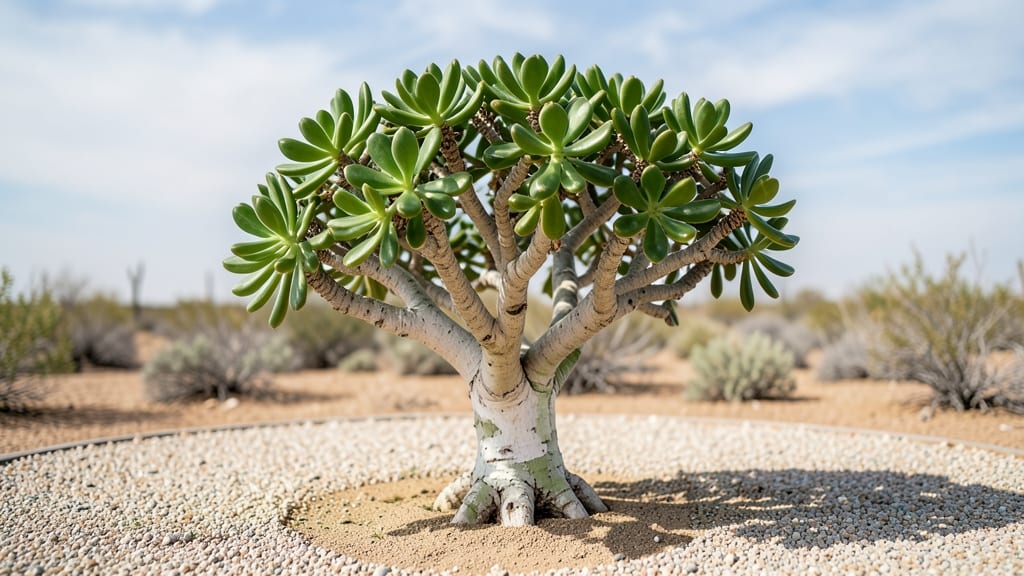
Growing the tree of life plant in containers feels like bringing a piece of resilience into your home—it thrives where others fail. 🌿 I’ve kept mine going through droughts, forgetful watering, and even a power outage that lasted three days, and it never complained.
The secret lies in its ability to store water like a succulent while looking lush and leafy like a tropical houseplant.
You’ll need a well-draining soil mix, a container with drainage holes, and bright, indirect light—this plant hates soggy roots but loves sunlight. It’s one of those rare plants that’s both drought-tolerant and low-maintenance, making it perfect for busy gardeners or anyone tired of fussy houseplants.
Start with a 6-inch pot and upgrade as it grows, but don’t rush—slow and steady wins the race with this one.
By summer, your tree of life will be bursting with vibrant green leaves, and in winter, it’ll still hold onto its foliage when other plants drop theirs.
It’s the kind of plant that grows into a symbol of endurance, whether you place it on a sunny windowsill or out on a patio. The best part? It’s nearly impossible to kill if you remember one rule: never let it sit in water.
Once you’ve mastered the basics, you can propagate it easily from cuttings or even share stems with friends—it’s that generous. And if pests or yellowing leaves appear, we’ll troubleshoot those too. Let’s get yours thriving!
📚 In This Guide
- What you need
- Instructions
- Tips and common mistakes
- Wrapping up and next steps
What you need
- ● Tree of Life Plant: 1 healthy nursery-grown cutting or small plant (3–6 inches tall). Pro tip: Look for vibrant green leaves and sturdy stems!
- ● Container: 1 well-draining pot (10–12 inches in diameter) with drainage holes.
- ○ Optional: A cache pot (outer decorative pot) if you prefer a stylish look.
- ● Potting Mix: 1 bag of cactus/succulent mix (or a blend of 60% inorganic grit/sand + 40% organic soil). Why? Ensures excellent drainage to prevent root rot!
- ● Gravel or Perlite: 1–2 cups (for the bottom layer of the pot).
- ● Watering Can: 1 with a narrow spout (for precise watering).
- ● Pruning Shears: 1 pair (sterilized with rubbing alcohol).
- ○ Gloves (Optional): 1 pair (to protect hands from sap).
- ● Fertilizer: 1 bottle of balanced liquid fertilizer (diluted to half-strength, e.g., 10-10-10). Use sparingly: 2–3 times during growing season (spring–fall).
- ● Mulch: 1 bag of decorative stones or bark (to retain moisture and add aesthetics).
- ● Plant Support: 1 small bamboo stake (if pruning heavily to encourage bushiness).
- ● Humidity Tray: 1 (if your climate is very dry).
- ● Label: 1 plant tag (to track watering schedules and care notes!).
How to grow a thriving Tree of Life plant in containers
This hardy succulent delivers vibrant foliage year-round with minimal fuss.
🪴 Step 1: Choose the Right Container and Soil Mix
Select a 6-8 inch diameter pot with drainage holes—Tree of Life plants despise soggy roots. I opt for terracotta because it breathes and prevents moisture buildup. The cactus/succulent mix from your list is perfect; it drains quickly while retaining just enough moisture for their shallow roots.
Add a 1-inch layer of coarse sand or perlite at the bottom. This creates a gritty base that mimics their natural rocky habitat. The reason we do this is to prevent compaction—Tree of Life roots need air circulation to thrive. Fill the pot ¾ full with your prepared mix, leaving room for the plant.
🌱 Step 2: Plant and Position for Optimal Light
Gently remove the Tree of Life from its nursery pot, shaking off excess soil to inspect the roots. If you see any brown or mushy roots, trim them with clean scissors—this prevents rot. Place the plant in the center of your pot and fill remaining space with more cactus mix, pressing lightly around the base. Don't pack it down too firmly; you want the soil to stay loose.
This plant craves bright, indirect light—think 6+ hours of sun daily. A south or west-facing window works best, but avoid harsh afternoon sun in summer. If your plant starts stretching toward the light (a sign of legginess), rotate the pot weekly so it grows evenly. You'll notice new growth emerging within 4-6 weeks if light conditions are right.
💧 Step 3: Master the Watering Routine
Water only when the top 2 inches of soil feel completely dry—stick your finger in to check. During spring and summer, this usually means every 2-3 weeks, but in winter, you might stretch it to once a month. The key is to soak thoroughly until water runs out the drainage hole, then let excess drain away completely. Never let it sit in saucers of water.
Here's the thing—Tree of Life plants store water in their thick leaves, so overwatering is their #1 killer. If the leaves start puckering or turning translucent, you're watering too often. On the flip side, if they wrinkle or feel soft, they're thirsty. Adjust your schedule based on what you observe.
☀️ Step 4: Feed and Prune for Long-Term Health
In spring, apply a balanced liquid fertilizer (half-strength) every 4-6 weeks to encourage lush growth. I use the diluted succulent fertilizer from your materials list—it's gentle but effective. Stop fertilizing in fall and winter when growth naturally slows. The goal is to feed lightly; these plants don't need heavy doses like tropicals.
Prune leggy stems in early spring by cutting back to a healthy leaf node. This encourages bushier growth. Use clean, sharp scissors and make cuts just above a leaf joint. You can also propagate these cuttings—place them in dry soil for a few days to callus, then plant in fresh mix. New plants root in 3-4 weeks if kept warm and bright.
⏰ Step 5: Overwinter Like a Pro
When temperatures drop below 50°F, move your Tree of Life to a cooler spot with bright light—a north-facing window works well. Reduce watering to once every 4-6 weeks and skip fertilizing entirely. The plant enters dormancy, so growth slows dramatically. Check the soil occasionally; it stays dry much longer in winter.
Watch for signs of stress like yellowing leaves—this usually means too much water. If you see brown patches, it's likely cold drafts or sudden temperature swings. A heating mat (set to 60-65°F) can help maintain consistent warmth if your home runs cool. With proper winter care, your Tree of Life will burst back to life in spring.
Tips & tricks for perfect Tree of Life plant care
These simple yet game-changing strategies will help your Tree of Life thrive in containers all year long—no green thumb required.
Pot Selection Matters: While terracotta is ideal, any pot with drainage holes works—just avoid plastic. I've had great success with fiberglass pots too, especially for outdoor containers. The key is ensuring excess water drains completely; otherwise, those shallow roots will rot. Pro tip: Elevate your pot on feet or a saucer with drainage holes to prevent moisture buildup from sitting in the saucer.
Light Rotation Strategy: In Step 2, when positioning your plant, remember this: Rotate your pot every 2-3 weeks to prevent one-sided growth. I place a small sticker on the north side of my pot to remind me which direction it faces. This ensures even exposure to that crucial 6+ hours of bright, indirect light. You'll notice the difference in just 4-6 weeks when new growth emerges uniformly.
Watering Test: Before watering in Step 3, do this quick test: Stick your finger 2 inches deep into the soil. If it feels completely dry, it's time. For a more precise method, use a chopstick—insert it vertically and remove. If it comes out clean, water is needed. This prevents the guesswork that leads to overwatering, the #1 killer of Tree of Life plants.
Fertilizer Timing: When applying that half-strength balanced liquid fertilizer every 4-6 weeks in Step 4, always water your plant first. This prevents fertilizer burn, which can cause brown leaf tips. I like to fertilize right after my weekly rotation—it's one less thing to remember. In winter, completely skip fertilizing; the plant's natural dormancy means it won't use the nutrients anyway.
Pro Tips for Tree Of Life Plant
- These simple yet game-changing strategies will help your Tree of Life thrive in containers all year long—no green thumb required.
- Pot Selection Matters: While terracotta is ideal, any pot with drainage holes works—just avoid plastic.
- Light Rotation Strategy: In Step 2, when positioning your plant, remember this: Rotate your pot every 2-3 weeks to prevent one-sided growth.
Frequently asked questions
Got questions about keeping your Tree of Life Plant (Portulacaria afra) thriving in containers? You’re not alone! Here are some of the most common queries—and their easy answers—to help you grow with confidence.
How often should I water my Tree of Life Plant in a container?
The key is drainage and drying out—water only when the top 1–2 inches of soil feel completely dry. Containers dry faster than ground soil, so check weekly in summer and reduce to biweekly in winter. Overwatering is the #1 killer! Pro tip: Use a moisture meter or stick your finger in the soil to test.
Can a Tree of Life Plant survive winter in a pot?
This hardy plant tolerates temps down to 20°F (-6°C), but protect it from harsh winds or frost. Move pots to a sheltered spot (like a garage or under an eave) or wrap them in burlap. If you’re in a freeze-prone zone, mulch the soil with straw to insulate roots. Bonus: It’s evergreen, so it’ll stay lush even in cold months!
Why are my Tree of Life Plant’s leaves turning yellow or dropping?
Yellowing or dropping leaves usually signal overwatering or root rot, but could also mean underwatering or nutrient deficiency. Check the soil moisture first—if it’s soggy, let it dry out. If the roots smell funky, repot in fresh, well-draining soil. Fix: Adjust your watering schedule and ensure pots have drainage holes.
What’s the best soil mix for container-grown Tree of Life Plants?
This succulent loves fast-draining soil to prevent rot. Mix 50% cactus/succulent soil with 30% perlite and 20% coarse sand (or pumice). Avoid heavy garden soil—it’ll suffocate roots. Alternative: Add a handful of orchid bark for extra aeration.
Can I grow a Tree of Life Plant indoors?
Yes! Place it near a bright, south- or west-facing window for 6+ hours of sunlight daily. If natural light is lacking, supplement with a grow light 12–14 hours/day. Keep temps between 50–80°F (10–27°C) and reduce watering in winter. Just avoid drafty spots—it hates sudden temperature swings! Reminder: Dust leaves occasionally to help it photosynthesize efficiently.
Wrapping up and next steps
The Tree of Life plant (Portulacaria afra) is a resilient, low-maintenance gem that brings year-round greenery to your space—even in containers! 🌿 With its drought tolerance, vibrant foliage, and easy care, it’s perfect for beginners and plant lovers alike.
Whether you’re pruning for shape, troubleshooting pests, or simply admiring its lush branches, this plant rewards patience with striking beauty.
Ready to level up your plant collection? Start by snagging a cutting from a friend’s Tree of Life or grab one from your local nursery. Then, experiment with styling it in pots, hanging baskets, or even as a topiary—your green thumb will thank you! 🌱