
Pruning
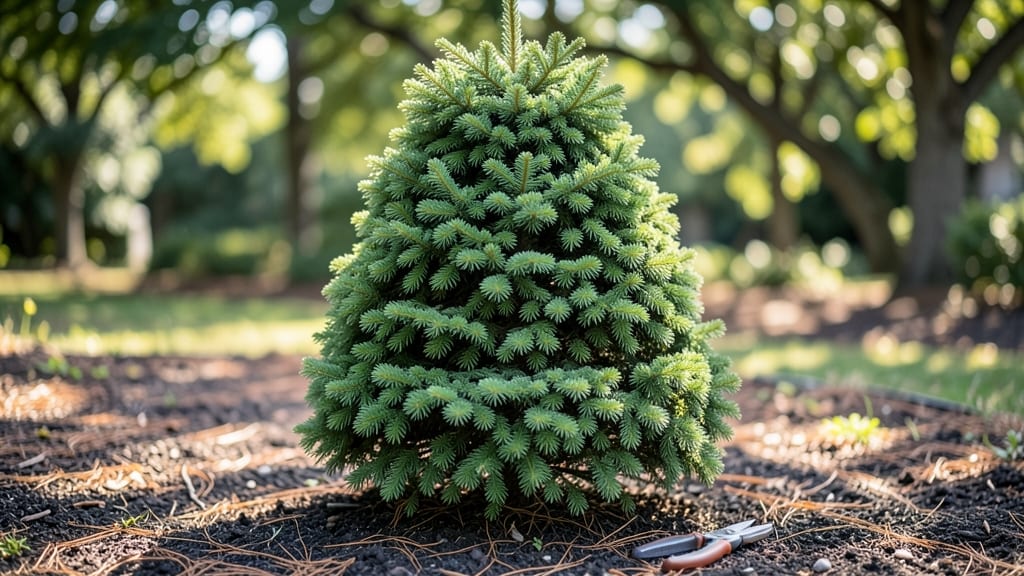
The Thuja Emerald tree thrives in Pacific Northwest climates with minimal fuss—its natural pyramid shape resists winter damage while adding year-round structure to any landscape. 🌲 I’ve pruned mine for five seasons, and the key is working with its dense, frost-hardy foliage rather than fighting it.
Unlike finicky evergreens, this variety handles heavy snow without losing its elegant form, making it perfect for foundation plantings or privacy screens.
Pruning happens twice a year: a light shaping in early spring (before new growth) and a cleanup in late winter to remove dead branches. Grab sharp bypass pruners—dull tools tear the needles—and trim just outside the branch collar.
The secret? Never cut more than 25% of the foliage in one season, or you’ll invite sunburn and pests. For a polished look, focus on the outer third of the tree where new growth emerges.
By summer, you’ll notice fuller branches and a tighter shape, with fewer gaps where weeds or pests can take hold. The dense foliage also sheds snow easily, preventing branch breakage—a common issue with less compact evergreens.
Even in wet Pacific Northwest winters, this tree stays vibrant, proving it’s built for resilience. Ready to shape yours without the stress?
Works equally well as a standalone specimen or in mixed borders, and its slow growth means you won’t be pruning every year. Start with these basics, and your Thuja will reward you with decades of low-maintenance beauty. Let’s get those shears ready!
📚 In This Guide
- What you need
- Instructions
- Tips and common mistakes
- Wrapping up and next steps
What you need
- ● Pruning shears – Bypass pruners (sharp, 6-8" blades) for clean cuts on small branches.
- ● Loppers – 10-12" bypass or anvil for thicker branches (up to 1.5" diameter).
- ○ Pruning saw – Curved-tooth for stubborn, woody growth (optional but handy).
- ● Gloves – Heavy-duty, cut-resistant (thuja needles will poke!).
- ● Disinfectant – 70% isopropyl alcohol or pruning sealant to sterilize tools between cuts.
- ● Ladder or step stool – Sturdy, 6-8 ft tall (for taller trees—safety first!).
- ● Trash bags or bucket – For clippings (compost later or dispose of wet debris).
- ● Hand pruners – For fine-tuning small branches (great for shaping).
- ● String or level – To check symmetry while pruning.
- ● Tree tie or twine – For supporting heavy branches post-prune.
- ● Safety glasses – Protects eyes from flying debris (especially if using a saw).
- ● Notebook & pen – To sketch a pruning plan before you start!
Step-by-step instructions for pruning Thuja Emerald trees
Here's how I keep these evergreens looking sharp through Pacific Northwest winters.
✂️ Step 1: Time Your Pruning for Best Results
Prune your Thuja Emerald late winter to early spring—right after the worst frost but before new growth starts. This timing lets the tree recover before summer heat arrives. I always check the forecast first; if a late frost is predicted, delay pruning until after mid-March in the PNW.
Never prune in fall—it stresses the tree before winter dormancy. You'll see fresh, vibrant growth in spring if you time it right. If you must shape lightly for holidays, do it in late summer but keep cuts minimal.
✂️ Step 2: Gather Tools and Prepare the Tree
Use clean, sharp pruning shears (bypass pruners work best) and a sterilized saw for any thick branches. I dip my tools in rubbing alcohol between cuts to prevent disease spread. Start by removing any dead or diseased branches—they'll be brown inside and won't bounce back when bent.
Step back and examine the tree's shape from all sides. Thuja Emeralds naturally grow in a pyramid, so I look for branches that break this clean silhouette. Mark cuts with a piece of chalk if you're unsure—you can always adjust before making the cut.
✂️ Step 3: Shape the Tree Gradually
Begin with the top third of the tree, trimming just the tips of branches to maintain the natural taper. Cut just above a leaf node (where small branches grow) to encourage fuller growth. I never remove more than 25% of the tree's foliage in one season—this prevents shock.
Move to the sides next, trimming branches that grow outward to maintain the tree's compact form. For a more formal look, I trim the sides slightly more aggressively but keep the bottom fuller. Always step back occasionally to check your progress—it's easy to overdo it when close up.
💧 Step 4: Finish and Maintain Aftercare
After pruning, water deeply to help the tree recover. The roots will need extra moisture as new growth begins. I apply a 2-3 inch layer of mulch around the base (keeping it 6 inches away from the trunk) to retain moisture and protect roots from temperature swings.
Monitor the tree for 3-4 weeks after pruning. New growth should appear within that time. If you see yellowing needles, it could mean over-pruning or stress—just reduce watering slightly and let the tree recover. With proper care, your Thuja Emerald will stay lush and frost-proof for years.
Tips & tricks for perfect Thuja Emerald tree pruning
Here's what nobody tells you about keeping your Thuja Emeralds thriving through PNW winters.
Timing is Everything: The late winter to early spring window is non-negotiable for Thuja Emeralds. I've learned this the hard way—pruning too early risks frost damage, while waiting too late stresses the tree before summer growth. Check your local frost dates annually; in the PNW, aim for after mid-March unless you're in a microclimate with earlier warming. For holiday shaping, stick to late summer cuts but limit them to just 10% of the foliage maximum.
Tool Prep Prevents Problems: Sterilizing your tools between cuts isn't just about cleanliness—it's about survival. I keep rubbing alcohol in a small spray bottle by my work area and wipe down blades after every 3-4 cuts. Diseased branches often look healthy on the outside; if you see brown streaks inside when you cut, remove it immediately. And here's the thing: bypass pruners are worth the investment—they make clean cuts that heal faster than those from anvil pruners.
Shape with Purpose: When working on the top third, visualize the tree's natural pyramid shape. I always cut just above a leaf node—this tiny detail makes all the difference in how full the tree grows back. For sides, think about light penetration: trim outward-growing branches to let sunlight reach the center. Pro tip: Step back every 5-6 cuts to check your progress—what looks balanced up close often needs adjustment from a distance.
Aftercare Makes All the Difference: That deep watering and mulching in Step 4 isn't just busywork. After pruning, I water until moisture reaches 6 inches down, then apply that 2-3 inch mulch layer. The key is keeping mulch 6 inches from the trunk—too close and you'll smother the roots. I've seen trees recover beautifully from pruning when given this simple aftercare, but I've also watched them struggle when skipped. The 3-4 week monitoring period is real—don't skip checking for new growth or yellowing needles.
Pro Tips for Thuja Emerald Tree
- Here's what nobody tells you about keeping your Thuja Emeralds thriving through PNW winters.
- Timing is Everything: The late winter to early spring window is non-negotiable for Thuja Emeralds.
- Tool Prep Prevents Problems: Sterilizing your tools between cuts isn't just about cleanliness—it's about survival.
Frequently asked questions
Got questions about keeping your Thuja Emerald tree looking sharp and healthy? We’ve got answers!
Here are some of the most common concerns from Pacific Northwest gardeners—plus expert tips to tackle them like a pro.
When is the best time to prune a Thuja Emerald tree?
The ideal time to prune your Thuja Emerald is late winter to early spring (February–March) before new growth begins. This timing minimizes stress and helps the tree recover faster. Avoid heavy pruning in fall—it can leave branches vulnerable to winter dieback. For light shaping, you can also prune in summer (June–July), but avoid cutting after mid-August to prevent late-season growth from freezing.
How much can I trim back my Thuja Emerald tree?
Never remove more than 25–30% of the foliage at once—this keeps the tree healthy and prevents shock. For shaping, focus on thinning out dense areas rather than shearing aggressively. If your tree looks overgrown, prune in stages over 2–3 years to maintain its iconic columnar form. Pro tip: Use sharp, clean tools to avoid tearing branches, which can invite pests or disease.
Will pruning my Thuja Emerald protect it from frost?
Pruning alone won’t make your tree frost-proof, but proper timing and technique help! Avoid heavy cuts in late fall/winter, as exposed wood is more susceptible to cold damage. Instead, focus on structural pruning in early spring to improve airflow and reduce ice buildup. For extra protection in harsh PNW winters, consider wrapping young trees in burlap or using anti-desiccant sprays to prevent moisture loss.
What’s a good alternative if my Thuja Emerald looks sick after pruning?
If your tree shows signs of stress (yellowing, browning, or sparse growth), it might need more than just pruning. Try these fixes:
- Check for pests like spider mites or bagworms—treat with neem oil or insecticidal soap if needed.
- Improve drainage if the soil stays soggy (Thujas hate “wet feet”!).
- Fertilize lightly in early spring with an acid-loving plant fertilizer (pH 5.0–6.0).
- Consider a replacement if the tree is beyond saving—try Thuja ‘Green Giant’ or Chamaecyparis lawsoniana for similar frost-resistant options.
How long does it take for a Thuja Emerald to recover after pruning?
With proper care, your Thuja Emerald should show new growth within 4–6 weeks of spring pruning. Avoid heavy pruning in the same spots yearly—rotate cuts to prevent weak spots. If recovery is slow, water deeply (1–2 inches per week) and mulch around the base to retain moisture. Patience is key: these trees grow 12–24 inches per year, so dramatic changes take time!
Wrapping up and next steps
The Thuja Emerald tree is a stunning, low-maintenance addition to any Pacific Northwest garden—especially when you master its pruning secrets! With the right tools, timing, and techniques, you can keep it frost-proof, lush, and perfectly shaped year after year. 🌲✨
Ready to take the next step? Grab your pruners, schedule a quick check-in with your tree every spring and late summer, and watch it thrive. Whether you’re a pruning pro or just starting, your Thuja Emerald will thank you with vibrant, healthy growth!