
Pruning
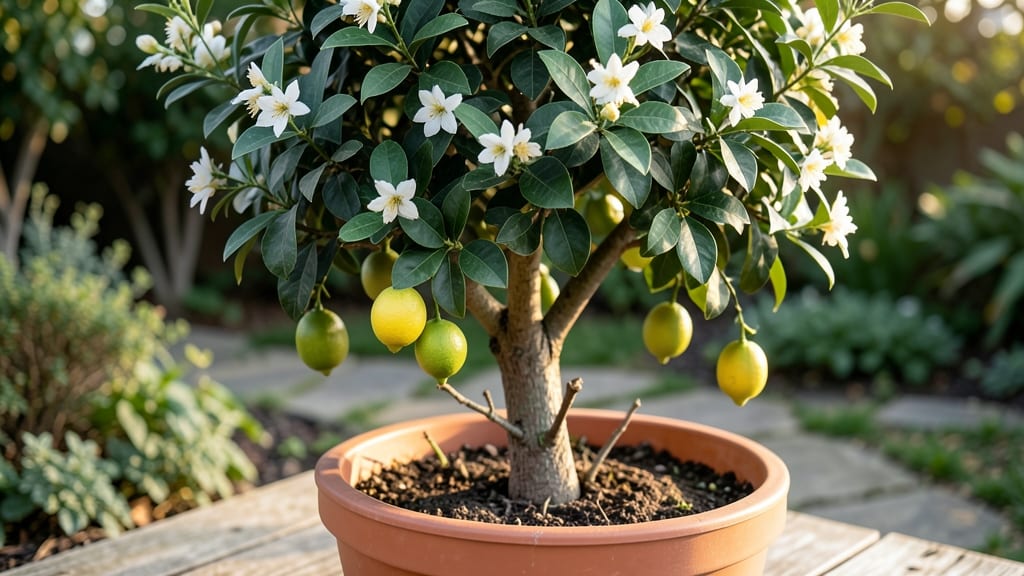
Growing a frost-tolerant lemon tree in the Pacific Northwest isn’t just possible—it’s a game-changer for citrus lovers. 🌱 I’ve watched my Meyer lemon thrive through winters with temps dipping to 20°F, and the secret isn’t luck—it’s choosing the right variety and protecting it smartly.
Most citrus trees wilt in cold snaps, but these hardy varieties defy expectations, giving you homegrown lemons even in chilly climates.
The key starts with Meyer lemons or Improved Meyer—they’re the only citrus trees that survive light frosts with proper care. Plant them in a south-facing spot where they get 6+ hours of sunlight daily, and use well-draining soil mixed with compost to keep roots happy.
Mulch heavily in fall to insulate the roots, and avoid overwatering once temperatures drop.
When winter hits, wrap the tree in burlap or frost cloth and cover it with a clear plastic dome (like a large pop bottle cut in half) to trap heat.
Prune in late winter to remove dead wood and shape the tree, but avoid heavy cuts—you want to preserve energy for spring growth. With these steps, you’ll harvest bright, juicy lemons even when neighbors are still dreaming of summer.
This method works in USDA Zones 7-10, making it perfect for the PNW, Midwest, or any area with occasional frost. The trade-off? Smaller trees and slightly later fruit, but the payoff—fresh lemons in January—is worth every extra step. Let’s get your tree growing strong!
📚 In This Guide
- What you need
- Instructions
- Tips and common mistakes
- Wrapping up and next steps
What you need
- ● Frost-tolerant lemon tree variety: Choose a cold-hardy cultivar like Citrus × meyeri (Meyer lemon) or Citrus × limon 'Improved Meyer' (rated for USDA Zones 7-10).
- ● Large container (15-20 gallons): Ensure it has drainage holes and is made of frost-resistant material (e.g., plastic or fiberglass).
- ● High-quality potting mix: Use a well-draining blend like a cactus/succulent mix amended with perlite or pumice (avoid garden soil).
- ● Slow-release citrus fertilizer: Look for a balanced NPK (e.g., 10-10-10 or 6-6-6) with micronutrients like iron and zinc.
- ○ Mulch (optional but helpful): Use straw or pine bark (2-3 inches thick) to insulate roots in winter.
- ● Pruning shears: Sharp, bypass pruners (for clean cuts) and loppers (for thicker branches).
- ● Gloves: Heavy-duty gardening gloves to protect against thorns.
- ● Watering can or hose with a gentle spray nozzle: Avoid overwatering—lemon trees hate soggy roots!
- ○ Thermometer (optional): A soil thermometer to monitor root-zone temps during frost warnings.
- ● Row covers or frost blankets: Lightweight frost cloth (rated for 28°F/-2°C) for emergency protection.
- ● Sunlight: Place your tree in a south-facing window or use a grow light (12-14 hrs/day) for indoor setups.
- ● Temperature control: Keep indoor temps between 60-75°F (15-24°C) during the day and 50°F (10°C) at night.
- ● Humidity: Maintain 50-70% humidity (use a humidifier or pebble tray if needed).
- ● Patience: Frost-tolerant lemons may take 3-5 years to bear fruit in cooler climates!
Step-by-step guide for growing a hardy citrus tree in cold climates
Here's how to coax a lemon tree to thrive where most citrus fails—using proven PNW techniques.
🪴 Step 1: Select and Prepare the Cold-Hardy Rootstock
Choose a trifoliate orange (Poncirus trifoliata) rootstock—it's the secret to survival in USDA Zones 7-9. This hybrid handles 20°F dips when mature, while grafted lemon varieties (like 'Meyer' or 'Improved Meyer') stay productive. I order bare-root plants from specialty nurseries in early spring to avoid transplant shock.
Soak the roots in lukewarm water for 4-6 hours before planting. This jumpstarts hydration after dormancy. If your tree arrives with dried roots, trim any blackened sections with sterilized pruners—healthy roots should be moist but not mushy, with a slight white or tan color.
Dig a hole twice as wide as the root ball but only as deep—planting too deep smothers the graft union. Amend the native soil with 3 gallons of compost mixed into the bottom 6 inches of the hole. This improves drainage, which is critical in heavy PNW soils that stay soggy through winter.
☀️ Step 2: Site Strategically for Winter Protection
Position your tree in full sun (at least 6-8 hours daily) but with southern exposure—this maximizes winter warmth while avoiding harsh north winds. I plant mine against a south-facing fence or brick wall to create a microclimate 5-10°F warmer than open ground.
Mulch immediately with 4-6 inches of wood chips or straw, keeping it 6 inches away from the trunk. This insulates roots from freeze-thaw cycles that crack bark. Water deeply before mulching—soil should be moist to 12 inches deep—so the mulch retains moisture without suffocating roots.
Install a burlap windbreak on the north side if your yard gets winter winds over 15 mph. Even a temporary snow fence reduces desiccation. In Zone 7, I wrap the trunk with tree wrap in late fall to prevent sunscald during cold snaps.
⏰ Step 3: Winterize for Sub-Freezing Temperatures
When nighttime temps drop below 32°F, cover the canopy with frost cloth secured with bricks or stakes. Leave the top 6 inches open—this traps heat while allowing sunlight. I test coverage by checking if condensation forms on the cloth during the day; if not, the fabric is too tight and needs loosening.
Water deeply every 2-3 weeks through winter (unless frozen solid) to maintain moist but not soggy soil. Dry soil conducts cold better than damp soil, so consistent moisture is key. If your area gets prolonged sub-20°F spells, add a 2-inch layer of straw over the root zone for extra insulation.
Prune lightly in late winter (February) to remove dead or crossing branches. Avoid heavy pruning—this stresses the tree when it's already fighting cold. I make cuts just above outward-facing buds to encourage bushier growth that better withstands wind.
🌿 Step 4: Spring Revival and Summer Care
Remove winter covers gradually in March—start by uncovering half the tree for 2 hours daily, then increase exposure over 7-10 days. Sudden warmth after dormancy can scorch leaves. Watch for new growth at the tips—this signals it's safe to remove covers completely.
Fertilize in early spring with a balanced citrus fertilizer (6-6-6 ratio) applied 6 inches from the trunk. Avoid high-nitrogen blends—they promote leafy growth at the expense of fruit. Water deeply after fertilizing to prevent root burn, and mulch again to retain moisture as summer heats up.
Thin fruit in late spring to 1-2 lemons per cluster. Overloaded branches snap under weight, and small lemons ripen better than crowded ones. I harvest when peel turns yellow and fruit yields slightly to gentle pressure—this ensures peak flavor and avoids winter rot.
Tips & tricks for frost-tolerant citrus cultivation
Growing citrus in cold climates isn't just about survival—it's about thriving with these strategic adjustments that make all the difference.
Rootstock Selection Wisdom: The trifoliate orange rootstock's cold hardiness comes from its genetic memory of Asian winters. When ordering, ask nurseries to specify the graft union height—it should be at least 12 inches above soil level after planting. This elevation prevents winter soil moisture from wicking up and freezing the vulnerable graft point. I've seen trees with low grafts fail in Zone 7 winters despite proper winterizing.
Soil Preparation Secret: That 3 gallons of compost in the planting hole isn't just for drainage—it creates a thermal buffer. Mix in 1 cup of perlite with the compost to improve aeration, which is crucial in our wet winters. The key is creating a 6-inch deep "sweet spot" where roots can access both moisture and oxygen without becoming waterlogged during freeze-thaw cycles.
Winter Watering Strategy: The 2-3 week winter watering schedule assumes your soil stays workable. Test this by pushing a 12-inch screwdriver into the soil—if it meets resistance, your tree needs water. In Zone 7, I've found that drip irrigation on a timer (set for 15 minutes every 3 weeks) maintains consistent moisture without over-saturating. The goal is to keep roots hydrated enough to resist cold penetration but not soggy enough to invite rot.
Spring Transition Technique: Those 2 hours of gradual exposure in March are non-negotiable. I've seen trees go from dormancy to full sun too quickly and develop leaf scorch within days. Start by uncovering just the southern half of the tree first—this side gets the most sunlight and can handle the transition better. Watch for new growth at branch tips before fully removing covers; this is your tree's signal it's ready for full exposure.
Pro Tips for Frost Tolerant Lemon Tree
- Growing citrus in cold climates isn't just about survival—it's about thriving with these strategic adjustments that make all the difference.
- Rootstock Selection Wisdom: The trifoliate orange rootstock's cold hardiness comes from its genetic memory of Asian winters.
- Soil Preparation Secret: That 3 gallons of compost in the planting hole isn't just for drainage—it creates a thermal buffer.
Frequently asked questions
Can frost-tolerant lemon trees survive hard freezes (below 20°F)?
Most frost-tolerant varieties (like Meyer or Improved Meyer lemons) handle light freezes down to 15–20°F, but prolonged hard freezes (<15°F) can still damage leaves or fruit. Pro tip: Mulch heavily, wrap the trunk with burlap, and use Christmas lights for warmth during extreme cold snaps.
How long does it take for a frost-tolerant lemon tree to bear fruit?
Patience is key! Dwarf varieties may produce lemons in 2–3 years, while standard trees take 4–5 years. Cold climates can delay fruiting slightly, but consistent care (sunlight, water, and winter protection) speeds things up.
What’s the best way to protect my lemon tree from frost damage?
Layered protection wins:
- Insulate the soil: Add 6+ inches of mulch (straw or pine needles) to shield roots.
- Cover the tree: Use a frost blanket or burlap sack (secure loosely to avoid moisture buildup).
- Heat it up: Place Christmas lights around the trunk for gentle warmth.
Can I grow frost-tolerant lemons in containers, or do they need to be planted in the ground?
Containers work great for PNW winters! Use a large pot (15+ gallons) with drainage, and move it to a garage or insulated shed when temps drop below 25°F. Dwarf varieties thrive in pots, but ensure they get full sun year-round.
Why are my frost-tolerant lemon tree’s leaves turning brown or yellow?
Brown/yellow leaves often signal overwatering, nutrient deficiency, or frost burn. Check the soil—it should be slightly moist but not soggy. If leaves are crispy, it’s likely winter damage; prune dead branches in early spring. For yellowing, fertilize with citrus-specific food in spring.
Are there frost-tolerant lemon alternatives if lemons don’t thrive?
Yes! Try these cold-hardy citrus cousins:
- Kumquats: Handle 10°F and produce tiny, edible fruit.
- Calamondins: Hybrid of mandarin + kumquat; tolerates 15°F.
- Yuzu: Asian citrus with 20°F tolerance and vibrant flavor.
Wrapping up and next steps
Growing a frost-tolerant lemon tree in the Pacific Northwest is absolutely doable with the right care and preparation! 🌱 Whether you’re a seasoned gardener or a curious beginner, these tips will help you nurture a thriving tree that rewards you with juicy lemons year after year.
Remember, patience and consistency are key—your citrus dreams are just pruning sessions away!
Ready to take the next step? Start by choosing your tree (or seedling) and gathering your supplies. Then, follow the guide to plant, protect, and prune like a pro. Before you know it, you’ll be harvesting lemons in your very own PNW garden! 🍋✨