
Pruning
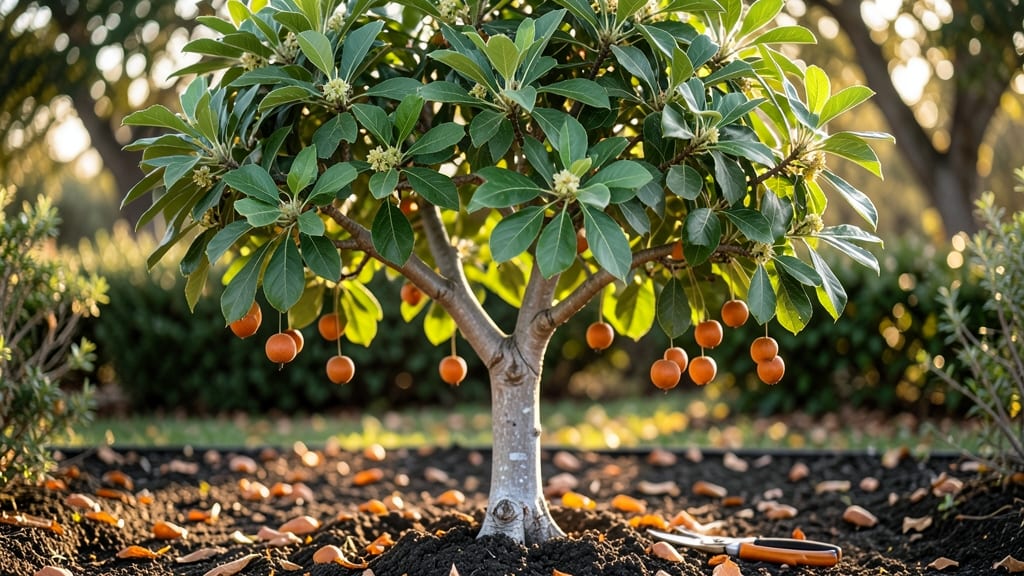
The Texas pear tree thrives where others fail—drought, heat, and even light frost won’t stop its glossy leaves or fragrant white blooms. 🌿 I’ve watched mine stand tall through 100-degree summers and occasional freezes, proving it’s the unsung hero of Texas landscapes.
This isn’t just a tree; it’s a survivor with low-maintenance charm that beginners and native plant lovers adore.
Planting one is simpler than you’d think—no fancy soil prep, no constant watering. It’s happy in sandy loam or clay, as long as it gets full sun and good drainage.
The real magic happens in how it adapts: drought-tolerant once established, cold-hardy down to 15°F, and fast-growing enough to see real shape in just a few years. Prune lightly in late winter to shape it, but otherwise, let it grow wild.
You’ll end up with a tree that feeds birds, attracts pollinators, and even produces small, edible fruit (though don’t expect grocery-store quality). The bark’s unique texture and year-round interest make it a standout in any yard, from urban lots to rural homesteads.
Plus, it’s native—meaning it supports local ecosystems without extra effort.
Whether you’re reviving a struggling landscape or starting fresh, this tree delivers year-round beauty with almost no fuss. Let’s get yours planted right—your future self (and the local wildlife) will thank you.
📚 In This Guide
- What you need
- Instructions
- Tips and common mistakes
- Wrapping up and next steps
What you need
- ● Pruning shears: Sharp, bypass-style shears (for clean cuts on small branches). Size: 6-8 inches.
- ● Loppers: For thicker branches (up to 2 inches in diameter). Size: 20-24 inches with ratcheting or bypass blades.
- ● Pruning saw: For branches larger than 2 inches. Type: Curved-tooth saw for wood.
- ● Disinfectant (70% isopropyl alcohol or bleach solution): 1 part bleach to 9 parts water to sterilize tools between cuts.
- ● Gloves: Heavy-duty, cut-resistant gloves to protect your hands from thorns and rough bark.
- ○ Pruning sealant (optional but recommended): Tree wound sealant to prevent disease entry on larger cuts.
- ● Ladder or step stool: If your tree is taller than 6 feet (adjust height as needed). Safety note: Use a stable, non-slip ladder.
- ● Heavy-duty trash bags or bucket: For collecting pruned branches and debris.
- ● Timing: Prune during late winter or early spring (February-March in Texas) when the tree is dormant but before new growth begins.
- ● Weather: Choose a dry, overcast day to minimize stress on the tree and reduce fungal risks.
- ● Avoid pruning: During extreme heat (above 90°F) or frost periods.
- ● ✨ Sharpen your tools: Dull blades tear bark, making cuts heal poorly. Sharpen shears and saws before starting.
- ● 🌡️ Check the forecast: Avoid pruning if rain is expected within 24 hours.
- ● 🎯 Plan your cuts: Sketch a rough map of your tree’s structure to visualize the final shape.
Step-by-step guide for planting and establishing a Texas pear tree
Here's how to get your tree off to the right start in Texas' extreme climate.
🪴 Step 1: Choose the Perfect Planting Site and Prepare the Soil
Texas pear trees thrive in full sun—select a location with at least 6-8 hours of direct sunlight daily. Avoid low spots where cold air pools, as these trees are surprisingly frost-sensitive despite their name. Test your soil's drainage by digging a 12-inch deep hole and filling it with water; if it doesn't drain within 2 hours, amend with 2-3 inches of coarse sand or compost to improve aeration.
I always dig the planting hole twice as wide as the root ball but no deeper. This prevents root damage from being buried too deeply, which can cause waterlogging. Loosen the sides of the hole with a shovel to encourage root spread into surrounding soil. Here's the thing—Texas clay can be unforgiving, so I mix 5 gallons of organic compost into the backfilled soil to give roots a nutrient boost during establishment.
🌱 Step 2: Plant at the Right Time and Depth
Plant your Texas pear tree in late winter to early spring, just as new growth begins but before 90°F temperatures arrive. This gives roots 3-4 months to establish before summer heat stress. Handle the root ball carefully—wrap it in burlap if transporting to prevent root desiccation. Place the tree so the top of the root flare (where roots meet trunk) sits 1-2 inches above ground level.
Backfill with the amended soil mixture, tamping gently every 4-6 inches to eliminate air pockets. Water deeply to settle the soil, then create a 4-6 inch wide berm around the perimeter to direct water toward roots. Real talk: I've seen many gardeners plant too deep, which suffocates the tree. The root flare must remain visible after settling.
☀️ Step 3: Water Deeply and Establish a Mulch Ring
Water immediately after planting, then once weekly for the first 3 months—more during 90°F+ heatwaves. Deep watering means soaking the soil to 12-18 inches deep until water runs out the drainage holes. You'll know it's right when the soil feels uniformly moist but not soggy. Overwatering in Texas clay is just as deadly as underwatering.
Spread 3-4 inches of mulch (wood chips or pine straw) in a 3-foot diameter ring around the tree, keeping mulch 6 inches away from the trunk. This conserves moisture, regulates soil temperature, and prevents weed competition. I always check mulch depth annually—too much can smother roots, while too little defeats the purpose. Here's where it gets fun: Watch for new growth within 4-6 weeks—that's your signal the tree is adapting.
✂️ Step 4: Prune for Structure and Frost Protection
Prune in late winter before buds swell, removing dead, crossing, or inward-growing branches. Use clean, sharp pruners and make cuts at a 45-degree angle just above a bud or branch collar. Never leave stubs—this invites disease. I aim to create an open center that allows sunlight to reach all branches, which is critical for fruit production.
For young trees, limit pruning to 20-25% of the canopy to avoid stress. In frost-prone areas, wrap the trunk with burlap or tree guards during 20-30°F nights to protect tender bark. Texas pears are surprisingly frost-sensitive—even established trees can suffer damage below 25°F. I've learned this the hard way: Skimping on frost protection means winter dieback and lost fruit potential.
Tips & tricks for perfect Texas pear tree establishment
Mastering Texas pear tree care means understanding the quirks of our brutal climate—here's what I've learned after years of trial and error.
Sunlight Strategy: That 6-8 hours of daily sunlight isn't just about location—it's about timing. I've noticed the best fruit production comes when trees get morning sun (critical for drying dew) and afternoon shade during our brutal summer afternoons. If your yard has afternoon shade from nearby structures, position the tree to catch morning rays instead. For new plantings, watch for leaf scorch during the first summer—it's normal as the tree acclimates, but excessive browning means you need to provide afternoon shade temporarily.
Soil Science: The 2-hour drainage test is non-negotiable, but here's what nobody tells you: Texas clay's drainage improves dramatically after the first heavy rain. If your soil passes the test initially but fails after a few weeks, that's normal—amend again with 2-3 more inches of compost. I've found that mixing in 5 gallons of organic compost isn't just about nutrients—it creates tiny air pockets that help roots breathe in our dense clay. Pro tip: Work the compost into the sides of the hole first, then mix it with the backfill soil.
Planting Precision: That 1-2 inch root flare elevation above ground level is critical, but visual cues help more than measurements. After backfilling, press gently around the base—you should see the flare's natural swelling just above the soil line. I've planted dozens and still catch myself burying the flare too deep. Here's my trick: Use a small stake to mark the flare's position before backfilling, then reference it when tamping soil. The berm you create should start at this mark, not higher.
Watering Wisdom: The 12-18 inch deep watering isn't about volume—it's about pressure. Use a garden hose with a slow setting or a soaker hose to create steady pressure that forces water deep. I've seen many gardeners drown trees by watering lightly for hours. Test your watering by digging down 12 inches after watering—if the soil is dry, you didn't go deep enough. During 90°F+ heatwaves, I water twice weekly instead of weekly, but always in the early morning to prevent fungal issues.
Pro Tips for Texas Pear Tree
- Mastering Texas pear tree care means understanding the quirks of our brutal climate—here's what I've learned after years of trial and error.
- Sunlight Strategy: That 6-8 hours of daily sunlight isn't just about location—it's about timing.
- Soil Science: The 2-hour drainage test is non-negotiable, but here's what nobody tells you: Texas clay's drainage improves dramatically after the first heavy rain.
Frequently asked questions
Got questions about growing and caring for your Texas Pear Tree? Here are some of the most common concerns—and their answers—to keep your tree thriving in Texas’ unique climate.
When is the best time to plant a Texas Pear Tree in Texas?
The ideal time to plant is late fall or early winter (November–January), when the tree is dormant and the soil is cool. This gives roots time to establish before the summer heat arrives. If you must plant in spring, do it early (February–March) and provide extra water to help it acclimate.
How do I protect my Texas Pear Tree from Texas freezes?
Texas Pear Trees are moderately cold-hardy (USDA Zones 7–10), but young trees or severe freezes (<30°F) can cause damage. Mulch the base with 2–3 inches of organic mulch, water deeply before a freeze (but avoid soggy soil), and consider wrapping the trunk with burlap or tree guard for extra protection.
How and when should I prune my Texas Pear Tree?
Prune late winter or early spring (February–March) before new growth starts. Remove dead, diseased, or crossing branches first, then thin the canopy to improve airflow. Avoid heavy pruning in summer, as it stresses the tree. Sterilize tools with rubbing alcohol between cuts to prevent disease.
Why isn’t my Texas Pear Tree producing fruit?
Common reasons include young age (trees need 3–5 years to bear fruit), lack of pollination (plant a second tree nearby), or poor growing conditions (too much shade, over/under-watering, or nutrient deficiencies). Check for pests (aphids, scale) or disease (fire blight) and adjust care accordingly.
What are some Texas-friendly alternatives if my Pear Tree struggles?
If your Texas Pear Tree isn’t thriving, consider these heat- and drought-tolerant alternatives:
- Asian Pear (Pyrus pyrifolia) – More cold-hardy and productive.
- Chickasaw Plum (Prunus angustifolia) – Native, low-maintenance, and edible.
- Loquat (Eriobotrya japonica) – Thrives in heat and produces winter fruit.
- Fig (Ficus carica) – Drought-resistant and prolific in Texas.
Wrapping up and next steps
The Texas pear tree thrives with the right care—balancing Texas’s scorching summers and chilly winters is totally doable! 🌳 With proper pruning, watering, and soil prep, you’ll enjoy bountiful harvests and stunning blooms for years.
Whether you’re a seasoned gardener or just starting, every step you take brings you closer to a flourishing tree.
Ready to take the next step? Grab your pruning shears, mark your calendar for seasonal tasks, and watch your Texas pear tree reward you with delicious fruit and beauty. Your green thumb is about to shine! 🌟