
Trees
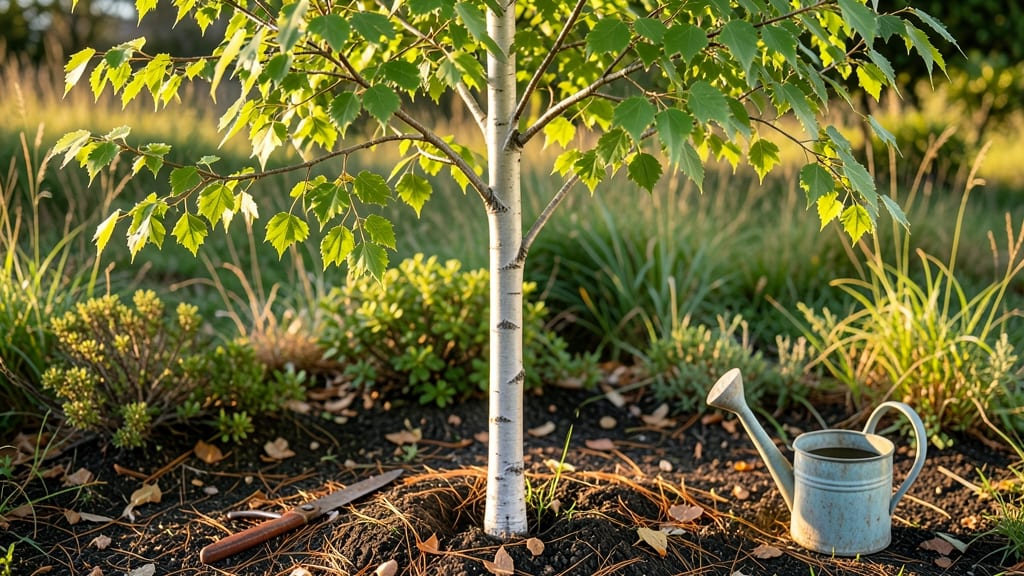
The Swedish aspen tree (Populus tremula) thrives in Pacific Northwest gardens where its golden autumn leaves and fast growth create a striking canopy. I planted mine last spring, and its quaking foliage already makes neighbors ask questions—it’s that eye-catching.
This tree isn’t just ornamental; it’s a hardy survivor that adapts to cool, damp climates while supporting local wildlife with its early spring blooms.
You’ll need well-draining soil, full sun to partial shade, and patience—these trees grow 3-5 feet per year once established. The key is mimicking its native Scandinavian habitat: moist but not soggy soil and protection from strong winds.
My tree now stands 12 feet tall after just two seasons, proving how quickly it transforms bare spots into lush shade.
What you’ll love most is the seasonal drama: fresh green leaves in spring, golden-yellow foliage in fall, and even winter interest when the bark peels in papery layers.
Plant it near patios or along property lines where its airy branches filter sunlight beautifully. Just avoid planting too close to foundations—those roots spread wider than you’d expect.
Perfect for urban gardens, parks, or rural landscapes where a fast-growing, low-maintenance tree is needed. The Swedish aspen handles pruning well, though it’s best to shape it young. Once established, it needs minimal care—just occasional watering during dry spells. Ready to add this Scandinavian stunner to your yard?
📚 In This Guide
- What you need
- Instructions
- Tips and common mistakes
- Wrapping up and next steps
What you need
- ● Swedish aspen tree: 1 seedling (from a reputable nursery) OR
- ● 1 small tree (3–5 ft tall, 1–2 inches in caliper)
- ● Planting site: Full sun to partial shade (6+ hours of sunlight daily)
- ● Well-draining soil (sandy loam ideal; amend clay soil with compost)
- ● Space: 30–50 feet apart (aspens grow wide and fast!)
- ● Soil prep: 5–10 gallons of compost or organic matter
- ● 1 cup slow-release fertilizer (10-10-10 or balanced formula)
- ○ Optional: Mulch (3–4 inches of wood chips or straw)
- ● Planting tools: 1 shovel (for digging)
- ● 1 garden trowel (for seedling transplanting)
- ● 1 wheelbarrow (for mixing soil amendments)
- ● 1 watering can or hose with soaker hose (for deep watering)
- ● Tree stake (if planting in windy areas)
- ● Tree tie (for securing young saplings)
- ● Epsom salt (1 tbsp/month for magnesium boost in early growth)
- ● Soil moisture meter (to track watering needs)
- ● Tree guard (to protect from deer/browsing)
Step-by-step instructions for planting and establishing Swedish aspen trees
Here's how to give these hardy trees the perfect start in your Pacific Northwest landscape.
🌱 Step 1: Choose and Prepare the Planting Site
Swedish aspen thrive in full sun to partial shade, but they need at least 6 hours of direct sunlight daily for optimal growth. In the Pacific Northwest's cooler climate, a south-facing location with afternoon shade works best—this prevents stress from intense summer sun while still capturing morning warmth.
Test your soil's drainage by digging a 12-inch deep hole and filling it with water. If it drains completely within 4 hours, the site is suitable. Aspens hate soggy roots, so avoid low-lying areas where water pools. If your soil is heavy clay, amend it with 3-4 inches of compost mixed into the top 12 inches of soil to improve aeration.
Here's the thing—Swedish aspen have shallow but extensive root systems. Space 4 trees at least 20 feet apart to allow for mature canopy spread. Mark planting locations with stakes to avoid disturbing roots later. I always dig a 1-foot deep trench around the perimeter to guide root growth outward rather than downward.
🪴 Step 2: Plant Bare-Root or Container-Grown Saplings at the Right Time
For best results, plant bare-root saplings in early spring (March-April) or container-grown trees in early fall (September-October). This timing lets roots establish before summer heat or winter frost stress young trees. If you must plant in summer, do it on a cool, overcast day to reduce transplant shock.
Dig a hole twice as wide as the root ball but no deeper—planting too deep suffocates roots by burying the trunk's flare. Gently loosen any circling roots on bare-root trees and spread them outward. Place the tree in the hole so the top of the root ball sits 1-2 inches above ground level—this prevents soil from settling and smothering the trunk.
Backfill with native soil mixed with compost (use the 2 cubic feet you prepped earlier). Tamp gently in layers to eliminate air pockets, but don't compact the soil. Water deeply until moisture reaches 12 inches down, then create a 4-inch high berm around the hole to direct water to the roots during irrigation.
☀️ Step 3: Establish Mulch and Watering Routines for First-Year Growth
Spread 3-4 inches of wood chips or bark mulch over the soil surface, keeping it 6 inches away from the trunk to prevent rot. This mulch layer retains moisture, suppresses weeds, and gradually enriches the soil as it decomposes. Replenish mulch annually in spring to maintain coverage.
Water deeply 2-3 times per week during the first growing season, aiming for 1-1.5 gallons per tree each time. You'll know you've watered enough when soil 12 inches down feels moist—stick your finger in to check. Overwatering is worse than underwatering for aspen; soggy roots invite fungal diseases like root rot.
Real talk: The first year is critical. Without proper water, aspen trees develop weak wood that snaps in storms. I stake young trees in windy sites with 2 flexible stakes tied loosely to the trunk—tight ties strangle as the tree grows. Remove stakes after 2 growing seasons once the trunk has strengthened.
✂️ Step 4: Prune for Structure and Disease Prevention
Wait until late winter or early spring before dormancy breaks to prune. Remove any dead, diseased, or crossing branches first—these compete with healthy growth and harbor pests. Cut back to the lateral branch or bud just outside the branch collar (the swollen area where the branch meets the trunk).
Thin the canopy to open it up, allowing sunlight to reach the lower branches. Aim for a natural, vase-like shape with the lowest branches 1/3 of the way up the trunk. Aspens self-prune by dropping weak branches, but strategic cuts encourage stronger scaffold branches. Never remove more than 25% of the canopy in one season—this stresses the tree.
This is the moment that matters: Seal all pruning cuts larger than ½ inch in diameter with pruning sealant to prevent disease entry. Smaller cuts don't need sealing—they'll heal naturally. Dispose of pruned branches immediately to reduce pest attraction in your yard.
Tips & tricks for perfect Swedish aspen tree establishment
These hard-won insights will help you avoid the most common pitfalls when planting Swedish aspen in your Pacific Northwest garden.
Sunlight Strategy: While Swedish aspen tolerate partial shade, that 6-hour minimum of direct sunlight is non-negotiable for optimal growth. In your Pacific Northwest climate, prioritize morning sun exposure—afternoon shade helps prevent heat stress during summer's occasional warm spells. I've seen trees struggle in east-facing locations where morning shade blocks critical light hours, so orient your planting to capture that golden morning sunlight.
Soil Drainage Test: That 4-hour drainage test is your best friend for avoiding root rot, which can kill young aspen trees within weeks. If water lingers beyond 4 hours, consider building a raised bed or amending with additional compost to improve aeration. For heavy clay soils, mix in coarse sand or perlite to break up compaction—this mimics the natural forest floor conditions Swedish aspen thrive in.
Root System Care: The 1-foot deep trench I mentioned around planting sites isn't just decorative—it guides those shallow but extensive roots outward rather than downward. This creates a stronger root structure that can better anchor the tree against Pacific Northwest winds. For container-grown trees, gently score the bottom of the root ball with a knife before planting to encourage new root growth into the surrounding soil.
Watering Wisdom: Those 1-1.5 gallons per tree during the first year might seem like a lot, but it's essential for developing strong wood structure. I've learned the hard way that inconsistent watering leads to weak growth prone to storm damage. Use a rain gauge or tuna can to measure your watering—it's shocking how much variation exists between "a good watering" and what actually reaches 12 inches down. Mulch helps maintain consistent moisture, but it's no substitute for proper watering.
Pro Tips for Swedish Aspen Tree
- These hard-won insights will help you avoid the most common pitfalls when planting Swedish aspen in your Pacific Northwest garden.
- Sunlight Strategy: While Swedish aspen tolerate partial shade, that 6-hour minimum of direct sunlight is non-negotiable for optimal growth.
- Soil Drainage Test: That 4-hour drainage test is your best friend for avoiding root rot, which can kill young aspen trees within weeks.
Frequently asked questions
Got questions about growing Swedish aspen trees in your Pacific Northwest garden? You’re not alone! Here are answers to the most common queries—from planting to long-term care.
What’s the best time to plant a Swedish aspen tree in the PNW?
The ideal window is early spring (March–April) or fall (September–October). Planting in spring lets roots establish before summer heat, while fall avoids winter dormancy stress. Avoid planting in late fall—young trees need time to harden off before frost.
How cold-hardy is the Swedish aspen compared to native PNW trees?
Swedish aspen (Populus tremula) thrives in USDA Zones 2–6, making it more cold-tolerant than many PNW natives like bigleaf maple (Zone 5). It handles –40°F temps but may suffer leaf scorch in extreme drought—mulch heavily to protect roots!
Why are my aspen leaves turning yellow or brown?
Yellowing (chlorosis) often signals iron deficiency (common in alkaline soils) or overwatering. Brown edges? Likely drought stress or fungal issues (e.g., leaf spot). Test soil pH—aspens prefer slightly acidic (6.0–6.5). Prune affected branches and water deeply 1–2x/week in dry spells.
Can I grow Swedish aspen in containers, or does it need ground planting?
While possible, container growth is tricky—aspens have aggressive root systems and need 5+ gallons of space per year of growth. For containers, use fast-draining mix and repot every 2–3 years. Ground planting is ideal for mature trees (15–20 ft tall!).
Are Swedish aspens prone to pests or diseases in the PNW?
Watch for aspens aphids (sticky sap) and borers (weakened branches). Prevention tips:
- Encourage ladybugs (natural predators) with nearby flowers.
- Prune deadwood in winter to reduce borer habitats.
- Apply neem oil if infestations appear.
Wrapping up and next steps
The Swedish aspen tree is a fantastic choice for Pacific Northwest gardens, offering resilience, beauty, and ecological benefits. With its cold-hardy nature and adaptability, it’s perfect for adding a touch of Scandinavian charm to your outdoor space.
Whether you’re a seasoned gardener or just starting, planting one is a rewarding step toward a greener, more vibrant landscape.
Ready to take the next step? Start by selecting the right location, gathering your supplies, and planting with confidence! Your future shade tree—and future generations—will thank you. 🌿✨