
Pruning
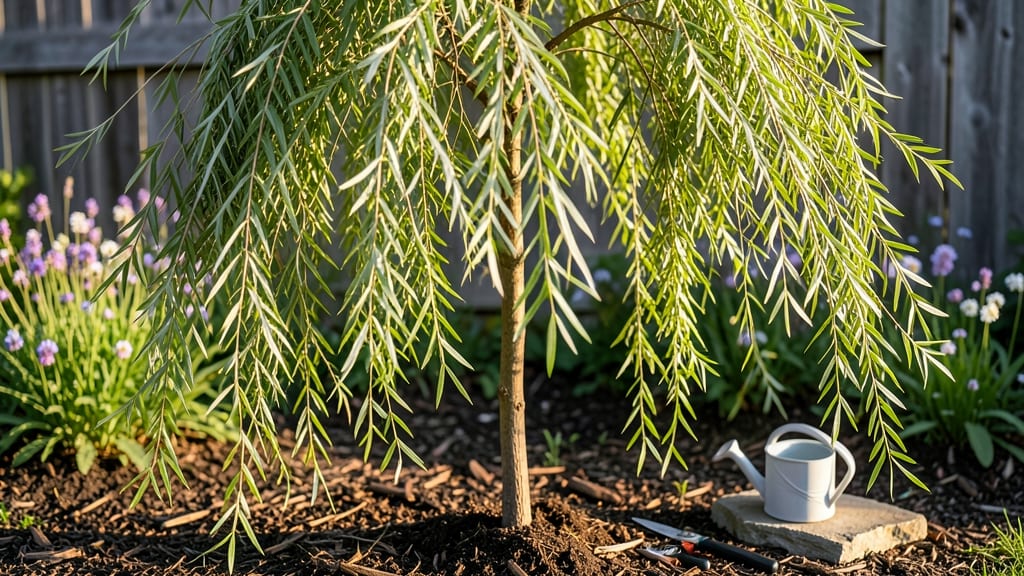
A small weeping willow tree adds drama to any garden with its cascading branches and soft, silvery bark. 🌿 I fell in love with one after seeing how it transformed a dull corner near my patio into a living waterfall of foliage—perfect for both cottage gardens and modern landscapes.
The key to keeping it looking its best lies in understanding how to shape it naturally while encouraging that graceful, drooping habit.
Pruning isn’t about cutting back harshly—it’s about guiding growth. Focus on removing dead branches in late winter and trimming back any that grow too upright in early spring. This keeps the tree’s signature weeping form while preventing it from becoming too wide or leggy.
The result is a tree that stays proportionate to its space, whether planted near a pond or as a standalone focal point.
What makes this tree so special is how it fits into different garden styles. In a Japanese garden, its delicate branches complement bamboo and moss, while in a cottage garden, it pairs beautifully with climbing roses and lavender.
The soft texture of its leaves adds contrast to spiky plants like ornamental grasses or bold foliage like hostas.
For best results, plant it where it has room to grow—at least 15 feet wide—and avoid areas with strong winds that could damage its delicate branches. With the right pruning, your small weeping willow will become the centerpiece that brings movement and elegance to your outdoor space all year long.
📚 In This Guide
- What you need
- Instructions
- Tips and common mistakes
- Wrapping up and next steps
What you need
- ● Pruning shears or bypass pruners: Sharp, high-quality shears (e.g., Felco or Fiskars) for clean cuts on small branches (up to ½-inch thick).
- ● Loppers: For thicker branches (½-inch to 1½-inch diameter). Look for bypass-style loppers for precision.
- ● Hand saw: A pruning saw with a fine-tooth blade for branches larger than 1½ inches.
- ● Disinfectant (70% isopropyl alcohol or bleach solution): 1 part bleach to 9 parts water to sterilize tools between cuts and prevent disease.
- ● Garden gloves: Heavy-duty, cut-resistant gloves (e.g., Mechanix or Dr. McGill’s) to protect your hands.
- ○ Pruning sealant (optional but helpful): A tree wound sealant (like Tanglefoot Tree Wound Pruning Seal) for cuts larger than ½-inch to reduce sap loss and infection risk.
- ● Ladder or step stool: A sturdy, extendable ladder (if your tree is over 6 feet tall) or a stable stool for safe reaching.
- ● Trash bags or bucket: For collecting pruned branches and debris.
- ● Notebook & pen: To sketch a quick map of branches to prune or note areas of concern.
- ● Pole saw: For high branches without a ladder.
- ● Long-handled pruners: Extendable shears for hard-to-reach spots.
- ● Safety glasses: To shield your eyes from debris.
- ● Work vest or apron: With pockets to keep tools organized.
- ● Camera or phone: To document "before" and "after" shots for tracking growth.
Step-by-Step guide to pruning your small weeping willow tree
Transform your weeping willow into a stunning centerpiece with these simple, effective pruning techniques.
🌿 Step 1: Identify the Right Time for Pruning
Late winter or early spring is your best window—just as new growth begins but before buds fully swell. This timing ensures you remove dead wood while stimulating fresh, lush foliage. I always prune mine in February or March, right after the last hard frost but before the first warm rain. You'll know it's the right moment when you see tiny green buds forming at the branch tips.
Never prune in fall or winter when the tree is dormant—you risk encouraging new growth that won't harden off before cold snaps. If you miss the spring window, wait until late summer (after flowering) but avoid heavy pruning then, as it can stress the tree before winter.
✂️ Step 2: Remove Dead, Diseased, or Crossing Branches First
Start with your pruning shears and cut out any branches that are brown, brittle, or hollow—these won't regrow and can harbor pests. I scan my tree from top to bottom, removing anything thinner than a pencil at the base. Next, target branches that cross or rub against others, as these wounds invite disease. Make your cuts at a 45-degree angle, about ¼ inch above an outward-facing bud or lateral branch.
Watch for branches growing straight up—these disrupt the elegant weeping shape. Snip them off just above a bud that points downward or outward. If a branch is too thick for shears, use a pruning saw and make the cut just outside the branch collar (the swollen area where the branch meets the trunk). This helps the wound seal faster.
☀️ Step 3: Shape the Canopy for That Classic Weeping Look
Weeping willows thrive when their branches cascade naturally. Step back and visualize the tree’s natural silhouette—you’re aiming for a balanced, layered "V" shape when viewed from the side. I focus on the outer third of each branch, trimming just enough to encourage new growth at the tips. Use your shears to make clean, diagonal cuts (about ½ inch above a leaf node) to redirect energy downward.
Never remove more than 25% of the canopy in one session—this tree grows fast, but over-pruning weakens it. If a branch feels too heavy or sags excessively, it’s a sign it’s overloaded with water or needs support. In that case, prune it back by ⅓ to redistribute weight. You’ll see new, vibrant shoots emerge within 4-6 weeks of pruning.
💧 Step 4: Clean Up and Encourage New Growth
After pruning, rake up all clippings and dispose of them—never leave them near the tree, as they can harbor fungal spores. I sterilize my tools with rubbing alcohol between cuts to prevent spreading disease. Water the base of the tree deeply (1-2 gallons) to help it recover, especially if you’ve done heavy pruning. The soil should feel damp 6 inches down after watering.
Apply a balanced, slow-release fertilizer (like 10-10-10) around the drip line in early spring to fuel new growth. You’ll notice fresh, bright green leaves appearing along the pruned branches within 2-3 weeks. If the tree looks stressed (yellowing leaves or wilting), it’s a sign it needs more water or a lighter hand next time.
Tips & tricks for perfect small weeping willow pruning
These game-changing tips will help you transform your weeping willow into a stunning, healthy showstopper that keeps its graceful shape year after year.
Timing is Everything: I can't stress this enough—those tiny green buds forming in February or March are your golden signal to prune. If you're unsure about frost dates, check your local agricultural extension service for the last frost prediction. In Step 1, when you see those buds, that's your cue to act fast! The window between bud formation and first warm rain is your perfect pruning opportunity.
Branch Collar Awareness: In Step 2, when using your pruning saw, pay close attention to the branch collar—the swollen area where the branch meets the trunk. Cutting just outside this collar prevents damage to the tree's healing tissues. I've made the mistake of cutting too close, and it always leads to slower healing and potential disease entry points. Think of it as the tree's natural bandage—preserve it!
Canopy Shape Secret: For that classic weeping silhouette in Step 3, here's what nobody tells you: Focus on creating a "V" shape when viewed from the side. Start by visualizing two diagonal lines from the trunk outward—this guides your cuts. When shaping branches, make your diagonal cuts about ½ inch above a leaf node to encourage downward growth. This technique creates that elegant, cascading effect we all love in weeping willows.
Post-Pruning Care: After completing Step 4, here's my pro move: Mix your 10-10-10 fertilizer with water to create a light slurry before applying it around the drip line. This helps the nutrients absorb more quickly. Also, consider adding a 2-inch layer of organic mulch around the base (but keep it 6 inches away from the trunk) to retain moisture and regulate soil temperature. Your tree will thank you with vibrant new growth within those 2-3 weeks!
Pro Tips for Small Weeping Willow Tree
- These game-changing tips will help you transform your weeping willow into a stunning, healthy showstopper that keeps its graceful shape year after year.
- Timing is Everything: I can't stress this enough—those tiny green buds forming in February or March are your golden signal to prune.
- Branch Collar Awareness: In Step 2, when using your pruning saw, pay close attention to the branch collar—the swollen area where the branch meets the trunk.
Frequently asked questions
Got questions about keeping your small weeping willow tree looking its best? Here are answers to the most common ones—so you can enjoy its graceful beauty without the guesswork!
When is the best time to prune a small weeping willow?
The ideal time to prune is late winter or early spring (just before new growth starts). This helps avoid sap loss and pests while encouraging healthy spring blooms. Avoid heavy pruning in fall—it can stimulate tender growth that won’t survive winter!
How much can I trim back a small weeping willow?
For a small weeping willow, you can safely remove up to 25% of the foliage per year. Focus on:
- Dead or crossing branches
- Overly long stems to maintain shape
- Suckers at the base (to redirect energy upward)
Why are my weeping willow branches turning brown?
Brown branches usually mean overwatering, root rot, or fungal issues. Check these fixes:
- Ensure soil drains well (willows hate soggy roots!)
- Trim affected branches 1 inch above a healthy bud
- Apply fungicide if mold appears
Are there dwarf alternatives to a small weeping willow?
Yes! If space is tight, try these low-maintenance, compact options:
- Pussy Willow (Salix discolor) – Fast-growing, great for ponds
- Dwarf Weeping Cherry (Prunus subhirtella) – Ornamental flowers
- Japanese Forest Grass (Hakonechloa) – Adds movement without height
Do I need to protect my weeping willow in winter?
Young or small willows benefit from light winter care:
- Wrap the trunk with tree guard to prevent rodent damage
- Avoid heavy mulch near the base (can trap moisture)
- Water sparingly in dry winters to prevent root stress
Wrapping up and next steps
A small weeping willow tree thrives on thoughtful pruning—it’s your key to year-round elegance and vibrant health! 🌿 With the right tools, timing, and techniques, you’ll keep its graceful branches lush and its growth balanced. Whether you’re trimming for shape, health, or safety, consistency is your best friend.
Ready to transform your tree into a stunning centerpiece? Start small: pick one season to practice, observe your tree’s response, and gradually refine your approach. Happy pruning—your willow’s beauty is just a cut away! ✂️✨